
Bed Bugs in Healthcare: Clinical Significance and Response
Clinical significance and facility response
Bed bugs (Cimex lectularius) show up in hospitals and clinics when patients or visitors bring them in on clothing, bags, or belongings. They feed on blood but are not proven vectors of human disease. The practical issues are operational disruption, staff and patient concern, and limiting passive spread. This page is educational best practice for facility response; it is not a substitute for your infection-control policy and is not an official CDC protocol.
Below: clinical context, how healthcare introductions differ from home infestations, and a facility-oriented response checklist (notify, isolate belongings, document, EVS / pest management). Focus stays on risk communication, environmental management, and IPM while patient care continues.
Facility response checklist (hospitals and clinics)
Protocol-style response checklist (educational best practices): Isolate linen and belongings in sealed bags. Notify per facility policy (IP / EVS / pest pro). Do not crush insects or casually spray patient rooms. Document the find. Escalate cleanup and inspection to Environmental Services and contracted pest management. Follow your facility policy first. CDC communication resources for health care providers can support staff messaging.
- Bed bugs in hospitals and clinics usually arrive as isolated introductions on clothing, bags, or personal belongings. They feed on blood but are not proven to transmit human disease under natural conditions.
- Main concerns: operational disruption, staff anxiety, patient reassurance, and limiting passive spread. Most finds are not established room infestations.
- Stay calm and continue patient care when clinically appropriate. Isolate belongings, capture for ID if possible, clean the area per policy, and notify EVS or pest management. Clear communication and IPM beat panic spraying.
- Related traveler guidance: hotel bed bug inspection checklist. Browse the bed bugs hub for species and home guidance.
Healthcare settings manage introductions under facility policy. For everyday multi-unit housing, shared walls and laundry matter more than a clinical protocol: see Bed Bugs in Apartments.
Jump to: Intro | Biology | Feeding Behavior | Clinical Manifestations | Response Protocol | Identify | References
Introduction
Bed bugs have experienced a dramatic global resurgence since the late 1990s. Prior to that time, widespread insecticide use during the mid-20th century had significantly reduced infestations in many developed countries. Increased international travel, insecticide resistance, and population density in urban environments have contributed to their re-emergence.
Healthcare professionals encounter bed bugs in two primary contexts:
- Patients presenting with dermatologic symptoms consistent with bed bug bites
- Patients inadvertently introducing bed bugs into healthcare facilities through clothing, luggage, or personal belongings
Although bed bugs are blood-feeding arthropods similar to mosquitoes, ticks, and fleas, their medical significance differs substantially. Many blood-feeding arthropods transmit infectious diseases to humans; however, bed bugs have not been shown to transmit disease under natural conditions.
For healthcare facilities, the primary concerns involve patient reassurance, operational management, and environmental control, rather than infectious disease transmission.
Bed Bug Biology Relevant to Healthcare Environments
Bed bugs belong to the order Hemiptera and the family Cimicidae. The species most often associated with humans in North America is Cimex lectularius, often referred to as the common bed bug.
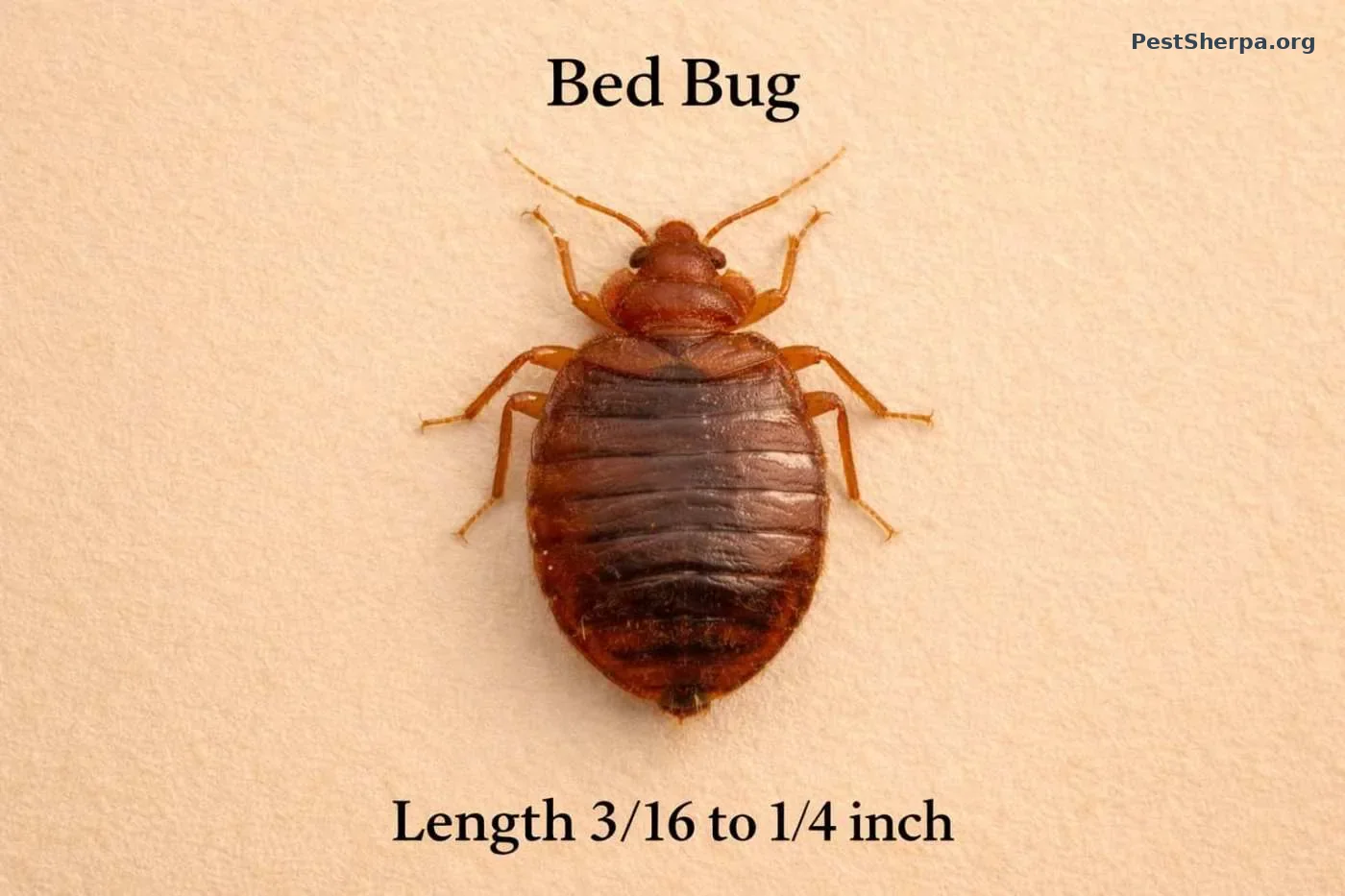
Adult bed bugs are oval, flattened insects measuring about 3/16 to 1/4 inch (4 to 7 mm) in length. They are reddish-brown in color and become darker after feeding.
Their flattened bodies allow them to hide in extremely narrow crevices, including:
- mattress seams
- furniture joints
- baseboards
- cracks in walls
- luggage and personal belongings

These hiding locations are referred to as harborages.
Bed bugs have been documented in many environments including:
- hospitals
- long-term care facilities
- hotels
- airplanes
- public transportation
They are not restricted to bedrooms despite their name.
Feeding Behavior
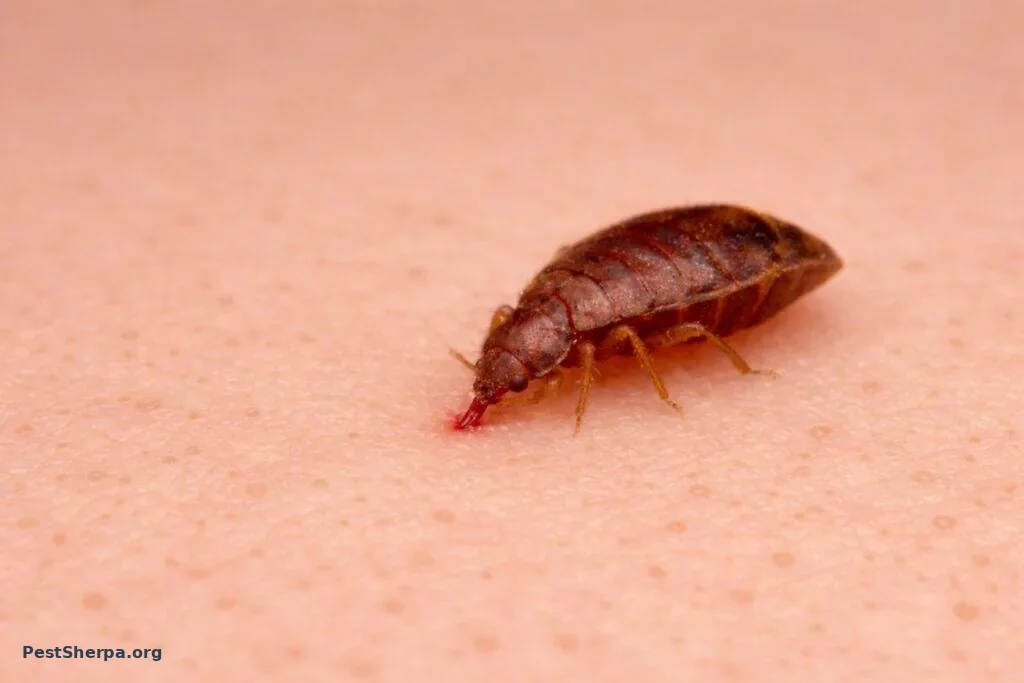
Bed bugs are obligate blood feeders, meaning they depend entirely on blood meals to survive and reproduce. Both male and female bed bugs feed on hosts.
Feeding usually occurs at night while hosts are resting or sleeping. A feeding event usually lasts 5 to 10 minutes, after which the insect retreats to its harborage.
In assisted living facilities or nursing homes, harborages may occur near chairs, couches, or living areas where residents spend extended periods of time.
Harborage Behavior
Unlike lice or fleas, bed bugs do not live on the human body. Instead, they reside in the surrounding environment and travel short distances to obtain a blood meal.
After feeding, bed bugs usually return to hidden harborages where they digest the blood meal and reproduce.
Passive Dispersal
Bed bugs cannot jump or fly. Instead, they spread mainly through passive transport, hitchhiking in items such as:
- clothing
- backpacks
- purses
- luggage
- medical equipment bags
This passive dispersal explains why healthcare facilities may encounter bed bugs when patients arrive from infested residences.
Clinical Manifestations
Cutaneous Reactions
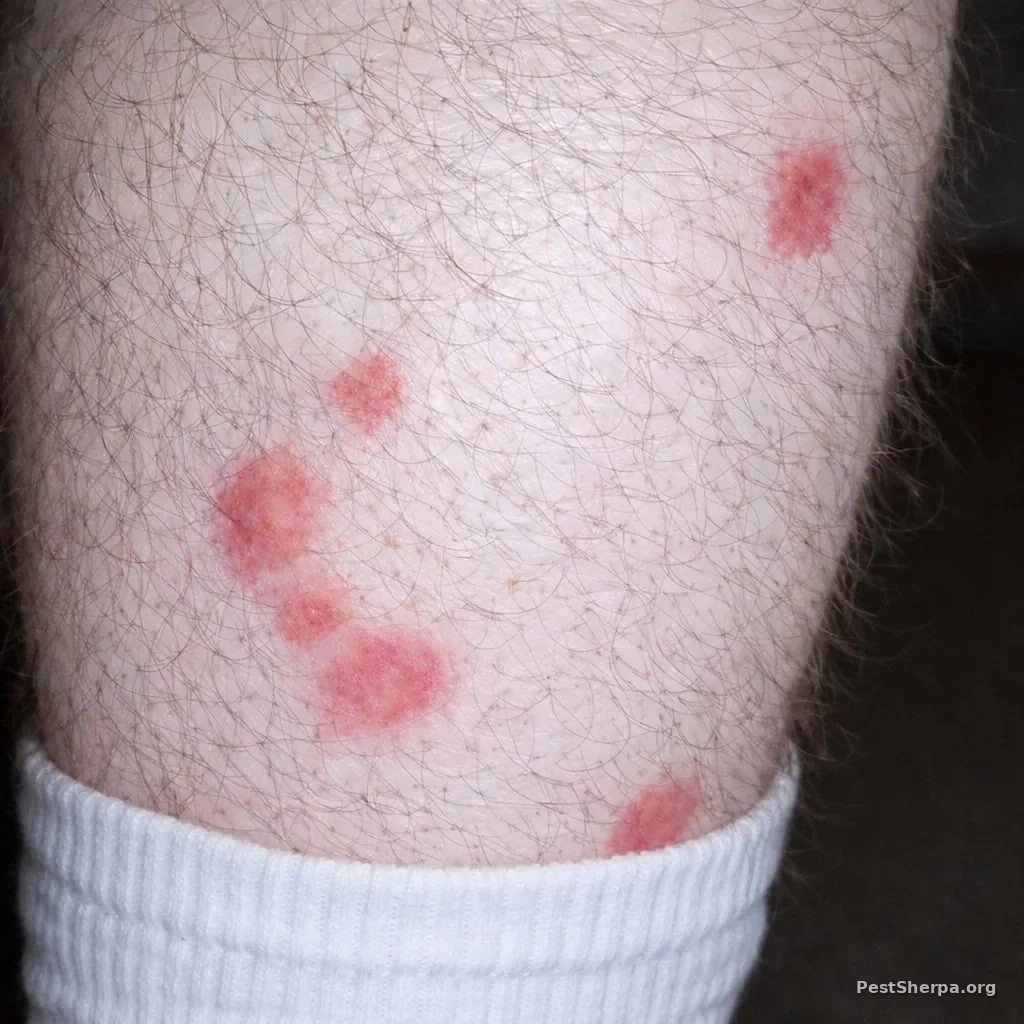
The most common clinical manifestation associated with bed bugs is a cutaneous reaction to bites.
Typical bite presentations include:
- pruritic erythematous papules
- clustered or linear lesions
- bites on exposed skin such as the arms, neck, or face
The commonly described “breakfast, lunch, and dinner” pattern refers to multiple bites occurring in a line or cluster.
However, reactions vary widely among individuals. Some patients show minimal or no reaction, while others develop significant itching or inflammation.
Hypersensitivity reactions may occur after repeated exposure to bed bug saliva proteins.
Differential Diagnosis
Because the appearance of bites is nonspecific, bed bug bites may be confused with:
- mosquito bites
- flea bites
- scabies
- contact dermatitis
For this reason, environmental confirmation of bed bugs is necessary to establish a definitive diagnosis.
Secondary Complications
Possible complications associated with bed bug infestations include:
- secondary bacterial infection from scratching
- sleep disturbance
- psychological distress or anxiety related to infestation
Severe infestations have also been associated with insomnia and mental health effects.
Disease Transmission
A common misconception among patients and healthcare staff is that bed bugs transmit infectious diseases.
Laboratory studies have demonstrated that bed bugs may harbor pathogens internally after feeding on infected hosts. However, there is no epidemiologic evidence demonstrating natural transmission of infectious disease to humans.
Consequently, major public health agencies classify bed bugs as nuisance pests rather than disease vectors.
Understanding this distinction is important when communicating risk to healthcare staff and patients during bed bug incidents.
Bed Bugs in Healthcare Facilities
Healthcare environments are generally unfavorable for sustained bed bug infestations due to:
- frequent cleaning procedures
- minimal clutter
- regular movement of equipment and furniture
- inconsistent host presence
Most encounters with bed bugs in hospitals or clinics represent isolated introductions rather than established infestations.
However, improper handling of these introductions may allow insects to disperse into:
- waiting areas
- examination rooms
- staff break rooms
- patient transport equipment
Response Protocol for Healthcare Facilities
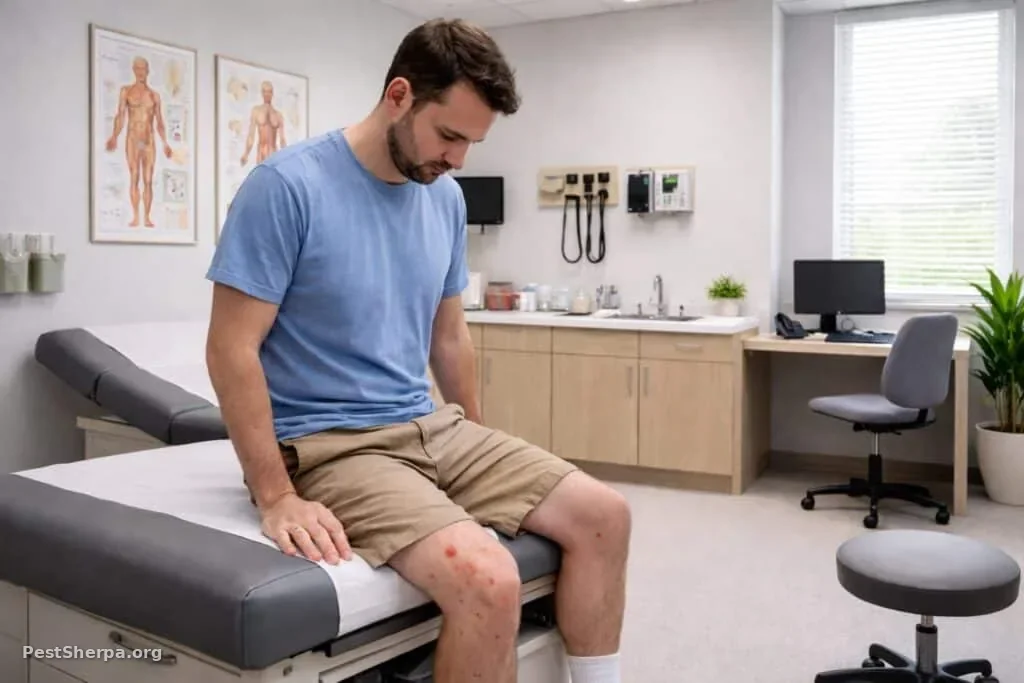
When bed bugs are suspected or observed in a healthcare setting, a structured response can minimize disruption.
Maintain Normal Operations
The presence of bed bugs does not constitute an infectious disease hazard, and clinical services generally do not need to be interrupted.
Isolate Belongings
When feasible:
- place patient belongings in sealed plastic bags
- limit movement of personal items between rooms
- avoid placing belongings on upholstered furniture
These measures reduce the risk of passive dispersal.
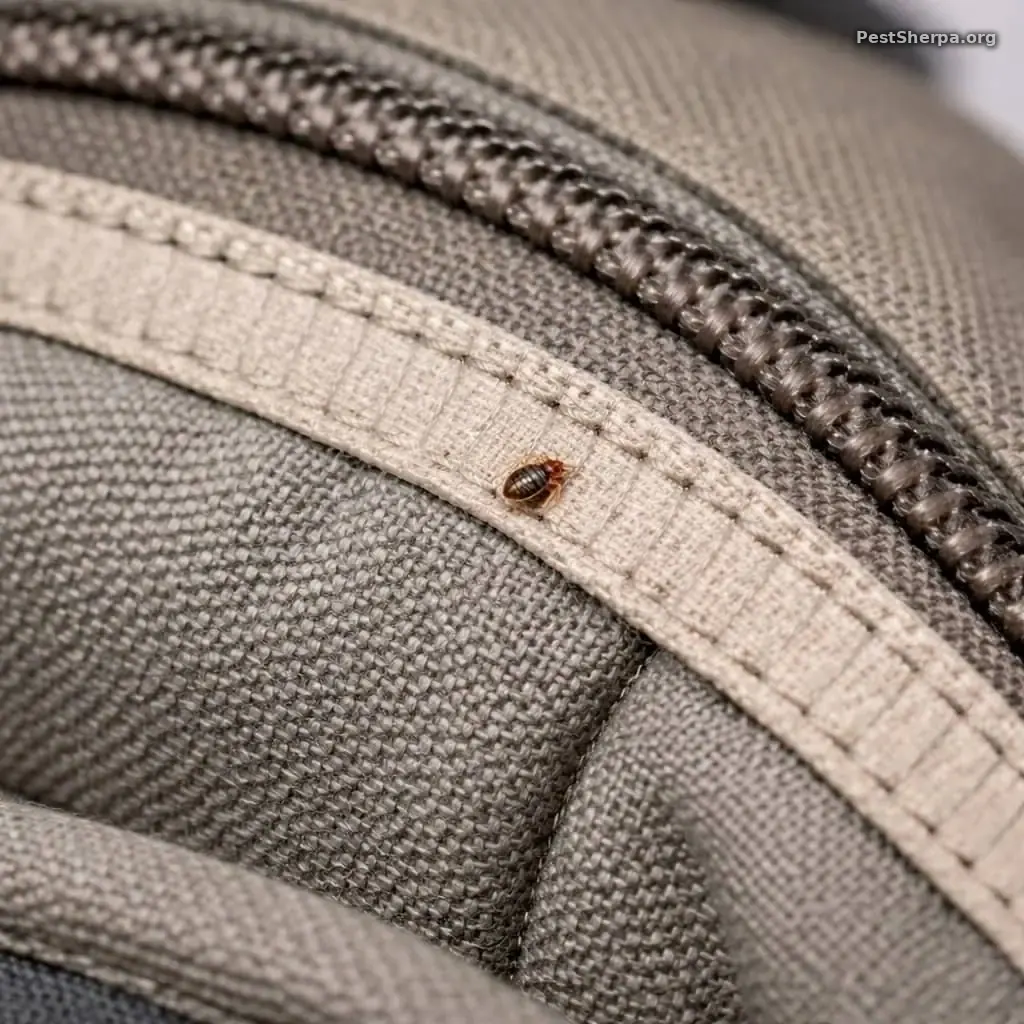
Capture and Identify the Insect
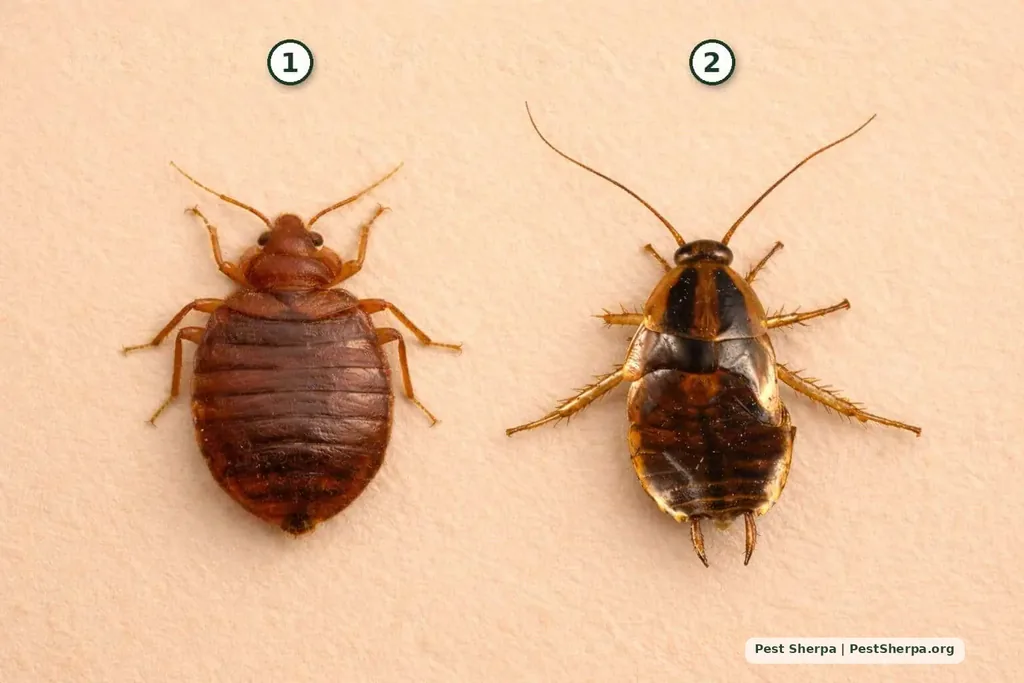
Which one did you find? Match the number:
- Bed bug: flat, oval and wingless with short antennae. Rusty brown and about the size of an apple seed.
- German cockroach nymph: long antennae, spiny legs, a pair of tail feelers (cerci) and dark bands with a pale stripe down the back.
Number 1 in a bed, mattress seam or headboard is a reason to call a licensed pro soon.
If possible, capture the insect using tape or a small container for identification.
Accurate identification is important because pest management strategies depend on correct species identification.
Environmental Cleaning
After the patient leaves the area:
- vacuum surrounding areas
- launder linens using high-temperature cycles if used
- dispose of vacuum contents in sealed bags
Heat treatment and physical removal are effective methods for eliminating bed bugs.
Notification
Environmental services or pest management professionals should be notified, and the incident should be documented according to institutional protocols.
Precautions for Healthcare Workers
Bed bug precautions for healthcare workers focus on limiting hitchhiking on uniforms, shoes, and personal bags. Follow facility PPE and linen-handling rules when they apply. Seal suspect belongings rather than carrying them open through corridors. Avoid crushing bugs on fabric (that can smear evidence and does not solve harborage). Do not take open bags of patient items home. Change and bag work clothes if policy directs it after a confirmed room find. Keep personal backpacks off beds and upholstered waiting-room chairs when practical.
Prevention and Integrated Pest Management
Integrated pest management (IPM) strategies are recommended for managing urban pests while minimizing pesticide exposure risks.
IPM emphasizes:
- prevention
- monitoring
- targeted interventions
Preventive measures for healthcare facilities include:
- staff education on bed bug identification
- reducing clutter in waiting areas
- routine inspection of upholstered furniture
- prompt response to reported sightings
Clinical Response Checklist
Immediate Actions
- Remain calm; bed bugs are not disease vectors
- Move the patient to a low-clutter room if necessary
- Place belongings in sealed plastic bags
- Avoid upholstered furniture when possible
Specimen Handling
- Capture insect using tape or container
- Label specimen with location and date
- Submit specimen for identification
Environmental Management
- Inspect nearby furniture and baseboards
- Vacuum surrounding areas
- Launder linens at high heat if used
Notification
- Notify environmental services or pest management contractors
- Document the incident according to facility protocol
Staff Communication
- Inform staff that bed bugs do not transmit infectious disease
- Emphasize passive transport as the primary introduction pathway
- Avoid stigmatizing patients
Common Questions
Is this page a substitute for facility protocol or DIY treatment?
No. Use your facility infection-control and EVS procedures first. This checklist is educational best practice for understanding bed bugs in healthcare settings. Casual DIY sprays in patient rooms are rarely appropriate and can conflict with facility policy.
What should happen to patient belongings?
When feasible, place belongings in sealed plastic bags, limit movement between rooms, and keep items off upholstered furniture. Label and route items per facility policy so EVS or pest management can inspect or treat as needed.
Can bed bugs spread in ER waiting areas?
Bed bugs move mainly by passive transport on people and belongings, not by flying across a waiting room. Brief contact in a chair can theoretically leave a hitchhiker, but established infestations usually need longer harborage opportunities. Prompt isolation of suspect items and routine inspection of high-turnover seating reduce risk without treating every visitor as contaminated.
Conclusion
Bed bugs are increasingly encountered in healthcare environments due to their global resurgence and ability to spread through passive transport. They are obligate blood-feeding insects (they must feed on blood), but they are not proven vectors of human disease. So they are mainly a nuisance rather than a public health emergency.
Healthcare professionals who understand bed bug biology and implement structured response protocols can manage introductions effectively while minimizing disruption to patient care. Education, integrated pest management, and clear communication remain the most effective strategies for addressing bed bug incidents in healthcare settings.
References
- Bonnefoy X, Kampen H, Sweeney K. Public Health Significance of Urban Pests. Copenhagen: World Health Organization Regional Office for Europe; 2008.
- Harvard Health Publishing. Bedbug invasion?
- Mayo Clinic Staff. Bedbugs: Symptoms and Causes. Rochester (MN): Mayo Foundation for Medical Education and Research.
- Cornell Integrated Pest Management. Bed Bugs
- Purdue University Extension Entomology. Insects and Ticks > Bed Bugs
- Centers for Disease Control and Prevention. Bed Bugs: Tools and Resources for Health Care Providers
This article was written by Greg Baumann, founder of Pest Sherpa, and reflects more than 40 years of professional pest management experience.
About the Author

Greg Baumann | Pest Control Expert
Greg Baumann is the founder of Pest Sherpa and a Pest Control Expert with more than 40 years of professional pest management experience. His articles combine decades of field experience, technical expertise, and science-based guidance to help homeowners identify pests correctly, understand real-world risks, and make informed pest management decisions.
Mission: Identify the pest. Understand the risk. Stop the problem. Prevent the comeback. Know when it’s time to call a professional.