
Assassin Bugs: Beneficial Predators vs Kissing Bugs
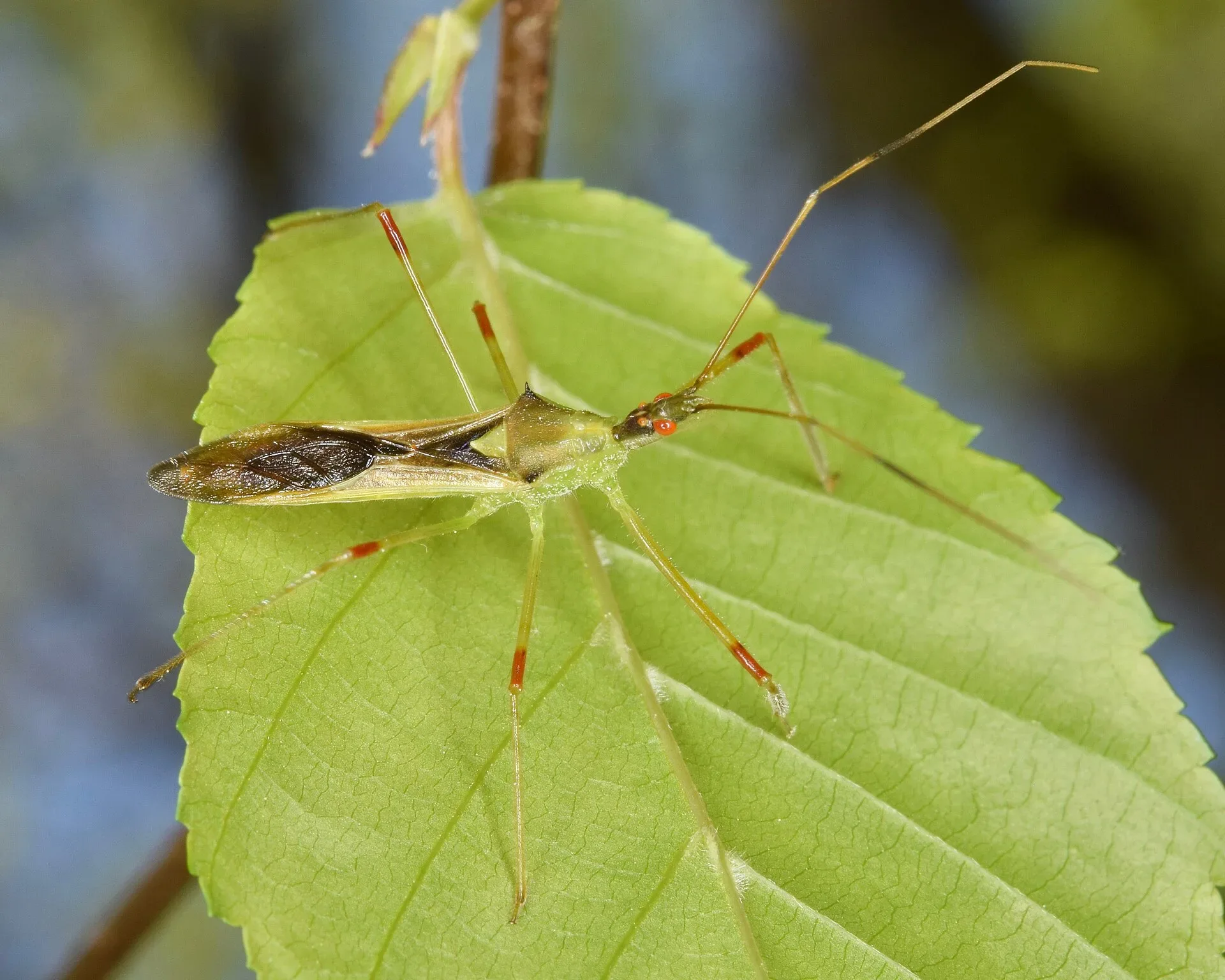
“Assassin bug” is a family name that covers both helpful garden predators and a smaller group of blood-feeding kissing bugs. Homeowners often confuse the two, and as a result they either kill a useful hunter or overlook an insect that deserves careful identification. This guide distinguishes beneficial assassin bugs from kissing bugs, explains the risk of Chagas disease as it applies in the United States, and offers practical steps for homeowners without exaggeration.
Key Points
Most of the assassin bugs homeowners encounter are beneficial predators. Wheel bugs and related species use a stout, curved beak to feed on other insects. They can inflict a painful bite if handled, but they are allies in the garden, not blood feeders in the home.
Kissing bugs (conenose bugs, Triatominae) are different. They feed on blood, have a cone-shaped head and straight mouthparts, and often show orange or yellow marks along the edge of the abdomen. In parts of Latin America they are the main vectors of Chagas disease. In the United States the parasite exists in some wildlife and some bugs, but routine home transmission is uncommon compared with endemic regions.
Leave garden predators alone, and confirm the identification before you become alarmed. Seal gaps, reduce outdoor hiding places near bedrooms, and obtain an expert identification if you genuinely suspect a kissing bug indoors.
In This Guide
- Beneficial Assassin Bugs
- Kissing Bugs
- ID Comparison Table
- Chagas Disease Risk in the U.S.
- Bites
- What To Do
- Prevention
- Frequently Asked Questions
- References
Beneficial assassin bugs
Wheel bugs, leafhopper assassins, and other predatory reduviids are common in gardens and landscapes. They stalk their prey, pierce it with a curved beak, and inject saliva that immobilizes the insect. For a gardener, that amounts to free control of caterpillars and beetles, and these insects have no interest in human blood.
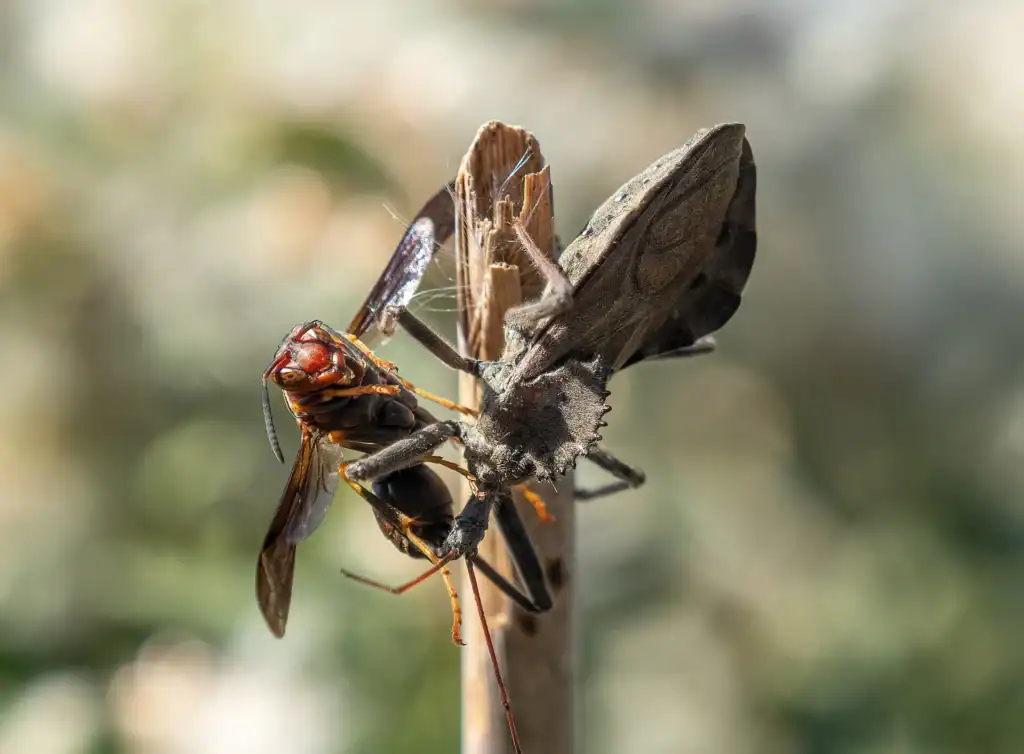
The drawback is the bite: if you pick one up, it can pierce your skin, and the pain can be sharp and persistent. That is an injury from handling, not a disease event. Teach children not to pick up large, unfamiliar insects with their fingers.
Kissing bugs (conenose bugs)
Kissing bugs are assassin bugs in the subfamily Triatominae. About eleven species occur in the United States, mainly in southern and southwestern states. The eastern bloodsucking conenose (Triatoma sanguisuga) is the species found from Texas to Pennsylvania, the western conenose (T. protracta) is the one Utah Extension discusses for the Mountain West. Kissing bugs hide during the day and emerge at night to feed on the blood of vertebrates, including wildlife, domestic animals, and occasionally humans. When feeding on people, they may bite exposed skin around the face, which accounts for their common name. [University of Maryland Extension] [Utah State University Extension] [Cornell IPM]
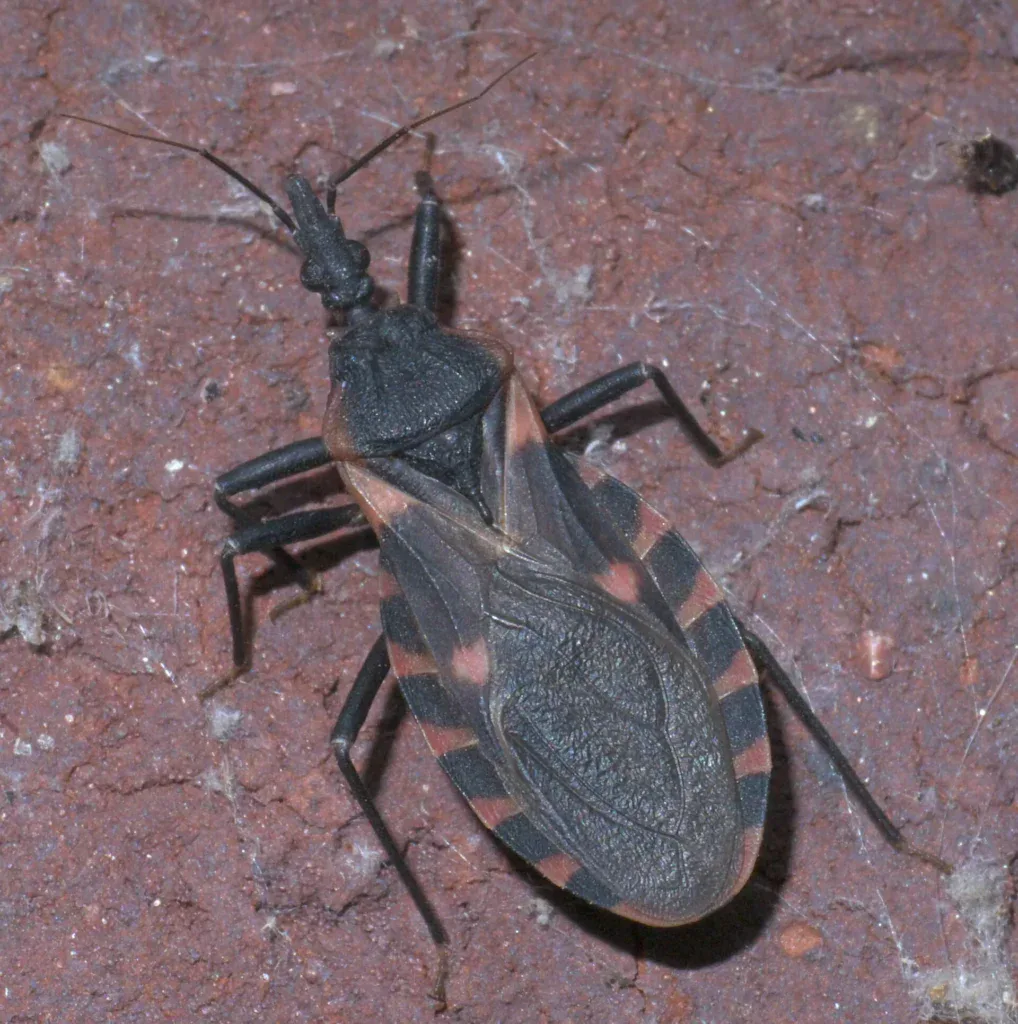
Texas A&M’s identification sheet is the clearest homeowner checklist: mostly black or dark brown; pointed cone nose; thin straight mouthparts (not curved or thick); often orange or yellow stripes along the abdomen edge; skinny legs. Stout, spiny, brightly patterned, or thick-beaked bugs are usually something else. [Texas A&M Kissing Bug Research]
ID comparison table
| Trait | Beneficial assassin bug | Kissing bug |
|---|---|---|
| Mouthparts | Thick and curved under the head | Thin and straight |
| Head | Variable; often broader | Elongated cone nose |
| Legs | Often stouter | Thin |
| Colors | Many patterns; wheel bug is gray with a crest | Usually dark; often pale edge marks |
| When active around people | Daytime garden encounters | Nighttime blood feeding |
| Diet | Other insects | Vertebrate blood |
If you are sorting through fall invaders on the siding, also compare brown marmorated stink bugs and the other species in the overwintering invaders guide. For unidentified insects, use What Bug Is This?.
Chagas disease risk in the U.S.
Chagas disease is caused by the parasite Trypanosoma cruzi. Kissing bugs spread it when infected feces are rubbed into a bite, eye, or mouth, not through the bite alone. In much of rural Latin America, house-infesting species made this a major public-health problem. [CDC: Chagas Disease] [CDC: How It Spreads]
In the United States the picture is different. About eleven triatomine species occur mainly in southern and southwestern states. Some bugs and wildlife carry the parasite, and dogs are diagnosed more often than people. Autochthonous (locally acquired) human vector-borne cases have been documented but remain uncommon compared with endemic regions of Latin America. CDC and related public-health summaries emphasize that even where infected bugs exist, the likelihood of human infection from a single encounter is low, especially in well-sealed housing. Still, take a confirmed kissing bug indoors seriously: capture for ID, talk with medical or public-health resources if you were bitten, and tighten up the house. [CDC: Triatomine Bugs in the U.S.]
University extension pages add useful regional detail. Maryland Extension has reported detections in animals without confirmed locally acquired human cases in that state as of its recent updates. Utah Extension notes that western conenose bugs often defecate away from the host, which lowers the odds of transmission relative to some Latin American species. An accurate regional perspective matters more than national alarm. [University of Maryland Extension] [Utah State University Extension]
Greg’s tip: Do not diagnose Chagas disease from a photograph of a garden assassin bug; obtain a reliable identification first. Most of the kissing bug scares I see turn out to be wheel bugs or other predators.
Bites
Beneficial assassin bugs bite when handled. The pain can be sharp and persistent because of the salivary enzymes they use on their insect prey, but it is an injury from handling, not a Chagas event.
Kissing-bug bites may go unnoticed at first, or they may itch and swell. Transmission of Trypanosoma cruzi, when it happens, is tied to infected feces rubbed into a bite, eye, or mouth, not to the bite alone. [CDC: How Chagas Disease Spreads]
If you are bitten
- Wash with soap and water.
- Use a cold pack for swelling.
- Seek care for allergic symptoms or illness after a suspected kissing-bug bite.
- Save the insect in a hard container for identification when possible.
This is general information, not medical advice. Questions about disease belong with the CDC and your physician.
What to do
- Leave beneficial assassin bugs in the garden. Wheel bugs and their relatives provide free pest control. Teach children to observe them rather than pick them up.
- Do not handle them with bare hands. If you must move one away from a doorway, use a stick, a sheet of paper, or a cup.
- If you suspect a kissing bug: contain it, photograph top and side views of the head and beak, and use extension or Texas A&M kissing-bug resources for confirmation before you escalate.
- Indoors: vacuum the insect or capture it under a cup, and concentrate on sealing gaps, maintaining screens, and attending to pet sleeping areas rather than applying broadcast sprays.
- If nymphs (wingless stages) keep appearing indoors, treat that as a possible infestation signal and call a licensed pest professional familiar with triatomines in your region. [CDC: Preventing Chagas Disease]
Sticky traps should not be relied upon as the primary method of controlling kissing bugs. Their principal value is monitoring insect activity. Exclusion, habitat modification, and professional assistance when necessary are more dependable management approaches.
At nights when unfamiliar insects gather at the porch light, an integrated pest management approach helps: identify first, preserve the predators, and tighten the building envelope. If you have questions, Ask the Sherpa.
Prevention around the home
- Seal gaps around windows, doors, utility lines, and screens.
- Reduce harborage such as woodpiles, rock piles, and clutter against the foundation.
- Manage outdoor lighting that draws insects to doors at night.
- Keep pet resting areas clean, since some kissing bugs feed on pets and wildlife near homes.
- Sealing the house in the fall also addresses the other invaders described in the overwintering invaders guide.
If you need a professional for a broader problem with insects entering the home, see How to hire a licensed pest control company.
Wheel bugs and garden encounters
Wheel bugs are the assassin bugs most gardeners recognize: large and gray, with a cog-like crest on the thorax. They look prehistoric and move slowly. People are bitten when they try to move one with bare hands or lean on a railing where one is resting, so use a stick instead. They are well worth keeping near tomato hornworms and other chewing pests.
Cornell IPM advises residents of the Northeast that true kissing bugs are unlikely to be established there and that beneficial look-alikes account for most sightings. Homeowners in the South and Southwest should take blood-feeding insects found indoors at night more seriously, and should rely on state resources such as Texas A&M’s kissing bug program for confirmation. [Cornell IPM] [Texas A&M Kissing Bug Research]
When fall insects gather on sunny walls, assassin bugs can appear among stink bugs and boxelder bugs. Sort them by mouthparts and head shape before you assume the worst.
Regional realism for U.S. homeowners
The number of kissing bug species, and the likelihood of encountering them, increases as you move into Texas, Arizona, New Mexico, and neighboring southern states. Residents of the eastern states may occasionally encounter Triatoma sanguisuga, while those in the far northern states mostly encounter beneficial reduviids and online rumors. Match your level of concern to your region and to an actual specimen, not to a national headline. [University of Maryland Extension] [Utah State University Extension] [Cornell IPM]
Texas A&M operates a dedicated kissing bug research and reporting program that homeowners in endemic states should know about. Photograph the profile of the beak, because a straight, thin beak versus a curved, thick one is the decisive distinction. [Texas A&M Kissing Bug Research]
Pets, wildlife, and parasites
In some regions, dogs test positive for T. cruzi more often than people do, in part because they sleep outdoors and are exposed to wildlife. That does not mean every assassin bug in the yard threatens the dog, but it does mean that veterinarians in endemic areas take compatible symptoms seriously. Wildlife hosts sustain the parasite even where human cases remain rare. [CDC] [University of Maryland Extension]
Pet owners should still discourage their animals from eating insects and, in areas of high pressure, should have pets sleep indoors. Exclusion that keeps insects out of bedrooms protects people and pets alike.
An IPM mindset for mixed bug nights
On warm nights, porch lights collect a sample of the local insect population: moths, beetles, stink bugs, and the occasional assassin bug. Sorting that collection with a cup and an identification key is far better than spraying the siding. For recurring fall invaders, secure the house using the same approach described in the overwintering invaders guide: screens, door sweeps, sealed eaves, and lighting that attracts fewer insects.
If you want a professional inspection for chronic indoor invaders, bring photographs and specimens. Our Hiring guidance applies to occasional-invader work just as it does to cockroach control.
Specimen handling and photo tips
Use a clear jar and a stiff sheet of paper. Photograph the insect from above and from the side at head level so that the shape of the beak is visible, and include something for scale. If you suspect a kissing bug, do not crush it on the bedspread, because doing so can smear potentially infected feces into the fabric. Freeze the jar if you need to keep the specimen for identification by your extension office.
The University of Maryland and Utah State University both encourage formal confirmation rather than guesswork. CDC pages are intended for education about the disease once you know what bit you, not for diagnosing a blurry photograph from the porch. [University of Maryland Extension] [Utah State University Extension] [CDC]
Garden predators can remain part of what you teach children: some insects with frightening names help the tomatoes. That message keeps wheel bugs alive while still leaving room for appropriate respect toward confirmed kissing bugs in the Southwest.
Common questions about assassin bugs
Are assassin bugs dangerous?
Most of the assassin bugs homeowners see are beneficial predators of other insects. They can bite if handled, and the bite can be painful, but they do not feed on blood and do not transmit Chagas disease.
Assassin bug vs kissing bug?
Kissing bugs are a blood-feeding subgroup of assassin bugs (Triatominae). Beneficial assassin bugs have thicker, curved mouthparts and often broader bodies. Kissing bugs have a cone-shaped head, thin straight mouthparts, and often orange or yellow edge markings.
Can I get Chagas disease in the U.S.?
Locally acquired, vector-borne transmission is rare in the United States compared with Latin America. Some kissing bug species in the United States carry Trypanosoma cruzi. Research indicates that several native species generally defecate later after feeding than important Latin American vectors, reducing, but not eliminating,the likelihood of transmitting the parasite. Locally acquired human cases remain uncommon.
Do assassin bugs bite people?
Beneficial species bite mainly when they are picked up or trapped against the skin, while kissing bugs bite at night to obtain blood. Either bite can cause local swelling, and allergic reactions are possible.
Should I kill assassin bugs in my garden?
No. For gardeners, these predators provide a natural contribution to insect control by feeding on caterpillars, beetles, and other insects, although their presence alone seldom provides sufficient pest suppression.
What should I do if I find a kissing bug in my house?
Do not crush it with your bare hand. If you can, capture it in a container, photograph it, and contact your local extension office or public health resources for help with identification. Seal entry gaps and reduce harborage around the home.
Why is it under overwintering invaders?
Some assassin bugs and their look-alikes appear on siding and indoors during warm spells or in the fall, alongside other occasional invaders. This page is grouped with that hub so that homeowners comparing stink bugs and boxelder bugs can also rule kissing bugs in or out.
Send a clear photograph to Ask the Sherpa if you would like a second opinion.
References
- CDC: Chagas Disease
- University of Maryland Extension: Kissing Bugs
- Utah State University Extension: Western Conenose Bug (Kissing Bug)
- Cornell IPM: Kissing Bug
- Texas A&M Kissing Bug Research: Identification Sheet
This article was written by Greg Baumann, founder of Pest Sherpa, and reflects more than 40 years of professional pest management experience.
About the Author

Greg Baumann | Pest Control Expert
Greg Baumann is the founder of Pest Sherpa and a Pest Control Expert with more than 40 years of professional pest management experience. His articles combine decades of field experience, technical expertise, and science-based guidance to help homeowners identify pests correctly, understand real-world risks, and make informed pest management decisions.
Mission: Identify the pest. Understand the risk. Stop the problem. Prevent the comeback. Know when it’s time to call a professional.