
Cricket Guide: Identification, Risk, and What to Do
Crickets in a home are usually a nuisance story first: nighttime chirping, a startle jump in a damp basement, or a few insects that wandered in under a door. This guide covers the three home invaders extension sources discuss most often: camel (cave / “spider”) crickets, field crickets, and house crickets; how to tell them apart, what risk actually looks like, and an exclusion-first IPM sequence. It is not a grasshopper or katydid deep dive, and it is not a rewrite of moisture remediation for damp spaces.
TL;DR
- Nuisance first. Chirping, presence, and damp-basement sightings drive most complaints. Fabric chewing is conditional on numbers and species, and often goes unnoticed unless dozens are present (UMD).
- Only house and field males chirp. Camel / cave / spider crickets are wingless adults and typically silent. Chirping indoors points to house or field. NC State’s practical rule: likely field, not camel.
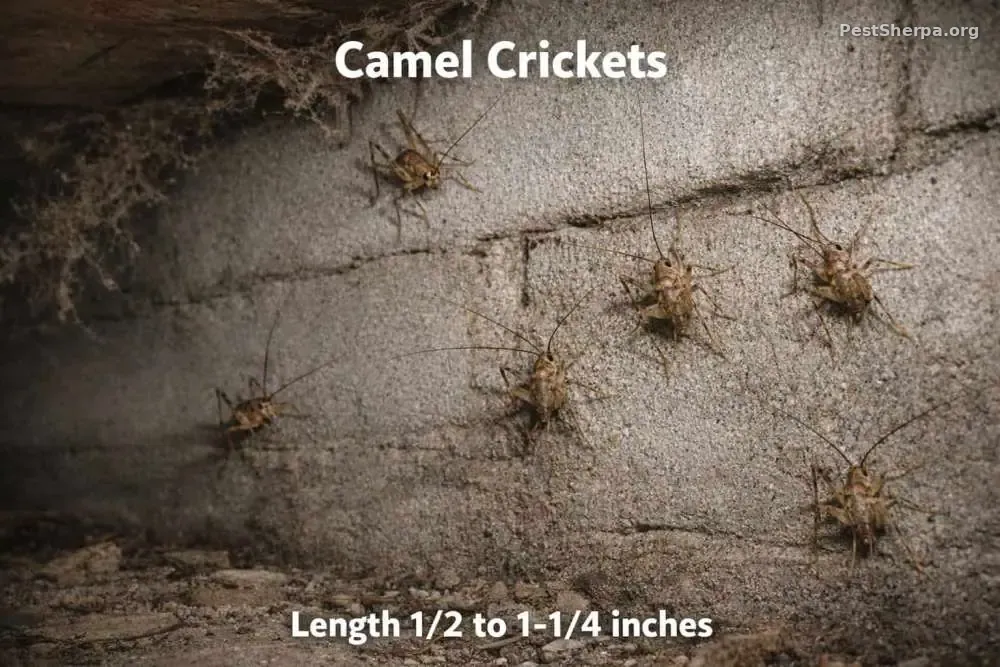
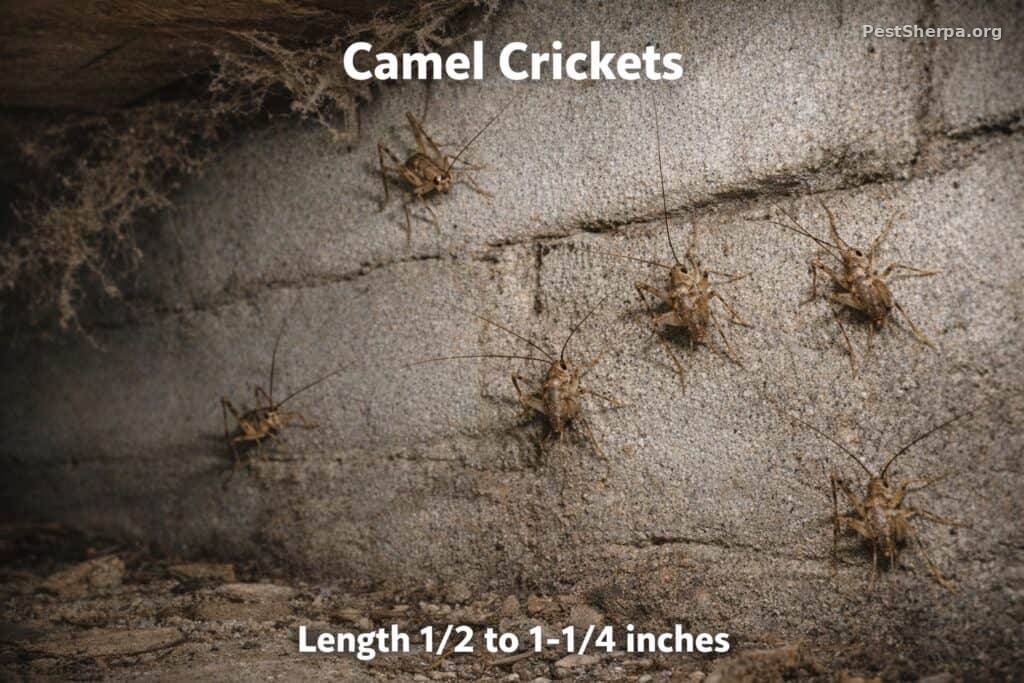
- ID in one glance: humpbacked + very long legs/antennae = camel; shiny dark with wings = field; light yellow-brown with three dark head bands = house.
- IPM order: seal entry points → cut lights (field/house) and moisture (camel) → sanitation → vacuum / sticky traps → labeled pesticides last.
- Moisture cross-note for camel: leaks, dehumidifiers, and crawlspace ventilation matter; use the Moisture Pest Guide for deep remediation. This hub stays cricket-focused.
How to Identify Crickets
Three groups show up in home advice from university extension and NPMA materials. Use body shape, color, wings, and whether anything is chirping, not a single vague “brown cricket” label.
Camel / cave / “spider” cricket (Rhaphidophoridae)
Humpbacked profile, head often bent downward, light tan to dark brown and often mottled. Adults are wingless and typically silent. Extremely long antennae and enlarged hind legs give a spider-like look, hence “spider cricket”, but they are six-legged insects (Orthoptera), not arachnids. Typical indoor niche: cool, damp basements, crawl spaces, and garages. They are not attracted to lights (MU; UMN).
Naming varies by source. MU Extension, NPMA, and UMD frame native pest camel crickets as mostly Ceuthophilus spp. NC State highlights a greenhouse stone cricket named Tachycines asynamorous (spelling as on that page) as a frequent indoor nuisance. Missouri Department of Conservation names a greenhouse camel cricket Diestrammena asynamora (apparently originated in China; basements, sheds, greenhouses). Report those namings as published; do not assume they are the same species unless a verified source says so.
Field cricket (Gryllus spp.)
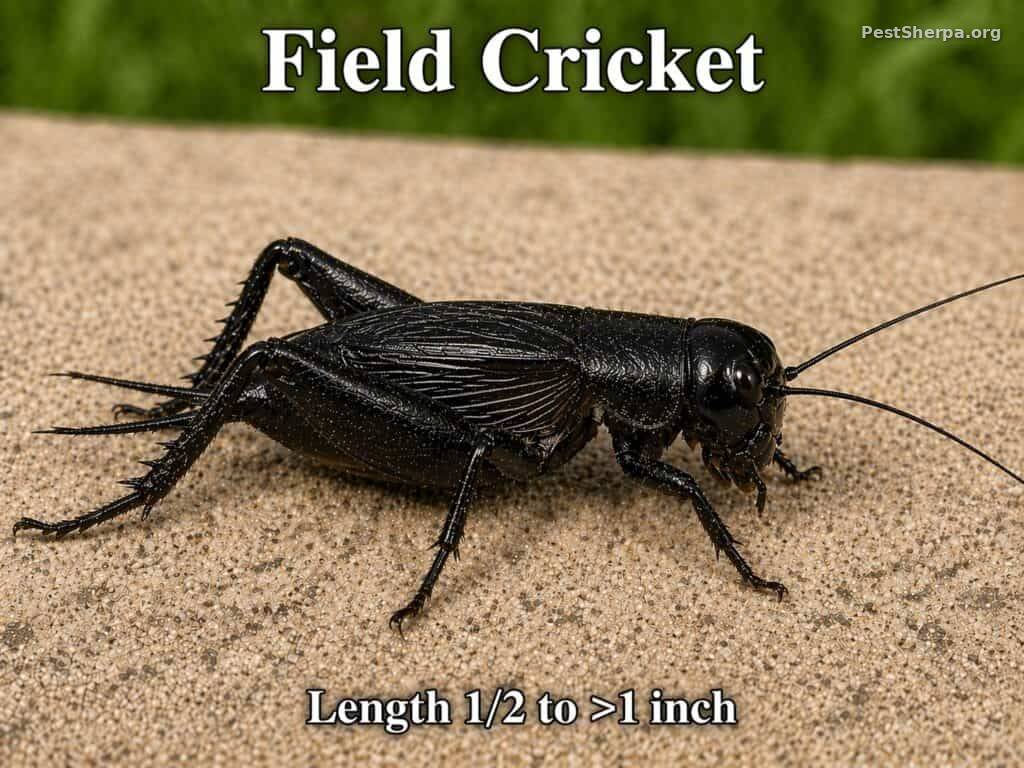
Robust, usually shiny black or dark brown, with wings. Males chirp by rubbing the front wings. Strongly attracted to lights; often wander indoors in fall as nights cool. Outdoors they live in fields, yards, and grassy edges; indoors they may show on lower floors or in basements after entry.
House cricket (Acheta domesticus)
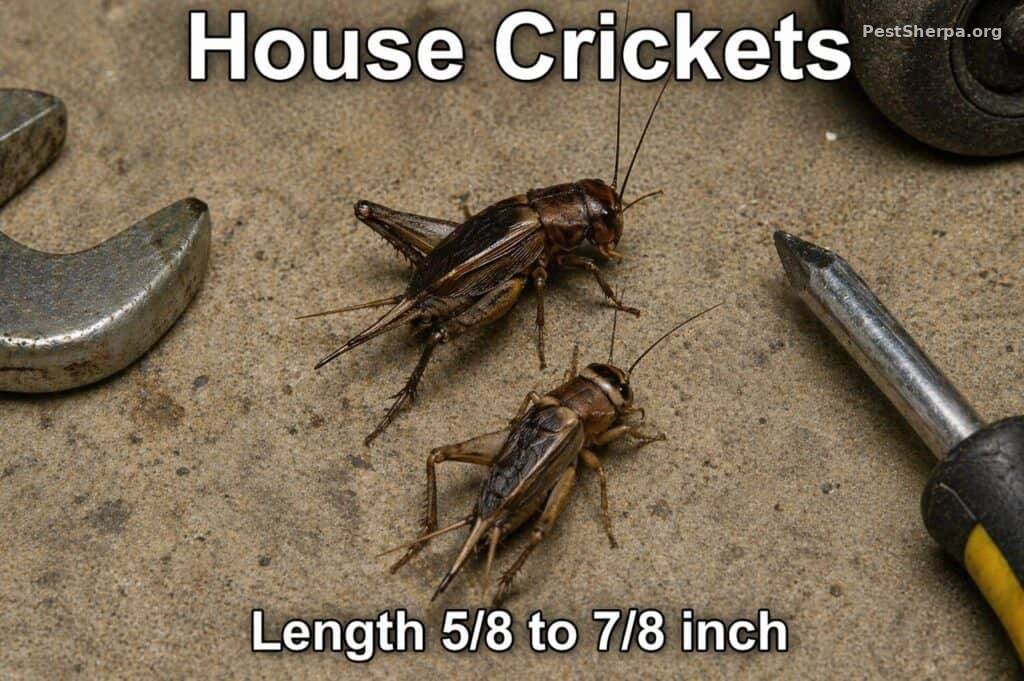
Light yellowish-brown to tan overall, with three dark transverse bands on the head, the ID most university sources agree on (UMD; MU; UF Featured Creatures; MDC). Wings cover or extend beyond the abdomen; males chirp. Prefer warmth; can appear in many rooms once inside. One UF/IFAS fact sheet (ENY-230) also allows “solid, shiny black” for some adults; prefer the multi-source banded yellow-brown description when those readings conflict.
Quick comparison
- Shape / wings / sound: humpbacked, wingless, silent (camel) vs robust dark, winged, males chirp (field) vs slender tan with head bands, winged, males chirp (house).
- Lights: field and house attracted; camel not.
- Moisture cue: repeated camel finds often mark damp harborages more than a “dirty house.”
Risk
Lead with what homeowners actually notice: chirping at night, startling jumps, and insects in damp spaces. Minnesota Extension frames common home crickets as usually a nuisance, not a serious household pest with major property damage. They are not known disease vectors in the extension materials opened for this guide.
Fabric and soft-goods chewing is real in the literature but conditional. University of Maryland notes that house and field crickets may chew wool, silk, cotton, linen, and similar fibers, especially soiled cloth, yet unless dozens are present, damage usually goes unnoticed. Minnesota Extension says house crickets can cause severe fabric damage if numerous, and field crickets indoors may chew cotton, linen, silk, and wool. For camel crickets, Minnesota says they rarely feed on fabrics (sometimes paper); NC State and Clemson note camel chewing on garments, linens, or plants can matter when numbers are high or food is scarce; Missouri Extension says camel crickets often stay in basement or crawl space and seldom damage items. Attribute those claims to the source and species group. Do not upgrade every sighting into structural loss.
Indoor breeding is another attributed split: Maryland Extension says house and camel crickets may reproduce indoors; Missouri Extension, Minnesota Extension, and Missouri DOC treat indoor reproduction as rare or unlikely without continuous dark moisture for camel. Most pest crickets still wander in from outside.
What to Do (IPM)
Extension pages converge on the same order: exclude first, then reduce harborage, moisture, and lights; remove insects physically; use chemistry last and only as labeled.
Exclusion. Seal gaps under doors, weatherstrip, and repair screens. Caulk foundation cracks, utility penetrations, dryer vents, and other openings. Screen crawlspace vents where appropriate. Most indoor crickets arrive through those pathways.
Lights (field and house). Reduce unnecessary porch and yard lighting; close shades at night when lights are on indoors. Yellow “bug” bulbs are less attractive than white lights in several extension checklists. Camel crickets are not light-driven: light changes alone will not solve a basement camel problem.
Moisture (camel-critical). Fix leaks, dehumidify or improve airflow in damp basements and crawl spaces, and pull outdoor moisture harborages away from the foundation (mulch/groundcover, firewood, debris, tall vegetation). That moisture work is essential for camel pressure; for the full damp-building remediation narrative, use the Moisture Pest Guide rather than duplicating it here.
Sanitation, traps, then chemistry last. Clear leaf piles, lumber, brick stacks, and clutter near the foundation; elevate garbage cans; reduce cardboard and stacked boxes on basement floors. Vacuum living and dead crickets (remove carcasses so they do not feed other scavengers). Glue boards near activity areas, especially camel zones, are repeatedly recommended. Prefer outdoor perimeter approaches while exclusion and sanitation continue. Indoor sprays, if used at all, belong with large populations or when stored textiles are genuinely at risk, and only with a product labeled for crickets and the site. Minnesota Extension notes pesticides are generally not effective or necessary indoors for typical cricket cases. The label is the current rule; do not rely on obsolete historical product lists.
When to Call a Professional
Most household cricket problems respond to sealing, moisture and light management, sanitation, and traps. A licensed professional is a reasonable next step when invasions continue after those steps, when crawlspace or void treatments are needed, when you prefer not to apply pesticides yourself, or when large numbers threaten stored garments or plants. That is educational triage, not a sales pitch.
Look-Alikes (Brief)
- Cricket vs cockroach: crickets have enlarged jumping hind legs and a more cylindrical body; cockroaches are dorsoventrally flattened and scurry rather than jump or chirp (UNL historical extension; common confusion with Oriental cockroach).
- Chirping basement ≠ camel: if it sings, sources point to house or field males, not wingless camel crickets.
- Grasshopper / katydid: same order (Orthoptera). Grasshoppers usually have shorter antennae and are often daytime-active outdoors; katydids differ in song and leaf-mimic habits. Neither is the usual damp-basement “spider cricket” presentation.
Species Guides
Deep biology and control notes live on the member pages:
- Camel Crickets: Identification, Biology, Habits, and Control (includes cave / “spider” cricket framing)
- House Crickets: Identification, Biology, Habits, and Control
- Field Crickets: Identification, Habits, and Control
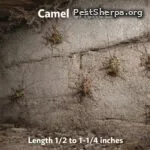
Camel Crickets: Identification, Causes, and What to Do
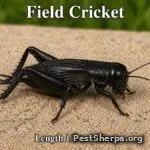
Field Crickets: Identification, Habits, Entry Points, and Control
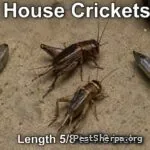
House Crickets: Identification, Chirping, and What to Do
Common Questions
Are spider crickets spiders?
No. “Spider cricket” is a nickname for camel / cave crickets (family Rhaphidophoridae) based on long legs and antennae. They are insects with six legs, not arachnids.
Why do crickets chirp at night?
Male house and field crickets rub specialized front-wing structures (stridulation) to call, court, or warn rivals. Many are nocturnal, so the sound is most noticeable after dark. Camel crickets do not chirp. Chirp-to-temperature formulas (UMD rule of thumb; MU ties Dolbear’s law to the snowy tree cricket) are not a universal house/field thermometer.
References
- University of Maryland Extension: Crickets
- NC State Extension: Camel Crickets
- Clemson Cooperative Extension HGIC: Camel Crickets
- University of Missouri Extension: G7366 House-Invading Crickets
- University of Minnesota Extension: Crickets
- NPMA PestWorld: Camel Crickets
Identify first, then seal and dry the spaces that keep inviting them in. That sequence solves more cricket nights than spraying ever will.
This article was written by Greg Baumann, founder of Pest Sherpa, and reflects more than 40 years of professional pest management experience.
About the Author

Greg Baumann | Pest Control Expert
Greg Baumann is the founder of Pest Sherpa and a Pest Control Expert with more than 40 years of professional pest management experience. His articles combine decades of field experience, technical expertise, and science-based guidance to help homeowners identify pests correctly, understand real-world risks, and make informed pest management decisions.
Mission: Identify the pest. Understand the risk. Stop the problem. Prevent the comeback. Know when it’s time to call a professional.