
Bed Bug Facts vs Fear: What Spreads Them, What Doesn’t, and What Bites Look Like
Key Points
- Misconception busted: bed bugs are not a measure of cleanliness. They arrive as hitchhikers.
- Misconception busted: they do not jump or fly, and they have not been shown to transmit disease in the home.
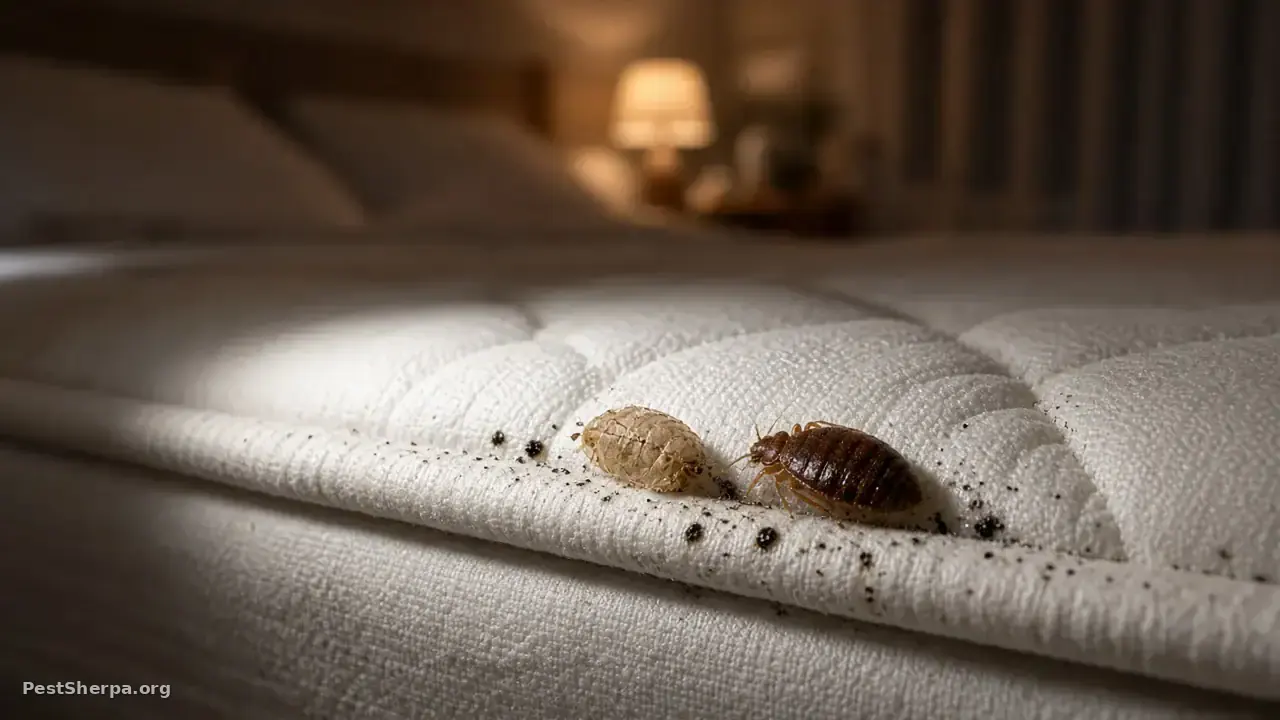
- What matters: reactions to bites vary widely, so look for the insects, fecal spots, and shed skins rather than relying on welts alone.
- Recommended approach: inspect sleeping areas, protect your luggage, and use the linkable facts box if you cite this page.
In This Guide
- Why fear outruns facts
- Myth: dirty homes
- Fact: hitchhiking
- Myth: they jump
- Fact: bites vary
- Myth: they spread disease
- Fact: hard signs
- Myth: bedroom bombs
- Fact: heat and process
- What to do this weekend
- When to call a pro
- Linkable facts
- FAQ
- References
Fear of bed bugs tends to run well ahead of their biology. Social media turns every itchy night into a horror story, and survey statistics about hotels and apartments get repeated without the practical steps that actually reduce risk. I served as the pest control industry’s national media spokesperson on bed bugs and co-authored the bed bug chapter of a United Nations public health publication, and the questions I hear today are much the same ones I heard when bed bugs resurged in the late 1990s. This guide separates fear from fact: how they spread, what bites look like (and what they do not), and when to escalate. Read it alongside signs of bed bugs, the hotel inspection checklist, and the traveler checklist.
Why bed bug fear outruns the facts
Bed bugs carry outsized emotional weight because they invade the place where we and our children sleep. That weight invites myths about dirty homes, leaping attacks, disease, and miracle foggers. The CDC and EPA take a calmer position: identify the insect, reduce clutter near beds, launder, and use proven methods. [CDC] [EPA] [UC IPM]
MISCONCEPTION
“Bed bugs mean you keep a dirty home”
The evidence: bed bugs are interested in two things, a blood meal and a hiding place close to people. They infest the most expensive lodging just as readily as the least expensive, and they turn up in spotless apartments. Clutter gives them more places to hide, but dirt is not what brings them in.
Embarrassment delays the call for help, and every week of delay works in the insects’ favor. Set the embarrassment aside, conduct a careful inspection, and act on what you find.
Our guide to Bed bugs in apartments addresses the realities of shared walls.
WHAT THE EVIDENCE SHOWS
Luggage, used furniture, and adjoining units move bed bugs
The unglamorous truth is that introductions happen through travel gear, secondhand sofas, theater seats, and the wall voids of multi-unit buildings. That is why hotel inspections and disciplined luggage habits matter far more than scrubbing every floorboard after a single trip.
Make hotel inspection habits and the traveler checklist steps part of every trip, not only the ones that follow a scare.
MISCONCEPTION
“They jump on you from the floor”
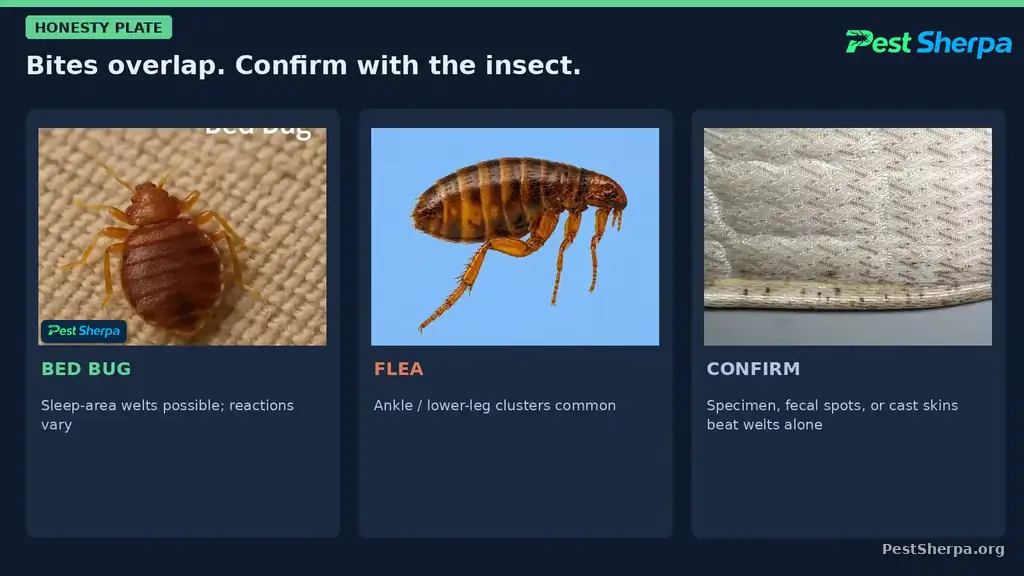
The evidence: adult bed bugs crawl. They do not jump like fleas or fly like mosquitoes, so if something is leaping, you are most likely dealing with fleas rather than bed bugs.
Concentrate your search on mattress seams, tufts, headboards, baseboards, and furniture joints, which is where bed bugs actually harbor. Watching the middle of the room for jumping insects will likely waste your time.
WHAT THE EVIDENCE SHOWS
Bite reactions are personal; welts are not a reliable census
Some people develop itchy welts, others barely react at all, and the reaction can be delayed by days, or happen nearly immediately. That is why “no one else is being bitten” does not clear a room, and why bites alone are weak evidence.
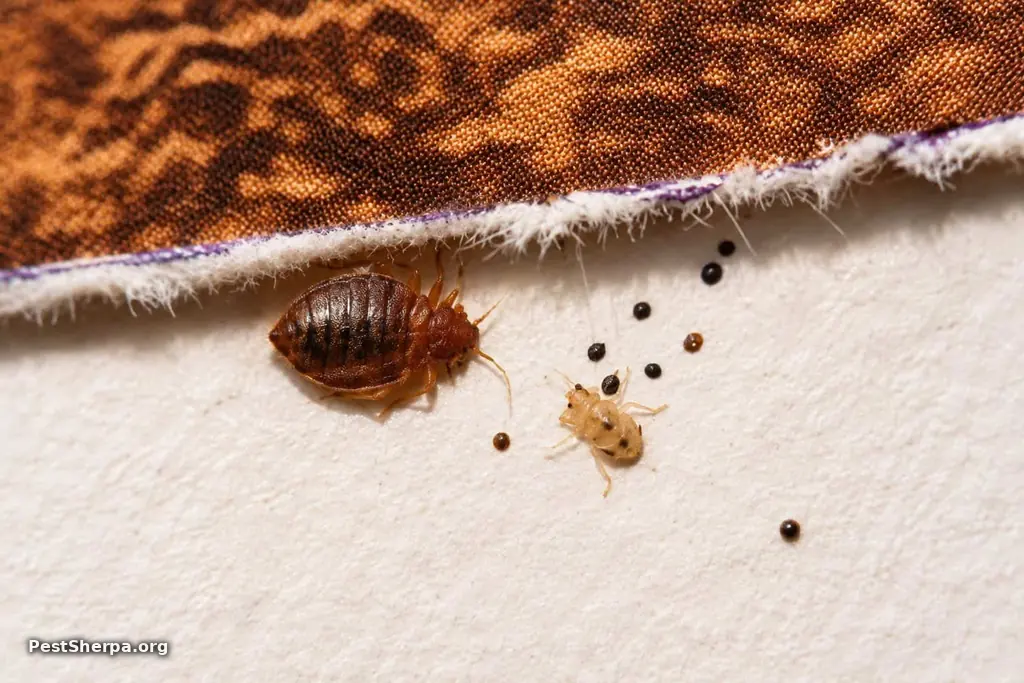
Look instead for physical evidence of the insect itself: live bed bugs, dark fecal spots, cast skins, and eggs tucked into seams. Eggs are very tiny and would usually require magnification to see them. Think like a bed bug, which must stay close to a sleeping person for its blood meal, and the likely hiding places become obvious. Don’t rule out rooms other than bedrooms where people spend a lot of time. [CDC] [UC IPM]
MISCONCEPTION
“Bed bugs spread disease like mosquitoes”
The evidence: public health authorities have not established bed bugs as transmitters of disease to people in ordinary household settings. They are nonetheless considered public health pests, and that does not make them harmless. Lost sleep, anxiety, and secondary skin problems from scratching are reason enough to treat.
When you write about bed bugs or cite them, keep the claim precise. Overstating the disease risk erodes trust in the advice that does matter.
See the CDC about bed bugs page.
WHAT THE EVIDENCE SHOWS
Hard signs beat rumor: bugs, spots, skins, blood flecks
A thorough inspection finds evidence in mattress seams, bed frames, nightstand drawers, upholstery welts, and nearby baseboards. I always tell people to look at the bed as a unit and to inspect the headboard first, because it is a prime location that many people overlook. A flashlight and patience accomplish far more than panic buying.
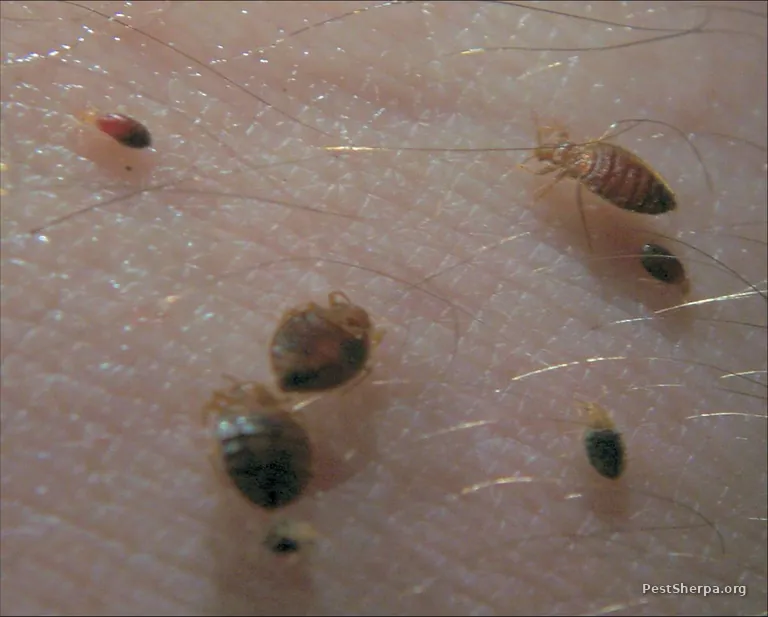
Work through signs of bed bugs before you discard any furniture. Most furniture can be treated, and dragging infested pieces to the curb can spread bed bugs to the hallway, the curb, and the collection truck.
MISCONCEPTION
“Treat the bedroom with a fogger and the problem is solved”
The evidence: total-release foggers do not resolve bed bugs hiding deep in seams and voids. They can scatter the insects and add chemical exposure without achieving control.
The EPA and the state extension services consistently steer people toward integrated methods. When a product promises a one-can solution, treat that promise as marketing.
WHAT THE EVIDENCE SHOWS
A sound process outperforms any single product: heat, laundering, encasements, and follow-up
Properly applied lethal heat, hot laundering and drying of infested textiles, mattress encasements, clutter reduction, and scheduled follow-up visits form the backbone of an effective program. Homemade pesticide mixtures are how rooms end up contaminated and still infested. I have seen a bedroom where the mattress and headboard were coated in white powder from an occupant’s attempt at self-treatment, and the risk was too high for us to provide service. Bed bug work really is a job for the professional.
A professional earns the fee through the quality of the inspection and the follow-through, not through the number of foggers deployed. In fact, most of the time spent by the professional should be inspection and then treatment, and they rarely use foggers. [EPA] [UC IPM]
MISCONCEPTION
“If I leave for two weeks they will starve out”
The evidence: under many household conditions, bed bugs can survive long periods without a blood meal. An empty guest room is not automatically a clear one.
Inspect and treat the room on its own merits. A vacation, however long, is not a substitute for a control plan.
WHAT THE EVIDENCE SHOWS
Used furniture is a classic unpaid introduction
Curbside couches and bargain bed frames are frequent sources of introduction. Inspect the seams outdoors with a flashlight before anything enters the bedroom, and when in doubt, pass on the purchase. Saving $200 becomes expensive if it buys a three-visit treatment. My advice on secondhand mattresses and box springs is simple: never buy them. In fact, some local governments prohibit reselling used mattresses and box springs.
Travel habits that prevent introductions without paranoia
There is no need to cancel your travel plans. What you need is a brief routine: inspect the headboard and mattress seams before you unpack, keep luggage closed and on a rack or in the bathroom, and when you return home, unpack in the garage or on the patio and inspect everything before it goes to the bedroom. Launder all of the clothing you packed, even the items you did not wear. The hotel inspection and traveler checklist pages turn that routine into habit.
Used furniture deserves the same discipline. Inspect it outdoors, and pass on anything with heavily damaged stitching, dark spotting in the seams, or an odor you find yourself explaining away. A bargain that fails this check is not a bargain.
What NPMA-style statistics are useful for (and what they are not)
Industry surveys on where professionals encounter bed bugs (homes, apartments, hotels) are valuable for risk awareness, but they are not a diagnosis of your bedroom. Likewise, figures such as “one in five Americans knows someone who has had bed bugs” are conversation starters, not evidence that your welts came from bed bugs.
Use statistics to justify good inspection habits, and use specimens and fecal spots to justify treatment. Keep those two purposes separate when you write, teach, or reassure an anxious family member. When there is a report of the top bed bug locations, it is usually based on sales by a pest control company in that area (the company which released the press release) and is not statistically significant, so don’t panic; just always be vigilant.
Apartment walls and blame games
In multi-unit buildings, bed bugs travel through wall voids, electrical outlets, and furniture that moves between units. Embarrassment and secrecy keep infestations alive. Our guide to Bed bugs in apartments covers the realities of shared walls. Document what you find, notify management, and ask for service that accounts for the whole building rather than resorting to quiet do-it-yourself chemical treatments that push bed bugs into a neighbor’s unit.
If you rent, keep every message. Photographs of live bed bugs and fecal spots carry more weight than descriptions. Never leave a mattress at the curb without wrapping it first, or the next apartment inherits your problem. Some municipalities also require that discarded mattresses be slit to prevent reuse, so check your local disposal rules.
Heat, cold, and consumer-grade shortcuts
Heat is effective only when a lethal temperature reaches the insects in their harborage and is held there long enough. A space heater aimed at a mattress without monitoring is how people start fires and still miss the cracks. Professional heat treatments exist because containment and temperature sensors matter. Freezing small items, double bagged, can help with isolated belongings, provided the temperatures and exposure times are genuine rather than hopeful. For items that can tolerate it, a clothes dryer on high heat for at least fifteen minutes is a practical tool.
Steam can be useful along edges and seams when applied carefully, but it is not a solution for an entire apartment. Combine physical methods with disciplined inspection, and avoid gasoline, mothballs, and essential-oil foggers, none of which are appropriate or effective.
Talking to kids and guests without spreading panic
Use calm, accurate language: bed bugs crawl, they travel as hitchhikers, we are inspecting and laundering, and no one is to blame. Panicked packing that moves untreated belongings into a friend’s car is exactly how bed bugs travel through social circles.
If you need a single deep link for a school nurse’s flyer or an apartment notice, use the linkable facts box. Keep any statements about disease measured and consistent with CDC guidance.
Encasements and what they actually do
Quality encasements for the mattress and box spring trap any bed bugs already inside and make new evidence easier to see on the smooth surface. You may have noticed that many hotels have replaced box springs with solid platforms, because a box spring has so many concealed areas that it is almost impossible to inspect with full confidence. An encasement is not a whole-room treatment, however: bed bugs elsewhere in the room can still bite. Zip it carefully so you do not tear the seam you paid for.
Combine encasements with laundering, inspection, and a genuine treatment plan. An encasement installed on the first day is not a certificate of clearance.

What to do this weekend
- Conduct a calm, methodical inspection using signs of bed bugs as your checklist.
- Pull the bed away from the wall, start with the headboard, and check seams, screw holes, and nightstand drawers.
- Bag the bedding and nearby clothing, then launder and dry it on the hottest settings the fabric allows.
- Install quality mattress and box-spring encasements if you find evidence.
- Stop shopping for foggers. Photograph the evidence and call a professional if you confirm live bed bugs.
When to call a professional (and when your own efforts are enough)
Inspection and laundering by the homeowner are always worthwhile. Do-it-yourself chemical control, on the other hand, often fails and can make professional work harder or even impossible. Call a licensed provider when you confirm live bed bugs, when you live in multi-unit housing, or when bites and evidence continue after careful preparation. Our Hiring guidance explains how to ask about heat options, follow-up visits, and preparation instructions. If a company proposes applying insecticide to the mattress itself, ask what other options are available, and then decide whether it is acceptable to you to have your mattress treated.
More from Pest Sherpa: bed bug hub, hotels, apartments, and the traveler checklist.
Linkable facts
Concise, cite-ready statements. Deep-link this box with #linkable-facts or link a single line with #lf-1 through #lf-6.
- LF1. Bed bugs have not been shown to transmit disease agents to people under normal household conditions, but bites and lost sleep are genuine harms.
- LF2. Bed bugs travel on luggage, used furniture, and through shared walls; their presence is not a judgment on housekeeping.
- LF3. Adult bed bugs neither jump nor fly; they crawl and hide in seams, cracks, and clutter near sleeping areas.
- LF4. People react to bites differently, so the absence of welts does not prove that a room is free of bed bugs.
- LF5. Heat, thorough inspection, and encasements are far more effective than foggers or attempts to “bomb the bedroom.”
- LF6. Early signs include live bugs, dark fecal spots, cast skins, and blood flecks on sheets.
Deep-link #linkable-facts for the full citation block, or #fact-bites and #myth-disease for specific claims.
Suggested citation: Greg Baumann, Pest Control Expert, Pest Sherpa. “Bed Bug Facts vs Fear: What Spreads Them, What Doesn’t, and What Bites Look Like.” https://pestsherpa.org/pest-guide/bed-bugs/bed-bug-facts-vs-fear/ (deep-link https://pestsherpa.org/pest-guide/bed-bugs/bed-bug-facts-vs-fear/#linkable-facts).
Frequently asked questions
Do bed bugs jump onto you?
No. Bed bugs crawl, and people frequently confuse them with fleas, which do jump. Concentrate your inspection on seams, edges, and crevices rather than watching for insects in the air.
Do bed bugs mean my house is dirty?
No. Bed bugs feed on blood and hide close to people. Clutter gives them more places to hide, but immaculate rooms still receive introductions through travel and used furniture.
Can bed bugs give you a disease?
Research to date has not shown bed bugs to be effective transmitters of disease to people in the home. The practical harms are the bites themselves, secondary infection from scratching, and lost sleep.
Why do I have bites but my partner does not?
People differ in their allergic response to bites. One person can develop welts while another sleeping in the same bed shows almost no reaction.
Will a fogger end bed bugs?
Rarely, if ever. Foggers miss the harborage and can spread the infestation further. Inspection, laundering, encasements, and professional heat or targeted treatments are the tools that work.
How long can bed bugs live without feeding?
Under some conditions they can survive for months, which is why “I was away for two weeks” does not mean the room is clear. Inspection still matters.
Have a question I did not cover? Send it to Ask the Sherpa.
References
This article was written by Greg Baumann, founder of Pest Sherpa, and reflects more than 40 years of professional pest management experience.
About the Author

Greg Baumann | Pest Control Expert
Greg Baumann is the founder of Pest Sherpa and a Pest Control Expert with more than 40 years of professional pest management experience. His articles combine decades of field experience, technical expertise, and science-based guidance to help homeowners identify pests correctly, understand real-world risks, and make informed pest management decisions.
Mission: Identify the pest. Understand the risk. Stop the problem. Prevent the comeback. Know when it’s time to call a professional.