
Signs of Bed Bugs and How to Inspect a Bed
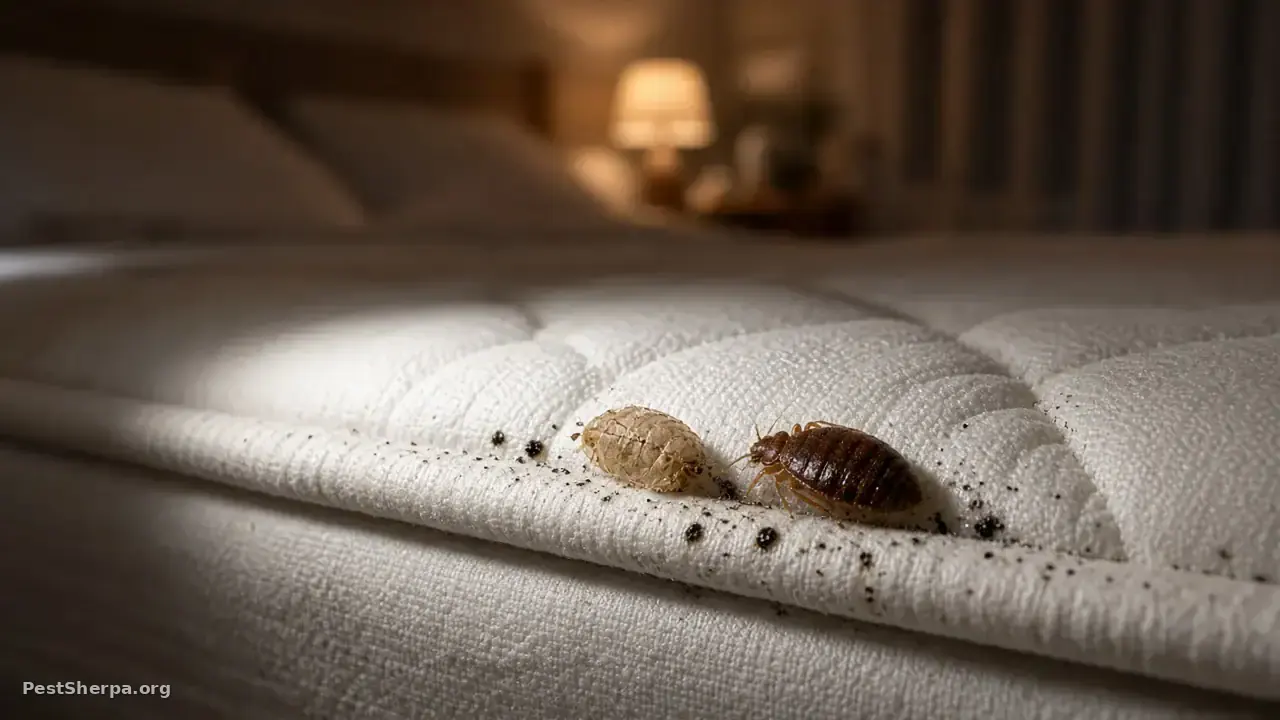
Most people start worrying about bed bugs because of a few itchy bites. The bites don’t tell you much. What tells you is the evidence bed bugs leave behind in the bed, and you can learn to find it in about the time it takes to change your sheets. Here are the signs I look for, and exactly how I’d inspect a bed.
Quick answer: the signs of bed bugs
- Dark fecal spots: tiny black or dark brown dots that soak into fabric like a marker dot, along mattress seams, piping, and tags.
- Rusty or reddish smears: on sheets, pillowcases, or the mattress, from bed bugs that got crushed.
- Shed skins: pale, tan, empty bug-shaped shells left behind as young bed bugs grow.
- Eggs and eggshells: pale, about 1 millimeter long, tucked into seams and cracks.
- Live bed bugs: flat, oval, reddish brown, about 3/16 inch, roughly the size of an apple seed.
Bites alone don’t prove it. Find physical evidence first. Jump to how to inspect a bed, step by step.
Based on EPA, CDC, and University of Kentucky guidance cited in the References below.
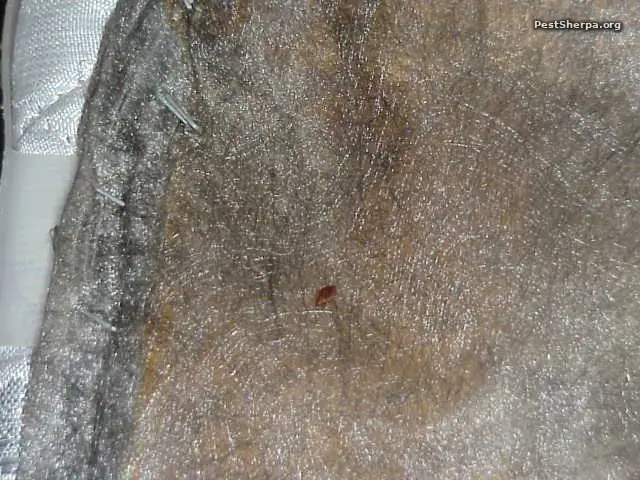
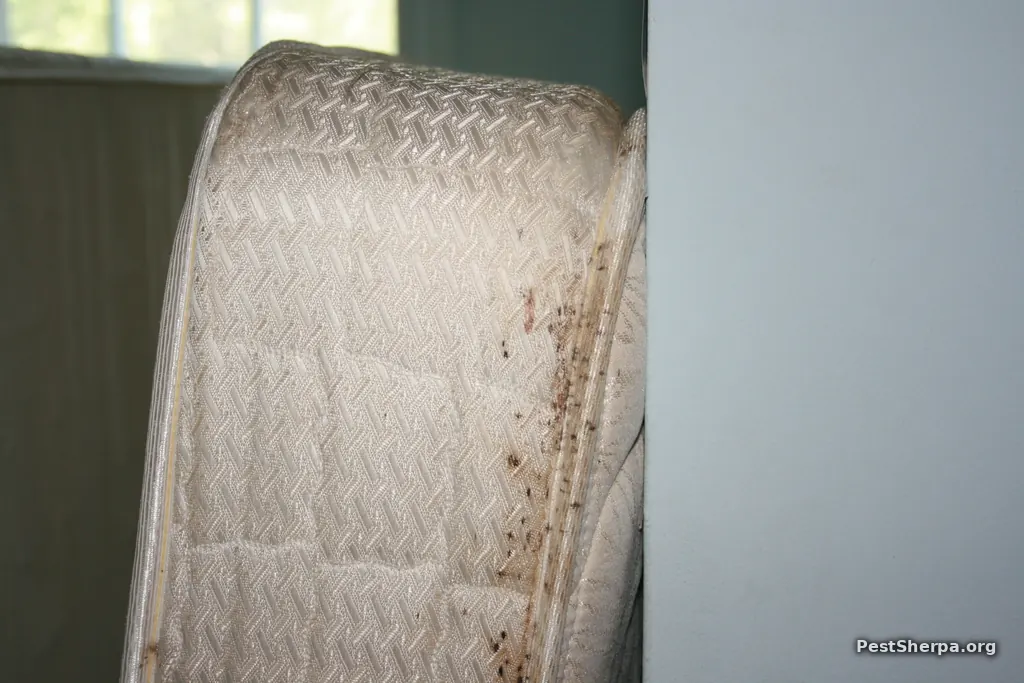
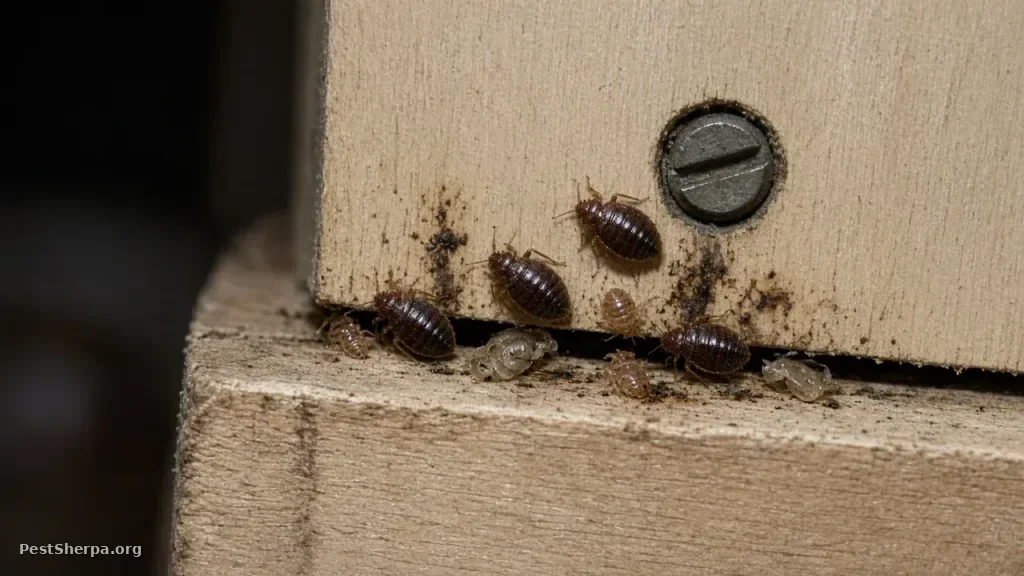
Difficult to see bed bug under mattress box spring (Photo: Pest Sherpa)
The 5 signs of bed bugs
Bed bugs hide in cracks and seams during the day and come out to feed at night, so you rarely catch them in the open. What you can find is what they leave behind. [EPA]
1. Dark fecal spots
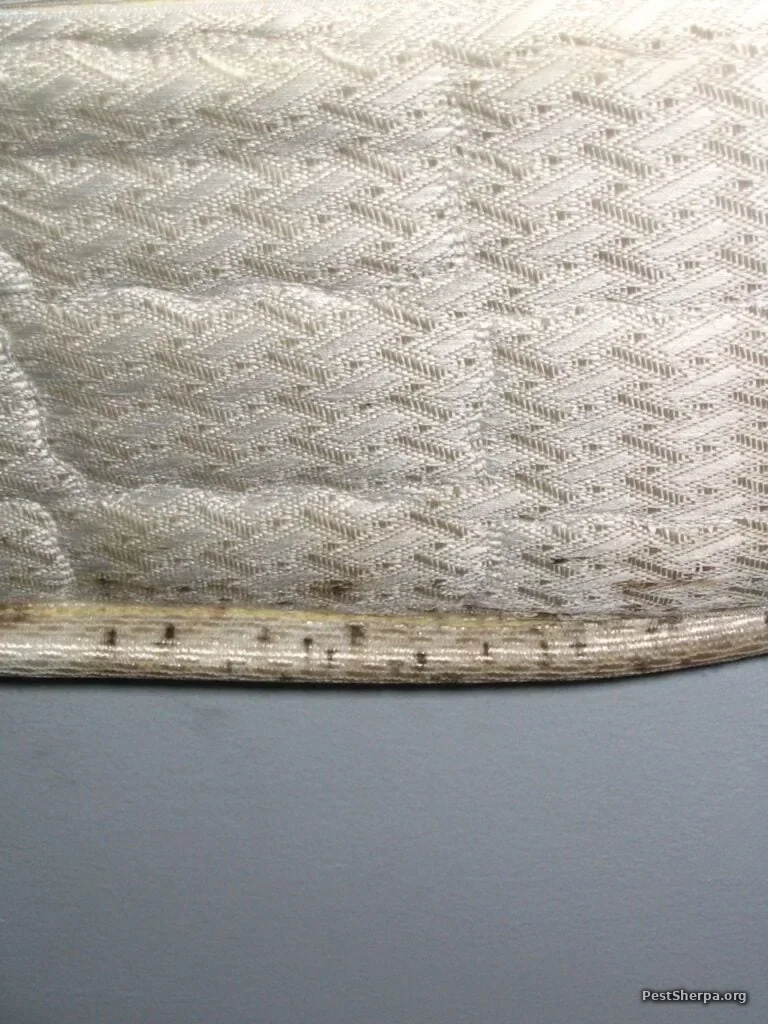
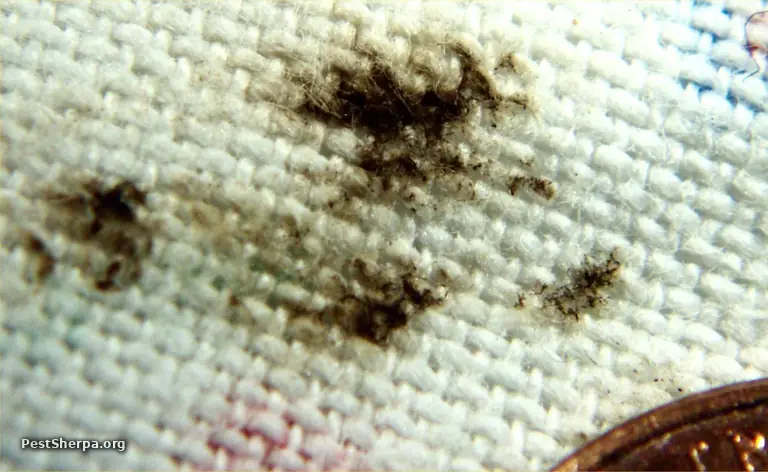
These are the sign I find most often. Bed bug droppings are digested blood, so they show up as small black or dark brown dots, about the size of a period at the end of a sentence. Because they’re liquid when they come out, they soak into fabric and can bleed like a marker would, instead of sitting on top like dirt or lint. You’ll usually see them in clusters along mattress seams and piping, on the box spring, and in cracks of the bed frame and headboard. [EPA] [University of Kentucky Entomology]
2. Rusty or reddish smears
Rusty or reddish stains on sheets, pillowcases, or the mattress often come from a bed bug that got crushed after feeding, sometimes when you rolled over on it. [EPA] A single spot can come from lots of things. A pattern of them, along with the other signs here, is what counts.
3. Shed skins
Young bed bugs shed their skin five times on their way to becoming adults, and they need a blood meal before each molt. [University of Kentucky Entomology] The empty skins are pale tan, see-through, and shaped just like a bed bug. Finding several in a seam or crack is a strong sign bed bugs have been living and growing there.
4. Eggs and eggshells
Bed bug eggs are tiny, about 1/32 inch (1 mm) long, about as long as the thickness of a credit card, and pale yellow to whitish. [EPA] They’re sticky when laid, so they adhere in seams, folds, and cracks, and they’re hard to see without magnification, especially on light-colored fabric. [University of Kentucky Entomology] Hatched eggshells look like tiny empty, open-ended capsules.
5. Live bed bugs
Adult bed bugs are about 3/16 inch long, flat, oval, and reddish brown, about the size and color of an apple seed. After feeding, they swell up and look longer and darker red. Young bed bugs (nymphs) look like smaller, paler adults, and newly hatched ones are straw colored and no bigger than a pinhead. Bed bugs don’t fly or jump, but they crawl quickly. [University of Kentucky Entomology] [CDC]
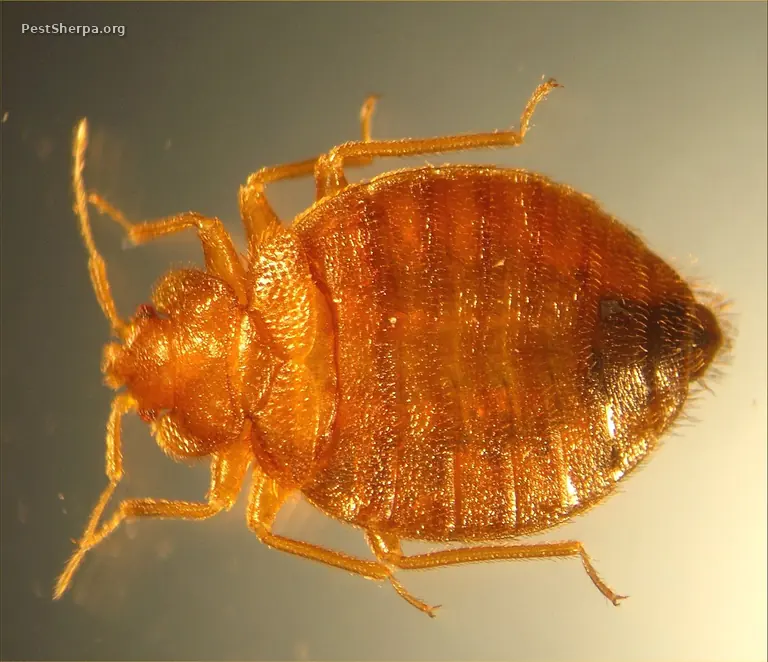
Greg’s Expert Tip: Don’t get discouraged if you don’t see a live bug. On real inspections, the dark fecal spots and shed skins are usually what tip me off first. If you find a bug, catch it on clear packing tape or in a sealed plastic bag so it can be identified.
Bites: why they’re a poor clue
The EPA calls bites on the skin a poor indicator of bed bugs. Bed bug bites can look like mosquito or chigger bites, rashes, or hives, and some people don’t react at all. [EPA] The CDC says the marks can take as long as 14 days to show up in some people, and they may appear random or in a line [CDC]. This also is why when bites appear, people sometimes blame the most recent lodging when it could have been from bed bugs biting days ago. University of Kentucky entomologists note that studies in infested apartments suggest about 30 percent of people don’t react to bites at all. [University of Kentucky Entomology] So use bites as a reason to look, not as your answer.
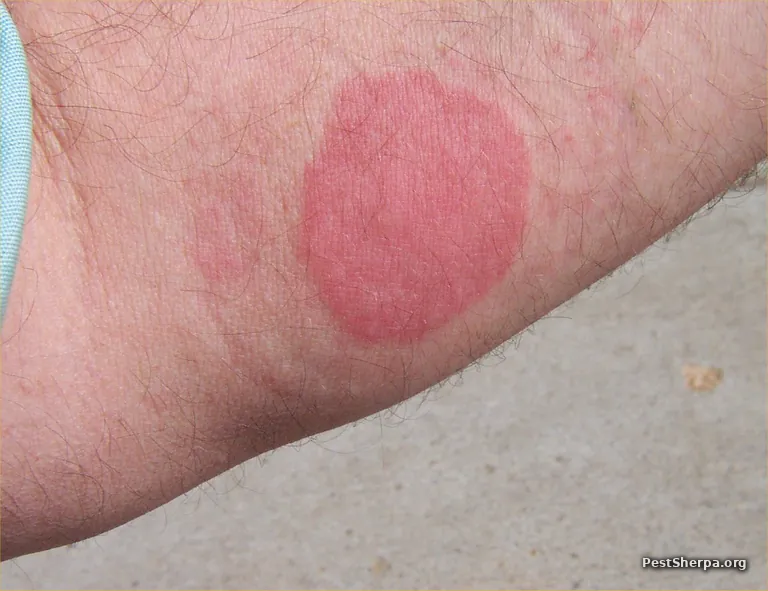
The CDC says bed bugs are not known to spread disease to people. They can cause itching, lost sleep, and, rarely, allergic reactions. If you have a strong reaction or the bites look infected, see your doctor. [CDC] More in my Q&A, can bed bugs spread disease?
How to inspect a bed for bed bugs, step by step
Bed bugs are about as thick as a credit card, and the EPA puts it simply: if a crack will hold a credit card, it could hide a bed bug. [EPA] The CDC says they tend to live within about 8 feet of where people sleep, so the bed is where you start. [CDC] You’ll need:
- A bright flashlight (a phone light works)
- An old plastic card, like a gift card, to run along seams
- A magnifying glass if you have one
- Clear packing tape or a zip-top bag to catch anything you find
- A trash bag for the bedding
- Strip the bed slowly. Peel back each layer one at a time and look at the sheets and pillowcases for dark spots and smears before they come off. Put the bedding straight into a bag and carry it to the washer, so nothing falls off on the way.
- Check the mattress seams and piping. Hold the light low and at an angle across the seam. Run the edge of the card along the piping and seams, around the corners, under the tag, and around any handles or buttons. Look for dark spots, shed skins, eggs, and bugs. Use inexpensive hand lens and a good flashlight to improve accuracy of inspection.
- Check the box spring or foundation. Lift the mattress and look at the top of the box spring, then stand it on edge if you can. The thin fabric dust cover on the underside and the wood frame behind it are favorite hiding places.
- Inspect the bed frame. Look into joints, screw holes, slats, and corners. Bed bugs prefer wood and fabric over metal and plastic, so wood frames deserve extra time.
- Pull the headboard away from the wall. Check the back of it, the mounting hardware, and the wall behind it.
- Check what’s under and next to the bed. Go through anything stored under the bed, then the nightstand: drawer joints, corners, and the underside.
- Widen the search if you found anything. Check upholstered chairs and couches nearby (seams and under the cushions), baseboards, the edges of outlet covers, picture frames, and curtain folds.
- Get it identified. Photograph what you find next to something for scale, and save a sample on tape or in a sealed bag. Other insects get mistaken for bed bugs, so confirm it before you spend money.
Sources for these steps: [EPA] [University of Kentucky Entomology] [CDC] If you want a second line of defense, bed bug interceptor cups placed under the bed legs can catch bugs traveling to and from the bed, and they’re a good way to keep checking after treatment. [University of Kentucky Entomology] [University of California IPM]. Of course, this is not always practical when traveling.
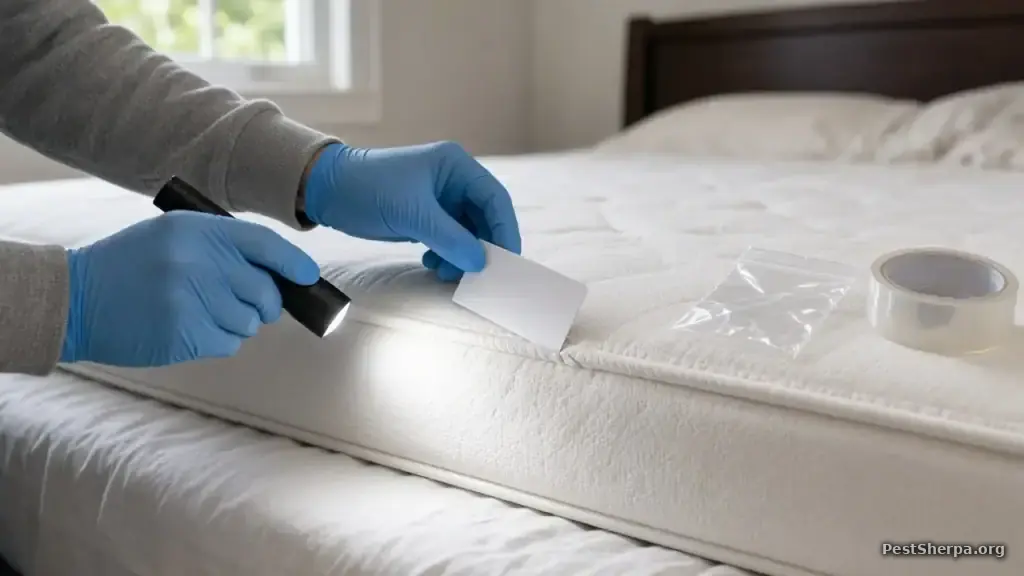
Greg’s Expert Tip: Go slow on the seams. Most people sweep the light across the flat top of the mattress, where bed bugs almost never sit, and miss the seams, folds, and corners where they actually hide. A slow, careful pass beats a fast one every time.
Where else bed bugs hide
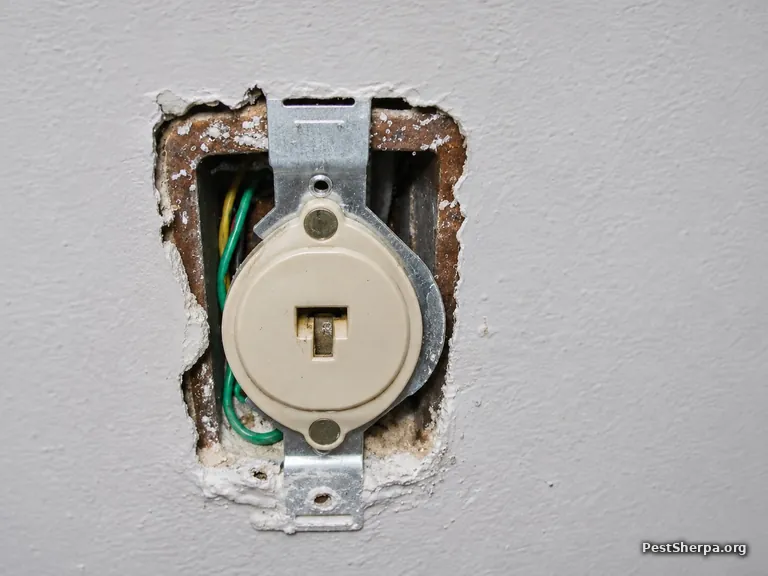
In a light infestation, almost everything is in and around the bed or area most frequently by residents. For example, bed bugs are more typical in living areas in senior residences as many elderly spend more time there. As numbers grow, the EPA says you may find bed bugs in the seams of chairs and couches, between cushions, in curtain folds, in drawer joints, in electrical outlets and appliances, under loose wallpaper and wall hangings, where the wall meets the ceiling, and even in the head of a screw. [EPA] The University of Kentucky notes that upholstered chairs, recliners, and sofas are the next most likely spots after beds. [University of Kentucky Entomology]
Bed bugs and travel
Bed bugs don’t come from dirt. They ride in on luggage, clothing, used furniture, and people, and the CDC notes they turn up in five-star hotels too. [CDC] Most people who bring them home never knew they picked them up. My travel routine:
- Before you unpack, keep your suitcase closed in the bathroom or bathtub, and keep luggage off the bed and carpet.
- Do a five-minute check of the mattress, headboard, and nearby furniture. My 5-minute hotel room inspection checklist walks you through it.
- Skip the luggage rack if you can. If you must use it, inspect it first.
- At home, unpack straight into the washing machine, then run clothes through a hot dryer. The EPA notes that washing alone generally won’t kill bed bugs, but time in a dryer on high heat will. [EPA]
- Store suitcases away from the bedroom, never under the bed. [EPA]
Want it on paper? Grab my free Traveler Bed Bug Pocket Checklist. If you live in an apartment or condo, see bed bugs in apartments for how shared walls change things.
Bed bug look-alikes
The EPA warns that other insects, like carpet beetles, are easy to mistake for bed bugs, and getting it wrong gives a real infestation time to spread. Immature German cockroaches have been identified incorrectly even by professionals with their best efforts [EPA]. Carpet beetle larvae are fuzzy and bristly, and they usually turn up in rugs, closets, and stored wool or fabric rather than packed into mattress seams with dark spots; see the carpet beetle guide. German cockroach immatures (nymphs) are fast running and have different coloring than bet bugs. Bat bugs and swallow bugs are close relatives that look almost identical and can bite people, usually when bats or birds roost in or on the house. [University of California IPM] If the bug is confusing, get a professional or your county extension office to identify it.
Found signs? What to do first
- Confirm it. Save a sample and get it identified before you treat anything.
- Don’t move to another bed or the couch. Bed bugs follow people, and switching rooms can spread them through the house.
- Don’t fog. Bug bombs don’t reach where bed bugs hide. Never use rubbing alcohol, kerosene, or gasoline either; they can catch fire and hurt you.
- Heat what you can. Wash bedding and clothes in hot water and dry them on the hottest setting.
- Encase and declutter. Bed bug encasements for the mattress and box spring trap any bugs inside and leave fewer places to hide. Cut down clutter around the bed.
- Renting? Tell your landlord now. Early reports are easier and cheaper to treat, especially in shared buildings.
Sources: EPA DIY bed bug control, EPA on foggers, UC IPM, University of Kentucky.
When to call a pro
If you’ve confirmed bed bugs, a licensed professional with real bed bug experience is usually the fastest way out. The EPA says treating bed bugs is complex and can take weeks to months, and success depends on how many there are, how much clutter there is, and whether neighbors have them. [EPA] I’d call a pro right away when:
- You found live bugs, eggs, or fresh fecal spots in more than one spot and you need to assess the infestation.
- You live in an apartment, condo, dorm, or other building with shared walls.
- Signs show up in more than one room, or come back after you’ve tried.
- Someone in the home reacts badly to bites, or can’t easily help with prep.
Before you sign anything, read what to look for when hiring a pro for bed bugs and the EPA’s tips on hiring a pest management professional for bed bugs. For the bigger picture, see how professional pest control works.
Common questions about signs of bed bugs
What are the first signs of bed bugs?
Usually small dark spots on the mattress seams, sheets, or box spring. They are bed bug droppings, and they soak into fabric like a dot from a marker. Close behind are tan shed skins, tiny pale eggs about 1 millimeter long, rusty smears on the sheets, and finally live bugs. Itchy bites can be a clue, but they are not proof on their own.
What does bed bug poop look like?
Bed bug droppings look like small black or dark brown dots, about the size of a period at the end of a sentence. They are dried, digested blood, so they bleed into fabric like a marker dot instead of sitting on top like dirt. You usually find them in clusters along mattress seams, piping, and tags, on the box spring, and in cracks in the bed frame and headboard.
Can you see bed bugs with the naked eye?
Yes. Adult bed bugs are about 3/16 inch long, flat, oval, and reddish brown, roughly the size and color of an apple seed. Young bed bugs are smaller and paler, and newly hatched ones are about the size of a pinhead. Eggs are very hard to see without a magnifier, especially on light fabric, so a bright flashlight helps.
Are bites enough to know I have bed bugs?
No. The EPA calls bites a poor indicator. Bed bug bites can look like mosquito or flea bites, rashes, or hives, some people don’t react at all, and in some people the marks take as long as 14 days to show up. Look for physical evidence like droppings, shed skins, eggs, or live bugs before you decide.
Do bed bugs have a smell?
Heavy infestations can have a sweet, musty odor, but most people never notice it, and the University of Kentucky says odor should not be relied on to find bed bugs. By the time you can smell them, you would normally see plenty of other signs.
Can bed bugs spread disease?
The CDC says bed bugs are not known to spread disease to people. They can cause itching, lost sleep, and, rarely, allergic reactions, and scratching can lead to a skin infection. If you have a strong reaction to bites, talk to your doctor.
Do mattress encasements prevent bed bugs?
Encasements help keep bed bugs out of the nooks of mattresses and box springs, and they can trap bugs already inside those items so they cannot escape and bite. They do not stop bed bugs living elsewhere in the room. Many hotels have dropped box springs for solid platforms because box springs are so hard to inspect with confidence. A thorough room inspection still comes first.
How should I inspect a bed for bed bugs without damaging the mattress?
Look at the bed as a unit, not just the mattress top. Start with the headboard, including seams and stains, and remove a hanging headboard if it is designed to come off safely so you can see behind it. Work from the floor up: pull the dust ruffle away from the box spring, remove sheets, and check seams and buttons. Also check the wall, nightstands, clock, and furniture drawers. People miss bed bugs when they focus only on the mattress.
Can an infested mattress be saved, or should I throw it out?
An encasement is usually far less expensive than a new mattress. Professionals can also use heat or steam. Insecticides on a mattress are often unnecessary when encasement, heat, or steam are options, and many people prefer to avoid treating the sleep surface. If you do dispose of a mattress, check local rules first. Some municipalities require slicing discarded mattresses so no one hauls them home from the curb. Do not try DIY powder dumps on a mattress or headboard; I have refused service on rooms made unsafe that way.
Safety
Never mix up a concoction from chat groups or other unreliable sources. Never treat your room with volatile and dangerous liquids such as gasoline. Sounds crazy, but the Sherpa has inspected after people used gasoline in frustration. After airing the room, proper control measures were made and the bed bug problem was eliminated.
Keep learning
- Bed Bug Guide: identification, prevention, and what to do
- Bed bugs in hotels: 5-minute room inspection checklist
- Free Traveler Bed Bug Pocket Checklist (printable PDF)
- Bed bugs in apartments
- Bed bugs in healthcare settings
- Q&A: Can bed bugs spread disease?
- Q&A: Can you get bed bugs from trains?
- Q&A: How do I prevent bringing bed bugs home after travel?
- Q&A: Are bed bugs really on the rise, and why do they spread during travel?
- Carpet beetles: the most common bed bug look-alike
- What to look for when hiring a pro for bed bugs
Found something and not sure what it is? Ask the Sherpa and send a clear photo. I’ll tell you what I see.
References
- EPA: How to Find Bed Bugs
- EPA: Do-it-yourself Bed Bug Control
- EPA: Tips for Travel
- EPA: Should I Use a Fogger?
- EPA: Hiring a Pest Management Professional for Bed Bugs
- CDC: About Bed Bugs
- University of California IPM: Bed Bugs
- University of Kentucky Entomology: Bed Bugs (ENTFACT-636)
This article was written by Greg Baumann, founder of Pest Sherpa, and reflects more than 40 years of professional pest management experience.
About the Author

Greg Baumann | Pest Control Expert
Greg Baumann is the founder of Pest Sherpa and a Pest Control Expert with more than 40 years of professional pest management experience. His articles combine decades of field experience, technical expertise, and science-based guidance to help homeowners identify pests correctly, understand real-world risks, and make informed pest management decisions.
Mission: Identify the pest. Understand the risk. Stop the problem. Prevent the comeback. Know when it’s time to call a professional.