
Can you get bed bugs from trains?
Short answer: The risk is real, but you should not fear train travel. Bed bugs move with luggage and belongings more than with “dirty” cars. Keep bags closed, inspect when you leave and again at home outdoors, and use the dryer on high for 15 minutes for items that can take heat. Do not spray insecticide on bags.
How likely is it?
Possibilities are real wherever people and belongings contact other people’s belongings. That does not mean you should avoid trains. A few habits cut the odds a lot.
How they move in a carriage
Think luggage and overhead storage. If a bag picked up bed bugs in a hotel, car, bus, or earlier train, bugs hide in zipper seams and folds. Park your bag next to theirs and they can move. The same idea applies to checked luggage or a bag under the seat. Anywhere bags go, including dining cars if people carry a purse or backpack, is where transfer is most plausible.
What to do when you leave and when you get home
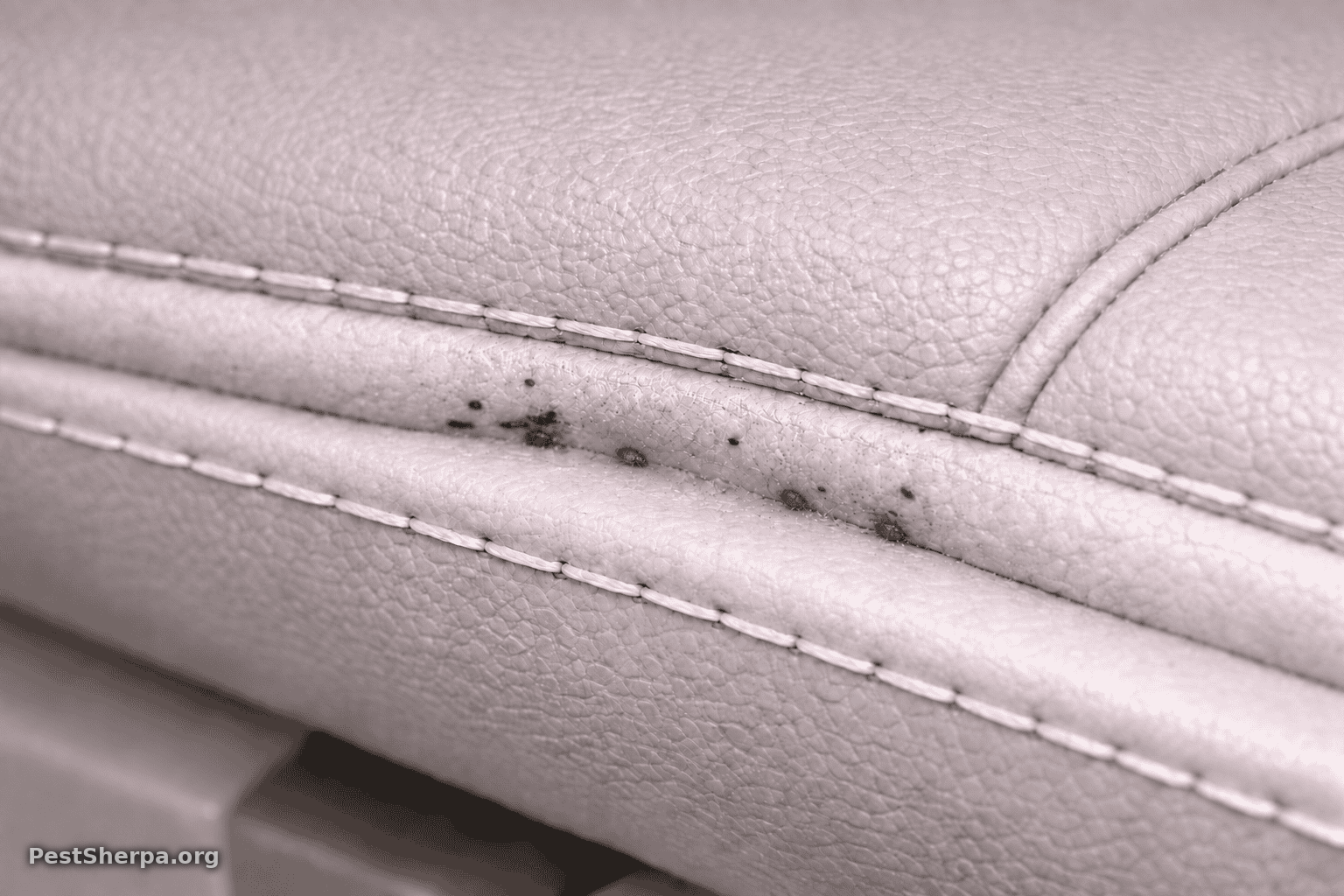
Stay calm. When you leave the train, look over your bag and check crevices. Remove and discard any bugs you find. At home, unpack outside or in the garage and inspect thoroughly. Bugs found inside a closed bag are not automatically from that train, but unpack carefully either way. Look for small black fecal spots or the insects themselves. Bites are a poor clue: some people do not react, and some react days later.
Risk reduction and misconceptions
- Use bags that seal. Avoid open totes when you can.
- Do not spray bags with insecticide.
- If you suspect a source, notify the carrier with train, time, and location so they can inspect. Exact origin is hard to prove, so refund demands are often not resolvable.
- Wash what you carried, or run heat-tolerant items in a dryer on high for 15 minutes.
Bed bugs are a public health pest but they do not carry disease. Dirty train is a myth: they infest clean spaces too. The issue is volume of people and bags. The same logic applies to planes, ambulances, hospitals, schools, libraries, and retirement homes. Be vigilant, not panicked. Travel steps are in the traveler checklist.
Related guides
References
This article was written by Greg Baumann, founder of Pest Sherpa, and reflects more than 40 years of professional pest management experience.
About the Author

Greg Baumann | Pest Control Expert
Greg Baumann is the founder of Pest Sherpa and a Pest Control Expert with more than 40 years of professional pest management experience. His articles combine decades of field experience, technical expertise, and science-based guidance to help homeowners identify pests correctly, understand real-world risks, and make informed pest management decisions.
Mission: Identify the pest. Understand the risk. Stop the problem. Prevent the comeback. Know when it’s time to call a professional.