
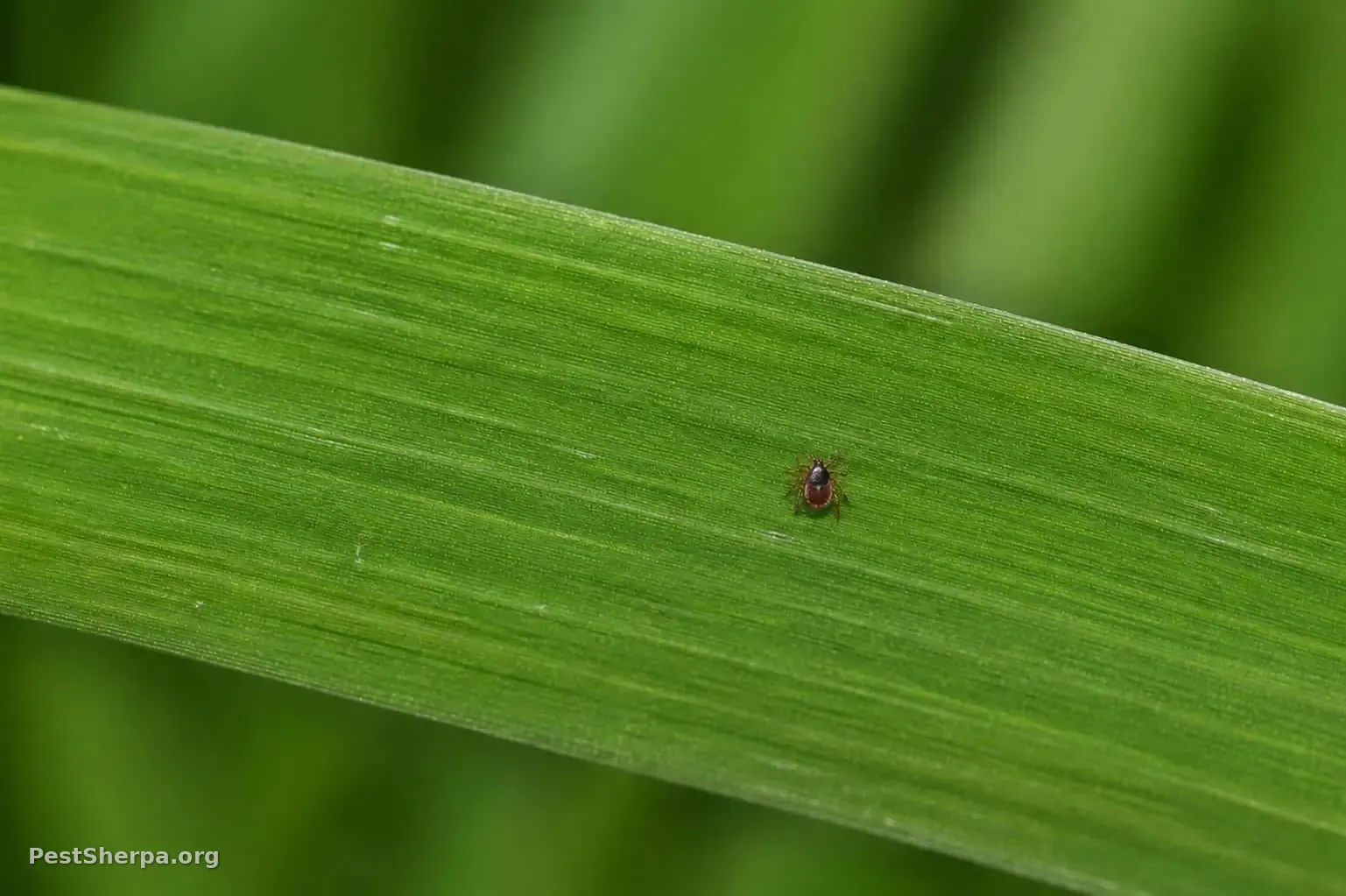
What should I do if I find a tick in my yard?
Short answer: Do not panic. In tick-prone areas, one tick often means more are present. Trim vegetation, wear long pants or use a label-approved DEET repellent for ticks, and check skin, clothing, and pets after time outdoors. Prefer personal protection over broadcast yard sprays that can harm bees. Remove attached ticks using CDC methods.
Does one tick mean an infestation?
Do not panic. That is good advice for most pest finds unless there is an immediate health or property emergency. Ticks are naturally occurring across much of the country. Seeing one should not be a surprise in a tick-prone area, and in those areas a single find often means more ticks are in the yard.
How to tell if activity is high
Visible ticks are one clue, but many are small and easy to miss. Walking the yard in light-colored long pants and checking them afterward is a practical indicator. Some people use a tick drag, a white cloth on a stick, to sample questing ticks that are waiting for a host.
Yard habits that help
Tick-proofing a yard completely is difficult. Keeping grass and vegetation trimmed reduces places ticks wait to latch onto people or pets. Unlike mosquitoes, where only females blood-feed to support egg laying, both male and female ticks take blood meals. Males usually feed less and for less time, but they still feed.
Repellents vs broadcast sprays
For most homeowners, the best chemical tool is personal tick repellent containing DEET, used on clothing or skin only as the label allows for ticks. Follow the label exactly. Broadcast yard applications can reduce numbers when the product is labeled for ticks, but they can also affect beneficial insects such as honey bees, so they are not my first recommendation. After outdoor time, check exposed skin and clothing carefully, examine pets, and remove attached ticks following CDC procedures. Species pages and disease notes start at the ticks guide.
Related guides
References
This article was written by Greg Baumann, founder of Pest Sherpa, and reflects more than 40 years of professional pest management experience.
About the Author

Greg Baumann | Pest Control Expert
Greg Baumann is the founder of Pest Sherpa and a Pest Control Expert with more than 40 years of professional pest management experience. His articles combine decades of field experience, technical expertise, and science-based guidance to help homeowners identify pests correctly, understand real-world risks, and make informed pest management decisions.
Mission: Identify the pest. Understand the risk. Stop the problem. Prevent the comeback. Know when it’s time to call a professional.