
How to Get Rid of Bed Bugs: A Realistic Plan for Your Home
Bed bugs are one of the hardest household pests to eliminate, and they are also one of the most panic-inducing. Both facts lead people to make expensive mistakes: throwing out furniture, setting off foggers, or spraying alcohol on the mattress. My advice is a calm, organized plan instead. This guide walks through confirming the problem, containing it, the do-it-yourself steps that genuinely help, the treatments professionals use, and what they cost. The EPA’s first two tips are worth repeating: make sure you really have bed bugs, and do not panic. [U.S. EPA: Top 10 Tips]
Key Points
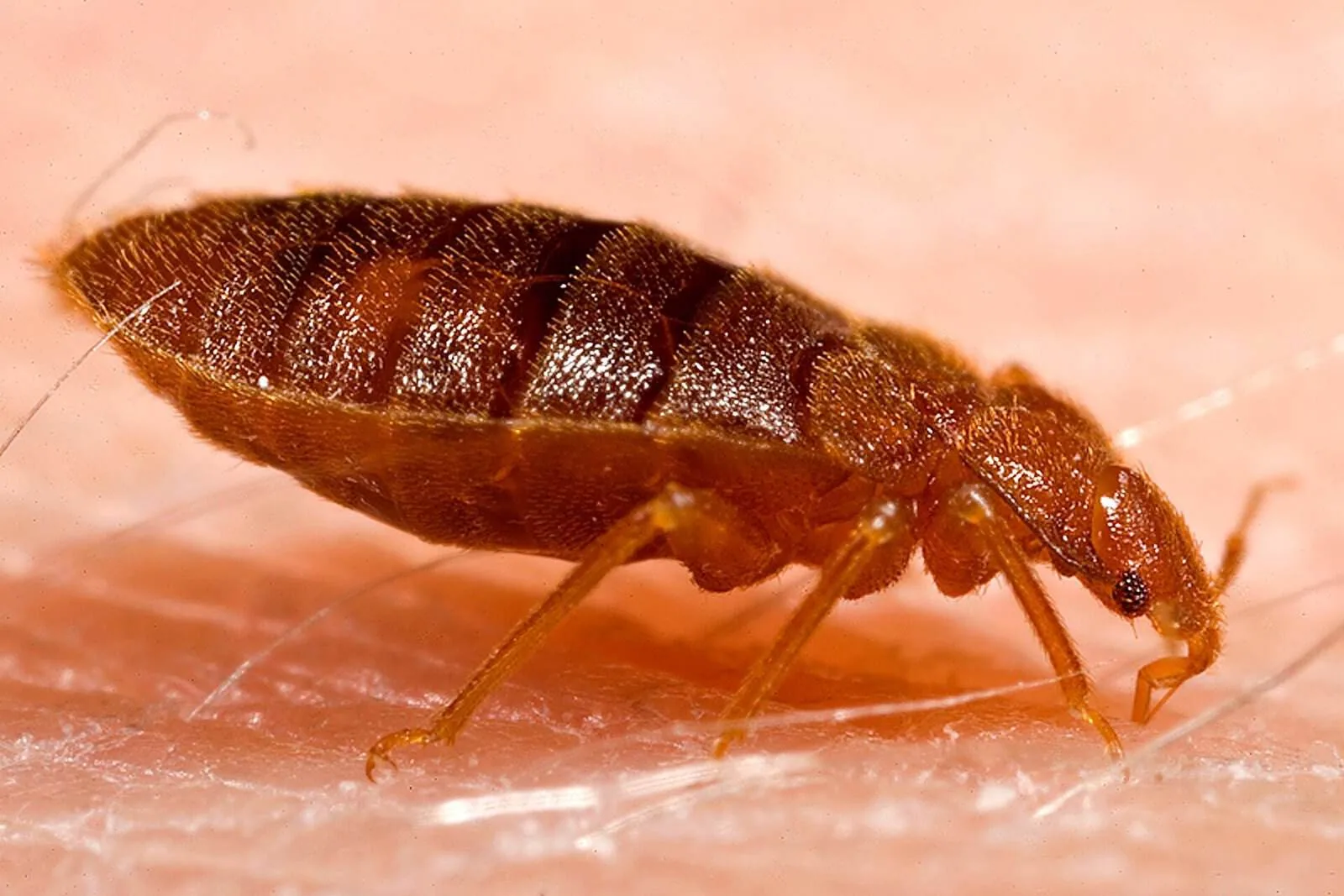
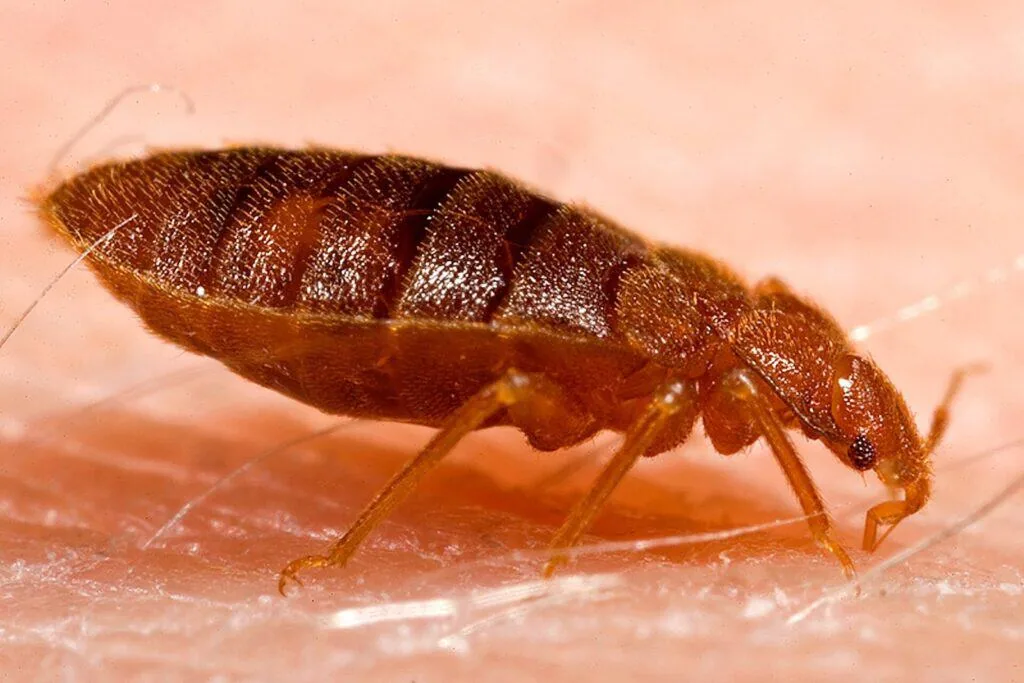
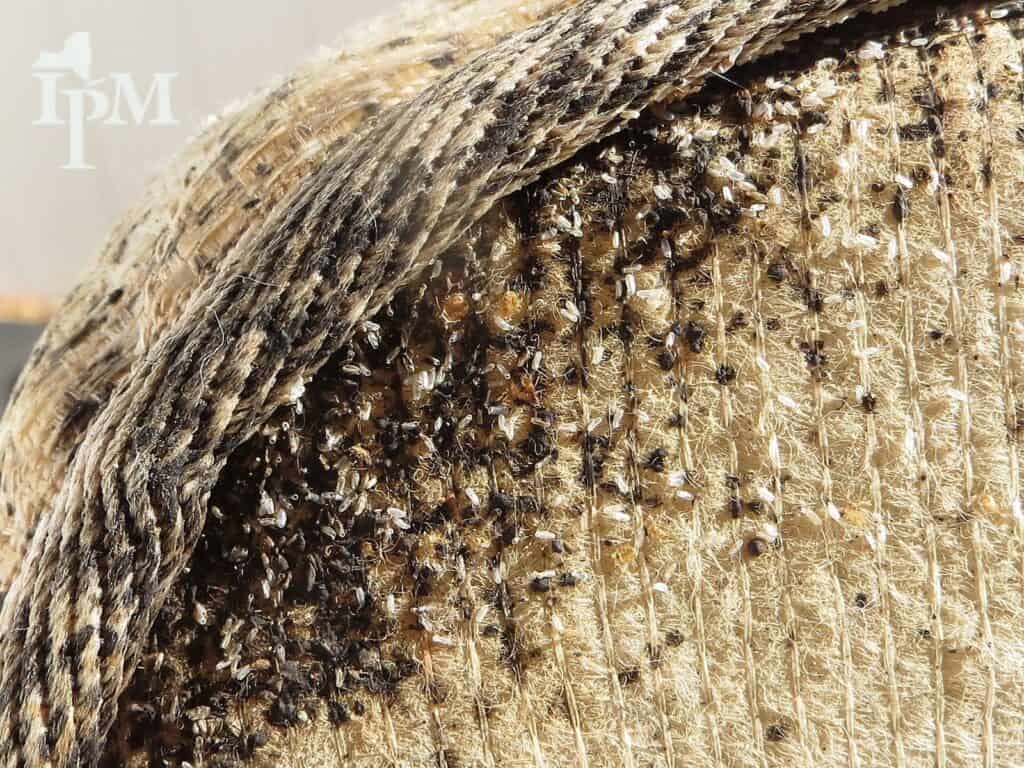
Confirm the pest first. Bed bugs are about 3/16 inch long, reddish-brown, oval, and flat, similar in color to an apple seed. Look for the bugs, their pale shed skins, and blackish fecal spots along mattress seams, box springs, and bed frames. Bite reactions alone do not prove bed bugs. [University of Kentucky Entomology, ENTFACT-636]
Contain and reduce: launder or heat-dry bedding and clothing, encase the mattress and box spring, reduce clutter, vacuum where bugs are found, and use interceptor cups under bed legs. [University of Kentucky Entomology, ENTFACT-636] [U.S. EPA: DIY Bed Bug Control] [U.S. EPA: Top 10 Tips]
Do not use foggers, bleach, alcohol, kerosene, gasoline, or open flames; they are ineffective, dangerous, or both. Most infestations are best handled by a professional using heat, insecticides, or both, with follow-up visits. [University of Kentucky Entomology, ENTFACT-636] [U.S. EPA: DIY Bed Bug Control]
In This Guide
- Quick Answer
- Confirm It Is Bed Bugs
- DIY Steps That Work
- What Fails
- What a Pro Visit Looks Like
- What It Costs
- Prevention
- Common Questions
- References
Quick answer
- Confirm the bug: find a specimen or clear signs, or have a sample identified by your county extension office, which can do so at no cost. [U.S. EPA: DIY Bed Bug Control] [University of Kentucky Entomology, ENTFACT-636]
- If you rent, notify your landlord; nearby units should be inspected. [U.S. EPA: DIY Bed Bug Control]
- Run bedding, clothing, and shoes through a dryer on medium to high heat for 10 to 20 minutes. [University of Kentucky Entomology, ENTFACT-636]
- Encase the mattress and box spring in bed bug-rated covers and leave them on for a year. [U.S. EPA: Top 10 Tips] [University of Kentucky Entomology, ENTFACT-636]
- Pull the bed away from the wall, keep bedding off the floor, and put interceptor cups under each leg. [University of Kentucky Entomology, ENTFACT-636]
- Vacuum seams, frames, and cracks where bugs are found, and discard the bag sealed in plastic outdoors. [University of Kentucky Entomology, ENTFACT-636] [U.S. EPA: Top 10 Tips]
- Hire a professional for anything beyond a small, early infestation, and keep checking for a year. [U.S. EPA: Top 10 Tips] [U.S. EPA: DIY Bed Bug Control]
Confirm it is bed bugs
Bed bugs are sometimes mistaken for ticks, cockroach nymphs, carpet beetles, and other household insects. Adults are about 3/16 inch long and reddish-brown; nymphs are smaller and lighter, and newly hatched nymphs are no bigger than a pinhead. Eggs are whitish, about the size of a dust speck, and hard to see without magnification. [University of Kentucky Entomology, ENTFACT-636]
Inspect mattress seams and tufts, box spring edges and underside, the bed frame and headboard, and nearby furniture. Dark fecal spots along seams are often the first clue. [University of Kentucky Entomology, ENTFACT-636] Our guide to signs of bed bugs and how to inspect a bed walks through the process with photos. Not all bite-like reactions are caused by bed bugs; confirmation requires finding the bugs or their signs. [University of Kentucky Entomology, ENTFACT-636]
DIY steps that work
The EPA notes that treating bed bugs is complex and can take weeks to months, and that success depends on the size of the infestation, the amount of clutter, whether neighbors have bed bugs, and whether everyone in the home cooperates. [U.S. EPA: DIY Bed Bug Control] The steps below reduce numbers, limit bites, and make professional treatment more effective.
Make a plan and keep records
Write down dates and exact locations where bugs are found. This helps you and any professional target treatment and track progress. [U.S. EPA: DIY Bed Bug Control]
Heat-dry what you can
Bedding, clothing, toys, shoes, and backpacks can go in a clothes dryer at medium to high heat for 10 to 20 minutes, which kills all life stages; items heat faster if they start dry. Washing should use water at least 120 degrees Fahrenheit. [University of Kentucky Entomology, ENTFACT-636] Bag items in plastic before carrying them to the laundry so bugs do not drop off along the way, and clean hampers too. [U.S. EPA: Top 10 Tips]
Encase the bed
Bed bug-rated encasements on the mattress and box spring trap bugs inside and make the remaining ones easier to spot. Leave them on for a year, and choose a product tested for bed bugs and durable enough not to tear. If you can afford only one, the University of Kentucky suggests encasing the box spring, which is harder to inspect. [U.S. EPA: Top 10 Tips] [University of Kentucky Entomology, ENTFACT-636]
Isolate the bed and monitor
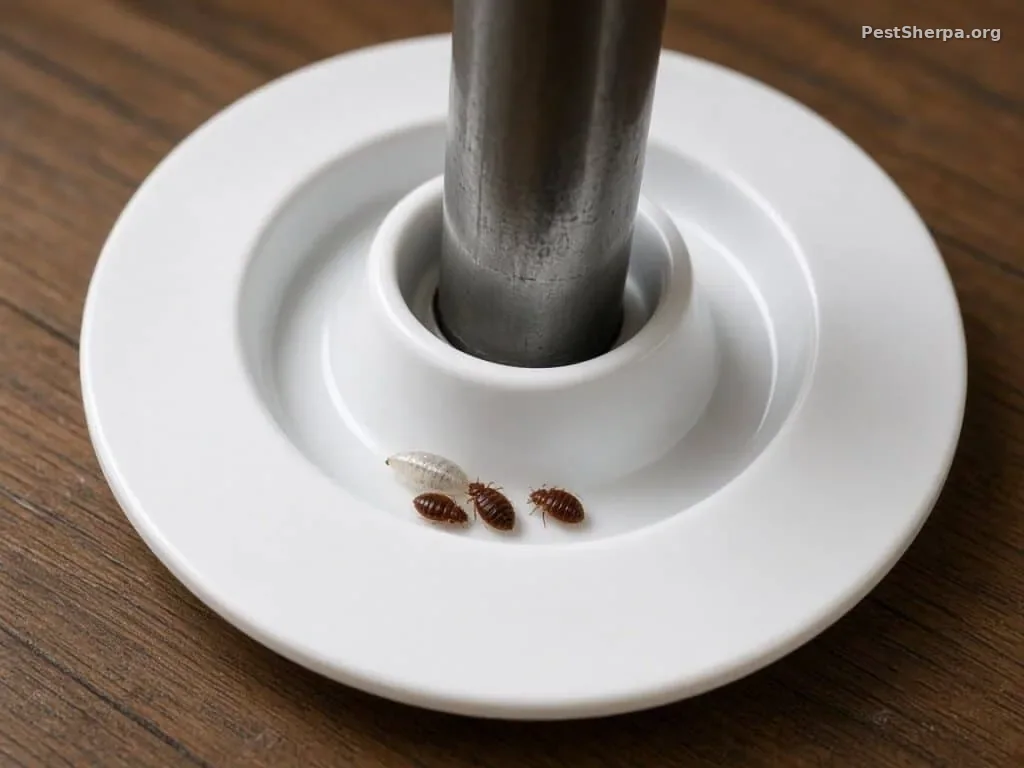
Pull the encased bed a few inches from the wall, keep dust ruffles and blankets off the floor, and place pitfall-style interceptor cups under each bed leg. The bed becomes an island, and the cups catch bugs trying to climb up. [University of Kentucky Entomology, ENTFACT-636]
Reduce clutter and seal hiding places
Clutter gives bed bugs more places to hide and makes inspection and treatment harder, especially under and around beds. Seal cracks and crevices with caulk to remove hiding places. [U.S. EPA: Top 10 Tips] [U.S. EPA: DIY Bed Bug Control] [University of Kentucky Entomology, ENTFACT-636]
Vacuum and steam where bugs are found
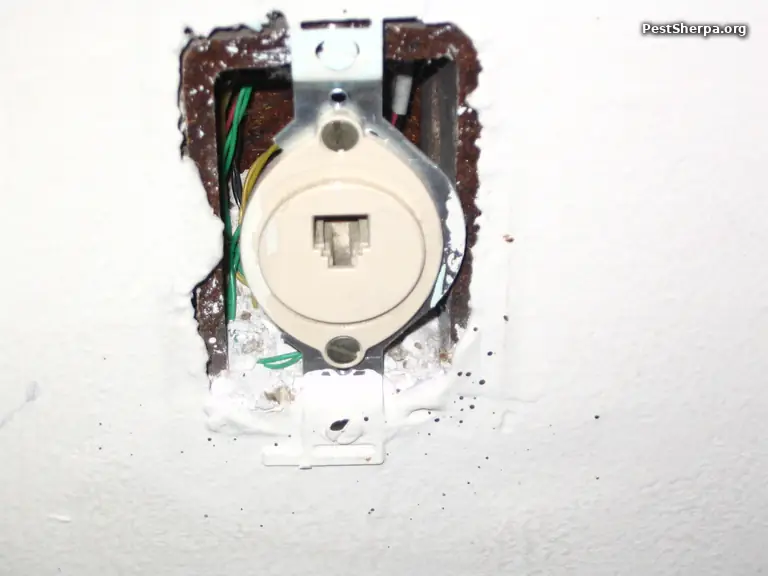
General floor vacuuming seldom reaches where bed bugs hide, but targeted vacuuming of seams, frames, and cracks removes some before other treatment. Bed bugs can survive the vacuum, so seal and discard the bag outdoors. Steamers can treat seams and furniture but have limited ability to penetrate fabric. [University of Kentucky Entomology, ENTFACT-636] [U.S. EPA: Top 10 Tips]
Use only the right products
Most bed bug sprays sold to householders have limited effect after they dry, and bed bugs are increasingly resistant to insecticides. Diatomaceous earth is messy and seldom helps much, while silica gel dust such as CimeXa can be very effective if applied correctly. Never spray bedding or clothing. [University of Kentucky Entomology, ENTFACT-636] Make sure any product is legal and labeled for bed bugs. [U.S. EPA: DIY Bed Bug Control]
What fails
- Bug bombs and foggers. Ineffective against bed bugs and potentially dangerous. [University of Kentucky Entomology, ENTFACT-636]
- Alcohol, kerosene, gasoline, bleach, and lighters. These can cause fires and other harm and do not solve the infestation. [U.S. EPA: DIY Bed Bug Control] [University of Kentucky Entomology, ENTFACT-636]
- Turning up the thermostat or using space heaters or a fireplace. This does not work and is dangerous. Professional heat treatment uses special equipment and monitoring. [U.S. EPA: DIY Bed Bug Control] [U.S. EPA: Top 10 Tips]
- Home freezers that are not cold enough. Freezing works only at 0 degrees Fahrenheit, held for at least three days in a sealed bag and confirmed with a thermometer. [U.S. EPA: DIY Bed Bug Control] [U.S. EPA: Top 10 Tips]
- Throwing everything out. It is expensive, can spread bugs to others, and most belongings can be treated. [U.S. EPA: Top 10 Tips]
- Sticky traps. The EPA notes they are not for bed bugs. [U.S. EPA: DIY Bed Bug Control]
- For more misconceptions, see bed bug facts vs fear.
What a pro visit looks like
The EPA notes that hiring an experienced, responsible professional can increase your chance of success, and recommends choosing a company that uses an integrated pest management approach. [U.S. EPA: Top 10 Tips]
The inspection
A thorough inspection includes beds, box springs, frames, nearby furniture, and other rooms, often with the bed taken apart. In apartments, adjoining units should be inspected too. [University of Kentucky Entomology, ENTFACT-636] [U.S. EPA: DIY Bed Bug Control]
Your prep before the visit
- Follow the company’s prep sheet; some firms want beds stripped and furniture moved, while others prefer to inspect first.
- Bag and heat-dry bedding and clothing from infested rooms.
- Reduce clutter, especially under and around beds.
- For heat treatments, remove heat-sensitive items such as aerosol cans, medications, and plants as directed.
The treatment
- Heat treatment: portable heaters and fans raise the room until sensors placed in furniture and walls show lethal temperatures (above about 120 degrees Fahrenheit) held long enough to kill bugs and eggs, often in one day.
- Insecticide treatment of seams, folds, and crevices of beds and furniture, with dusts in voids; the sleep surface, bedding, and clothing are not sprayed.
- Encasements, interceptors, vacuuming, and steaming as part of an integrated plan.
- Fumigation of the structure or contents in some cases, which is very different from a consumer fogger.
Follow-up
Insecticide-based treatment takes considerable effort, and follow-ups are usually needed. Heat has no lasting effect if bed bugs are brought back in, so keep interceptors in place. [University of Kentucky Entomology, ENTFACT-636] The EPA recommends checking for at least a year. [U.S. EPA: DIY Bed Bug Control]
Questions to ask before you book
- Will you use heat, insecticides, or both, and why?
- How many follow-up visits are included?
- What prep do you need from me, and do you help with it?
- Will you inspect adjoining rooms or units?
- What is the guarantee, and for how long?
Our guide to hiring a pro for bed bugs covers inspection, treatment choices, and contracts in more detail.
What it costs
Bed bugs are among the most expensive pests to treat, and high-end jobs can reach about $6,000.[4]
Bed bug quotes vary widely by method, so check them against current bed bug treatment costs before you choose heat or chemical service.
Typical national ranges
- Bed bug extermination: $1,000 to $4,000 (Angi, 2026)[4]
- Per room: $300 to $500 (HomeGuide, 2026)[5]
- Whole home: $2,500 to $5,000 (HomeGuide, 2026)[5]
- Heat treatment: $1 to $3 per square foot (HomeGuide, 2026)[5]
- Chemical treatment: $2 to $5 per square foot (HomeGuide, 2026)[5]
- Fumigation: $4,000 to $16,000 (HomeGuide, 2026)[5]
- Inspection fees, where charged: $125 to $450 (Angi, 2026)[4]
These are national figures from consumer cost surveys, not quotes. Prices vary by region, home, and job, so treat them as a starting point for comparing written estimates.
What moves the price
- How many rooms are infested and how widely bugs have spread.
- Treatment method: heat, insecticides, a combination, or fumigation.
- Clutter and prep work.
- Multi-unit buildings, where adjoining units need inspection.
- Number of follow-up visits and the length of the guarantee.
One-time job or ongoing plan
Bed bug work is priced as a project, not a routine visit. Compare quotes on the method, the number of follow-ups, the prep required, and the guarantee, not just the total.
Red flags in a quote
- A quote without an inspection.
- A single spray visit with no follow-up.
- Recommendations to throw out most belongings.
- Fogging as the main treatment.
Encasements, interceptors, and laundry costs are often separate, so ask what is included.
Prevention
- When traveling, check bed sheets and mattress seams, especially at the head of the bed, and keep luggage off the floor and bed. [University of Kentucky Entomology, ENTFACT-636]
- After a trip where you suspect bites, put clothing directly into the washer or dryer. [University of Kentucky Entomology, ENTFACT-636]
- Avoid curbside mattresses and sofas, and inspect secondhand furniture for fecal spots. [University of Kentucky Entomology, ENTFACT-636]
- Run secondhand clothing and fabrics through the dryer before storing them. [University of Kentucky Entomology, ENTFACT-636]
- Keep encasements and interceptors in place for a year after treatment.
For more on bed bug biology and health questions, return to our bed bug guide.
Common questions about getting rid of bed bugs
Can I get rid of bed bugs myself?
Sometimes, with a small infestation caught early, but it is hard. The EPA says treatment can take weeks to months, and the University of Kentucky advises hiring a professional when resources allow. Encasements, a hot dryer, interceptors, and targeted vacuuming are the most useful DIY steps.
What kills bed bugs fastest?
Heat, though even heat takes time. The University of Kentucky notes that a clothes dryer at medium to high heat for 10 to 20 minutes kills all life stages in bedding, clothing, and shoes. Eggs need longer exposure than adults, which is why professional heat treatments hold the whole room at lethal temperatures for hours.
Do bed bug bombs work?
No. The University of Kentucky calls foggers ineffective against bed bugs and potentially dangerous. Bleach, alcohol, and lighters should not be used either; the EPA warns that rubbing alcohol, kerosene, and gasoline can ignite.
Should I throw out my mattress?
Usually not. The EPA advises against throwing things out in a panic, and encasing the mattress and box spring is an economical alternative. If you do discard a bed, wrap it in plastic and slash or label it so no one else takes it.
How long can bed bugs live without feeding?
Months. The University of Kentucky notes that nymphs and adults can survive months without a blood meal, potentially a year or longer at 55 degrees Fahrenheit or cooler, so leaving a home empty for a short time does not starve them out.
Is heat treatment better than chemical treatment?
Each has trade-offs. Heat can often eliminate an infestation in one day and needs less decluttering, but it has no lasting effect if bed bugs are brought back in, and it can cost more. Insecticide programs usually need follow-up visits.
How do I know the bed bugs are gone?
Keep checking interceptors and mattress seams. The EPA recommends checking for at least a year after treatment.
References
- University of Kentucky Entomology, ENTFACT-636: Bed Bugs
- U.S. EPA: Do-it-yourself Bed Bug Control
- U.S. EPA: Top Ten Tips to Prevent or Control Bed Bugs (last updated August 19, 2026)
- Angi, How Much Does Pest Control Cost? [2026 Data], updated October 9, 2026
- HomeGuide, How Much Does an Exterminator Cost?, January 9, 2026
This article was written by Greg Baumann, founder of Pest Sherpa, and reflects more than 40 years of professional pest management experience.
About the Author

Greg Baumann | Pest Control Expert
Greg Baumann is the founder of Pest Sherpa and a Pest Control Expert with more than 40 years of professional pest management experience. His articles combine decades of field experience, technical expertise, and science-based guidance to help homeowners identify pests correctly, understand real-world risks, and make informed pest management decisions.
Mission: Identify the pest. Understand the risk. Stop the problem. Prevent the comeback. Know when it’s time to call a professional.