
When do termites become active?
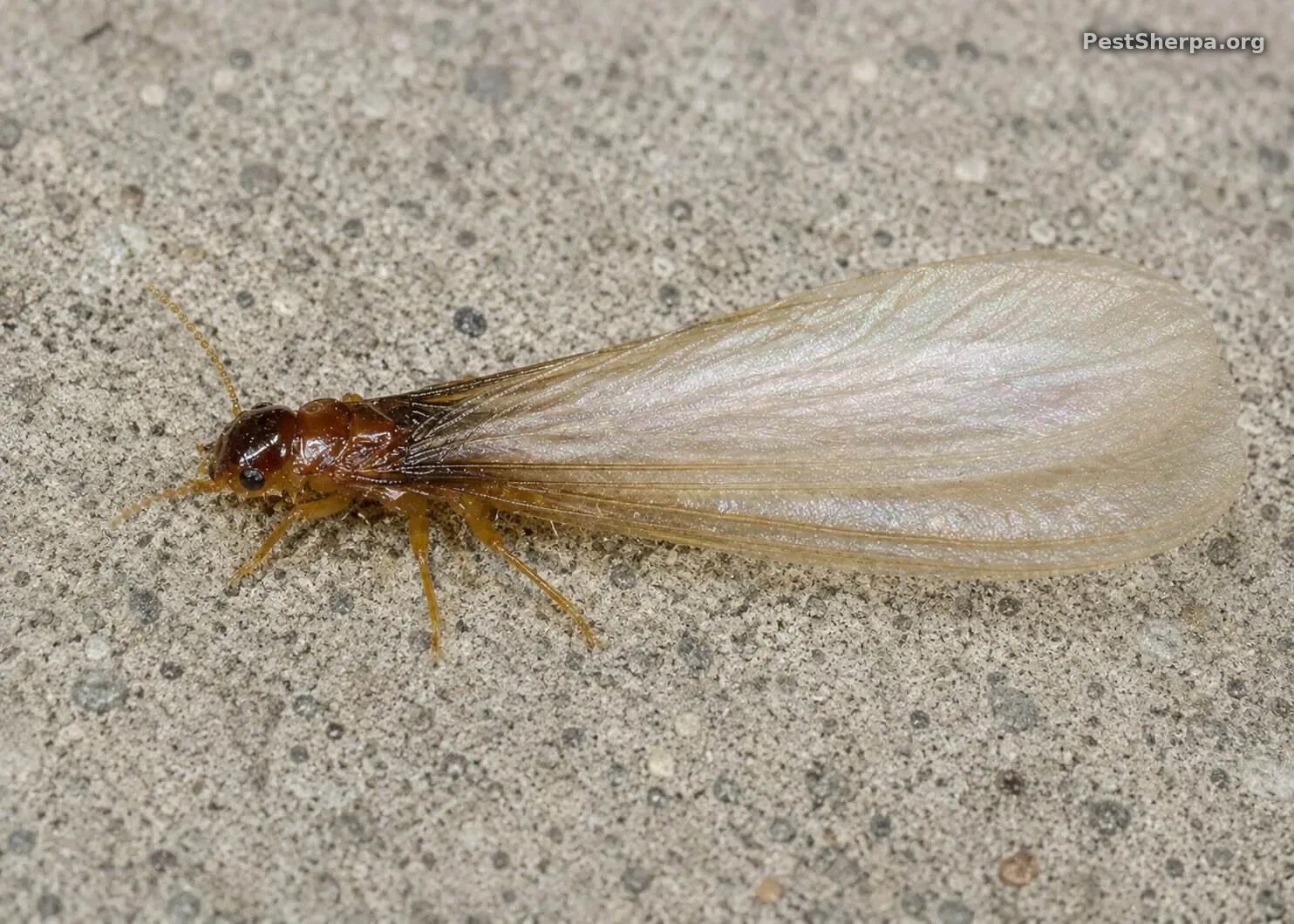
Short answer: Subterranean termites stay active year-round inside soil and wood, but you notice them most in warm, humid weather when winged swarmers leave the colony. Drywood termites follow similar warmth cues indoors. “Inactive season” does not mean a colony stopped feeding under your slab.
What “active” really means
Homeowners often equate activity with spring swarm flights. Swarmers are the reproductive caste trying to start new colonies. In much of the South and Texas, those flights often follow a warm rain. In cooler climates, peak flights shift later into spring or early summer. The workers that actually damage wood keep feeding as long as soil moisture and temperature allow, including under heated slabs in winter.
Drywood termites live inside wood, not soil. They do not need ground contact. You may see pellets (frass) or swarmers near windows and attic light long before you feel structural movement. Seasonal quiet above ground is not the same as an empty colony.
What to watch for
- Mud tubes on foundation walls, piers, or slab edges (subterranean).
- Discarded wings on windowsills after a flight.
- Hollow-sounding wood, blistered paint, or soft spots near soil contact.
- In drywood areas: sand-like pellets pushed from kick-out holes.
- Clicking or rustling in walls is less reliable than tubes, wings, and damaged wood.
What to do
- Do not wait for another swarm. If you saw swarmers or tubes, schedule a licensed termite inspection.
- Fix water leaks, grade soil away from the foundation, and keep wood debris off the house.
- Keep mulch and firewood from bridging the soil-to-siding gap.
- Ask any inspector to explain species (subterranean vs drywood) before you buy a treatment style.
When to call a licensed pro
Termite work is not a weekend spray. Soil treatments, bait systems, and drywood methods need correct product choice, placement, and follow-up. Use our Termite Guide for habits and our termite control overview for how professionals approach the structure. Education first: understand the biology, then compare licensed bids.
A note on regional timing
In the Deep South, swarm calls start earlier than in the Upper Midwest. Coastal humidity and irrigation keep soil workable for subterranean foragers even when air temperatures swing. If you winter in a heated home on a slab, do not assume cold nights paused feeding underneath. Schedule inspections around your climate, not a national calendar meme.
Related guides
References
- Clemson HGIC: Termites
- University of Kentucky: Subterranean Termites
- UF/IFAS: Subterranean Termites
- Purdue Extension: Termites
This article was written by Greg Baumann, founder of Pest Sherpa, and reflects more than 40 years of professional pest management experience.
About the Author

Greg Baumann | Pest Control Expert
Greg Baumann is the founder of Pest Sherpa and a Pest Control Expert with more than 40 years of professional pest management experience. His articles combine decades of field experience, technical expertise, and science-based guidance to help homeowners identify pests correctly, understand real-world risks, and make informed pest management decisions.
Mission: Identify the pest. Understand the risk. Stop the problem. Prevent the comeback. Know when it’s time to call a professional.