
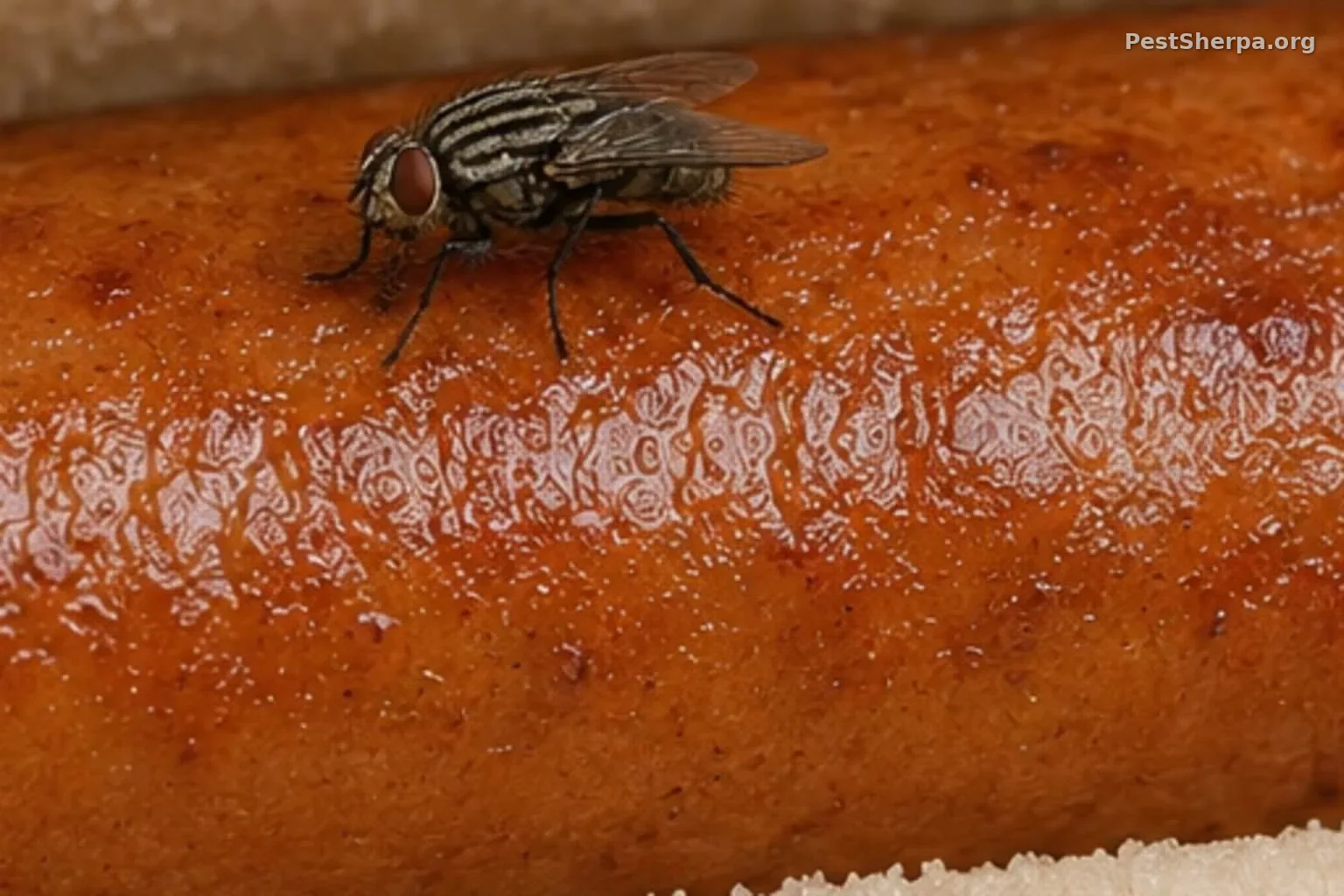
When should I call a professional for flies?
Short answer: Call a professional for flies when you cannot find or remove the breeding source, when activity continues after thorough sanitation, when a hidden carcass or wall void is likely, or when the problem involves a business, rental, or multi-unit building that keeps reseeding adults.
Flies are a source problem first
Adult flies you see on windows are the easy part. The hard part is the material producing larvae: a dirty drain film, overripe fruit, garbage juices, animal waste, or something dead in a wall or attic. Sprays and swatters drop numbers for a day. Source removal drops them for good.
Identification still matters. Fruit flies, drain flies, house flies, and blow flies point to different sites. Our Fly Guide walks through those habits so you know what to inspect before you spend money.
Homeowner steps worth doing first
- Clean drains mechanically if drain flies are suspected.
- Discard rotting produce and rinse recycling.
- Seal trash cans and clean outdoor bins.
- Check for dead rodents or wildlife in rarely opened spaces if blow flies suddenly surge.
- Use sticky monitors to track whether sanitation is working.
Clear reasons to hire help
- You cleaned thoroughly and adults rebound within days.
- You suspect a carcass in a wall, crawl space, or chimney chase.
- The issue is in a restaurant, clinic, or apartment building with shared plumbing.
- You need documentation for a landlord, HOA, or health inspection.
- You want an inspection that maps breeding sites rather than a fog-only visit.
What to ask a company
Ask how they will identify the fly, what sanitation they expect from you, and how they will confirm the source is gone. Education-minded firms talk about drains, dumpsters, and exclusion, not only chemical names.
Commercial and rental settings
Shared dumpsters, floor drains, and unit turnovers reseeds fly problems even when one tenant cleans well. Professionals who map those shared sources save everyone repeated spray visits. Ask for photos of breeding sites and a sanitation punch list you can share with a landlord or manager.
Seasonal spikes
Warm, wet weeks boost breeding. A one-time cleanup after a holiday party may need a second pass midweek. Professionals can help prioritize sites when several drains and dumpsters compete for attention. Track counts with sticky cards so you know whether the plan is working.
Related guides
References
This article was written by Greg Baumann, founder of Pest Sherpa, and reflects more than 40 years of professional pest management experience.
About the Author

Greg Baumann | Pest Control Expert
Greg Baumann is the founder of Pest Sherpa and a Pest Control Expert with more than 40 years of professional pest management experience. His articles combine decades of field experience, technical expertise, and science-based guidance to help homeowners identify pests correctly, understand real-world risks, and make informed pest management decisions.
Mission: Identify the pest. Understand the risk. Stop the problem. Prevent the comeback. Know when it’s time to call a professional.