
When to Hire a Pest Pro vs DIY
Hiring pest, termite, or wildlife help is not a race to the lowest flyer price. A good decision rests on a real license, a clear scope of work, and an inspection that names the problem, not a sales pitch that skips those steps.
In this section
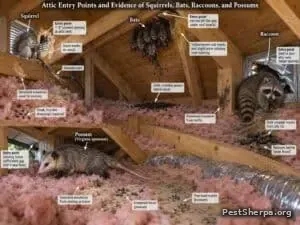
What to Look for When Hiring a Pro for Wildlife in the Home
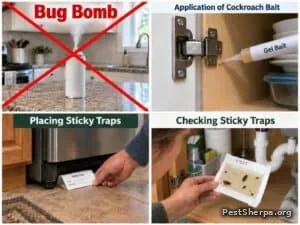
What to Look for When Hiring a Pro for German Cockroaches
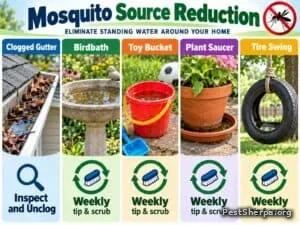
What to Look for When Hiring a Pro for Mosquitoes
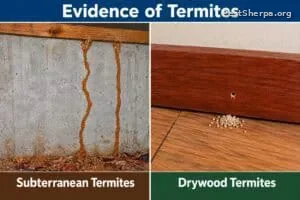
What to Look for When Hiring a Pro for Termites
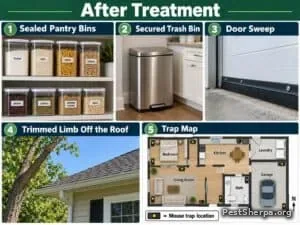
What to Look for When Hiring a Pro for Rodents (Mice and Rats)
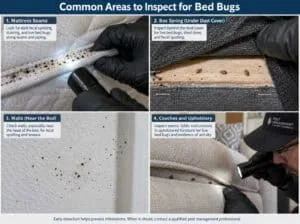
What to Look for When Hiring a Pro for Bed Bugs
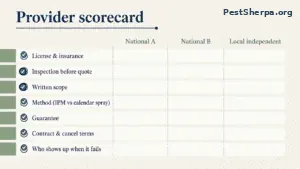
How to Hire a Licensed Pest Control Company
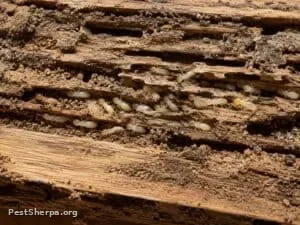
How to Hire a Licensed Termite Company
This section is the home for hiring guides by pest problem. Wildlife in the home, German cockroaches, mosquitoes, termites, rodents, and bed bugs are covered in the articles here. Licensed-company guides for general pest control and termite work sit in the same place.
I have watched homeowners pay twice for the same job because the first visit never identified the pest, never put exclusions in writing, or never matched the work to the right kind of license. Flyer pricing looks simple. Licensing, scope, and inspection quality are what protect the house (and your wallet) when activity comes back.
Start with the license. In most states, applying pesticides for hire requires a pest-control or pesticide credential you can check with the state agency. Termite or wood-destroying organism work often needs its own category. Wildlife removal can sit under different rules again. Trapping, exclusion, and protected-species limits are not the same as a general pest spray route. Ask what license they hold for your problem, then verify it before anyone treats.
Next, insist on an inspection that produces a written plan. A useful visit names the pest (or wildlife), where it is living or entering, what will happen on the first service, and what is left out. General pest plans often exclude termites, bed bugs, and wildlife. German cockroach work is different from a perimeter spray for outdoor invaders. Kitchens, harborage, and follow-up baits matter more than a one-pass fog. Wildlife jobs live or die on exclusion: if entry points stay open, animals return no matter how many were removed. Termite hiring follows a similar discipline. Inspection findings come before method, warranty, and price.
Before you sign, make sure you can explain three things in plain English: what is covered (pest, areas, visits), how you can stop or change the agreement, and what happens if activity continues. Same-day pressure, cash-only with no company name, or “we’ll take care of everything” with nothing on paper are patterns worth walking away from. Treat the visit as a professional inspection, not a free-estimate race.
Questions worth asking on any hire: What did you find, and where? What method are you using, and why for this house? What do I need to do before and after service? Which pests or animals are excluded? If I still see activity, how do re-treatments or follow-ups work in writing?
Use the guides in this section when the problem is specific (wildlife, German cockroaches, mosquitoes, termites, rodents, bed bugs, or another pest) or when you need the licensed-company checklist for pest or termite work. For species identification and control steps first, use the Pest Guides. For a short field question, use Ask the Sherpa.
This article was written by Greg Baumann, founder of Pest Sherpa, and reflects more than 40 years of professional pest management experience.
About the Author

Greg Baumann | Pest Control Expert
Greg Baumann is the founder of Pest Sherpa and a Pest Control Expert with more than 40 years of professional pest management experience. His articles combine decades of field experience, technical expertise, and science-based guidance to help homeowners identify pests correctly, understand real-world risks, and make informed pest management decisions.
Mission: Identify the pest. Understand the risk. Stop the problem. Prevent the comeback. Know when it’s time to call a professional.