
Asian Tiger Mosquito: Identification, Risk, and Control
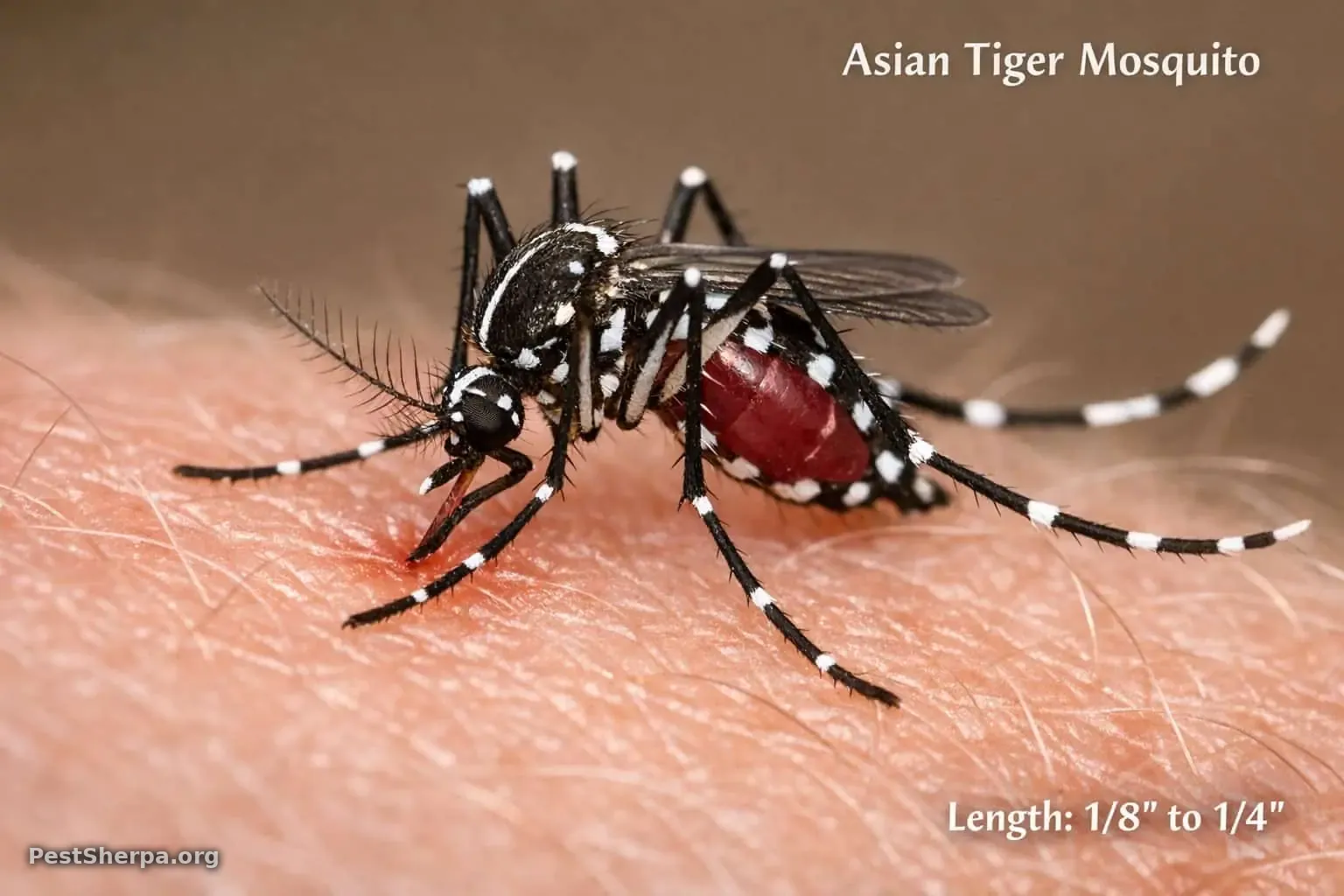
Updated for accuracy: Asian tiger mosquitoes (Aedes albopictus) are small black-and-white mosquitoes that usually breed in tiny water-holding containers around homes and bite mainly during the day. They are a serious nuisance and a legitimate public-health concern, but the most effective first step is usually weekly container cleanup and scrubbing, not broad spraying.
TL;DR
Asian tiger mosquitoes are small, dark mosquitoes with white-banded legs and a single white stripe down the center of the thorax. They usually breed in buckets, plant saucers, birdbaths, toys, gutters, tires, tarps, and other small containers that hold water. They are aggressive daytime biters and usually stay close to where they developed, so recurring activity around a home often points to a nearby breeding source. The best control plan is to dump and scrub water-holding containers weekly, improve drainage, protect yourself with EPA-registered repellent, and use professional or municipal help when the source is hidden, widespread, or outside your property. If you are comparing similar mosquitoes, start with yellow fever mosquito, northern house mosquito, and southern house mosquito.
Jump to: Identification | Why It Matters | What To Do | When To Call a Pro | Similar Pests | References
Identification
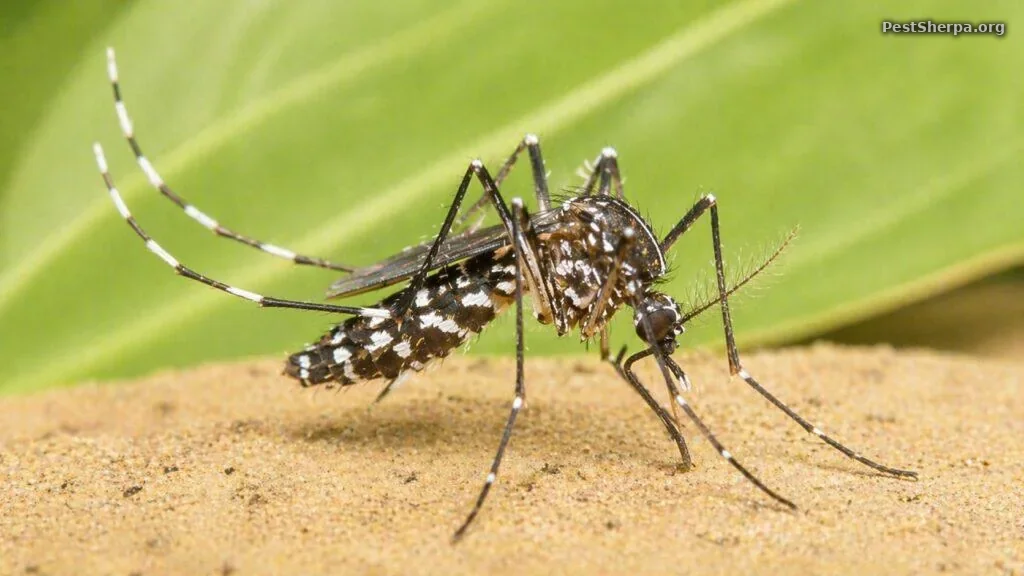
Adult Asian tiger mosquitoes are best identified by:
- a single white stripe down the middle of the thorax
- white-banded legs
- small size
- daytime biting
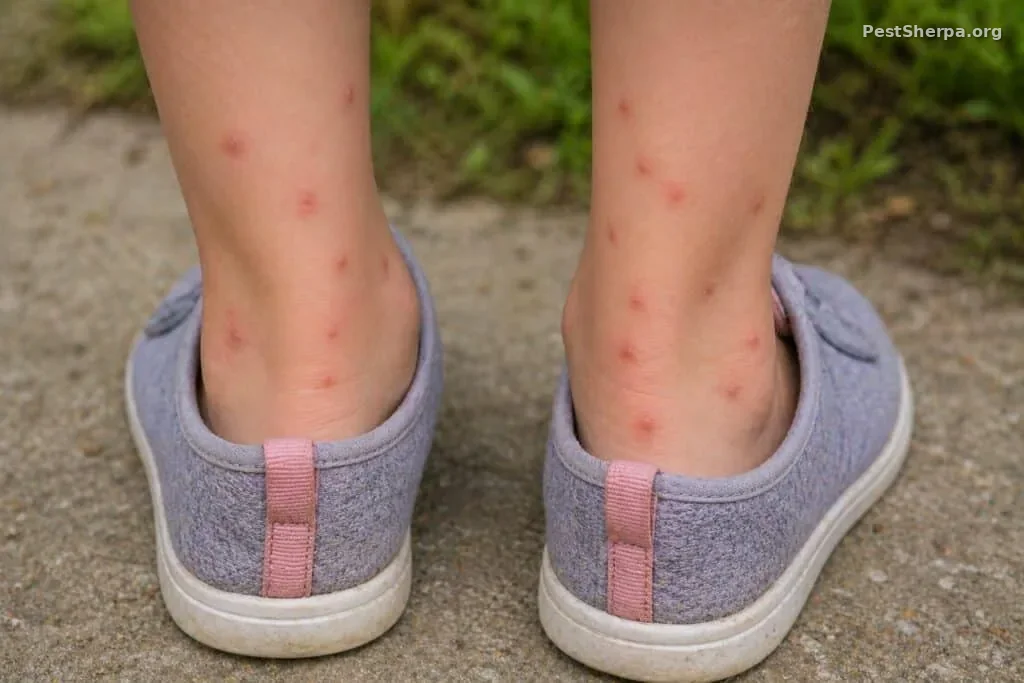
Asian Tiger Mosquitoes are also called “ankle biters” because of their tendency to bite lower legs such as ankles.
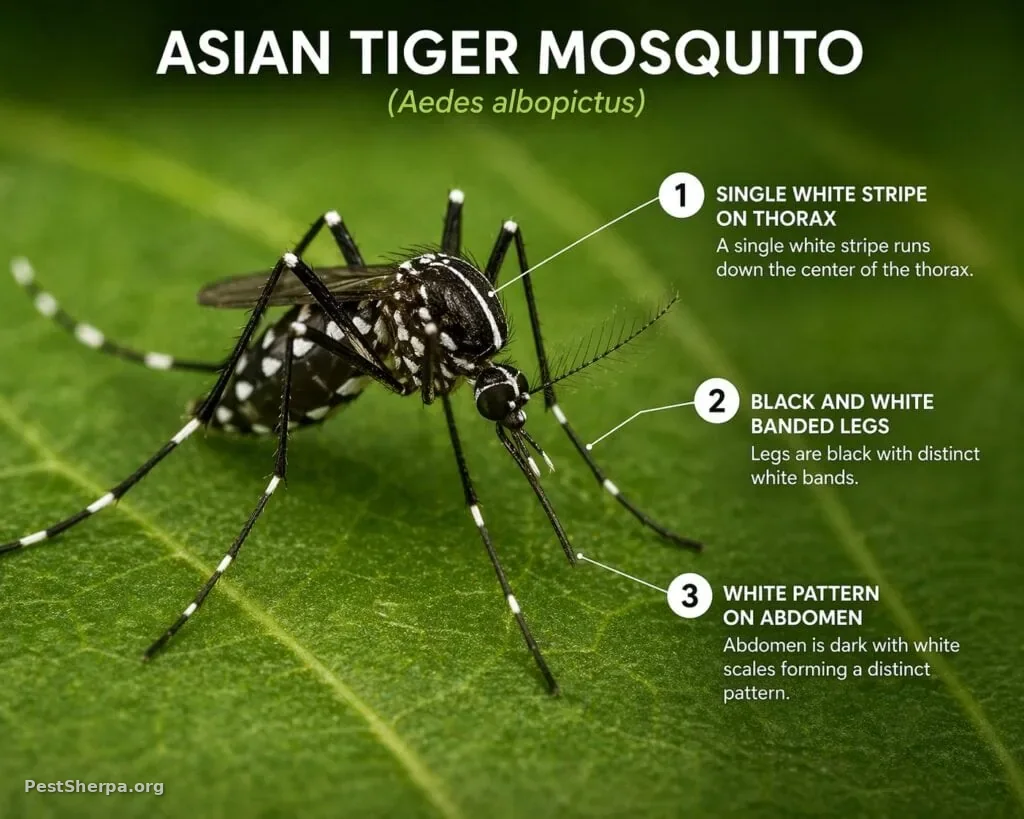
The LSU AgCenter notes that the single white stripe is a key diagnostic feature. The Illinois Department of Public Healthnotes that banded legs alone are not enough for a confident ID.
Common breeding sites:
- plant saucers
- birdbaths
- buckets
- toys
- tarps
- clogged gutters
- tires
- small outdoor containers
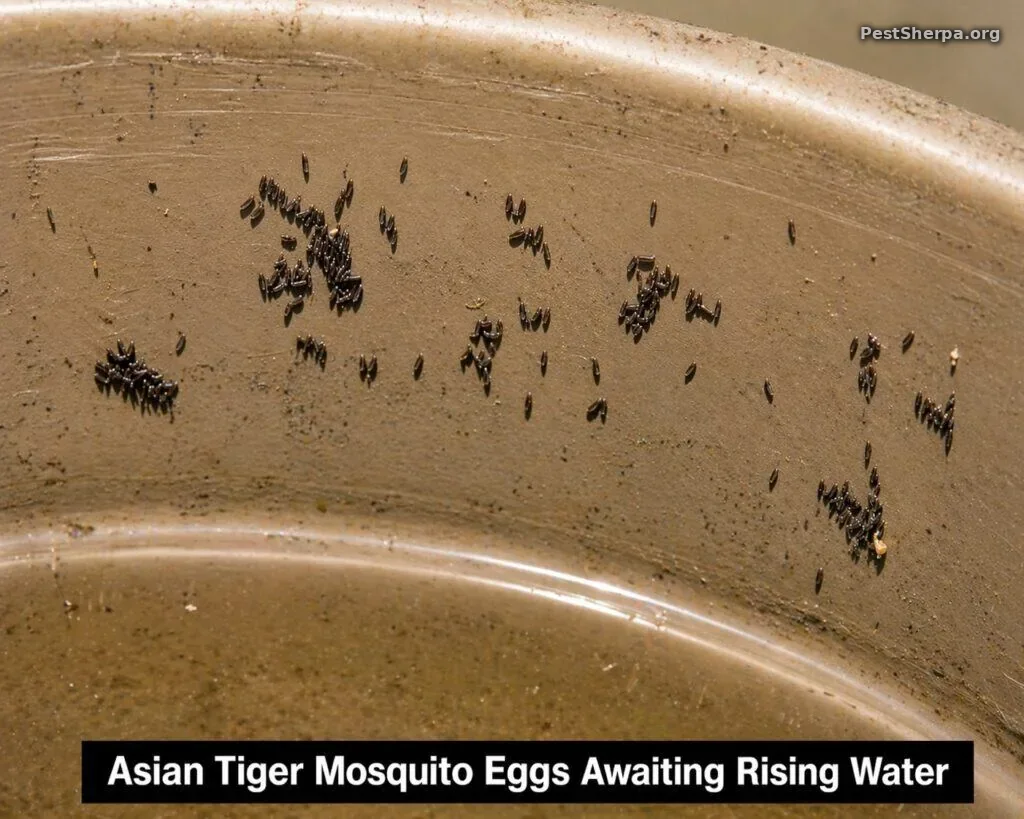
Asian Tiger Mosquitoes are sometimes called “tree hole” mosquitoes because of their tendency to lay eggs on walls of dry tree holes. When it rains, the hole fills with water and contacts the eggs which need water to hatch.

What commonly misleads homeowners:
- assuming every striped mosquito is the same species
- relying only on leg banding
- confusing them with yellow fever mosquitoes
- confusing them with Culex mosquitoes that are usually plainer and more dusk- to nighttime-active
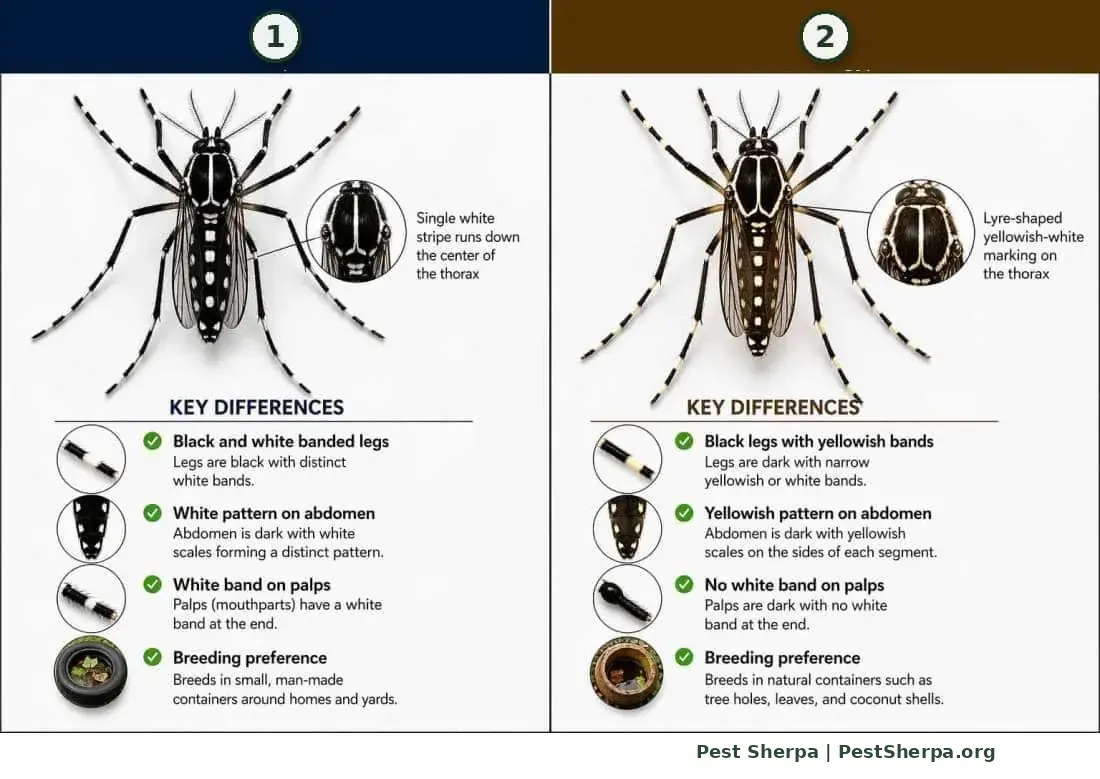
Which one do you see? Match the number:
- Asian tiger mosquito (Aedes albopictus): black with a single white stripe down the center of the thorax, black and white banded legs, a white pattern on the abdomen and a white band on the palps. Breeds in small containers around homes and bites in the daytime.
- Yellow fever mosquito (Aedes aegypti): dark with a lyre-shaped yellowish-white pattern on the thorax, legs with narrow pale bands and no white band on the palps. Breeds in natural and artificial containers and also bites in the daytime.
Why It Matters
This is mainly a nuisance and public-health pest, not a structural pest.
It matters because Asian tiger mosquitoes:
- bite aggressively during the day
- breed in very small water sources around homes
- can be hard to suppress if containers keep getting missed
- can transmit important viruses under the right conditions

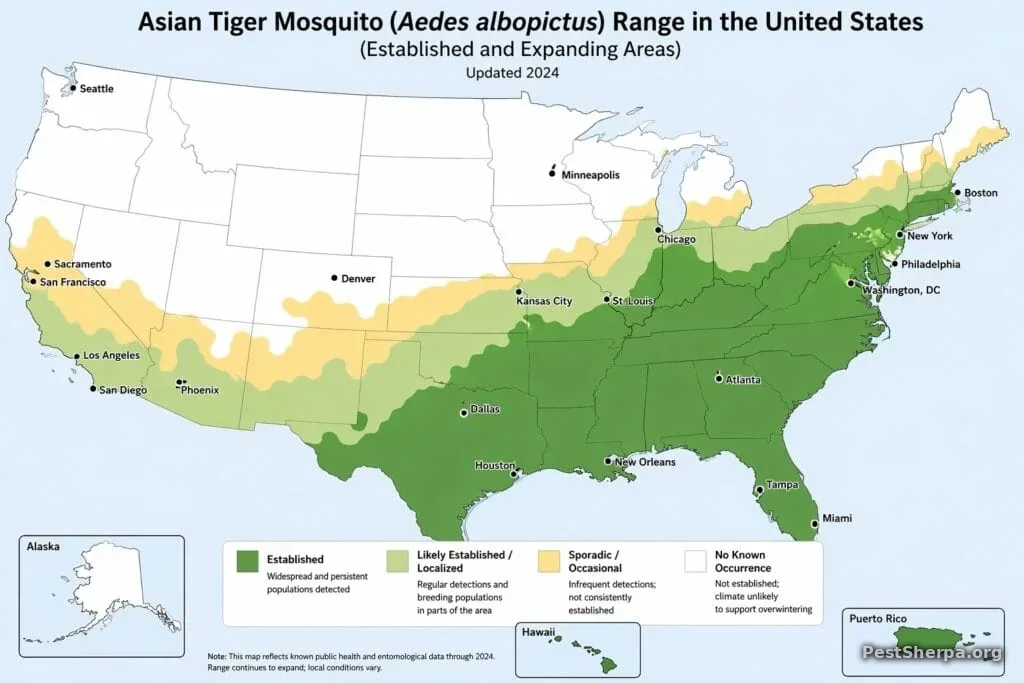
The California Department of Public Health notes that Aedes aegypti and Aedes albopictus can transmit dengue, chikungunya, and Zika. The practical homeowner takeaway is that recurring activity is often very local, because CDC says these mosquitoes usually fly only a few blocks over their lifetime. Asian tigers have been established in the continental U.S. since the 1980s, and my history of mosquitoes in Washington, D.C. shows how they joined a long line of mosquito problems in the nation’s capital.
What To Do
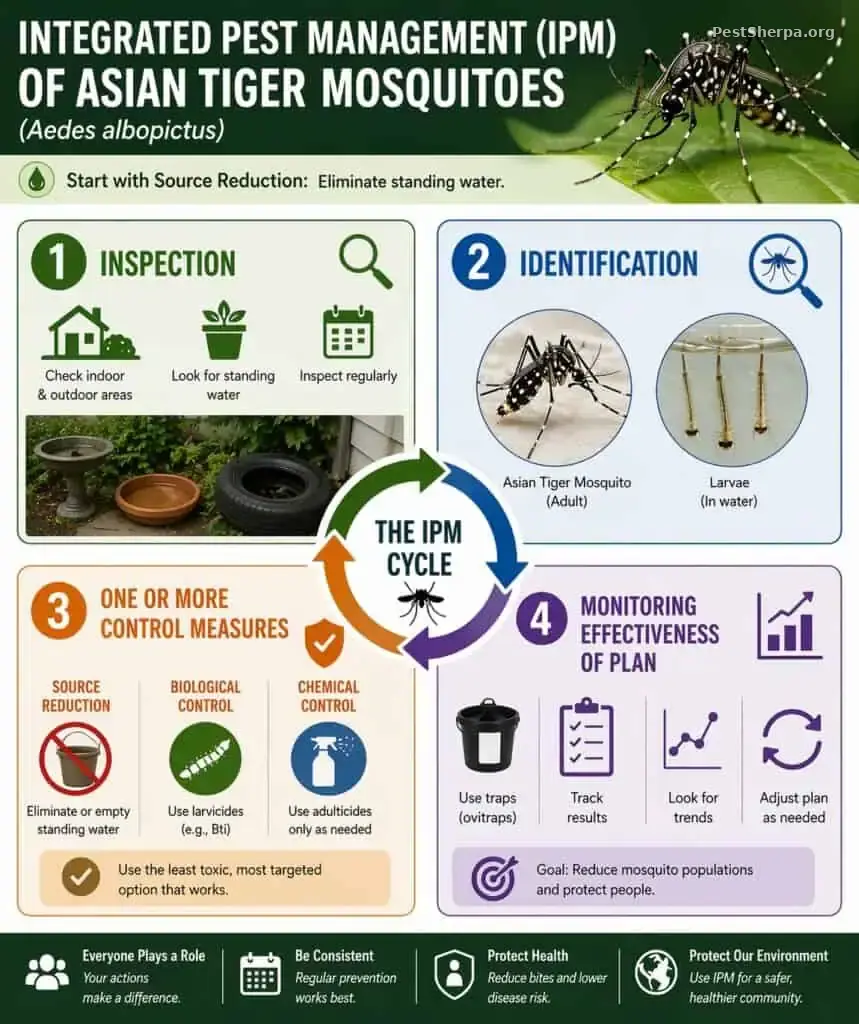
1. Dump and scrub containers weekly
The CDC says Aedes eggs are laid above the waterline and can survive drying for up to 8 months. Dumping alone is not enough; scrub the inside walls too.
2. Remove or cover water-holding items
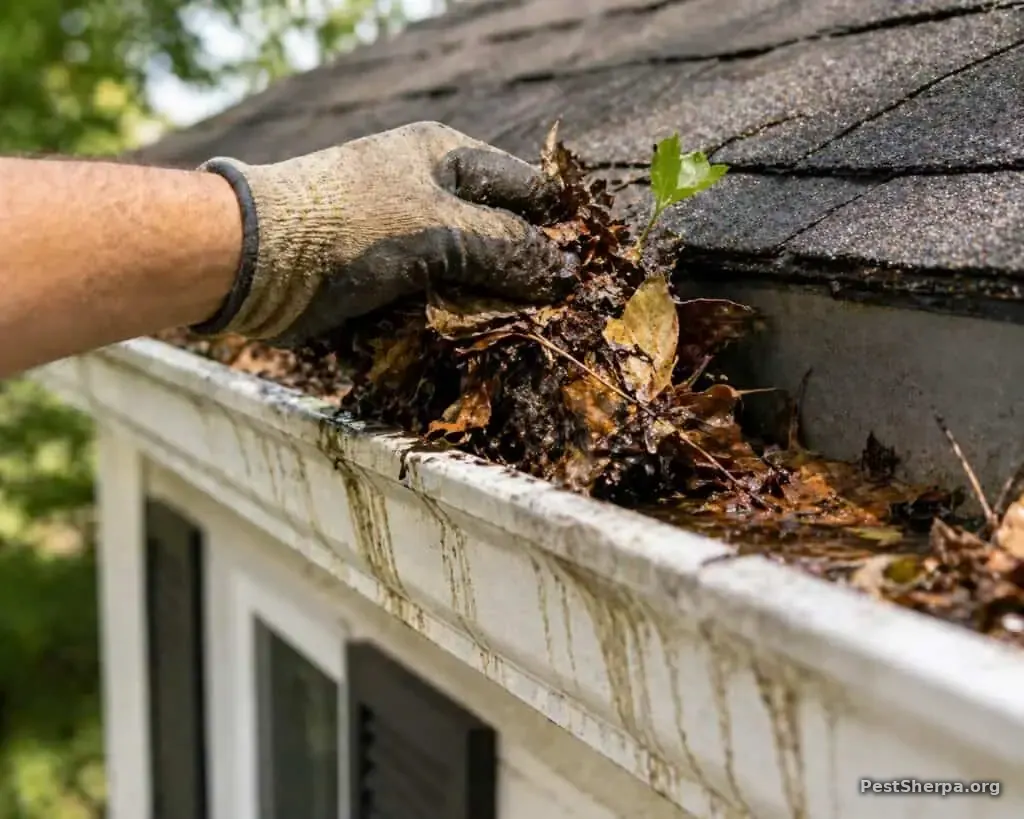
Store items upside down, tighten tarps, clean gutters, refresh birdbath water, and cover rain barrels.

3. Correct the conditions
Fix yard clutter, poor drainage, hidden containers, and debris-filled gutters.
4. Prevent bites
Use EPA mosquito guidance and EPA-registered repellents as directed.

5. Avoid wasted effort
What usually fails:
- one-time yard spraying without source reduction
- dumping without scrubbing
- ignoring side-yard and backyard containers
- assuming a pond is the source when tiny containers are the real problem
6. Be informed regarding misting systems
Some pest control companies offer units which mist yard areas on a timed schedule. They have their place but people cannot be in the area when the unmanned misters discharge mosquito control liquids. The CDC does not recommend routine use of residential misting systems. The EPA emphasizes integrated mosquito management instead.
When To Call a Pro
Call for help when:
- you still have repeated daytime biting after 2 to 3 weeks of weekly cleanup
- you cannot locate the breeding source
- neighboring or shared-property sources seem involved
- gutters, dense landscaping, or inaccessible areas are part of the problem
- you need a more confident species ID
- local vector-control involvement may be appropriate

Next steps: Pest Guides hub | Ask the Sherpa
Similar Pests
Asian tiger mosquito vs yellow fever mosquito
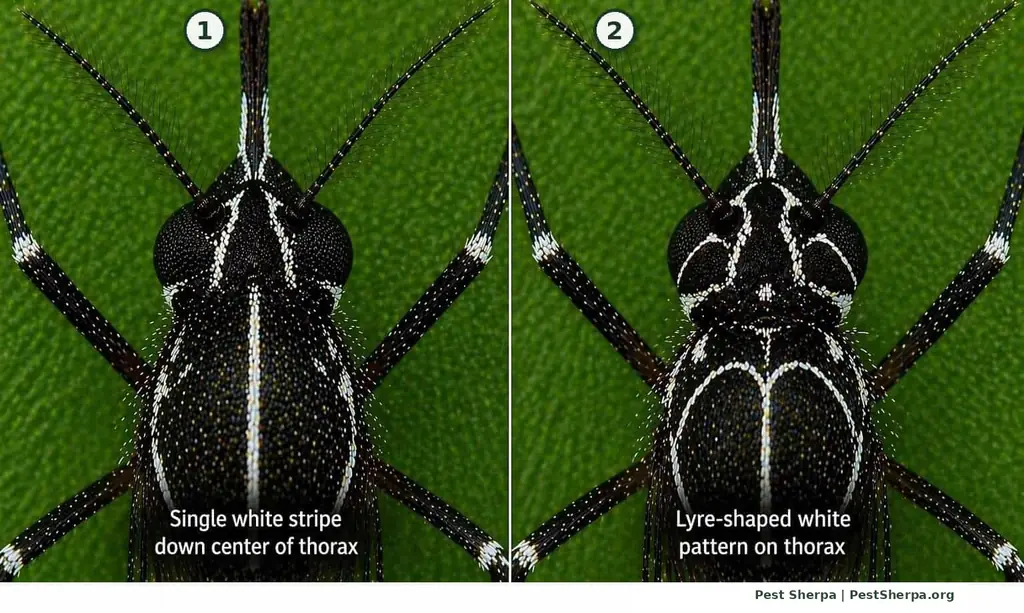
- Asian tiger mosquito: one straight white thorax stripe
- Yellow fever mosquito: lyre-shaped thorax marking
Compare: Yellow Fever Mosquito
Which one do you see? Match the number:
- Asian tiger mosquito (Aedes albopictus): a single bold white stripe straight down the center of the thorax.
- Yellow fever mosquito (Aedes aegypti): a white lyre-shaped pattern on the thorax: two curved outer lines with thin lines down the middle.
Asian tiger mosquito vs northern house mosquito
- Asian tiger mosquito: bold white striping, daytime biting
- Northern house mosquito: plainer, usually dusk/night activity
Compare: Northern House Mosquito
Which one do you see? Match the number:
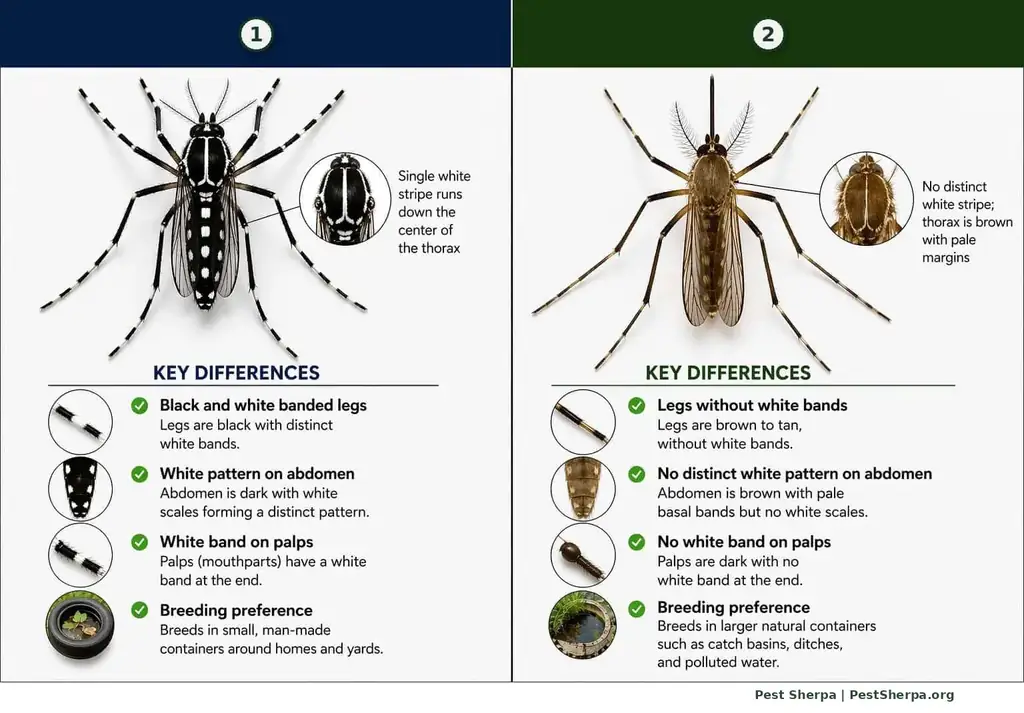
- Asian tiger mosquito (Aedes albopictus): black with a single white stripe down the center of the thorax, black and white banded legs, a white pattern on the abdomen and a white band on the palps. Breeds in small containers around homes and bites in the daytime.
- Northern house mosquito (Culex pipiens): brown with no white stripe, legs without white bands and no white band on the palps. Breeds in larger, dirtier water such as catch basins and ditches and bites at night.
I
Asian tiger mosquito vs southern house mosquito
- Asian tiger mosquito: strong white striping, container breeder
- Southern house mosquito: plainer, often tied to more organically enriched water
Compare: Southern House Mosquito
Which one do you see? Match the number:
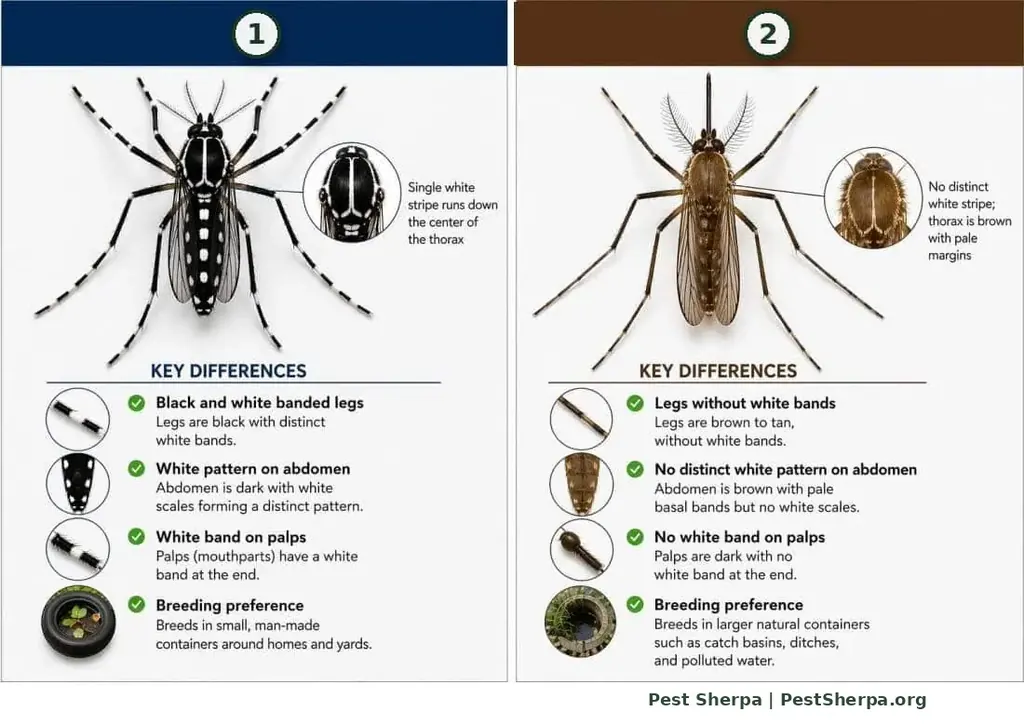
- Asian tiger mosquito (Aedes albopictus): black with a single white stripe down the center of the thorax, black and white banded legs, a white pattern on the abdomen and a white band on the palps. Breeds in small containers around homes and bites in the daytime.
- Southern house mosquito (Culex quinquefasciatus): brown with no white stripe, legs without white bands and pale bands at the base of each abdominal segment. Breeds in larger, polluted water and bites at night.
References
- CDC: Life Cycle of Aedes Mosquitoes
- CDC: Surveillance and Control of Aedes aegypti and Aedes albopictus in the United States
- CDC: Integrated Mosquito Management
- CDC: Misting Systems for Mosquitoes
- U.S. EPA: Mosquito Control
- U.S. EPA: Success in Mosquito Control: An Integrated Approach
- Illinois Department of Public Health: Asian Tiger Mosquito
- Ohio State University Extension: Asian Tiger Mosquito
- LSU AgCenter: Aedes albopictus, Asian Tiger Mosquito
- California Department of Public Health: Aedes aegypti and Aedes albopictus Mosquitoes
This article was written by Greg Baumann, founder of Pest Sherpa, and reflects more than 40 years of professional pest management experience.
About the Author

Greg Baumann | Pest Control Expert
Greg Baumann is the founder of Pest Sherpa and a Pest Control Expert with more than 40 years of professional pest management experience. His articles combine decades of field experience, technical expertise, and science-based guidance to help homeowners identify pests correctly, understand real-world risks, and make informed pest management decisions.
Mission: Identify the pest. Understand the risk. Stop the problem. Prevent the comeback. Know when it’s time to call a professional.