
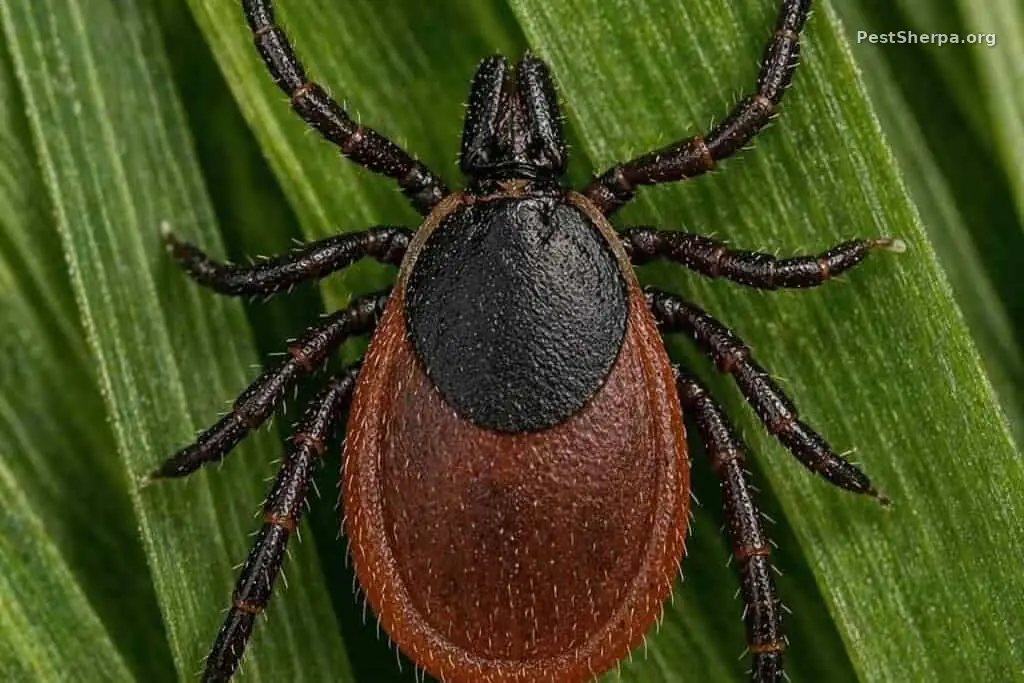
Our local news station had a story on ticks. Is Lyme disease a real threat?
Short answer: Yes. Lyme disease is a real, documented tick-borne illness in the United States. Many people never notice the tick that bit them, which is why local news stories and prevention habits both matter.
Why Lyme shows up in the news
Lyme disease is caused by bacteria transmitted by certain blacklegged ticks (also called deer ticks). Cases cluster in parts of the Northeast, Mid-Atlantic, Upper Midwest, and some West Coast areas, but travel and moving wildlife mean risk is not limited to one backyard. Public-health agencies track reported cases because untreated infection can lead to lasting joint, heart, or nervous-system problems.
What trips homeowners up is timing. A nymph tick is tiny, about the size of a poppy seed. It can feed and drop off before anyone sees it. By the time a bull’s-eye rash appears (and it does not always appear), days may have passed. That is why “I never saw a tick” does not rule Lyme out. Local TV stories often rise in late spring and summer because that is when people and nymph ticks overlap outdoors.
I treat Lyme as a prevention problem first. You cannot inspect every leaf of leaf litter, but you can change habits after hiking, yard work, or time in brush.
What you can do around the home and yard
- After time in brush, leaf litter, or tall grass, do a full-body tick check, including scalp, behind ears, underarms, waistband, and behind the knees.
- Shower soon after outdoor work. Clothes can go in a hot dryer for at least 10 minutes to help kill ticks.
- Mow edges, clear leaf litter near play areas, and keep wood piles off the house foundation when you can.
- Use EPA-registered insect repellents on skin when you will be in tick habitat, and follow the label.
- If you find an attached tick, remove it promptly with fine-tipped tweezers, grasp close to the skin, and pull straight out. Save the tick in a sealed bag if your clinician wants it identified.
When to talk with a clinician (and when a pest pro helps)
Fever, unexplained fatigue, joint pain, or a spreading rash after outdoor exposure deserve medical attention. This site cannot diagnose illness. On the property side, a pest management professional can help assess tick pressure around the yard (especially where deer or rodents travel). Ask for an inspection-first plan, not a fogger-only promise.
Related guides
References
- MedlinePlus: Lyme Disease
- CDC: About Lyme Disease
- CDC: About Ticks
- EPA: Find the Repellent Right for You
This article was written by Greg Baumann, founder of Pest Sherpa, and reflects more than 40 years of professional pest management experience.
About the Author

Greg Baumann | Pest Control Expert
Greg Baumann is the founder of Pest Sherpa and a Pest Control Expert with more than 40 years of professional pest management experience. His articles combine decades of field experience, technical expertise, and science-based guidance to help homeowners identify pests correctly, understand real-world risks, and make informed pest management decisions.
Mission: Identify the pest. Understand the risk. Stop the problem. Prevent the comeback. Know when it’s time to call a professional.