
Frequently Asked Questions About Lyme Disease: Ten Questions in One Minute
What causes Lyme disease?
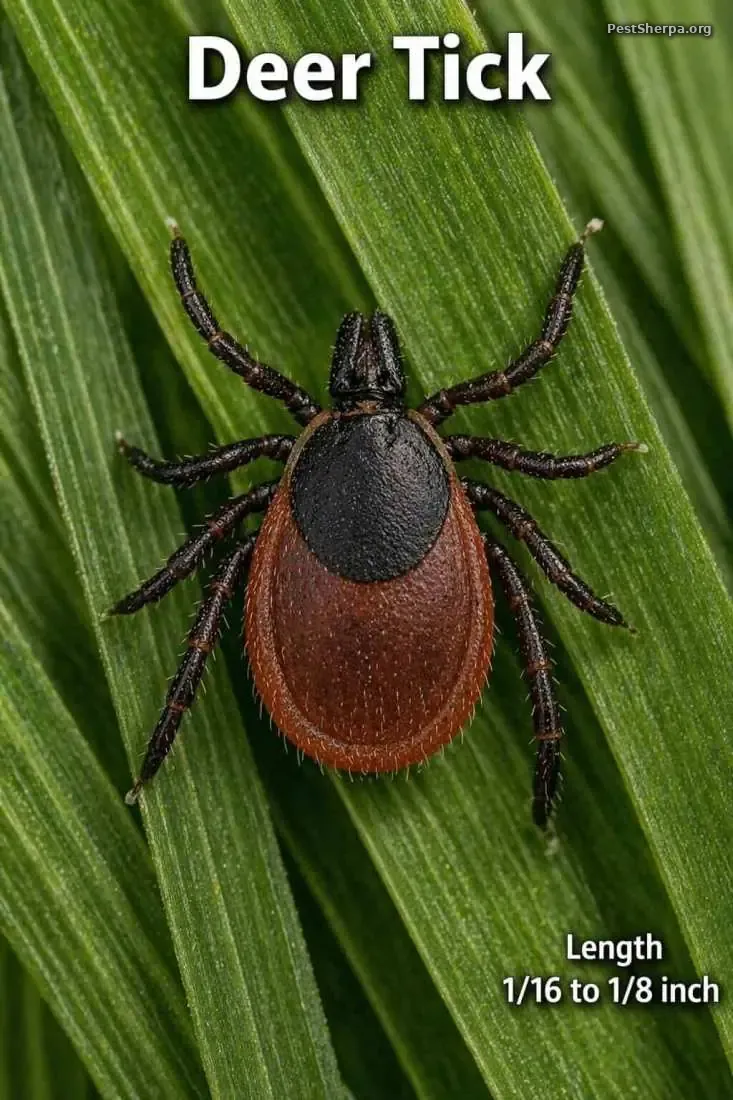
In the United States, Lyme disease is caused by the bacterium Borrelia burgdorferi and, rarely, Borrelia mayonii. It spreads through the bite of infected blacklegged ticks (deer ticks) in the Northeast, mid-Atlantic, and north-central states, and western blacklegged ticks along the Pacific Coast. [CDC]
How do people get Lyme disease?
People develop Lyme disease when an infected tick attaches to the skin and feeds on blood. Outdoor activities in wooded or grassy environments increase exposure risk.
What are the first symptoms of Lyme disease?
Early symptoms, usually 3 to 30 days after a tick bite, can include fever, chills, fatigue, headache, muscle and joint aches, swollen lymph nodes, and the erythema migrans rash. CDC says that rash shows up in about 70 to 80 percent of infected people. It expands over several days and is not always a bull’s-eye. [CDC]
Does every tick bite cause Lyme disease?
No. Not all ticks carry the bacteria, and the share that do varies from none to over 50 percent depending on the area and the tick’s life stage. CDC notes that blacklegged ticks in most of the Southeast are almost never infected. In most cases, an infected tick must be attached for more than 24 hours to pass the infection. [CDC]
How soon should a tick be removed?
Right away. Do not wait for a doctor’s appointment just to remove it. Use clean, fine-tipped tweezers, grab the tick as close to the skin as you can, and pull upward with steady, even pressure. Then clean the bite and your hands with soap and water, rubbing alcohol, or hand sanitizer. Because transmission usually takes more than 24 hours, removing a tick within a day greatly lowers your chance of Lyme disease. [CDC: after a tick bite] [CDC]
How is Lyme disease diagnosed?
Healthcare providers diagnose Lyme disease based on symptoms, history of tick exposure, and physical examination. Laboratory tests may be used to confirm infection. Antibody blood tests can be falsely negative in the first few weeks of infection, so an early negative result does not always rule it out. [CDC]
Can Lyme disease be treated?
Yes. CDC says most cases can be treated with 10 days to 4 weeks of antibiotics, most often doxycycline, amoxicillin, or cefuroxime axetil, and people treated early usually recover rapidly and completely. In some situations a single dose of doxycycline after a tick bite in an area where Lyme is common may lower the risk; ask your healthcare provider. [CDC]
What happens if Lyme disease is not treated?
Untreated Lyme disease may spread to other parts of the body. Later signs, days to months after the bite, can include arthritis with severe joint pain and swelling (especially in the knees), facial palsy, nerve pain, and heart palpitations or an irregular heartbeat (Lyme carditis). [CDC]
Can Lyme disease become chronic?
Some individuals experience lingering symptoms such as fatigue, body aches, or difficulty thinking after treatment, a condition known as Post-Treatment Lyme Disease Syndrome (PTLDS). CDC says the cause is currently unknown, that more antibiotics are unlikely to help people who were already treated, and it discourages the term “chronic Lyme disease” because it implies an ongoing infection. Talk with your healthcare provider about symptom care. [CDC]
How can people reduce the risk of Lyme disease?
Reducing risk involves preventing tick bites by wearing protective clothing, using repellents, checking for ticks after outdoor activities, and removing ticks promptly. CDC also recommends treating clothing and gear with 0.5% permethrin, using an EPA-registered repellent, showering within two hours of coming indoors, and tumble drying clothes on high heat for 10 minutes to kill ticks. [CDC: preventing tick bites]
Learn More
For a full walkthrough of what to do after a tick bite, how Lyme disease progresses, and when to see a doctor, read the Pest Sherpa guide to Lyme disease. To identify the tick itself, see the blacklegged (deer) tick guide.
References
- CDC: About Lyme Disease
- CDC: How Lyme Disease Spreads
- CDC: Signs and Symptoms of Lyme Disease
- CDC: Lyme Disease Testing
- CDC: Lyme Disease Treatment
- CDC: Chronic Symptoms and Lyme Disease
- CDC: Preventing Lyme Disease
- CDC: Preventing Tick Bites
- CDC: What to Do After a Tick Bite
- EPA: Find the Repellent That Is Right for You
This article was written by Greg Baumann, founder of Pest Sherpa, and reflects more than 40 years of professional pest management experience.
About the Author

Greg Baumann | Pest Control Expert
Greg Baumann is the founder of Pest Sherpa and a Pest Control Expert with more than 40 years of professional pest management experience. His articles combine decades of field experience, technical expertise, and science-based guidance to help homeowners identify pests correctly, understand real-world risks, and make informed pest management decisions.
Mission: Identify the pest. Understand the risk. Stop the problem. Prevent the comeback. Know when it’s time to call a professional.