
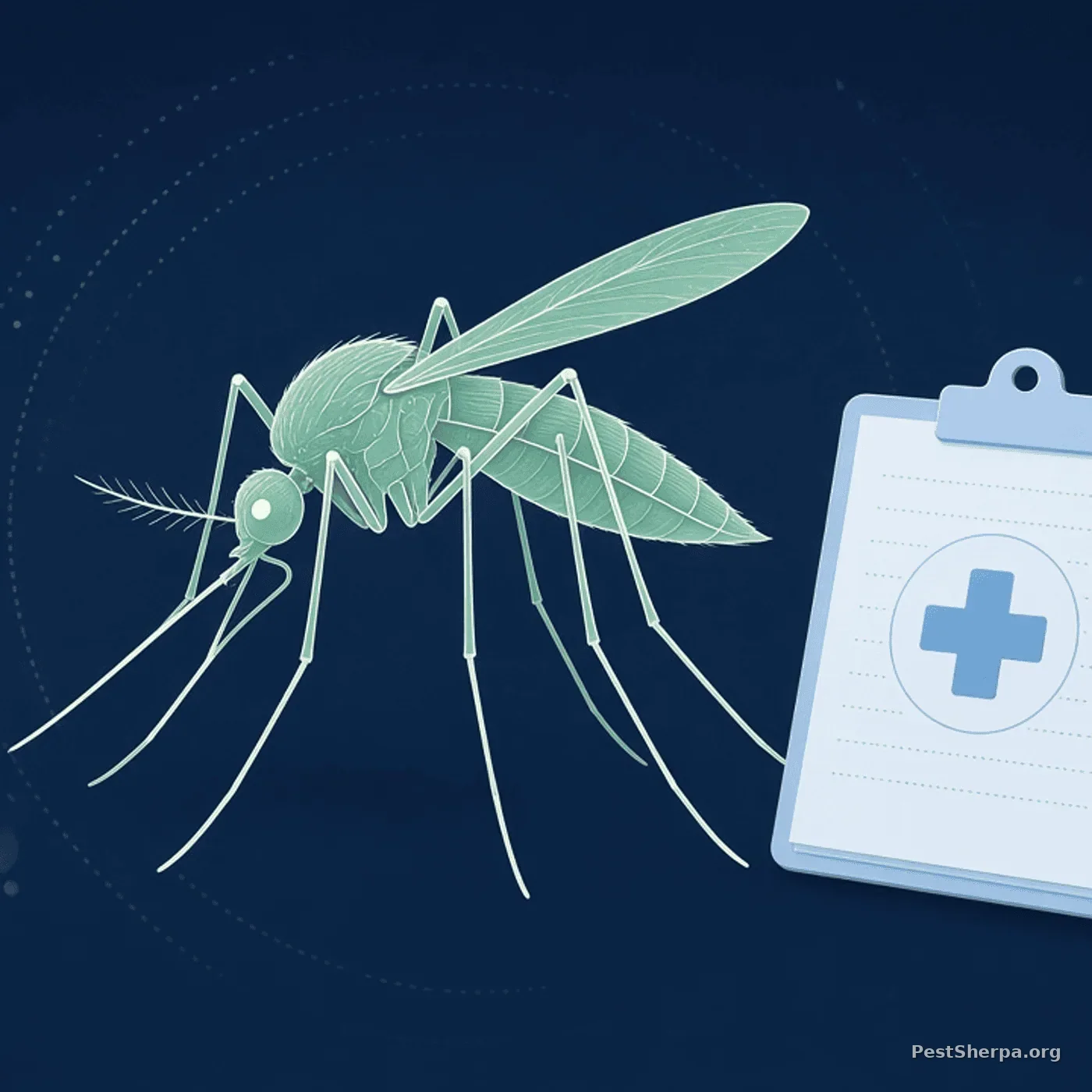
Disease & Public Health
Ticks, mosquitoes, and rodents do more than annoy people around a house. Some of them move pathogens (bacteria, viruses, and other agents) that can make people sick. That risk is why disease and public health sit next to everyday pest work: the insect or rodent is often the delivery system, and the property conditions that support them are what you can actually change.
What this means right now
October 2026 (updated Oct 19, 2026): Florida reports 368 locally acquired dengue cases across eight counties through October 10 (Week 40, Florida Department of Health). Hillsborough leads with 310, and Pinellas has climbed to 37. Day-biting mosquitoes drive that risk, so dump standing water and use an EPA-registered repellent outdoors; the West Nile page covers the broader mosquito-borne picture, and the mosquitoes guide helps with species ID. Tick and Lyme season still matters in fall; start with the Lyme guide for bite prevention and prompt removal. As nights cool and rodents push indoors, keep cleanup calm and careful; see Hantavirus for rodent-associated awareness around sheds, storage, and crawl spaces.
In this section
Lyme Disease: Causes, Symptoms, Treatment, and Public Health Response
Tick ecology, prevention, and calm medical boundaries for homeowners.
West Nile Virus: Causes and Mosquito Identification
Mosquito risk, what it means right now, and when a pro IPM plan helps.
Hantavirus Prevention and Rodent Identification
Rodent-associated risk, cleanup caution, and links into rodent Guides.
Vector-borne illness travels with an arthropod bite or contact. Lyme disease is the clear example homeowners meet through ticks; West Nile virus is the one that tracks with mosquitoes and bird reservoirs in many communities. Rodent-associated disease is different: exposure often comes from contaminated dust, droppings, or nesting material in sheds, cabins, crawl spaces, and storage, not from a mosquito or tick. In both cases, the practical question is the same. What pest is involved, how does exposure happen, and what can you do on the ground to lower the odds?
For homeowners, that usually means yard and structural habits that cut contact: tick checks after time in brush, reducing standing water that breeds mosquitoes, and careful cleanup when rodents have been nesting indoors. For technicians, it means treating the pest and the habitat with the health risk in mind, and explaining prevention in plain English so the customer knows what matters after the visit.
Nothing on these pages replaces medical care. If you have symptoms after a tick bite, mosquito exposure, or rodent contact, talk to a qualified clinician. Public-health agencies such as the CDC publish clinical guidance; our job here is the ecology and prevention side, so you ask better questions and reduce exposure around the property.
The articles above go into Lyme disease, West Nile virus, and hantavirus: what drives transmission, which pests are involved, and what prevention looks like in real buildings and yards. Use them when you need more than a quick answer. For species identification and control checklists, start with the matching Pest Guides. For a short field question, use Ask the Sherpa. For the policy and history side, see my explainer on Executive Order 14433, the federal mosquito and tick order, and my history of mosquitoes and disease in Washington, D.C.
This article was written by Greg Baumann, founder of Pest Sherpa, and reflects more than 40 years of professional pest management experience.
About the Author

Greg Baumann | Pest Control Expert
Greg Baumann is the founder of Pest Sherpa and a Pest Control Expert with more than 40 years of professional pest management experience. His articles combine decades of field experience, technical expertise, and science-based guidance to help homeowners identify pests correctly, understand real-world risks, and make informed pest management decisions.
Mission: Identify the pest. Understand the risk. Stop the problem. Prevent the comeback. Know when it’s time to call a professional.