
Flea Facts That Explain Why One Spray Rarely Works

Key Points
- Misconception: a single day of spraying cannot overcome cocoons in which hungry adults are waiting to emerge.
- Misconception: treating only the yard or only the carpet leaves the pets, the source of the infestation, untreated.
- What matters: the timing of the flea life cycle explains the familiar rebound two weeks after treatment.
- Recommended approach: treat pets correctly, vacuum on a schedule, and cite the linkable facts. Do not take shortcuts.
In This Guide
- Why one spray fails
- Myth: one-and-done spray
- Fact: pupae wait you out
- Myth: yard-only plans
- Fact: the pet is the engine
- Myth: cat fleas only on cats
- Fact: vacuuming is real control
- Myth: bite patterns prove everything
- What to do this weekend
- When to call a pro
- Linkable facts
- FAQ
- References
Fleas leave conscientious people feeling cheated. They spray an insecticide, wash the dog once, and two weeks later their ankles are itching again. The missing piece is almost always the life cycle: eggs, larvae, well-protected pupae, and finally adults. This guide explains the rebound plainly and without alarm. Pair it with cat fleas and dog fleas.
A note on purpose: Pest Sherpa’s flea guides exist because accounts of rebounding infestations are remarkably similar. If a product’s marketing does not mention pupae or pets, disregard it.
If you change only one habit after reading this page, put every pet on a schedule guided by your veterinarian before you buy another fogger.
Homeowners can share the weekend checklist when the household debates whether spraying the yard alone was enough.
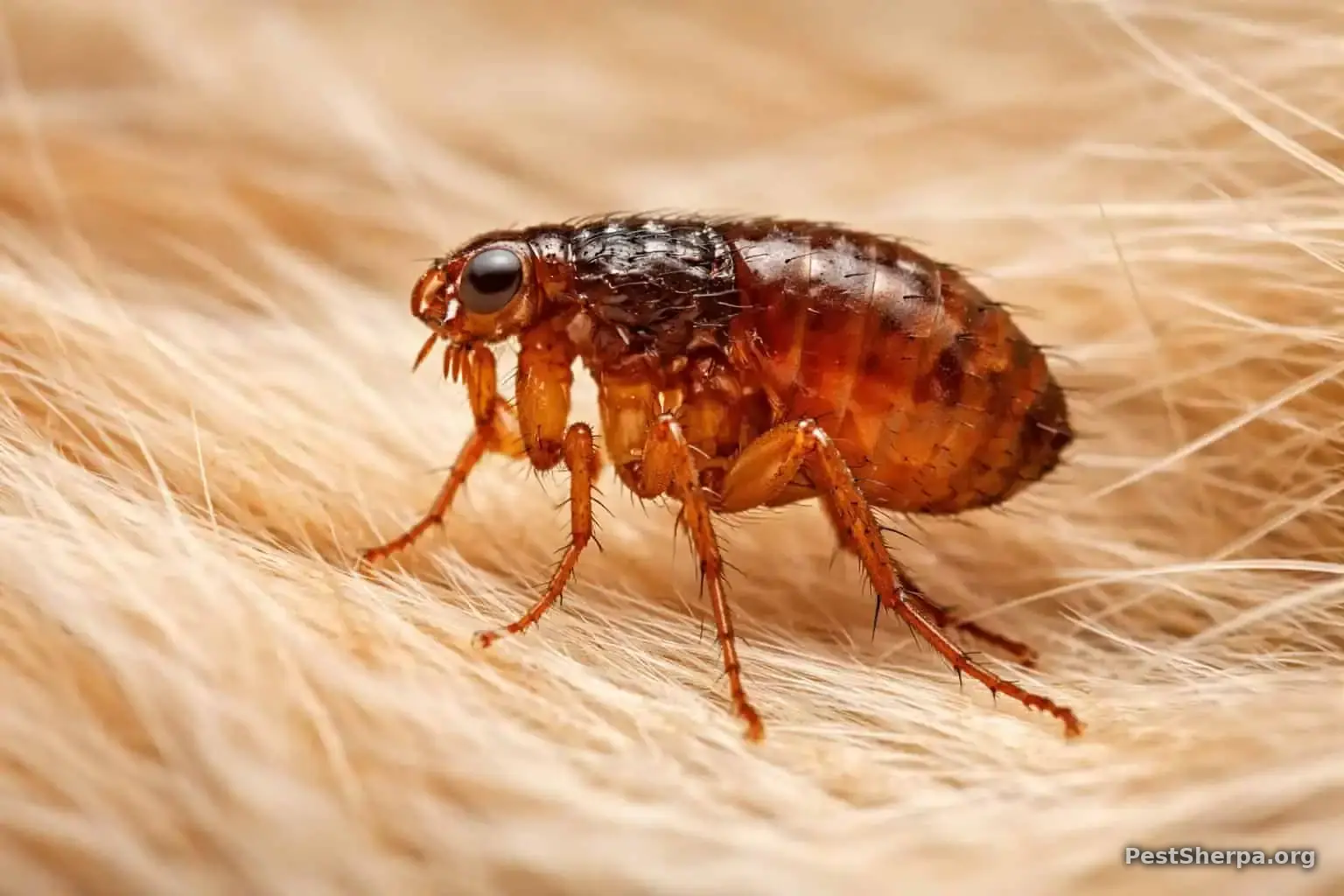
The prevalence of cat fleas on dogs still surprises people who place too much faith in common names. Rely on product labels, veterinarians, and the timing of the life stages rather than on the word “cat” in the insect’s name.
After weeks of heavy flea activity, seal used vacuum bags or the contents emptied from canisters and place them in the outdoor trash. Adults emerging from a warm vacuum bag in a utility closet are an avoidable setback.
Why one spray fails
Adulticides can kill the fleas you see, but pupae inside their cocoons are frequently unaffected. Vibration from vacuuming or foot traffic can then trigger their emergence into a house you believed was already clear. [UC IPM] [CDC] [EPA]
MISCONCEPTION
“One spray day ends fleas”
The evidence: a single environmental spray rarely reaches every life stage. A rebound within one to three weeks is common when pupae hatch and pets have not been adequately treated.
Plan a program measured in weeks, not hours.
WHAT THE EVIDENCE SHOWS
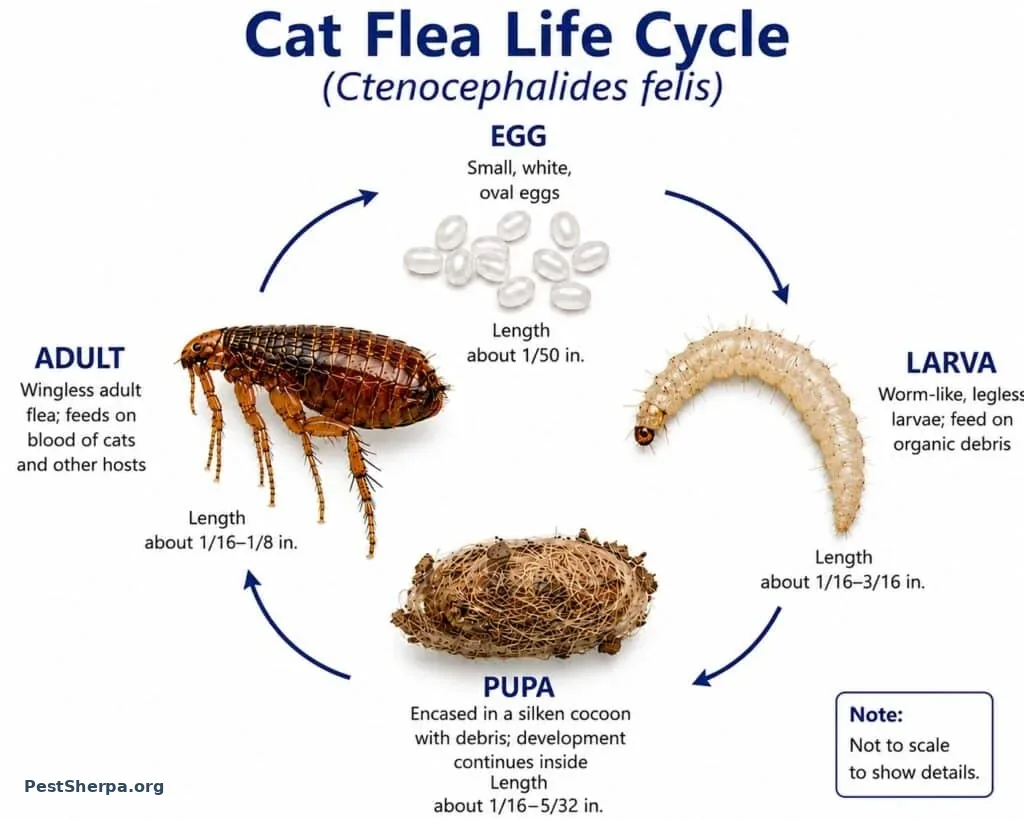
The pupa is why fleas feel unbeatable
Within a sticky cocoon coated with debris, the pupa is shielded from many treatments, and it can remain dormant for some time. When the household becomes active again, new adults appear as though the treatment had never occurred.
Vacuuming helps stimulate emergence while your follow-up program is still in place to address the new adults. [UC IPM]
MISCONCEPTION
“If I spray the yard I can ignore the carpet”
The evidence: outdoor treatment can help where pets rest outside, but eggs and larvae indoors in carpets, crevices, and pet bedding keep the infestation going. When both areas are involved, treat both.
WHAT THE EVIDENCE SHOWS
On-animal treatment is not a scheme just to sell products
Adult fleas spend much of their time on the pet. Products applied to the animal under a veterinarian’s guidance, used on every pet in the home on schedule, cut off the infestation’s supply of blood meals.
Never use a dog product on a cat unless the label clearly permits it. Both the weight and the species of the animal matter, so consult your veterinarian. [EPA] [CAPC]
MISCONCEPTION
“Cat fleas only live on cats”
The evidence: Cat fleas are the most common household flea on both dogs and cats in many regions of the United States, and they bite people as well.
The name reflects the history of their classification, not a preference for one host.
WHAT THE EVIDENCE SHOWS
Vacuuming is a control step, not housework trivia
During an outbreak, vacuum floors, furniture edges, and the areas beneath cushions every day, and dispose of bags or canister contents carefully. Wash pet bedding on a hot cycle whenever the fabric allows.
Vacuuming removes eggs and larvae and stimulates pupae to emerge, which brings them into a stage that treatment can reach.
MISCONCEPTION
“If bites are on my ankles it must be bed bugs”
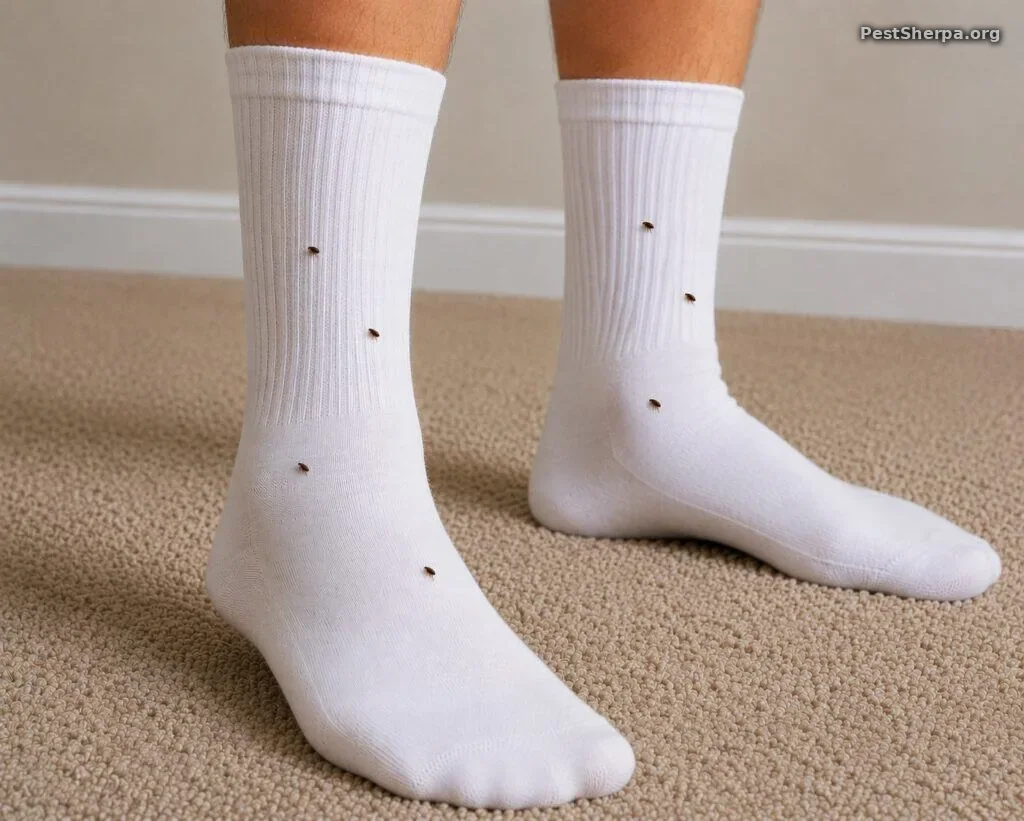
The evidence: clusters of bites on the ankles and lower legs often point to fleas in carpeting where people walk, while bed bugs tend to concentrate around sleeping furniture. Neither rule is absolute.
Collect a specimen whenever possible, because confusing fleas with bed bugs can waste weeks. See also bed bug facts vs fear.
WHAT THE EVIDENCE SHOWS
No-pet homes can still get fleas from wildlife staging areas
Raccoons, opossums, or feral animals sheltering under a porch can introduce fleas into the yard and entryways. Excluding wildlife from beneath structures matters when indoor pets are not the whole explanation.
A simple 21-day mental model
Think in terms of three weeks rather than one afternoon. In the first week, begin treating the animals, vacuum daily, launder on hot settings, and treat the indoor environment as the label directs. In the second week, pupae emerge into a program that is still active. By the third week, numbers should be declining, provided the pets remain treated and the vacuuming has continued.
If the third week looks like the first, something was missed: a pet, a room, wildlife under the porch, or the wrong product. Correct the omission rather than buying a stronger fogger.
Multi-pet homes and the untreated roommate problem
The outdoor cat that supposedly never comes inside, the rabbit, the foster dog: fleas do not observe a household’s distinctions among its animals. Every mammal host in the home’s orbit needs a plan, so ask your veterinarian how to sequence products safely when different species share the same furniture.
Work on the indoor environment still matters because eggs continually fall from the animals into the carpet. Combine an understanding of cat flea biology with persistent vacuuming. [UC IPM] [CAPC]
People bites when pets “seem fine”
Pets can carry fleas without scratching as noticeably as people expect, particularly early in an infestation, while people collect ankle bites sitting in a favorite chair on the carpet. Check your pets with a flea comb over white paper rather than waiting for obvious signs from the animal.
If you find fleas and also travel frequently, keep the possibility of bed bugs in mind and collect specimens. Jumping insects associated with pets point to fleas, while bites clustered around sleeping furniture point more toward bed bugs.
IGRs and why labels mention development
Insect growth regulators (IGRs) appear in many flea programs because killing the adults without disrupting the immature stages invites a rebound. IGRs prevent the fleas from reaching the mature adult reproductive stage. It is smart pest management. You do not need to become a chemist, but you should stop buying so-called flea bombs that do nothing about eggs and larvae. They kill adults but not the earlier stages of the flea’s life.
UC IPM and veterinary guidelines consistently recommend an integrated approach that addresses the host, the indoor environment, and outdoor resting areas where relevant. [UC IPM] [EPA]
Furniture, cars, and the places people forget
Pet car seats, favorite couches, and the rug beneath the crib are frequently overlooked while people spray baseboards that fleas rarely use. Vacuum the soft surfaces, and treat or cover what you cannot wash. Do not move pets outdoors during heavy emergence to spare yourself bites. Without a pet to feed on, newly emerged fleas are more likely to bite people, so keep treating the pets and the indoor environment while the program runs its course. [CDC]
Write out a checklist room by room, because fleas take advantage of whichever room was assumed to be fine.
Kennels, groomers, and reintroduction after you win
A house can be cleared and then reinfested by a stay at a boarding kennel or the arrival of a foster animal. Ask about flea protocols before your pets visit facilities with high turnover, and keep new animals separated for a period your veterinarian recommends before they share the sofa.
Success has to be maintained. A calendar reminder for preventive treatment on the animals is far more effective than an annual fogging ritual.
Rentals, deposits, and proving you took fleas seriously
Disputes between tenants and landlords over fleas are common because the evidence is uncomfortable and emotions run high. Check the language of the lease, and do not treat a rental property without confirming that the lease permits it. If the landlord is responsible for all pest control, work closely with the landlord. If you intend to seek compensation, keep receipts for pet products recommended by your veterinarian, a dated vacuuming log if you are thorough, and photographs of flea dirt on light-colored bedding. A dated timeline accomplishes more than blame, and neither landlords nor tenants want fleas in the building.
If you are moving out, do not leave pupae behind for the next resident. Complete the treatments on your animals, vacuum the empty closets, and be candid in your move-out notes. Furniture left at the curb from a home with fleas should be treated as contaminated until there is good reason to believe otherwise.
Property managers should address flea expectations for pets in the lease, using language that refers to veterinary products rather than requiring foggers. Fogger requirements generate complaints and still leave fleas behind. You do not want to encourage tenants to apply chemicals in their units for difficult pest problems; call a professional before the situation gets out of hand.
The final point for homeowners is this: fleas are a problem of timing that presents itself as a problem of spraying. Treat every pet as your veterinarian directs, vacuum as though it were a medical necessity, wash the soft furnishings, and plan for pupae to hatch while your program is still active. A single intensive afternoon almost never resolves the problem, while three disciplined weeks frequently do.
What to do this weekend
- Talk with your veterinarian about treating every pet in the home. If you prefer not to use products applied to the animal, discuss the alternatives. Do not develop home brews to replace treatments suggested by the veterinarian.
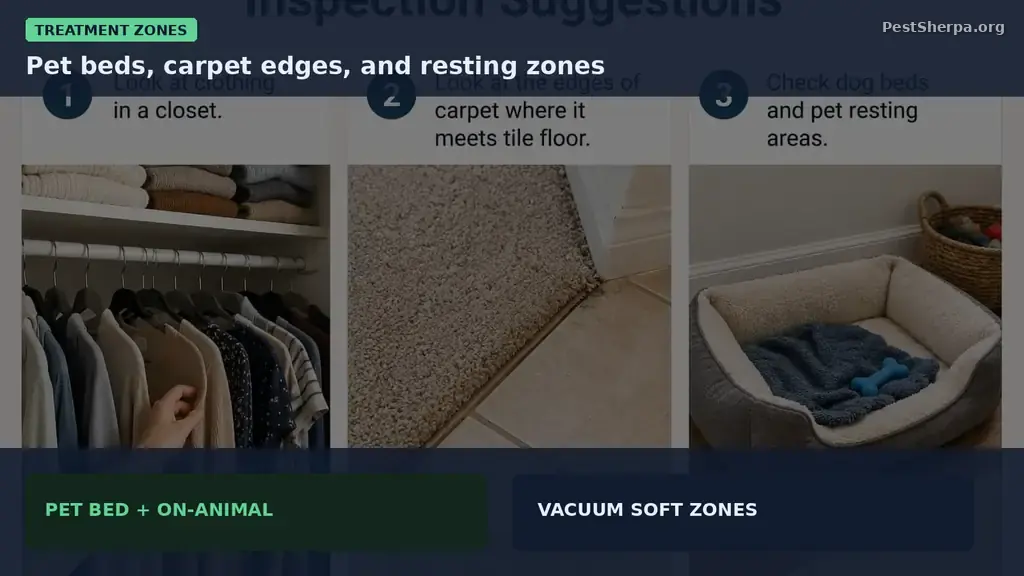
- Wash pet beds and throw blankets, and vacuum carpets and furniture edges thoroughly.
- Treat the indoor environment with a labeled product suited to fleas, or hire a professional, and schedule a follow-up.
- Check the areas where pets rest in the yard and any access for wildlife beneath the porch.
- Do not rely on a box of foggers as your only measure, because foggers do nothing for the egg or the pupa.
When to call a professional (and when your own efforts are enough)
A homeowner’s program can succeed when the infestation is light, the pets are treated correctly, vacuuming is persistent, you have no neighbors who might pass the fleas to you or your pet, and laundry keeps pace. Call a pest management professional for heavy indoor infestations, multi-pet households where fleas keep returning, or when you need a coordinated treatment of the environment. Keep your veterinarian involved in decisions about products applied to the animals. Our Hiring guidance covers the structural side.
Related guides: fleas hub, cat fleas, dog fleas, and the bed bugs hub for distinguishing look-alike bites.
Linkable facts
Concise, cite-ready statements. Deep-link this box with #linkable-facts or link a single line with #lf-1 through #lf-6.
- LF1. Flea pupae are protected inside cocoons and often survive sprays and environmental treatments that kill adults.
- LF2. Adult fleas spend much of their time on the pet, so treating only the carpet leaves the source of the infestation untreated.
- LF3. Despite the name, cat fleas (Ctenocephalides felis) are the common household flea on both dogs and cats in many regions.
- LF4. Vacuuming removes eggs and larvae and stimulates pupae to emerge into a stage that can be exposed to pest control treatments.
- LF5. A single day of spraying without treating pets, laundering, and following up almost guarantees a rebound within one to three weeks.
- LF6. Bites on the ankles and lower legs, in a line or a cluster, are a classic pattern when fleas are present in carpeting or furniture.
Deep-link #fact-pupa when explaining rebounds, or #linkable-facts for the full list of citable statements.
Suggested citation: Greg Baumann, Pest Control Expert, Pest Sherpa. “Flea Facts That Explain Why One Spray Rarely Works.” https://pestsherpa.org/pest-guide/fleas/flea-facts-why-one-spray-never-works/ (deep-link https://pestsherpa.org/pest-guide/fleas/flea-facts-why-one-spray-never-works/#linkable-facts).
Frequently asked questions
Why do fleas come back after I sprayed?
Pupae inside their cocoons often survive treatment, and new adults emerge later, particularly in response to vibration from foot traffic. Treat the pets, wash textiles, vacuum, and schedule follow-up treatments.
Do I have fleas if I have no pets?
It is possible. Wildlife beneath a porch, previous pets, or visiting animals can introduce fleas into a home, although indoor larvae still require organic debris to develop.
Are cat fleas only on cats?
No. Cat fleas commonly infest dogs and bite people; the name is historical and says nothing about which hosts they prefer.
Will a yard spray alone fix indoor fleas?
Rarely. If the infestation is established indoors, on the pets and in the carpets, treating the yard addresses only one part of the problem.
Is it safe to use any flea product on any pet?
No. The species, weight, and age of the animal all matter, and some dog products are dangerous to cats. Read the labels carefully and consult a veterinarian.
Fleas or bed bugs?
Fleas jump and are usually associated with pets, while bed bugs crawl and concentrate around sleeping furniture. Collect a specimen whenever you can.
Have a question I did not cover? Send it to Ask the Sherpa.
References
This article was written by Greg Baumann, founder of Pest Sherpa, and reflects more than 40 years of professional pest management experience.
About the Author

Greg Baumann | Pest Control Expert
Greg Baumann is the founder of Pest Sherpa and a Pest Control Expert with more than 40 years of professional pest management experience. His articles combine decades of field experience, technical expertise, and science-based guidance to help homeowners identify pests correctly, understand real-world risks, and make informed pest management decisions.
Mission: Identify the pest. Understand the risk. Stop the problem. Prevent the comeback. Know when it’s time to call a professional.