
Is Hantavirus Contagious From Person to Person?
Short answer: In the United States, the hantaviruses that cause Hantavirus Pulmonary Syndrome are not generally spread from person to person. People usually get infected by breathing dust contaminated with urine, droppings, or saliva from infected rodents (especially certain wild mice), or by other contact with those materials. This is not medical advice; clinicians and CDC guidance govern care.
How exposure usually happens
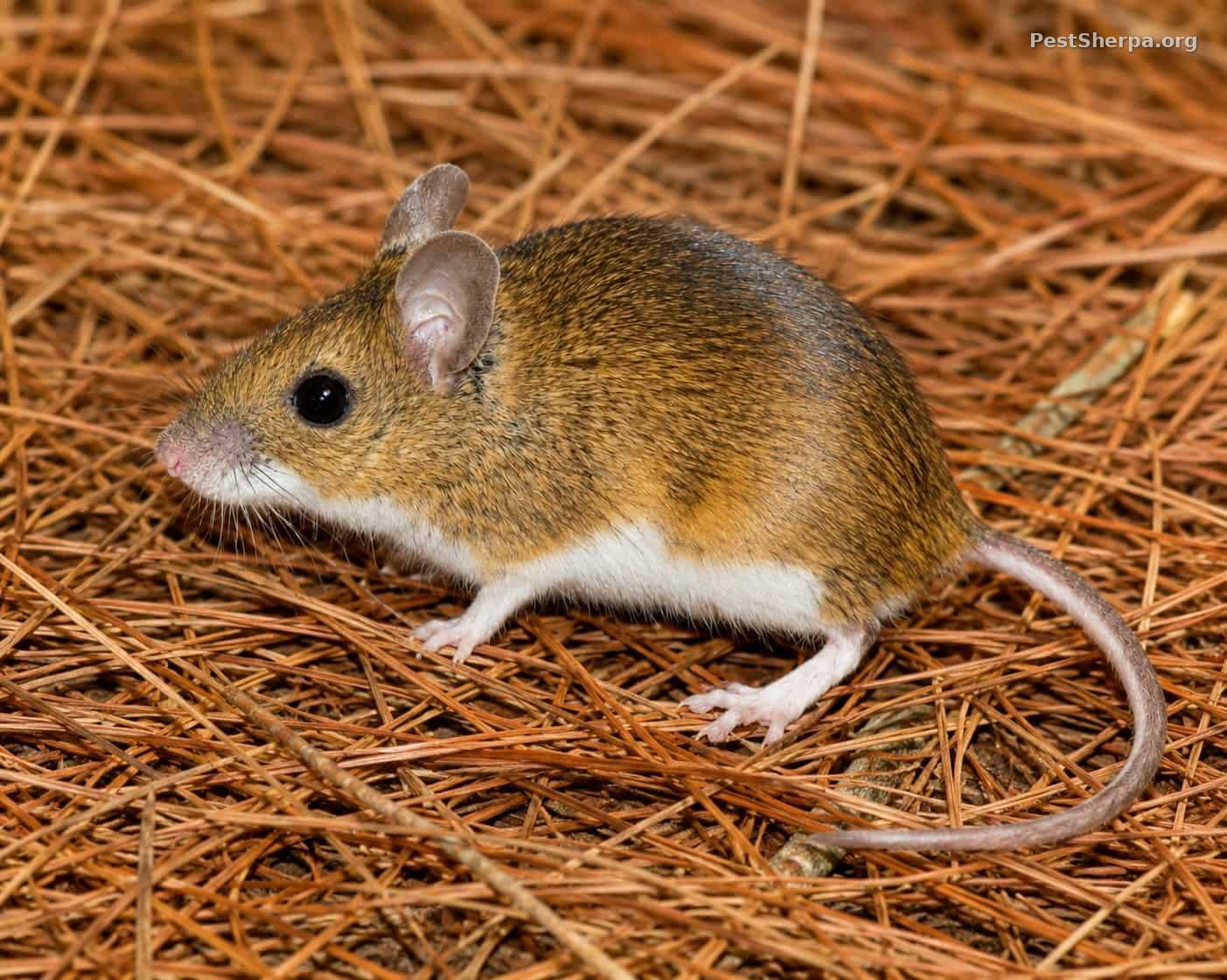
Deer mice and related rodents can carry virus without looking sick. Cleaning sheds, cabins, crawl spaces, and storage rooms stirs dried droppings into the air. Bite exposures and touching contaminated surfaces then touching the mouth or nose are also discussed in public-health materials. Person-to-person spread of the North American HPS-associated viruses is not the expected pattern (some Old World hantaviruses behave differently abroad).
Practical prevention around buildings
- Seal gaps that let rodents enter living and storage spaces.
- Store food and pet food in rodent-proof containers.
- Before cleaning heavy droppings, ventilate, wet down materials with disinfectant, and avoid dry sweeping.
- Wear appropriate protection for dusty cleanups in enclosed spaces.
- Trap and remove rodents, then clean carefully rather than leaving nests undisturbed for months.
When to seek medical care
Fever, muscle aches, and breathing difficulty after rodent exposure need prompt clinical evaluation. Pest Sherpa explains rodent ecology and cleanup themes; we do not diagnose illness. See our Hantavirus Pest Lab article and Rodent Guide for property-side detail.
Why this Ask answer exists
Families often worry about contagion between people after a mouse problem. The usual U.S. risk path is rodent-contaminated dust and debris, which is why exclusion and careful cleanup matter more than isolating household members from each other for hantavirus alone.
Cleanup beats fear of people
Families sometimes quarantine each other after finding mice because they fear hantavirus contagion. In typical U.S. home settings, redirect that energy into sealing entry points and cleaning nests safely. If illness appears after rodent exposure, call a clinician promptly and tell them about the exposure history.
Regional rodent hosts
Different regions emphasize different rodent hosts in public-health materials, but the shared theme is the same: keep wild rodents out of living spaces and clean nesting areas carefully. Cabin openings in spring and fall are classic exposure windows when people disturb winter nests.
Related guides
References
This article was written by Greg Baumann, founder of Pest Sherpa, and reflects more than 40 years of professional pest management experience.
About the Author

Greg Baumann | Pest Control Expert
Greg Baumann is the founder of Pest Sherpa and a Pest Control Expert with more than 40 years of professional pest management experience. His articles combine decades of field experience, technical expertise, and science-based guidance to help homeowners identify pests correctly, understand real-world risks, and make informed pest management decisions.
Mission: Identify the pest. Understand the risk. Stop the problem. Prevent the comeback. Know when it’s time to call a professional.