
Conehead Termites (Florida): Identification, Damage, and Control
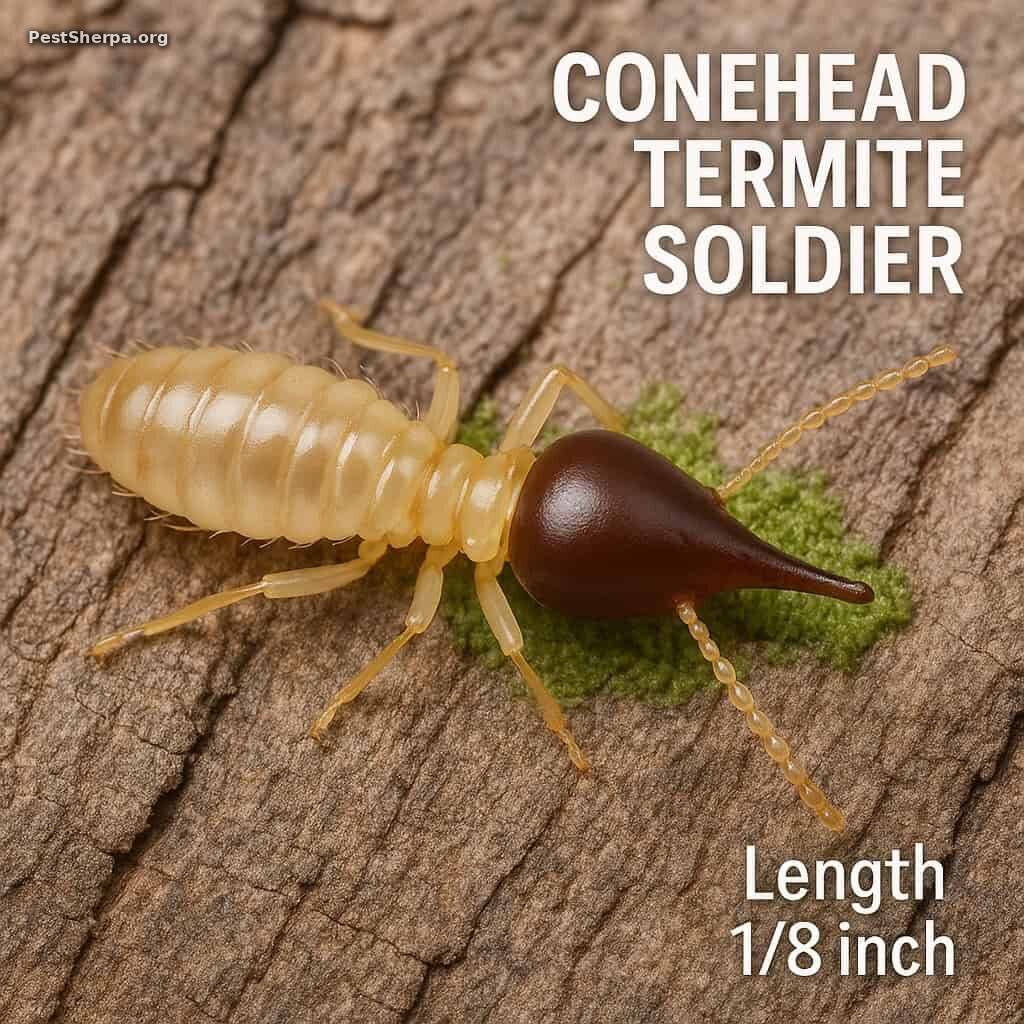
Updated for accuracy: Conehead termites (Nasutitermes corniger) are aggressive invasive termites found in limited areas of Florida. Unlike many native subterranean termites, they can forage above ground, build exposed shelter tubes, and infest trees, structures, fencing, roofs, and other wood sources without always requiring direct soil contact.
TL;DR
Conehead termites are invasive structural pests capable of spreading through trees, buildings, fences, roofs, and other wood sources. They are known for exposed above-ground shelter tubes, carton nesting material, and distinctive soldiers with cone-shaped heads. If you suspect conehead termites, professional identification is strongly recommended because early detection, reporting, and containment are critical.
Direct Answer
Conehead termites are invasive termites known for aggressive above-ground foraging, exposed shelter tubes, and soldiers with cone-shaped heads. In Florida, they are a special concern because localized infestations have required eradication and containment efforts. Homeowners should not rely on DIY sprays for suspected conehead termites. Correct identification by a licensed termite professional or appropriate authority is the first step.
On This Page
- What Are Conehead Termites?
- Identification
- Quick Facts
- Why It Matters
- Where They Are Found
- What To Do
- When To Call a Pro
- Similar Pests
- Common Questions
- Authoritative References
- Summary
What Are Conehead Termites?
Conehead termites (Nasutitermes corniger) are invasive termites originally associated with tropical and subtropical regions. They are unusual among termites found in Florida because they can forage openly above ground and build extensive shelter systems across structures, trees, fencing, utility areas, and landscape features.
They were formerly referred to as “tree termites,” but the name “conehead termite” better reflects the distinctive cone-shaped head of the soldier caste.
Unlike many subterranean termites, conehead termites do not always need direct soil contact to remain active. This makes their behavior especially important for homeowners, inspectors, pest management professionals, and state agricultural agencies.
Identification: What Conehead Termites Look Like
Correct identification is important because conehead termites can be confused with other termite species, including Formosan subterranean termites, eastern subterranean termites, and drywood termites.
Workers: Cream-colored, soft-bodied termites responsible for feeding, tunneling, and colony expansion.
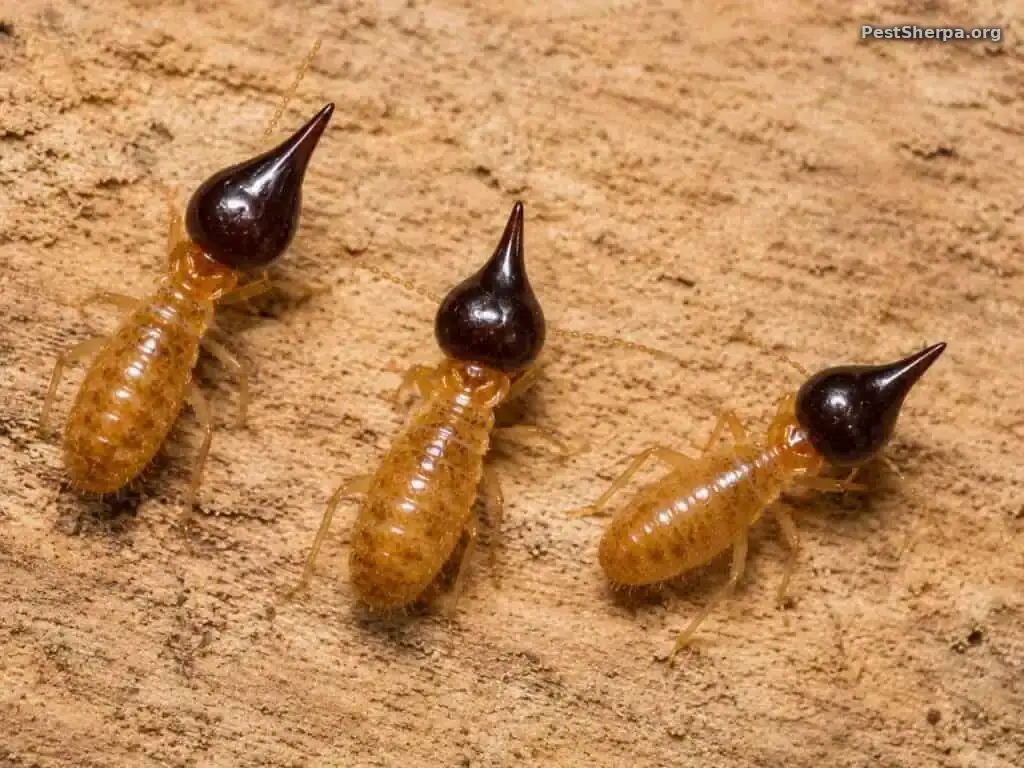
Soldiers: Soldiers have elongated, cone-shaped heads with a pointed snout-like projection called a nasus. This is one of the strongest identifying features.
Swarmers: Winged reproductives have darker bodies and long wings and may be noticed around lights during swarming periods.
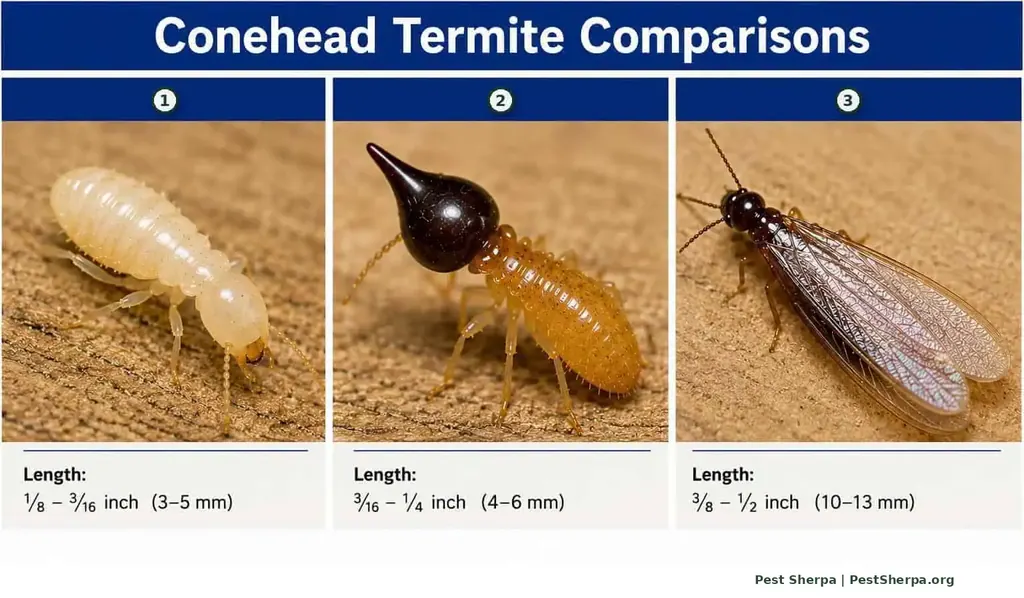
Which caste do you see? Match the number:
- Worker: 1/8 to 3/16 inch (3 to 5 mm), pale and soft. Sterile caste that forages, feeds the colony, cares for the brood and maintains the nest.
- Soldier: 3/16 to 1/4 inch (4 to 6 mm), with a dark cone-shaped snout (nasus) used to squirt sticky defensive fluid.
- Alate (swarmer): 3/8 to 1/2 inch (10 to 13 mm), dark body with two pairs of equal-length wings. Reproductive caste that leaves to start new colonies.
Common signs include:
- Large exposed shelter tubes on walls, trees, fences, roofs, or structural surfaces.
- Carton nest material resembling layered paper or dried mud.
- Rapid spread across multiple wood sources.
- Damage in trees, fences, structures, landscaping timbers, and outdoor wood.
- Visible above-ground termite movement.
- Swarmers around lights during active swarming periods.
- Soldiers with distinctive cone-shaped heads.
Conehead termites are commonly confused with Formosan termites, but Formosan termite soldiers do not have the distinctive cone-shaped head structure.
Homeowners may also confuse them with eastern subterranean termites or drywood termites, especially when visible shelter tubes or swarmers are present.
Quick Facts
| Common Name | Conehead termite |
| Scientific Name | Nasutitermes corniger |
| Pest Type | Invasive termite |
| Primary Concern | Structural and landscape damage |
| Key Identification Feature | Soldiers with cone-shaped heads |
| Common Signs | Exposed shelter tubes, carton nests, above-ground foraging |
| Known U.S. Concern | Localized areas of Florida |
| DIY Treatment? | Not recommended for suspected infestations |
| Best First Step | Professional identification and reporting where appropriate |
Why It Matters
Conehead termites are considered serious invasive structural pests because they can spread aggressively and infest multiple wood sources above ground. Unlike many subterranean termites that remain hidden underground, conehead termites may create highly visible shelter systems across walls, fences, trees, roofs, and other surfaces.
They are capable of damaging:
- Structural framing.
- Fencing.
- Landscape timbers.
- Trees and palms.
- Roof structures.
- Wood siding and trim.
- Sheds, decks, and outdoor structures.
- Utility wood and other cellulose sources.
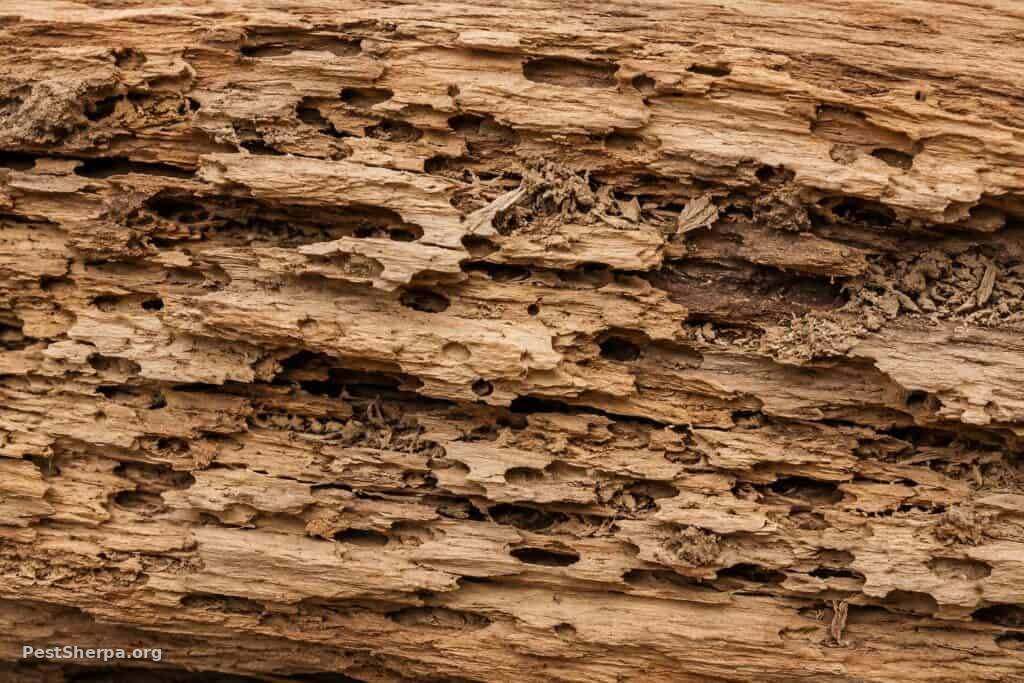
The University of Florida IFAS identifies conehead termites as aggressive invasive termites, and the Florida Department of Agriculture and Consumer Services has maintained eradication and containment efforts in affected areas. Because these termites can spread through neighborhoods and landscapes, early professional identification is especially important.
For broader termite prevention and inspection guidance, review the Pest Sherpa termite guide.
Where Are Conehead Termites Found?
In the United States, conehead termites are primarily a Florida concern, with known localized infestations in parts of South Florida. They are not considered a widespread household termite problem across the country.
However, their invasive potential makes them important. Human movement of infested wood, equipment, boats, landscape material, or other cellulose sources can contribute to spread. For homeowners outside known conehead termite areas, the more likely termite concerns are usually native subterranean termites, Formosan termites in some regions, or drywood termites in warmer coastal areas.
If you are in Florida and suspect conehead termites, report the finding through the appropriate state or local channels and contact a licensed termite professional familiar with invasive termite identification.
What To Do: Practical Homeowner Steps
1. Do Not Disturb Suspected Colonies Unnecessarily
Take photos of shelter tubes, swarmers, carton material, termite soldiers, and visible activity before disturbing or removing evidence. Identification is easier when the original signs are still intact.
2. Arrange Professional Identification Quickly
Proper identification matters because conehead termites require different management considerations than many native termite species. A licensed termite professional can help determine whether the activity is conehead termite, Formosan termite, eastern subterranean termite, drywood termite, or another wood-damaging insect.
3. Inspect Nearby Structures and Trees
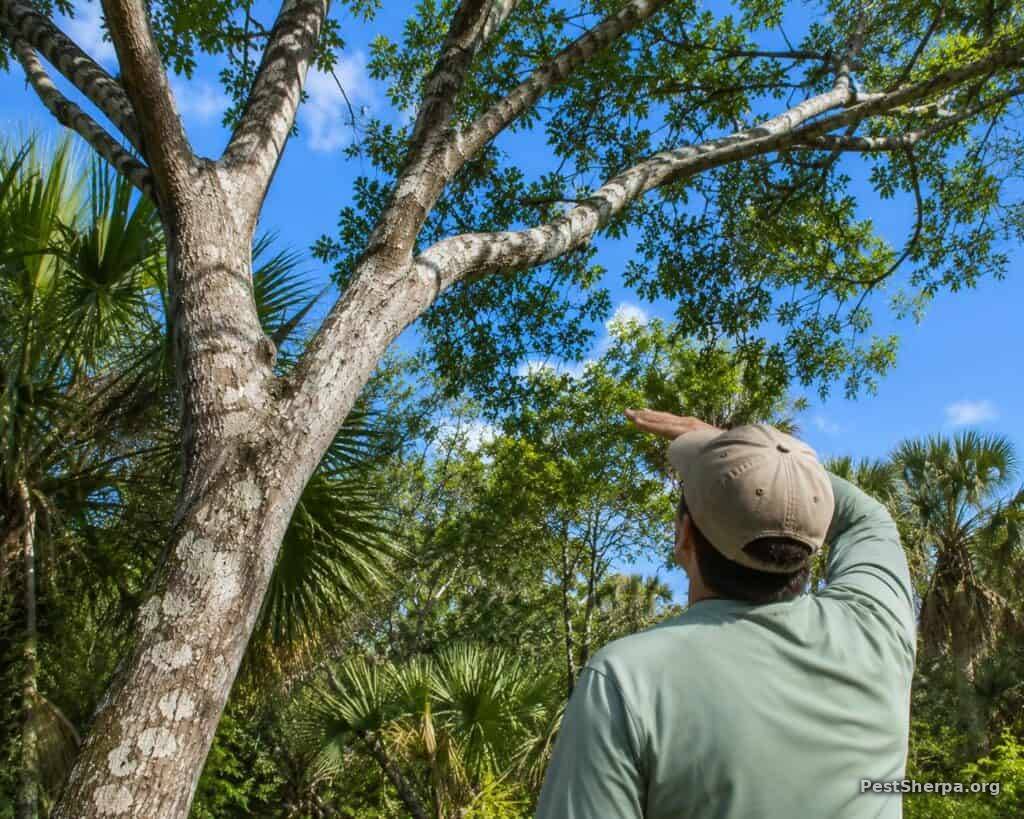
Conehead termites may spread across fencing, landscaping, palms, utility poles, sheds, roofs, and adjacent structural wood. A narrow inspection of one wall or one room may miss the broader extent of activity.
4. Reduce Moisture and Wood Contact Where Possible
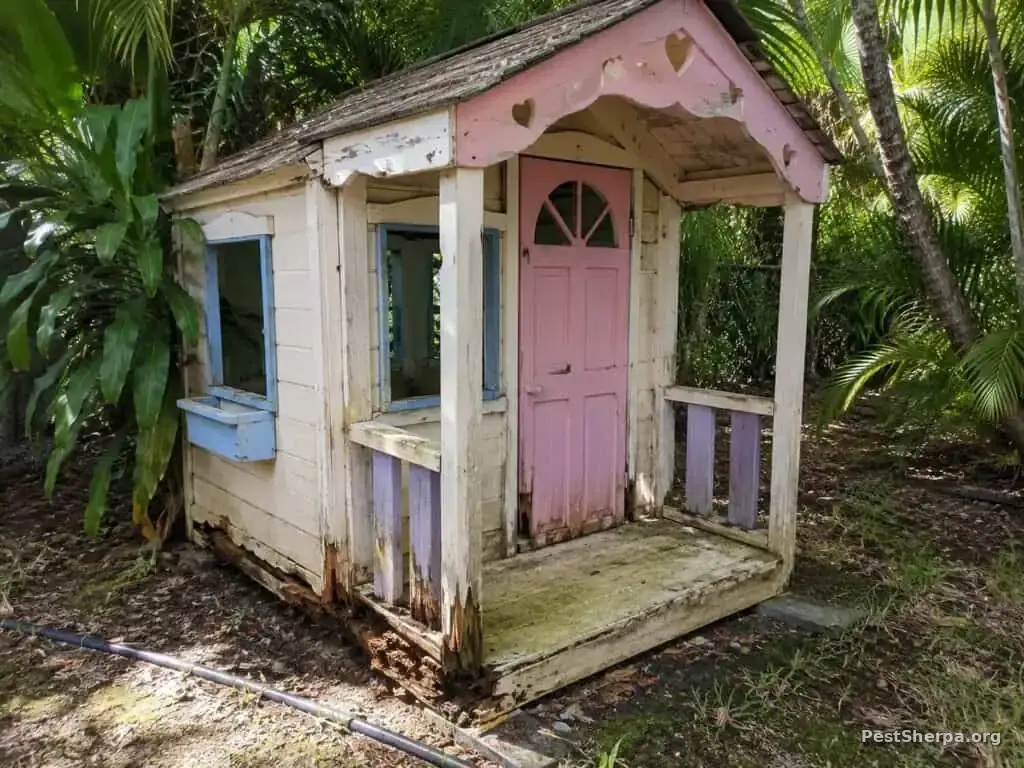
Correct drainage issues, remove unnecessary wood debris, and reduce moisture conditions that may support termite activity. These steps do not eliminate an established conehead termite infestation, but they reduce conditions that may support termite pressure around the property.
5. Understand DIY Limitations
DIY sprays rarely eliminate large or spreading termite colonies. Professional treatment and monitoring are usually necessary for confirmed conehead termite infestations. Misidentification can also lead to wasted money and delayed containment.
The National Pesticide Information Center notes that successful termite control often requires specific knowledge of termite behavior, treatment techniques, and product use. Some products and methods are intended for trained and licensed professionals.
When To Call a Pro
Contact a licensed termite professional immediately if you find:
- Large exposed shelter tubes above ground.
- Cone-shaped termite soldiers.
- Nests attached to structures, fences, trees, or palms.
- Rapid termite spread across multiple wood sources.
- Structural wood damage associated with exposed termite activity.
- Swarming termites around structures.
- Uncertainty about whether the infestation involves conehead termites, Formosan termites, or subterranean termites.
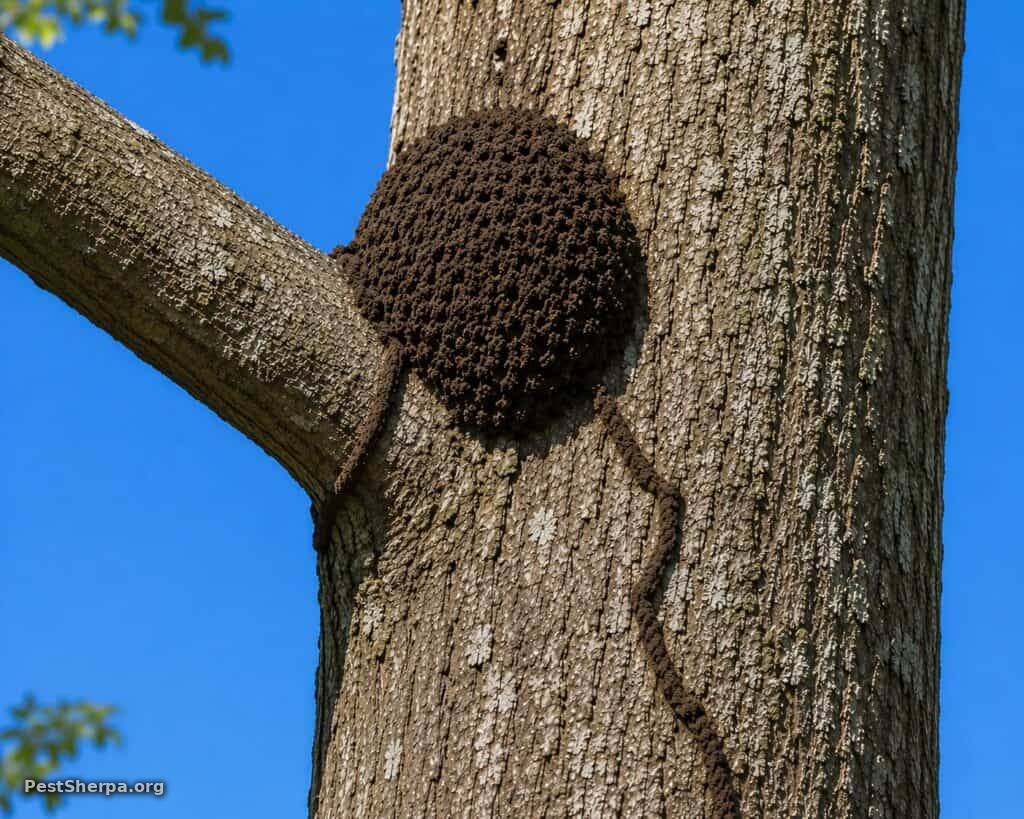
Above: Conehead termite aerial nest.
If you are unsure whether the infestation requires professional treatment, use Ask the Sherpa before spending money on unnecessary or misdirected treatment.
Similar Pests / Misidentification Comparison
Conehead Termites vs. Formosan Termites
Formosan termites are also aggressive invasive termites, but their soldiers lack the cone-shaped nasus seen in conehead termites. Formosan termites are subterranean termites and often build mud tubes, carton nests, and large colonies, but the soldier head shape is different.
Conehead Termites vs. Eastern Subterranean Termites
Eastern subterranean termites usually remain more hidden underground and are less likely to build extensive exposed above-ground shelter systems across trees, roofs, fences, and exterior surfaces.
Conehead Termites vs. Drywood Termites
Drywood termites live directly inside dry wood and commonly leave pelletized frass rather than large exposed shelter tubes. Drywood termites do not need soil contact, but their signs and colony behavior differ from conehead termites.
Conehead Termites vs. Carpenter Ants
Carpenter ants may forage openly on structures and trees but do not build termite-style carton tubes or consume cellulose the way termites do. Carpenter ants excavate wood for nesting; termites consume wood and other cellulose materials.
Common Questions
Are conehead termites dangerous to homes?
Yes. Conehead termites can damage structural wood, fencing, roof areas, landscape timbers, trees, and other cellulose materials. Their ability to forage above ground makes them especially concerning when activity spreads across multiple wood sources.
Are conehead termites only in Florida?
In the United States, conehead termites are primarily a Florida concern and are associated with localized infestations in South Florida. They are not a common termite problem throughout the United States.
Can I treat conehead termites myself?
DIY treatment is not recommended for suspected conehead termite infestations. Misidentification, incomplete treatment, and disturbance of active colonies can delay containment. Professional identification and treatment planning are the better first steps.
What is the most important identification clue?
The most distinctive clue is the soldier caste. Conehead termite soldiers have elongated cone-shaped heads with a pointed nasus. Large exposed shelter tubes and above-ground foraging are also important field signs.
Should I report suspected conehead termites?
If you are in Florida and suspect conehead termites, reporting may be appropriate because the species is invasive and has been subject to eradication and containment efforts. A licensed termite professional, FDACS, or local extension resource can help determine the proper next step.
Related Pest Sherpa questions:
- I heard that termites swarming is the sure sign of a problem but my inspector found termites and I didn’t see a swarm. Should I be worried?
- I don’t understand baiting. Why use a bait like Sentricon to attract termites?
Authoritative References
- University of Florida IFAS Extension: Conehead Termite, Nasutitermes corniger
- Florida Department of Agriculture and Consumer Services: Conehead Termite Eradication Program
- Florida Department of Agriculture and Consumer Services: Termites
- U.S. Environmental Protection Agency: Termites: How to Identify and Control Them
- National Pesticide Information Center: Termites
- University of Florida IFAS Extension: Termite Prevention and Control
Summary
Conehead termites are invasive termites with unusual above-ground foraging behavior, exposed shelter tubes, and soldiers with distinctive cone-shaped heads. In the United States, they are primarily a localized Florida concern, but their ability to spread across structures, trees, fencing, roofs, and landscape wood makes them important to identify quickly.
If you suspect conehead termites, do not rely on a quick DIY spray or remove all evidence before documentation. Take photos, preserve specimens if possible, contact a licensed termite professional, and report suspected activity through appropriate Florida channels when relevant. Early identification and containment are the best protection against this invasive termite.
This article was written by Greg Baumann, founder of Pest Sherpa, and reflects more than 40 years of professional pest management experience.
About the Author

Greg Baumann | Pest Control Expert
Greg Baumann is the founder of Pest Sherpa and a Pest Control Expert with more than 40 years of professional pest management experience. His articles combine decades of field experience, technical expertise, and science-based guidance to help homeowners identify pests correctly, understand real-world risks, and make informed pest management decisions.
Mission: Identify the pest. Understand the risk. Stop the problem. Prevent the comeback. Know when it’s time to call a professional.