
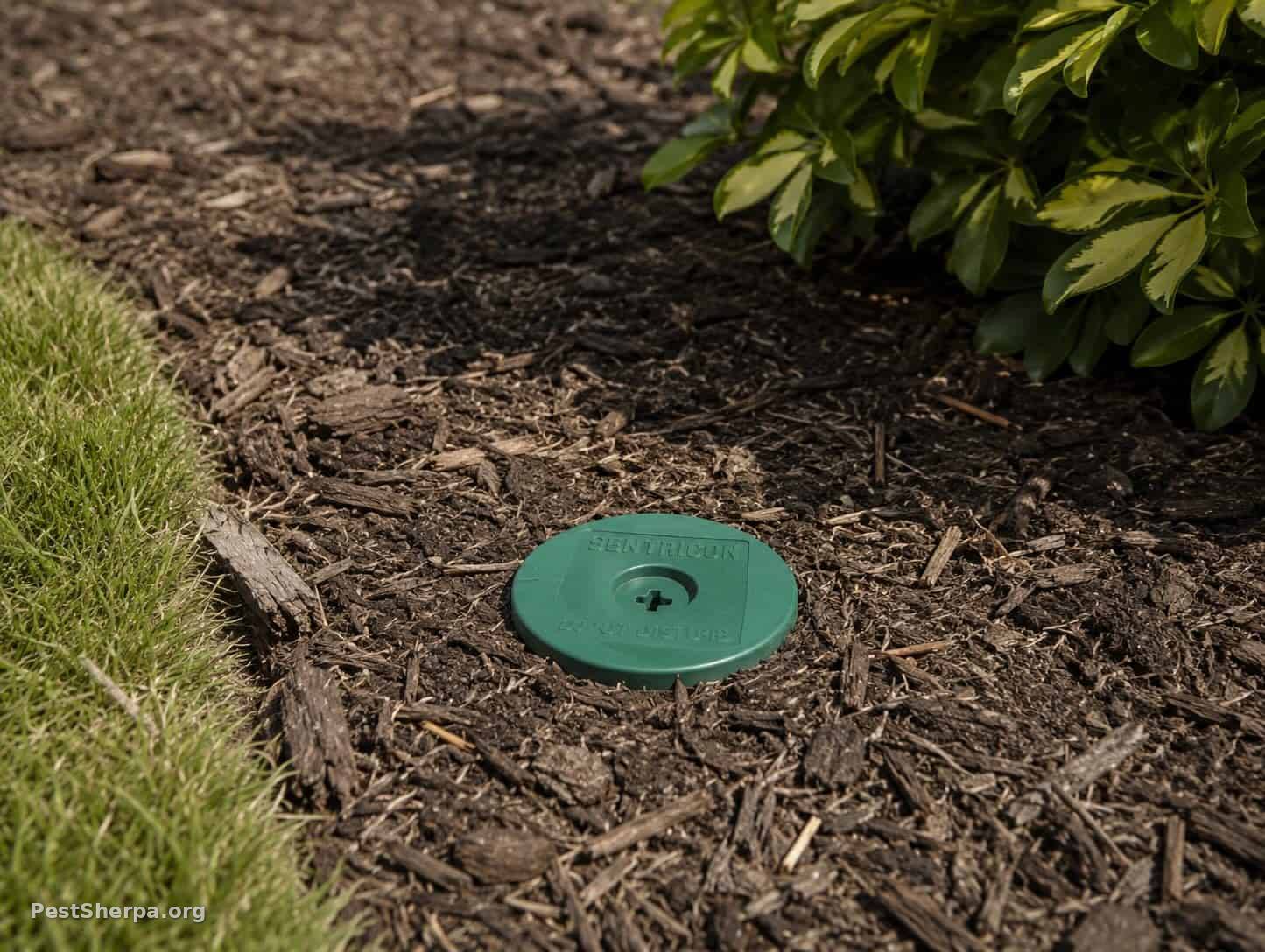
I don’t understand baiting. Why use a bait like Centricon (sic) to attract termites?
Short answer: Termite bait systems such as professional Sentricon-style programs do not “attract termites to your house” in the scare-story sense. Stations intercept foragers already moving through soil near the structure, then deliver an insect growth regulator through shared feeding. The goal is colony management, not a buffet that creates a new problem from nothing.
How subterranean foraging works
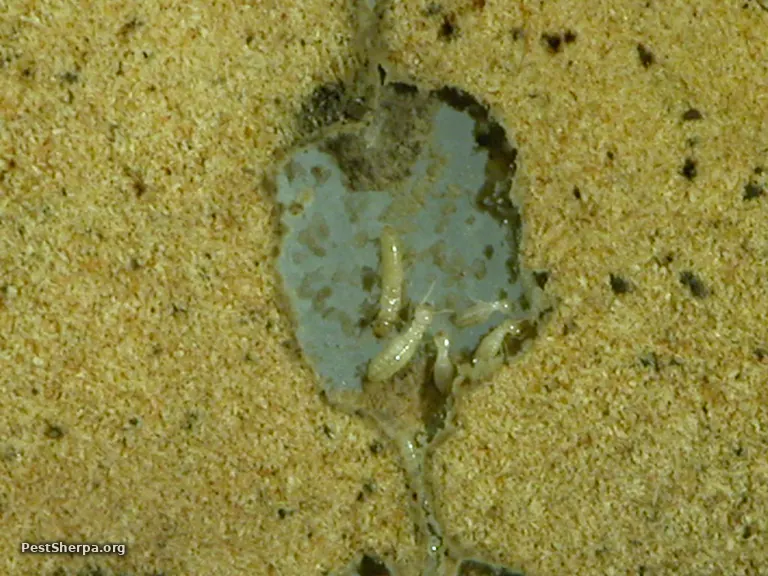
Workers explore soil for cellulose. Monitoring stations and bait stations are placed in the ground around a building where foragers are likely to find them. When workers feed and share bait with nestmates, the colony can decline over time. That is different from pouring a liquid barrier into a trench, which creates a treated soil zone the insects must contact.
Why bait is used
- Less structural drilling in some situations compared with full liquid treatments.
- Useful where environmental or construction constraints limit trenching.
- Ongoing monitoring can show continued activity or quiet stations.
- Labels and manufacturer protocols require trained stewards to service stations.
Honest tradeoffs
Bait programs need patience and follow-up visits. Liquid barriers can work faster in some active infestations when applied correctly. Neither method is magic. Homeowner “attractant” myths miss the point: foragers were already in the soil network. Stations are intercept points, not a magnet that pulls distant forests to your slab.
Questions to ask before you buy
Ask which species you have, whether stations will be monitored on a schedule, what happens if activity continues, and how the warranty works. Compare bait vs liquid with a licensed inspector who explains both. Bait programs carry a yearly monitoring fee, so compare bait and liquid treatment costs over several years, not just the install price. Our Termite Guide and hiring pages support that conversation.
Monitoring is part of the product
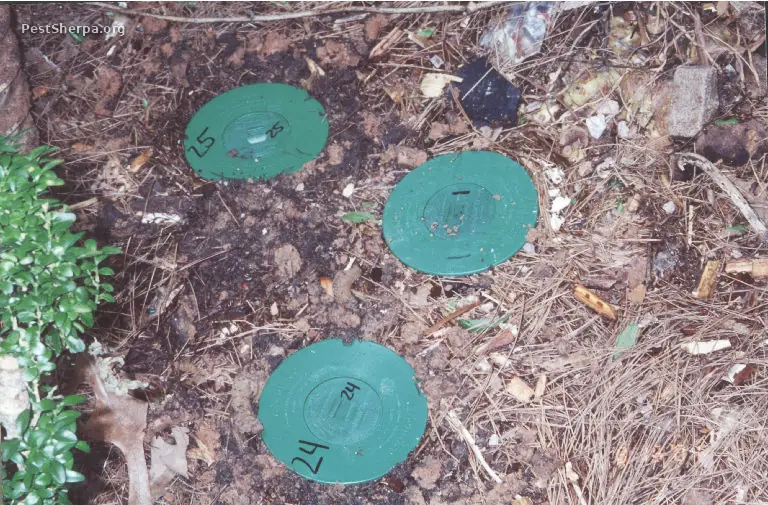
A bait station in the ground with no service schedule is an incomplete system. Ask who checks stations, how often, and what documentation you receive. Colony decline is measured in months, not hours. That timeline is a feature of how the active ingredient works through social feeding, not a hidden failure.
Liquid and bait can coexist
Some properties use a liquid treatment on the structure and monitoring stations as an early-warning ring. Others rely primarily on bait. The right mix depends on species, soil, construction, and how active the infestation is today. Your question should be “what does this site need,” not “which brand is trending.”
Related guides
- Termite Guide
- Termite Control overview
- Hiring a Pro for Termites
- Can a homeowner perform termite control?
References
- Clemson HGIC: Termites
- University of Kentucky: Subterranean Termites
- UF/IFAS: Subterranean Termites
- EPA: Safe Pest Control
This article was written by Greg Baumann, founder of Pest Sherpa, and reflects more than 40 years of professional pest management experience.
About the Author

Greg Baumann | Pest Control Expert
Greg Baumann is the founder of Pest Sherpa and a Pest Control Expert with more than 40 years of professional pest management experience. His articles combine decades of field experience, technical expertise, and science-based guidance to help homeowners identify pests correctly, understand real-world risks, and make informed pest management decisions.
Mission: Identify the pest. Understand the risk. Stop the problem. Prevent the comeback. Know when it’s time to call a professional.