
Termite Damage Costs and Statistics: Repairs, Treatment, and Insurance
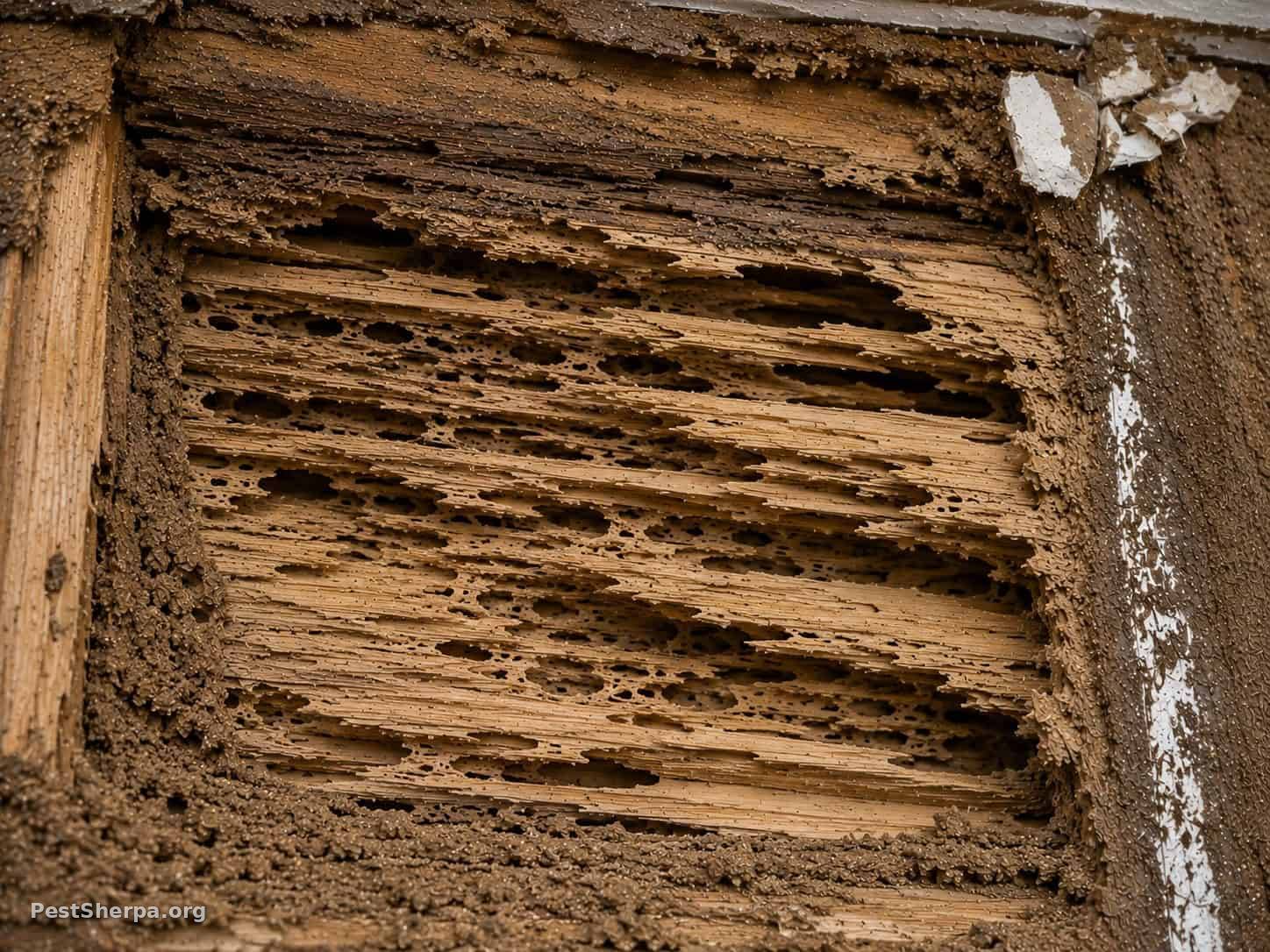
Search for termite damage statistics and you will find the same handful of numbers repeated everywhere: $5 billion a year, 600,000 homes, about $3,000 per repair. Most pages never say where those numbers came from. I can tell you about the biggest one, because I calculated it. [PCT] Below I lay out every figure worth citing, where each one comes from, how solid it is, and what termite damage, treatment, and repairs actually cost a homeowner today.
Quick answer: termite damage by the numbers
- National cost: the industry standard is “more than $5 billion a year” in U.S. property damage, which NPMA put at about $6.8 billion after inflation in 2022. Researchers have published higher estimates, from about $11 billion to about $20 billion a year for damage and control combined.
- Typical repair bill: about $3,000 on average, with most homeowners paying $1,000 to $10,000, according to Angi’s 2026 cost survey.
- Typical treatment bill: about $621 per job on average (Angi), but a whole-house liquid or bait job often runs $500 to $2,500, and tenting a whole home for drywood termites runs $2,000 to $8,000 (HomeGuide).
- Insurance: standard homeowners policies exclude insect damage, so termite repairs usually come out of your pocket unless you have a service agreement or warranty with a pest control company.
- Homes affected: the popular “600,000 homes a year” is an old industry figure. No agency tracks it today.
Bottom line: every national number is an estimate, and the real cost is almost certainly higher than the one you see quoted. Your own bill depends on catching it early. See the full stats table.
Based on NPMA, USDA Forest Service, UF/IFAS, Angi, HomeGuide, and Triple-I sources cited in the References below.
On this page
- Termite damage statistics at a glance
- Where the $5 billion figure comes from
- Other national estimates, and why they disagree
- How many homes do termites damage?
- What termite damage costs to repair
- What termite treatment costs
- Why insurance usually won’t pay
- Where the risk is highest
- Warning signs worth a call
- When to call a pro
- Common questions
Termite damage statistics at a glance
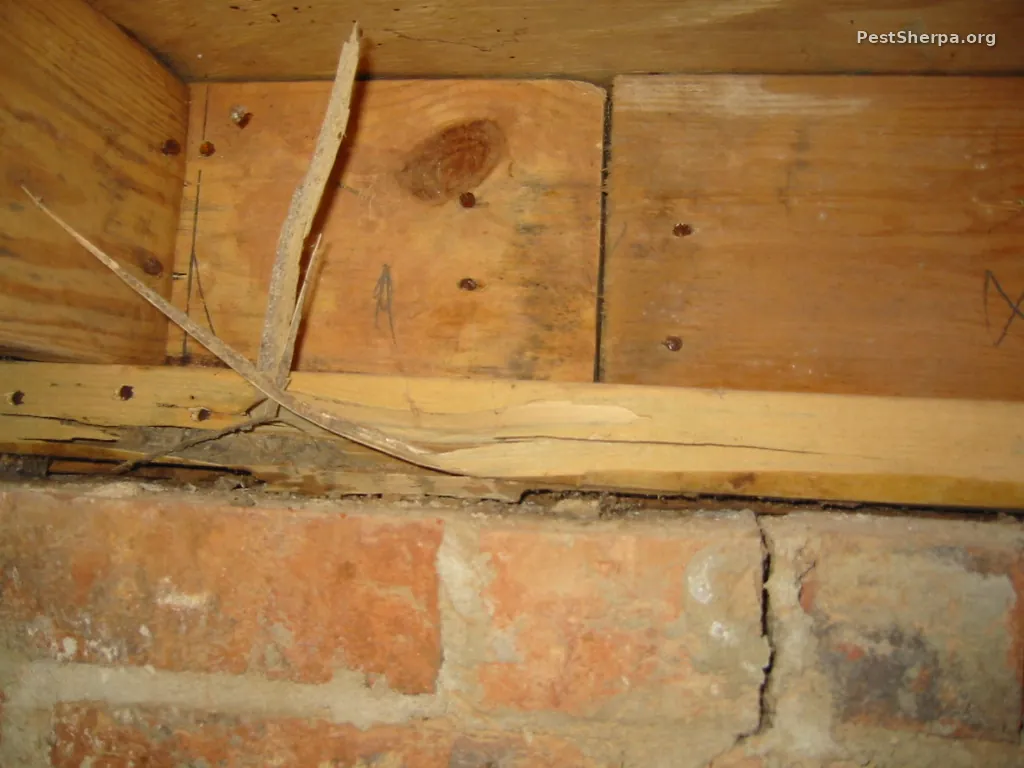
Here is every number I would be comfortable citing, with the source and an honest read on how solid it is. Cost survey figures are national ranges from consumer cost sites, not quotes for your house. On a phone, swipe the table sideways to see every column.
| Statistic | Figure | Source and how solid it is |
|---|---|---|
| U.S. termite damage per year | More than $5 billion | NPMA, 2022; origin traced by PCT, 2015. Industry estimate from 2006; unpublished math, intentionally conservative. |
| Same figure adjusted for inflation | About $6.8 billion | NPMA, 2022. Inflation adjustment of the $5 billion estimate. |
| Range in the federal termite bulletin | $1 billion common, up to $7 billion | USDA Forest Service, Home and Garden Bulletin 64 (2006). Federal range; the bulletin says it may or may not include treatment. |
| U.S. control plus repair (Su, 2002) | $11 billion ($2.2 billion control, $8.8 billion repair) | Su, Sociobiology 40: 95 to 101 (2002), as reported by PCT. Peer reviewed; the repair side uses a Formosan-based 4:1 repair-to-control ratio. |
| Worldwide damage and control per year | About $40 billion; subterranean termites cause about 80% | Rust and Su, Annual Review of Entomology (2012); UF/IFAS. Peer-reviewed review. Su told PCT the U.S. share is about half. |
| Formosan subterranean termite alone | More than $1 billion per year | USDA Agricultural Research Service (2003). Federal estimate in 2003 dollars; covers damage, repairs, and control. |
| Average cost per household per year | About $50 for all homes; about $100 in high-pressure areas | Peterson et al., USDA Forest Service (2008). Simple division of the $5 billion figure across U.S. homes. |
| Homes damaged per year | About 600,000 | Old NPMA figure, traced by PCT, 2015. Legacy number; no agency tracks this today. |
| Average termite damage repair | $3,000; most pay $1,000 to $10,000 | Angi cost survey, 2026. National range from a cost survey site. |
| Average pest company damage claim | $7,500 to $10,000 | LIPCA Insurance, quoted in PCT, 2015. Claims on homes under termite contract; the insurer’s own data. |
| Average termite treatment job | $621; most pay $263 to $1,033 | Angi cost survey, 2026 (7,800 projects). Includes small spot jobs, so whole-house work runs higher. |
| Tent fumigation (drywood termites) | $2,000 to $8,000 for a whole home, depending on size | HomeGuide cost survey. National range from a cost survey site. |
| Homeowners insurance coverage | Insect damage excluded on standard policies | Triple-I; ISO HO 3 policy form. Policy language; check your own policy. |
You are welcome to cite or link this table. Please link to this page, https://pestsherpa.org/pest-guide/termites/termite-damage-costs/#termite-stats-table, so readers can check the sources.
One number I left out: “termites and similar pests cause $30 billion in damage to crops and structures each year.” It gets repeated on a lot of pest control sites, but I could not find the original study behind it, so I would not cite it.
Where the $5 billion figure comes from
Full disclosure: the $5 billion number is mine. In 2006, when I was technical director at the National Pest Management Association, our consumer arm, the Professional Pest Management Alliance, asked me to update the old $2 billion damage figure the industry had been using for years. [PCT]
I started from a documented estimate of about $1.5 billion a year in subterranean termite damage, then adjusted it for what construction labor and materials had gone up since then. I did not add anything for the growth in the number of homes, because that would have meant guessing. My math actually came out closer to $7 billion. I published the lower number because I wanted a figure nobody could accuse of being inflated. [PCT]
That number went into a press release and, as I told PCT magazine years later, it became gospel. It was never a published study, and I don’t have the worksheet anymore. When PCT’s reporter dug into it in 2015, she also found that the $1.5 billion baseline used by university researchers may have been a termite control figure, not a damage figure, in its original source. [PCT] Coincidentally, the damage and treatment figures were not far apart, and I do recall keeping damage distinctly separate from treatment. So here is how I would describe it today: a careful, conservative industry estimate, not a measurement.
Even so, I have always believed it is low. Most termite damage is never found or never fixed. There is also no reporting system that tracks it. Homeowners repair what they can see, and the rest stays hidden in walls and floors until a remodel or a home sale turns it up. Or, it is simply cosmetic damage. NPMA still uses “more than $5 billion” today and noted in 2022 that inflation alone put it near $6.8 billion. [NPMA] By September 2026 prices, inflation alone puts it at about $8.4 billion. [BLS CPI]
When I reran my own 2006 calculation for 2026, I kept the same logic and added the one thing I left out back then, the growth in homes. Inflation alone takes $5 billion to about $8.4 billion. [BLS CPI] For repairs I weighted the cost half materials and half labor: residential construction materials prices are up about 105% since 2006 and construction pay and benefits about 67%, which gives about $9.3 billion. [BLS PPI] [BLS ECI] The Census Bureau counts about 17% more housing units than in 2006, which brings it to about $11 billion a year in termite damage repair costs. [Census] That is a modeled estimate, not a measurement; if repairs lean more toward labor or more toward materials, it moves between about $10.5 billion and $11.4 billion.
Other national estimates, and why they disagree
Nobody measures termite damage nationally. States don’t track it, and neither does the construction industry. [PCT] Every estimate is built from something else: chemical sales, contractor rules of thumb, or older estimates. That is why the numbers are so far apart.
- USDA Forest Service: its 2006 homeowner bulletin says estimates of $1 billion a year are common and some run as high as $7 billion, and that much damage goes unreported. [USDA Forest Service]
- Su (2002): University of Florida termite researcher Nan-Yao Su worked from termiticide sales to estimate $2.2 billion a year in U.S. control and $8.8 billion in repairs, about $11 billion in total. [PCT] Note, though, that termiticides (termite control chemicals) can be used for other pests and not just termites.
- Rust and Su (2012): a review in the Annual Review of Entomology put the worldwide cost of termites at about $40 billion a year, with subterranean termites responsible for about 80% of it. Su later told PCT the U.S. accounts for about half. [Annual Review of Entomology] [UF/IFAS]
- Formosan termites: USDA’s Agricultural Research Service put the Formosan subterranean termite alone at more than $1 billion a year in damage, repairs, and control in 2003. [USDA ARS]
The biggest swing factor is the repair-to-control ratio. The 4:1 ratio behind the larger estimates came from Formosan termite work in New Orleans in the late 1990s. The man who measured it, Ed Bordes, told PCT that newer baits and non-repellent termiticides have since brought it closer to 2:1 there, and that it would be hard to apply to states without Formosan termites. [PCT] The one thing every source agrees on: repairs cost more than treatment, usually several times more.
How many homes do termites damage each year?
The figure you will see most is 600,000 homes a year. It is an old NPMA number, and the EPA once divided $1.5 billion by it to get a $2,500 average repair cost. [PCT] I have not found a current survey that measures it, so treat it as a rough legacy estimate.
What we can say with more confidence: subterranean termites are found in every state except Alaska, and only a small share of the country’s more than 105 million single-family homes have ever been treated for termites after the original new construction preventative treatment required for mortgages in very heavy termite areas. [USDA Forest Service] In a 2022 Harris Poll survey for NPMA, 55% of homeowners with household incomes of $75,000 or more said they had used a licensed pest control professional for a termite inspection. [NPMA]
What termite damage costs to repair
Angi’s 2026 cost survey puts the national average repair bill at about $3,000, with most homeowners paying between $1,000 and $10,000. [Angi] The size of the bill depends on how long the termites went unnoticed and whether they reached structural wood.
| Type of damage | Typical repair cost (cost survey) |
|---|---|
| Minor: a few damaged boards, trim, or joist ends | $250 to $1,000 |
| Moderate: damaged walls, flooring, or framing | $1,000 to $3,000 |
| Major: beams, load-bearing walls, or other structural parts | $3,000 to $10,000 or more |
| Replacing one rotted or eaten beam | $1,500 to $5,000 each |
| Drywall patch | $60 to $200 per small hole |
| Buckled or bent flooring | $5 to $25 per square foot |
Source: Angi, Termite Damage Repair Cost, updated October 2026. These are national cost survey ranges, not quotes.
Real claims tend to run higher than those averages. An insurer that covers pest control companies told PCT its average termite damage claim ran $7,500 to $10,000. [PCT] In my experience the big bills come from damage nobody saw for years: a joist in a crawlspace, a sill plate behind siding, a bathroom subfloor that stayed damp. Before any carpenter closes a wall, make sure the termites have been treated, or you could end up paying for the same repair again. Fact: I once saw a historic home in the Mid-Atlantic area that had over $1 million in bona fide damage. It had likely been going on for decades.
What termite treatment costs
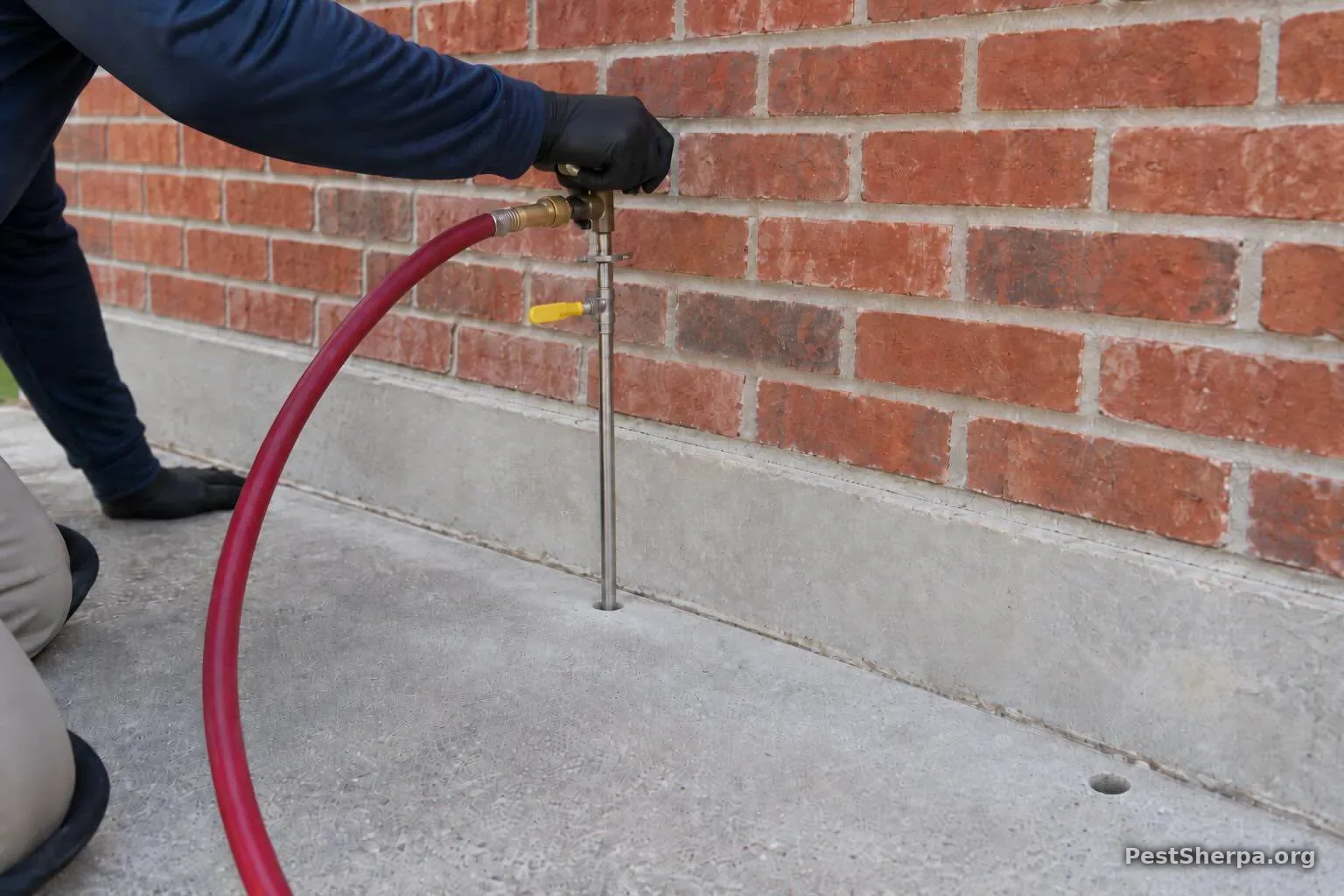
Treatment is the smaller bill. Angi reports a national average of $621 per termite treatment job, with most homeowners paying $263 to $1,033, based on 7,800 projects. [Angi] That average includes small spot jobs, so full-house work usually costs more. Here are HomeGuide’s national ranges by method:
| Method | Used for | Typical cost (cost survey) |
|---|---|---|
| Liquid soil treatment | Subterranean termites | $3 to $20 per linear foot; $500 to $2,000 or more for a whole home |
| Bait stations | Subterranean termites | $7 to $12 per linear foot; $1,000 to $2,500 for the whole home, plus $200 to $400 or more a year for monitoring, depending on the company |
| Tent fumigation | Drywood termites | $1 to $4 per square foot; $2,000 to $8,000 for a whole home, depending on size |
| Heat treatment | Drywood termites | $1 to $3 per square foot; $2,000 to $6,000 for a 2,000 square foot home; less common |
| Spot (localized) treatment | Small, confirmed infestations | $6 to $8 per square foot, or in my experience $50 to $100 per linear foot treated along a foundation |
| Inspection | Any termite question | $0 to $250; many companies offer free inspections, but this does not apply to real estate transfer inspections |
Source: HomeGuide, How Much Does Termite Treatment Cost (2025). These are national cost survey ranges, not quotes.
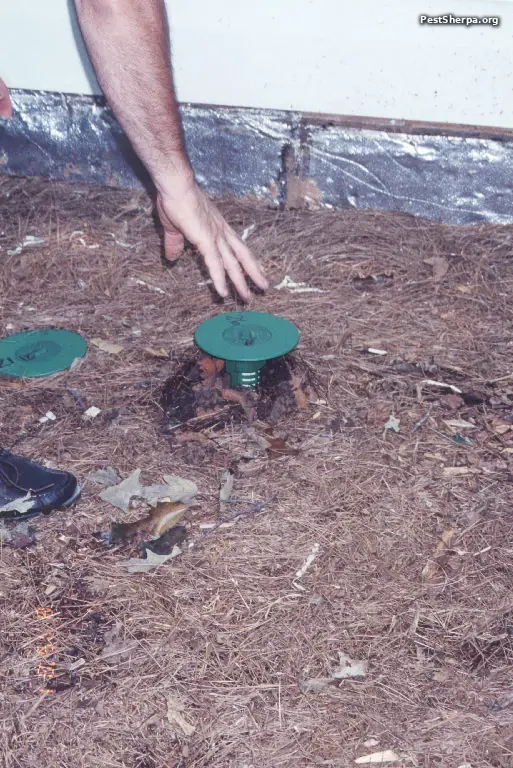
A few things the price tables don’t tell you. Liquid treatments are supposed to control termites for at least five years when applied according to the label. [University of Kentucky] Bait systems keep working only as long as someone services the stations. If a homeowner cancels, there is no further protection. Fumigation and heat kill drywood termites throughout the house, but neither leaves any lasting protection behind. [UC IPM] Wood treatments work well if the wood is accessible for direct treatment. Still not sure which fits your house? Read my plain-English comparison of bait and liquid and the drywood termite guide.
National averages are often wrong for your city, your construction, and your termite species, which is why I lay out what actually drives your price on the Termite Control page. Get at least two written quotes covering the same areas and the same monitoring terms, and compare the scope, not the logo. Take your time to review all of the facts before making a decision. While active termite infestations need to be addressed, there is no need to rush into a same day decision.
Why homeowners insurance usually won’t pay
Standard homeowners insurance covers sudden, accidental losses. Termite damage builds slowly, so insurers treat it as a maintenance problem. The Insurance Information Institute lists infestation by termites or other pests among the things a standard policy will not cover. [Triple-I] The common ISO HO 3 policy form spells it out, excluding loss caused by “birds, rodents or insects.” [ISO HO 3]
There is one narrow exception. The same form covers a sudden collapse caused by insect damage that was hidden from view, as long as you didn’t know about it before the collapse. [ISO HO 3] That is rare, and it doesn’t cover the slow damage that most homes have. Read your own policy and ask your agent. Again, the deciding factor is whether the loss was sudden and accidental, not a long term infestation.
Your real protection is the termite contract. According to University of Georgia entomologist Dan Suiter, termite companies offer two kinds: re-treat only, where the company treats again but you pay for repairs, and re-treat and repair, where the company also pays to fix new damage, provided the contract terms are met. [UGA] If you want repairs covered, get it in writing. See the warranty gotchas I flag for homeowners and what to look for when hiring a pro for termites.
Where the risk is highest
Termites are most common, and do the most damage, in warmer parts of the country. [USDA Forest Service] Forest Service researchers estimated that roughly half of U.S. homes sit in areas of low termite pressure: the Northeast, colder parts of the Midwest, and colder, drier parts of the West. Spreading the $5 billion estimate across only the higher-risk homes doubles the average cost from about $50 to about $100 per home per year. [USDA Forest Service]
- Subterranean termites cause most of the damage nationwide. Start with the Termite Guide and the eastern subterranean termite page.
- Formosan termites are the most destructive, mainly along the Gulf Coast and in the Southeast. See the Formosan termite guide.
- Drywood termites live in the wood itself and are mostly a problem in warm coastal areas. Check the drywood termite range map or browse all of our pest pressure maps.
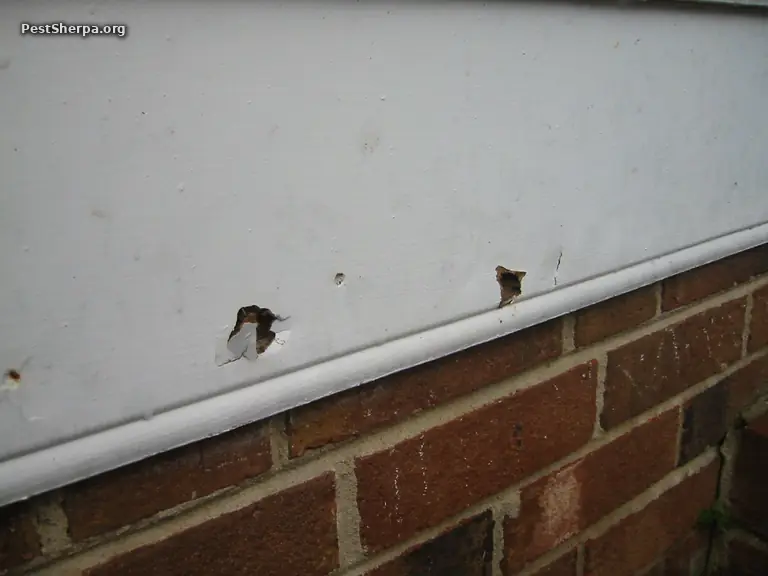
Here in East Tennessee we deal mostly with native subterranean termites. They are slower than Formosans, but a colony left alone for years under a crawlspace can still do the kind of damage in the sill plate photo above.
Warning signs worth a call
The cheapest termite problem is the one you catch early. Termites work slowly, but infestations can go undetected for years behind walls, floor coverings, and insulation. [University of Kentucky] Watch for:
- Pencil-wide mud tubes on the foundation, piers, or crawlspace walls
- Winged termites indoors, or piles of shed wings on windowsills, usually in spring
- Wood that sounds hollow or lets a screwdriver push in easily
- Small piles of tiny, hard pellets under wood (drywood termites)
- Rippled paint or sunken spots in drywall, sometimes with bits of soil
My full walk-through, with photos, is on the signs of termites page.
When to call a pro
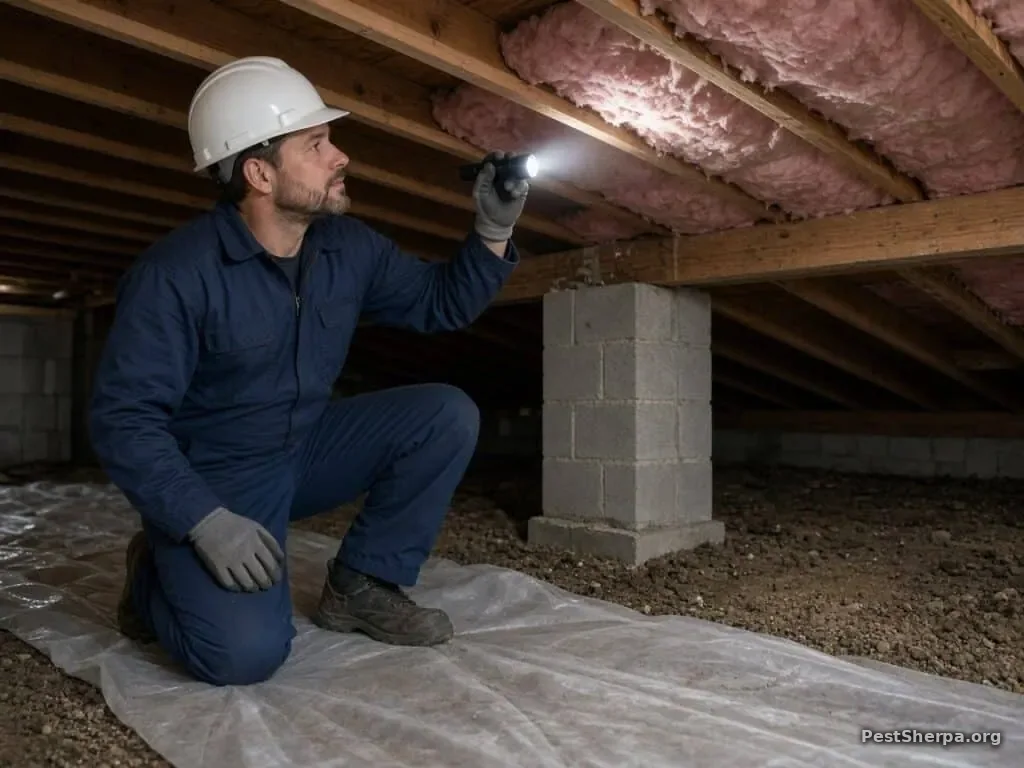
Call a licensed termite company any time you find live termites, swarmers inside, mud tubes, or damaged wood, and before you buy a house in termite country. Then slow down. Termites damage wood slowly, and taking an extra day, week, or month to make a good decision generally makes no difference to the damage. Avoid any company that pressures you to sign on the spot. [University of Kentucky] Know what a good termite inspection includes before the inspector arrives, so you can tell a real inspection from a quick sales visit.
Termite treatment is not a do-it-yourself job for an active infestation in a house. See can a homeowner perform termite control? and how to hire a licensed termite company.
Common questions about termite damage costs
How much damage do termites cause in the U.S. each year?
The most widely used estimate is more than $5 billion a year in property damage, which NPMA put at about $6.8 billion after inflation in 2022; inflation alone takes it to about $8.4 billion today. My own 2026 rerun of the 2006 figure, adjusted for construction costs and today’s housing stock, comes to about $11 billion a year in termite damage repair costs. Separately, researchers have published estimates for damage and control combined: about $11 billion in 2002 and roughly $20 billion as the U.S. share of a $40 billion worldwide estimate in 2012. No agency measures it directly, so every figure is an estimate.
How much does it cost to repair termite damage?
Angi’s 2026 cost survey puts the national average at about $3,000, with most homeowners paying $1,000 to $10,000. Minor damage to a few boards can run $250 to $1,000, while replacing beams or load-bearing walls can pass $10,000. Get the termites treated before the repairs start.
Does homeowners insurance cover termite damage?
Usually not. Standard homeowners policies exclude damage from insects because it happens slowly and is considered preventable. A narrow exception on the common ISO form covers a sudden collapse caused by hidden insect damage you didn’t know about. A re-treat and repair termite contract is the usual way to get repairs covered.
How much does termite treatment cost?
Angi reports a national average of $621 per job, with most homeowners paying $263 to $1,033. Whole-house work costs more: HomeGuide lists $500 to $2,000 or more for a liquid soil treatment, $1,000 to $2,500 for bait stations plus yearly monitoring, and $2,000 to $8,000 to tent a whole home for drywood termites.
Is the statistic that termites damage 600,000 homes a year accurate?
It’s an old industry figure from NPMA, and no agency tracks the number today. Treat it as a rough legacy estimate, not a current count.
Keep learning
- Termite Guide: identification, damage, risk, and what to do
- Signs of termites: mud tubes, swarmers, frass, and damage
- Termite Control: treatment systems, warranties, and cost drivers
- What a good termite inspection includes
- What to look for when hiring a pro for termites
- Formosan subterranean termites
- Drywood termites
- Drywood termite range map
- Q&A: why use a termite bait?
Have a termite bill or a contract you’re not sure about? Ask the Sherpa and send me the details.
References
- Nagro, A. (2015). A-maze-ing journey: where did the $5 billion termite damage number come from? Pest Control Technology
- National Pest Management Association (2022). Prime Termite Season is Here: Are You Prepared to Protect Your Home?
- Peterson, C., Wagner, T.L., Mulrooney, J.E., Shelton, T.G. (2006). Subterranean Termites: Their Prevention and Control in Buildings. USDA Forest Service, Home and Garden Bulletin 64
- Peterson, C., Wagner, T.L., Shelton, T.G., Mulrooney, J.E. (2008). Ninety years of USDA publications reveal changes in termite management. Pest Management Professional (USDA Forest Service)
- Rust, M.K., Su, N.Y. (2012). Managing Social Insects of Urban Importance. Annual Review of Entomology 57: 355 to 375
- Su, N.Y. (2002). Novel technologies for subterranean termite control. Sociobiology 40: 95 to 101
- University of Florida IFAS Extension. Termite Prevention and Control (ENY-2044/IN1277)
- USDA Agricultural Research Service (2003). Operation Full Stop in Full Swing. Agricultural Research magazine
- University of Kentucky Entomology. Termite Control: Answers for Homeowners (ENTFACT-604)
- UC Statewide IPM Program. Drywood Termites (Pest Notes)
- Suiter, D. What does your termite-control contract provide? University of Georgia CAES
- Insurance Information Institute (Triple-I). Which disasters are covered by homeowners insurance?
- Insurance Services Office. Homeowners 3: Special Form (HO 00 03 05 11)
- Angi (2026). How Much Does Termite Damage Repair Cost? (cost survey)
- Angi (2026). Termite Treatment Cost (cost survey)
- HomeGuide (2025). How Much Does Termite Treatment Cost? (cost survey)
- U.S. Bureau of Labor Statistics (2026). Consumer Price Index for All Urban Consumers (CPI-U): All items in U.S. city average, not seasonally adjusted, series CUUR0000SA0. U.S. Department of Labor. Data access: FRED, Federal Reserve Bank of St. Louis, series CPIAUCNS
- U.S. Bureau of Labor Statistics (2026). Producer Price Index: Inputs to residential construction, goods, not seasonally adjusted, series WPUIP2311001. U.S. Department of Labor. Data access: FRED, Federal Reserve Bank of St. Louis, series WPUIP2311001
- U.S. Bureau of Labor Statistics (2026). Employment Cost Index: Total compensation for private industry workers in the construction industry, series CIU2012300000000I. U.S. Department of Labor. Data access: FRED, Federal Reserve Bank of St. Louis, series CIU2012300000000I
- U.S. Census Bureau (2026). Housing Vacancies and Homeownership (CPS/HVS): Housing Inventory Estimate, Total Housing Units in the United States. U.S. Department of Commerce. Data access: FRED, Federal Reserve Bank of St. Louis, series ETOTALUSQ176N
This article was written by Greg Baumann, founder of Pest Sherpa, and reflects more than 40 years of professional pest management experience.
About the Author

Greg Baumann | Pest Control Expert
Greg Baumann is the founder of Pest Sherpa and a Pest Control Expert with more than 40 years of professional pest management experience. His articles combine decades of field experience, technical expertise, and science-based guidance to help homeowners identify pests correctly, understand real-world risks, and make informed pest management decisions.
Mission: Identify the pest. Understand the risk. Stop the problem. Prevent the comeback. Know when it’s time to call a professional.