
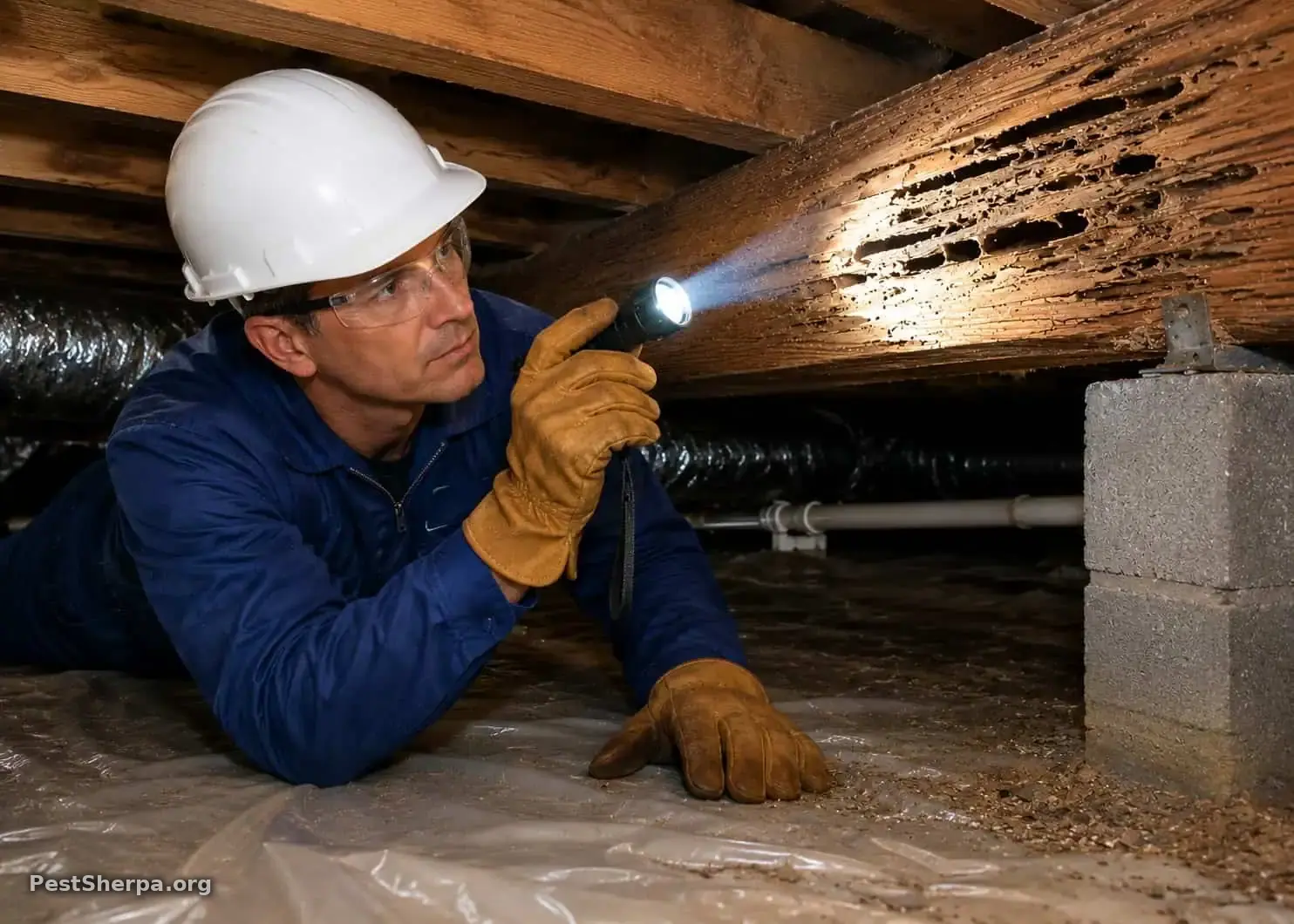
Can a Homeowner Perform Termite Control?
Short answer: Homeowners can reduce conducive conditions and catch early signs, but structural termite control (soil termiticides, professional bait systems, whole-structure drywood methods) is specialized work. Most DIY sprays never reach the colony and can create a false sense of safety.
What a homeowner can do well
- Inspect regularly for mud tubes, wings, pellets, and soft wood near soil contact.
- Fix leaks, improve drainage, and keep soil and mulch from burying siding.
- Remove scrap wood, form boards, and dense vegetation against the foundation.
- Keep irrigation from constantly wetting the slab edge.
- Document findings with dates and photos before any contractor visit.
Where DIY usually fails
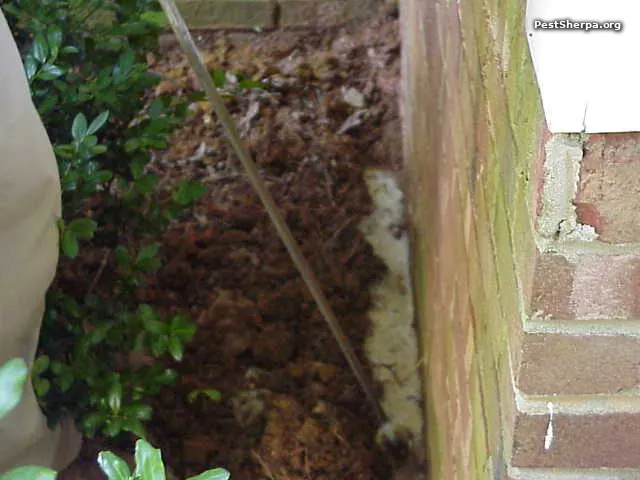
Subterranean colonies nest in soil and forage through hidden galleries. A consumer aerosol on a windowsill does not treat the soil interface under a slab. Incomplete trench-and-treat attempts can leave untreated gaps. Drywood infestations inside framing may need spot treatments, heat, or fumigation decided after a real inspection. Bait systems such as professional Sentricon-style programs require station placement, monitoring, and product stewardship under label and state rules.
State licensing exists for a reason. Wrong product, wrong site, or damaged vapor barriers can create bigger problems than waiting a week for a licensed inspection.
How to think about hiring
Ask for species identification, a written graph or description of findings, method options (liquid, bait, drywood approach), warranty terms, and what happens at reinspection. Compare plans, not only price. To know what a fair bid looks like, see what professional termite treatment costs. Our Termite Guide and hiring pages are education tools so you ask better questions.
Consumer products vs structural systems
Store shelves sell aerosols branded for “termites,” but many are contact products for swarmers you can see, not soil treatments or monitored bait networks. Using them as your only plan delays real protection. If you want to DIY anything, DIY the inspection checklist and moisture fixes, then hire for the colony-level work.
Warranties need paperwork
Licensed treatments usually come with written warranties that spell out what is covered, reinspection timing, and homeowner duties (fixing leaks, not disturbing treated soil). DIY work rarely includes that paper trail. If you ever sell the home, buyers and inspectors often ask for termite history.
Related guides
- Termite Guide
- Termite Control overview
- Hiring a Pro for Termites
- Why bait termites (Sentricon-style systems)
References
- Clemson HGIC: Termites
- University of Kentucky: Subterranean Termites
- EPA: Safe Pest Control
- National Pesticide Information Center
This article was written by Greg Baumann, founder of Pest Sherpa, and reflects more than 40 years of professional pest management experience.
About the Author

Greg Baumann | Pest Control Expert
Greg Baumann is the founder of Pest Sherpa and a Pest Control Expert with more than 40 years of professional pest management experience. His articles combine decades of field experience, technical expertise, and science-based guidance to help homeowners identify pests correctly, understand real-world risks, and make informed pest management decisions.
Mission: Identify the pest. Understand the risk. Stop the problem. Prevent the comeback. Know when it’s time to call a professional.