
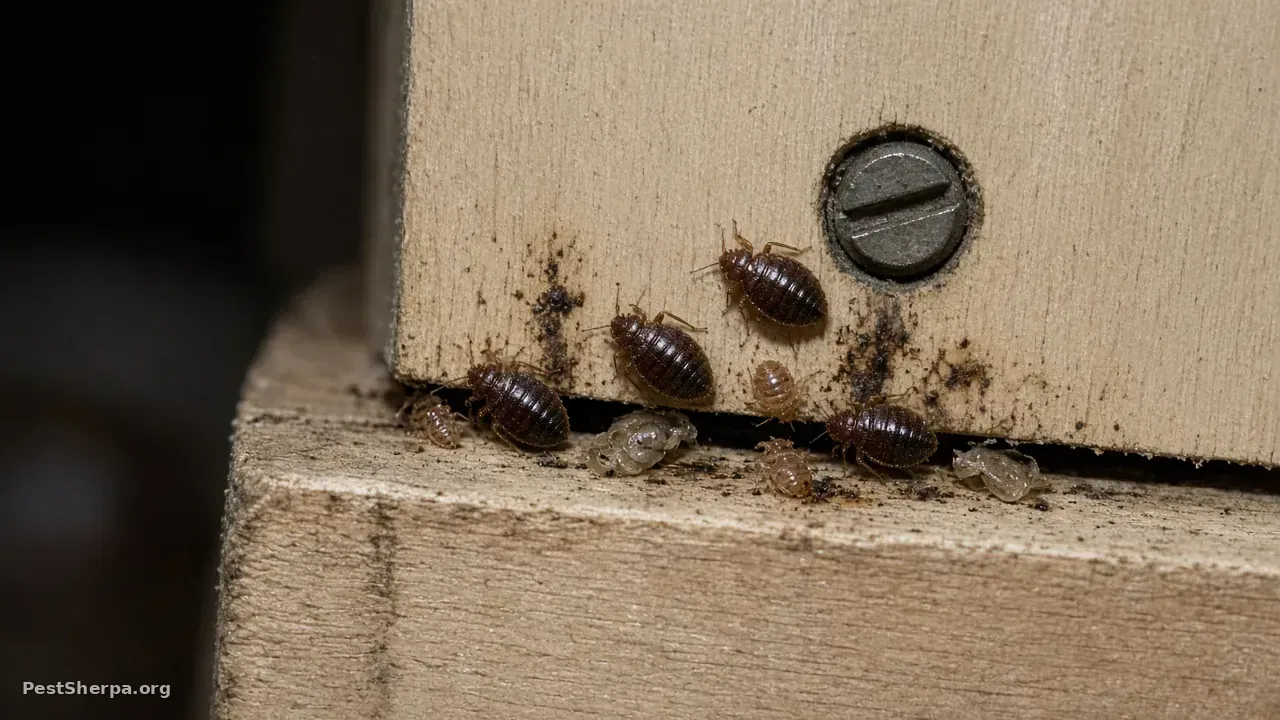
Can Bed Bugs Spread Disease?
Short answer: Bed bugs are not known to transmit human diseases the way mosquitoes or ticks do. That does not make them harmless. Bites can itch, secondary skin infections can follow scratching, and sleep loss is real. Confirm bugs before you treat, and plan for thorough control.
Disease vs misery
Public-health and extension sources are consistent on this point: bed bugs are not recognized as vectors of human pathogens in normal household settings. Their mouthparts take a blood meal, then they hide in seams and cracks. The medical burden is mostly dermatologic irritation, allergic responses in some people, anxiety, and exhaustion from ruined sleep.
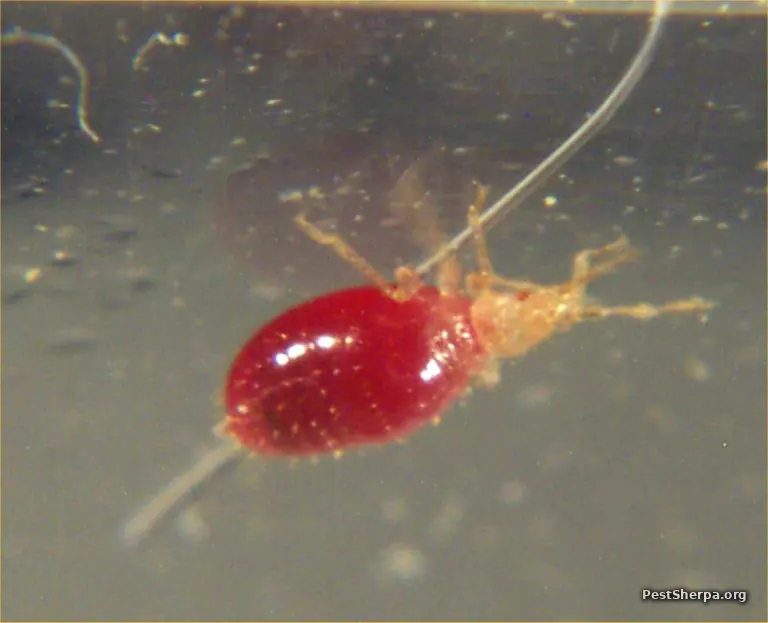
Bite marks alone are not a diagnosis. Some people show little reaction even when bugs are present. Others react strongly. Look for live bugs, shed skins, fecal spots, and blood staining on sheets. Photos or specimens help extension or a professional confirm the ID.
What to do if you suspect bed bugs
- Inspect mattress seams, box springs, bed frames, and headboards with a flashlight.
- Do not fog “just in case.” Foggers often fail and can scatter bugs.
- Wash and dry bedding on high heat when appropriate, and reduce clutter around the bed.
- Avoid moving infested items into clean rooms.
- Encasing mattresses and using interceptor monitors can help while you arrange proper treatment.
Why DIY often stalls
Eggs and hidden adults survive casual sprays. Multi-unit housing can reintroduce bugs from neighboring units. EPA and university IPM programs steer confirmed infestations toward trained professionals using integrated methods: inspection, nonchemical tools, targeted products, and follow-up visits. Our Bed Bug Guide covers habits; the disease question is separate from the control plan.
Travel and secondhand furniture
Hotels, luggage, and used mattresses or couches remain common introduction paths. Inspect seams before a used purchase stays in the bedroom. Early confirmation is kinder than weeks of fogging based on itchy ankles alone. When bugs are confirmed, plan for follow-up visits; one spray night is rarely enough.
Kids, guests, and sleep
Even without disease transmission, chronic bite reactions and fear of insects in bedding wear families down. Treat confirmation and thorough control as a health-of-household issue: sleep matters. That framing helps prioritize proper methods over the cheapest overnight fogger.
Related guides
References
- EPA: Bed Bugs
- CDC: About Bed Bugs
- Penn State Extension: Biology, Habitat, and Management of Bed Bugs
- UC IPM: Bed Bugs
This article was written by Greg Baumann, founder of Pest Sherpa, and reflects more than 40 years of professional pest management experience.
About the Author

Greg Baumann | Pest Control Expert
Greg Baumann is the founder of Pest Sherpa and a Pest Control Expert with more than 40 years of professional pest management experience. His articles combine decades of field experience, technical expertise, and science-based guidance to help homeowners identify pests correctly, understand real-world risks, and make informed pest management decisions.
Mission: Identify the pest. Understand the risk. Stop the problem. Prevent the comeback. Know when it’s time to call a professional.