
Reticulitermes virginicus (Dark Southeastern Subterranean Termite): ID and Control
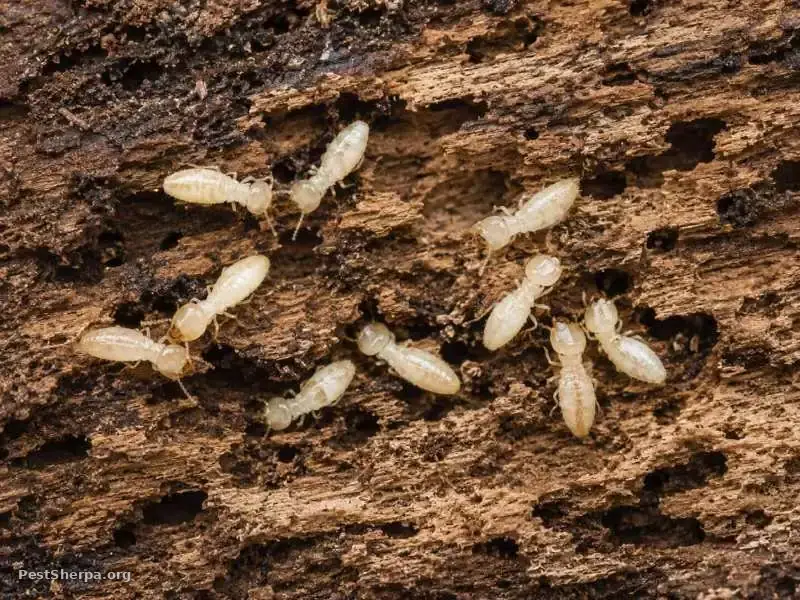
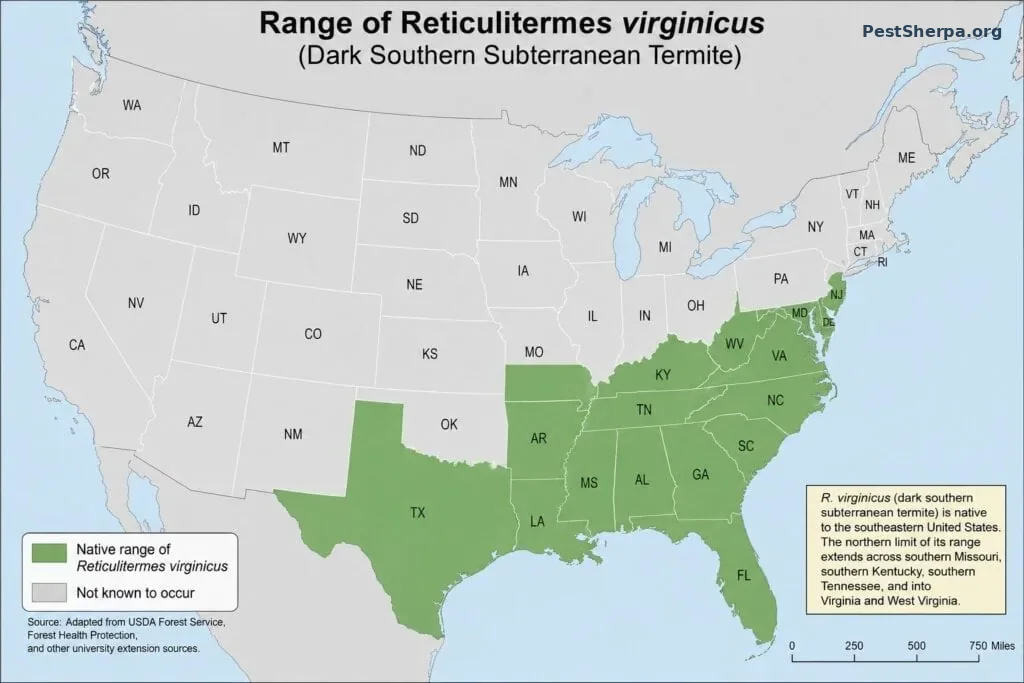
Reticulitermes virginicus is the dark southeastern subterranean termite, a native soil-dwelling wood destroyer found throughout the southeastern United States. Colonies stay hidden in soil and structural wood, so homeowners often notice mud tubes, discarded equal-length wings, swarmers, or hollow-sounding wood before they ever see workers.
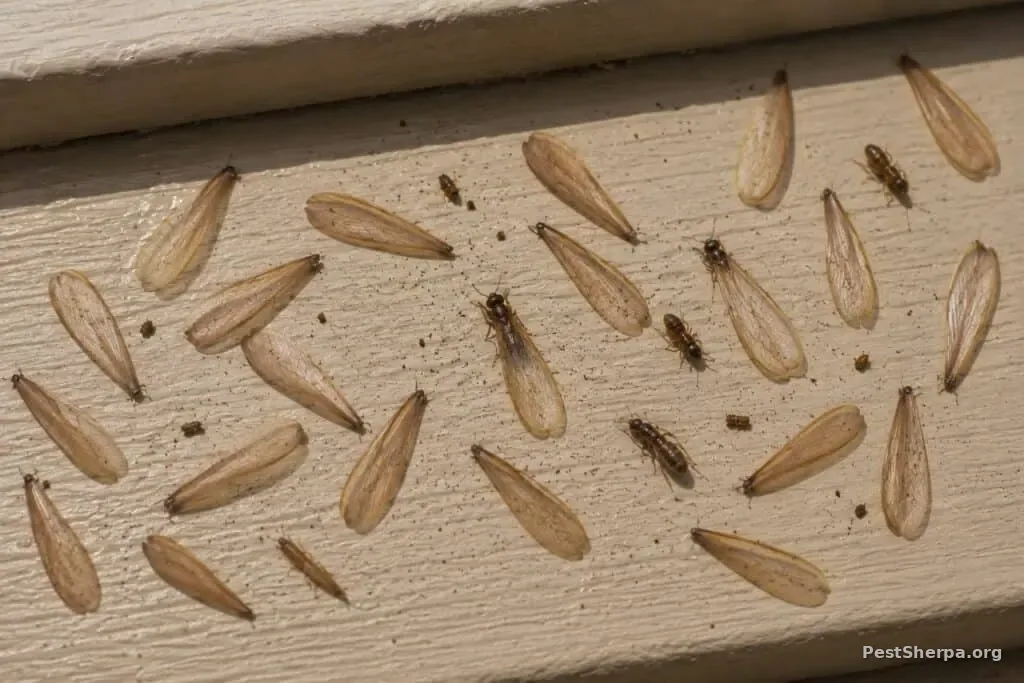
Dark southeastern subterranean termite swarmers with discarded wings near a window.
TL;DR: Dark Southeastern Subterranean Termites Are Hidden Structural Pests
The Dark Southeastern Subterranean Termite is a native subterranean termite that lives underground and feeds on structural wood and other cellulose materials. Because colonies remain concealed in soil, wall voids, crawl spaces, and structural framing, damage often develops long before homeowners realize termites are present.
- Risk Level: High
- Structural damage risk: Yes
- Health threat: Low
- DIY control: Prevention and moisture reduction only
- Professional treatment recommended: Usually yes
Jump To: Identification | Where They’re Found | Signs of Infestation | Why It Matters | What To Do | When To Call a Pro | Similar Pests | Common Questions | References
Identification
Correct identification of this specific species is difficult because several termite species remarkably similar in appearance occur throughout the southeastern United States and homeowners frequently confuse termite swarmers with flying ants. While species-level identification may require professional evaluation, recognizing the signs of subterranean termites can help you act before significant damage occurs.
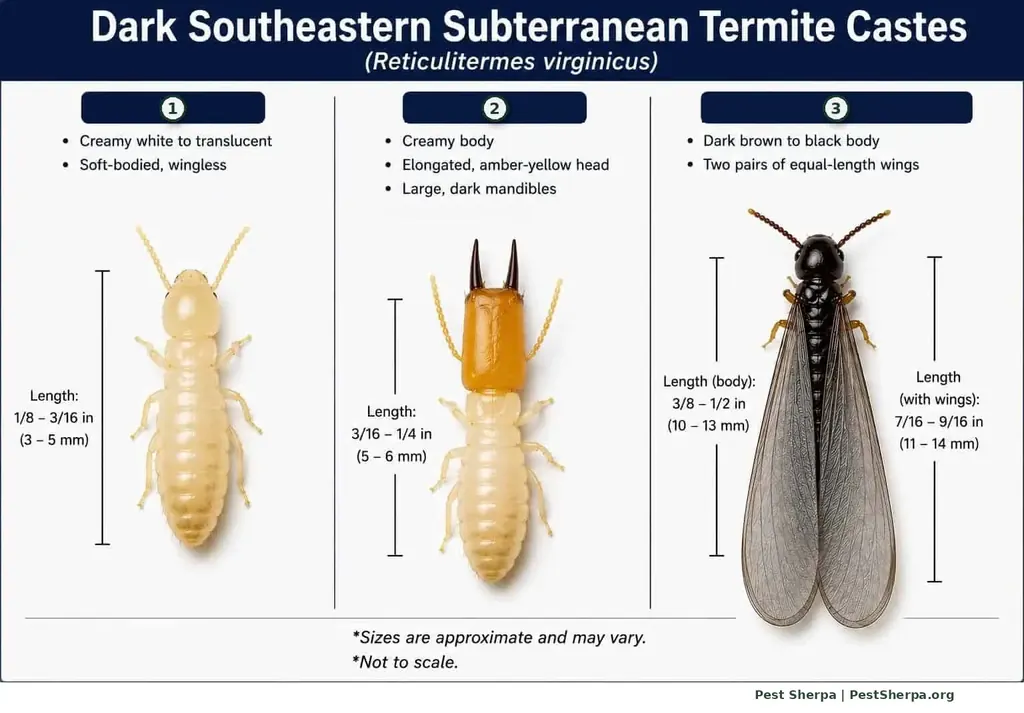
Which caste do you see? Match the number:
- Worker: 1/8 to 3/16 inch (3 to 5 mm), creamy white to translucent, soft-bodied and wingless. Does all colony tasks.
- Soldier: 3/16 to 1/4 inch (5 to 6 mm), creamy body with an elongated amber-yellow head and large dark mandibles. Defends the colony.
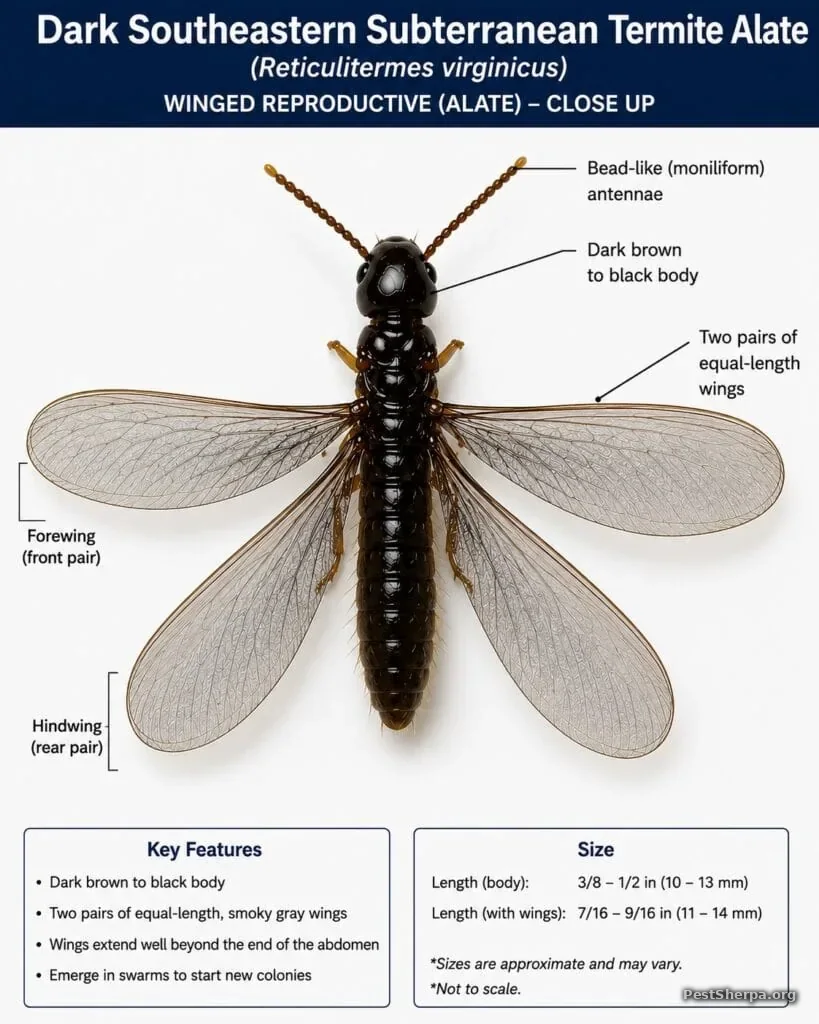
- Alate (winged reproductive): 3/8 to 1/2 inch body, 7/16 to 9/16 inch with wings. Dark brown to black with two pairs of equal-length wings. Swarms to start new colonies.
Workers
Worker termites are soft-bodied, wingless, and creamy white to pale gray. They typically measure between 1/8 and 3/16 inch long. Workers are responsible for feeding the colony, constructing tunnels, building mud tubes, caring for eggs, and maintaining the nest.
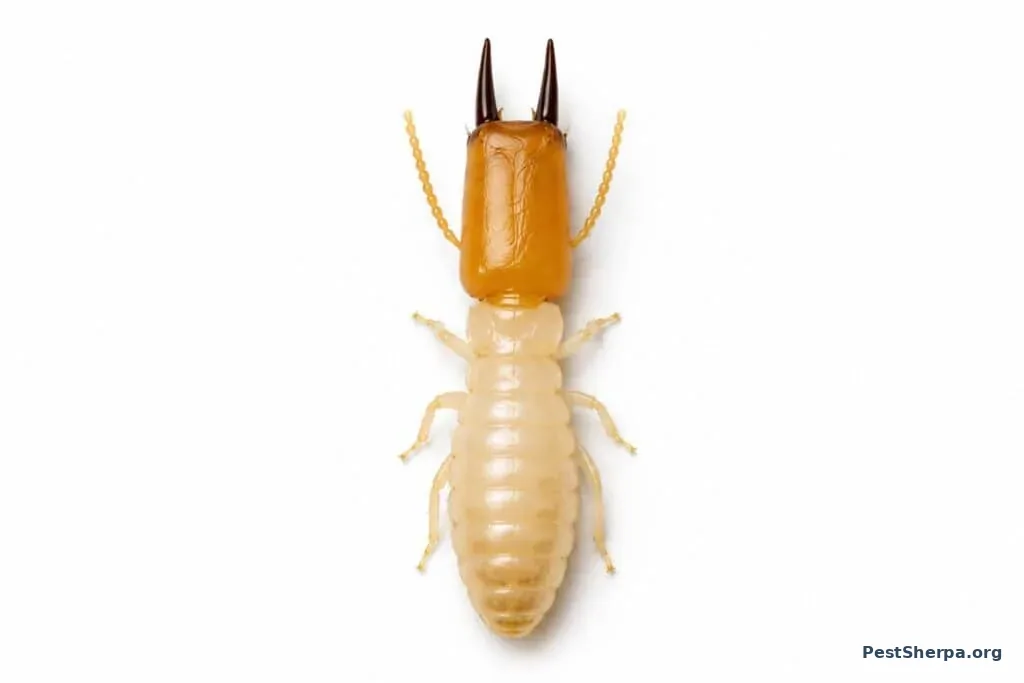
Soldiers
Soldier termites possess enlarged mandibles used for colony defense and have darker yellowish-brown to dark brown heads. The darker head coloration contributes to the common name “Dark Southeastern Subterranean Termite.”
Swarmers
Swarmers, also known as alates, are the winged reproductive termites responsible for establishing new colonies. They are dark-bodied and possess two pairs of equal-length wings. Swarming activity typically occurs during spring, often after rainfall and during periods of elevated humidity.
Discarded wings near windows, doors, or light fixtures are one of the most common signs that termites may be active nearby.
What Confirms the Identification?
- Mud tubes connecting soil to wood
- Soft, blistered, or hollow-sounding wood
- Equal-length wings on swarmers
- Straight antennae
- Broad waist rather than a narrow ant-like waist
- Evidence of activity originating from soil contact
Common Misidentifications
Dark Southeastern Subterranean Termites are commonly confused with:
Where They’re Found
Dark Southeastern Subterranean Termites occur throughout much of the southeastern United States, particularly in warm, humid environments where soil moisture remains consistently available.
Properties with the following conditions are at elevated risk:
- Wood-to-soil contact
- Leaking plumbing
- Poor drainage around foundations
- High crawl space humidity
- Clogged gutters
- Mulch piled against siding
- Tree stumps and buried wood debris
- Cracks around foundations and utility penetrations
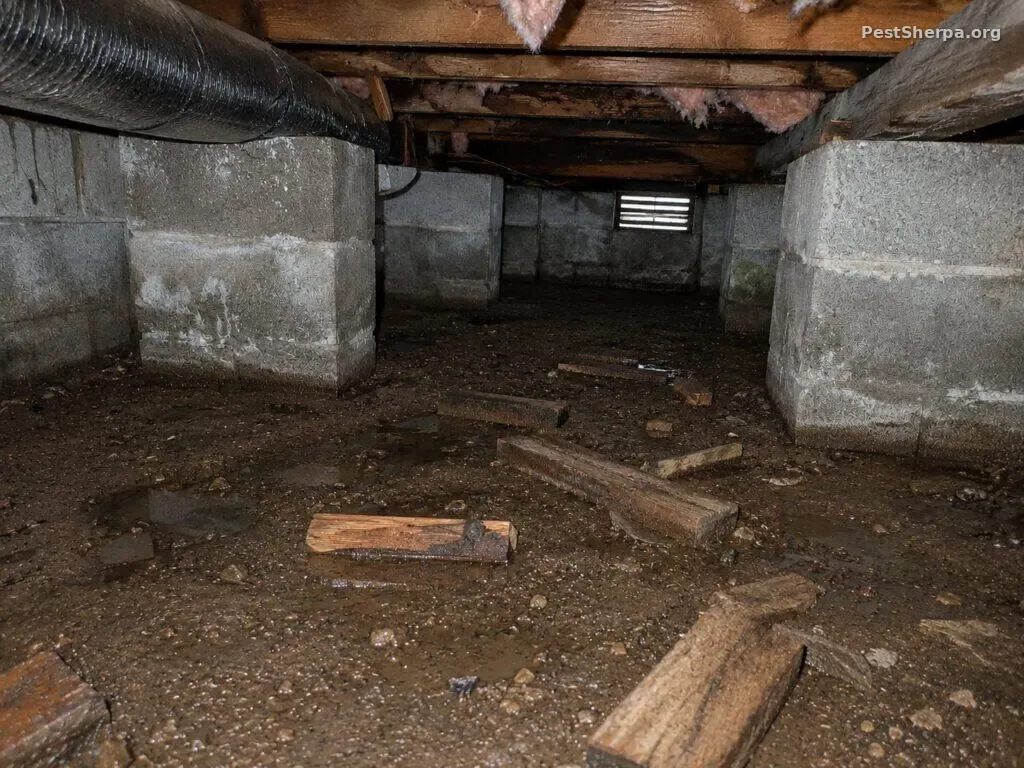
Crawl space showing excessive moisture, wood-to-soil contact, and termite-conducive conditions.
Signs of Infestation
Most homeowners discover evidence of termite activity before they ever see live termites. Because subterranean termites feed from concealed locations, infestations often remain hidden until structural damage has already begun.
What Homeowners Usually Notice First
Most infestations are first discovered when homeowners find one of four things:
- Termite mud tubes on foundations or crawl space supports
- Winged termite swarmers indoors
- Discarded wings on windowsills or near doors
- Wood that sounds hollow or feels soft
These warning signs often appear long before the colony itself is visible.
- Mud tubes on foundations, piers, crawl spaces, or support posts
- Soft, blistered, or hollow-sounding wood
- Discarded wings near windows and doors
- Indoor termite swarmers
- Bubbling paint resembling water damage
- Warped flooring or tight-fitting doors
- Wood galleries containing mud or soil
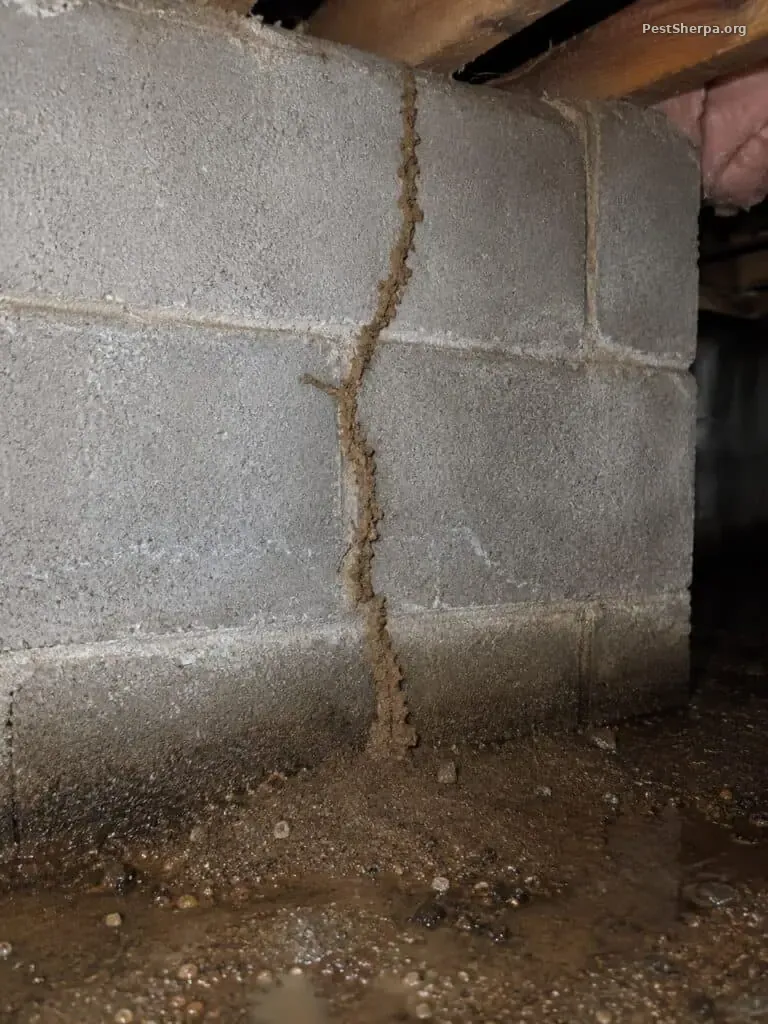
Active subterranean termite mud tubes climbing a residential foundation wall.
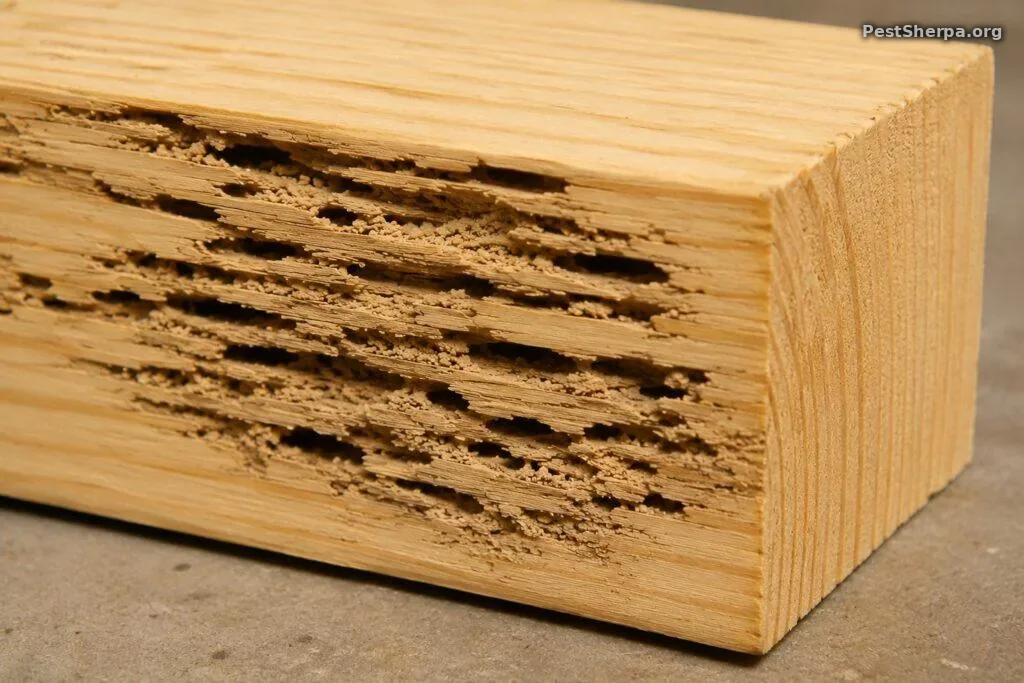
Cross-section of termite-damaged wood revealing internal galleries and intact exterior surface.
Why It Matters
Concern Level: High
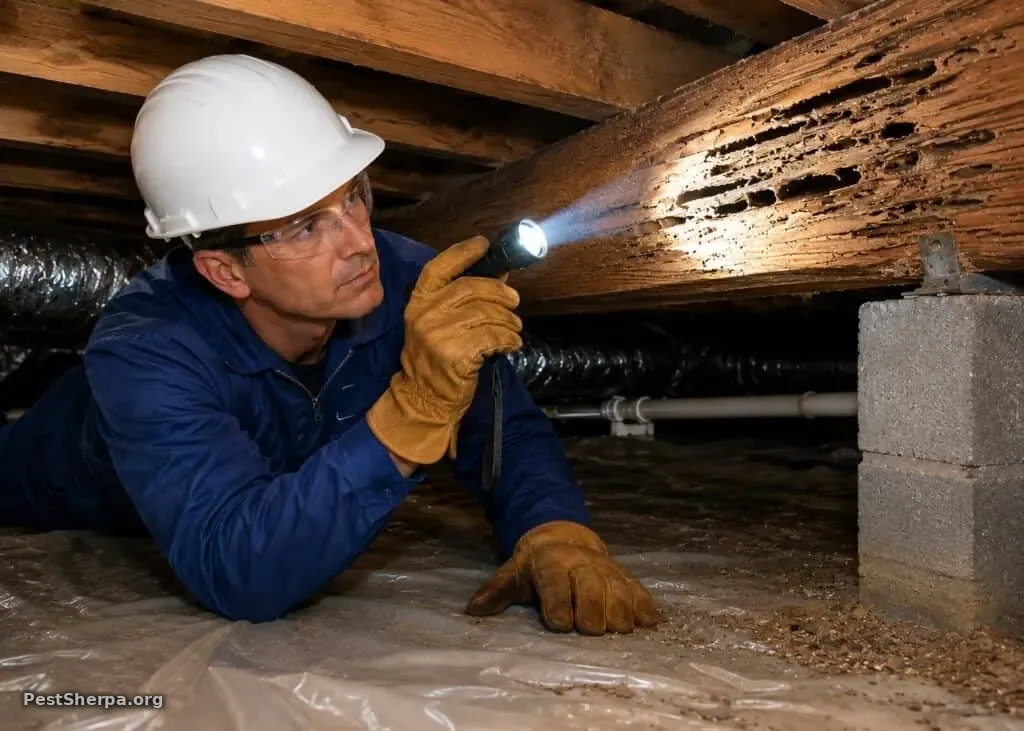
This termite is a legitimate structural pest capable of damaging floor joists, sill plates, wall studs, support beams, subflooring, trim, and other wooden building components. Because feeding occurs from the inside, where termites can maintain needed moisture and protection from predators, substantial damage may develop before obvious visual symptoms appear.
Unlike nuisance insects that simply enter structures, subterranean termites actively consume structural wood and can generate significant repair costs when infestations remain untreated.
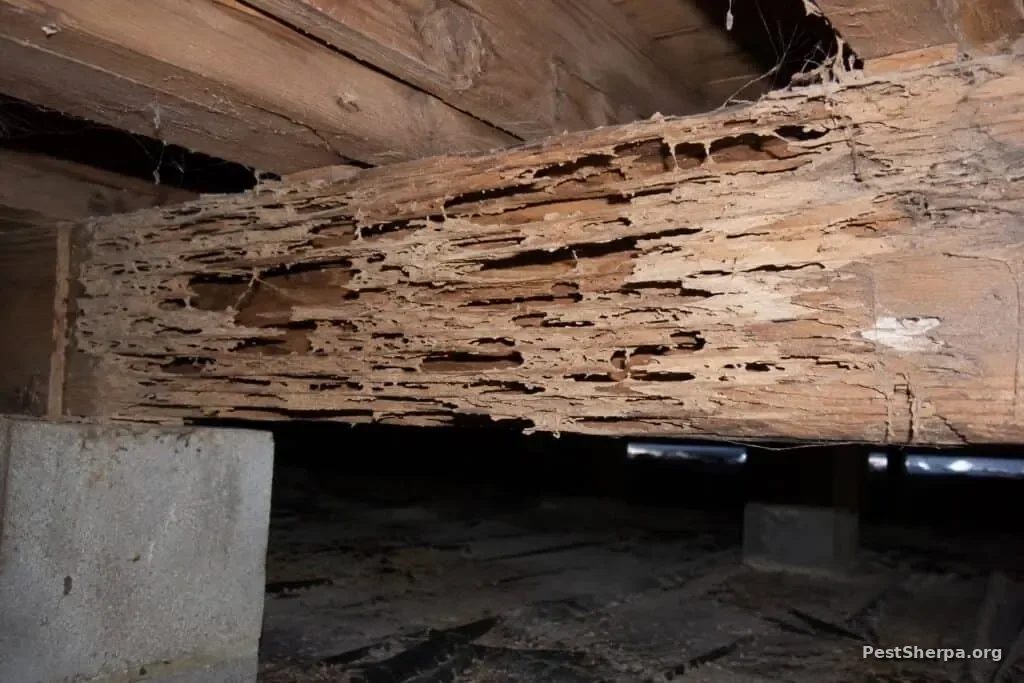
Floor joist severely weakened by subterranean termite feeding activity.
What To Do If You Find Them
What Works
- Photograph evidence before disturbing it
- Reduce moisture around the structure
- Repair plumbing leaks and drainage issues
- Remove wood debris and stumps near the home
- Eliminate wood-to-soil contact
- Schedule a professional termite inspection
What Doesn’t Work
- Spraying visible termites with household insecticides
- Removing mud tubes without investigating further
- Treating only visible damage
- Assuming swarmers are a seasonal nuisance
- Ignoring discarded wings
Can You Eliminate Them Yourself?
In most situations, homeowners can reduce termite risk but should not expect DIY products alone to eliminate an established subterranean termite colony. Colonies often extend far beyond visible damage and may contain hundreds of thousands of termites.
Prevention
Preventing subterranean termite infestations is largely about reducing moisture and limiting opportunities for termites to move from the soil into the structure.
- Repair plumbing and roof leaks promptly
- Maintain positive drainage away from foundations
- Keep mulch away from direct wood contact
- Store firewood away from structures
- Improve crawl space ventilation and moisture control
- Remove stumps and buried wood debris
- Seal foundation cracks and utility penetrations where appropriate
- Schedule regular termite inspections
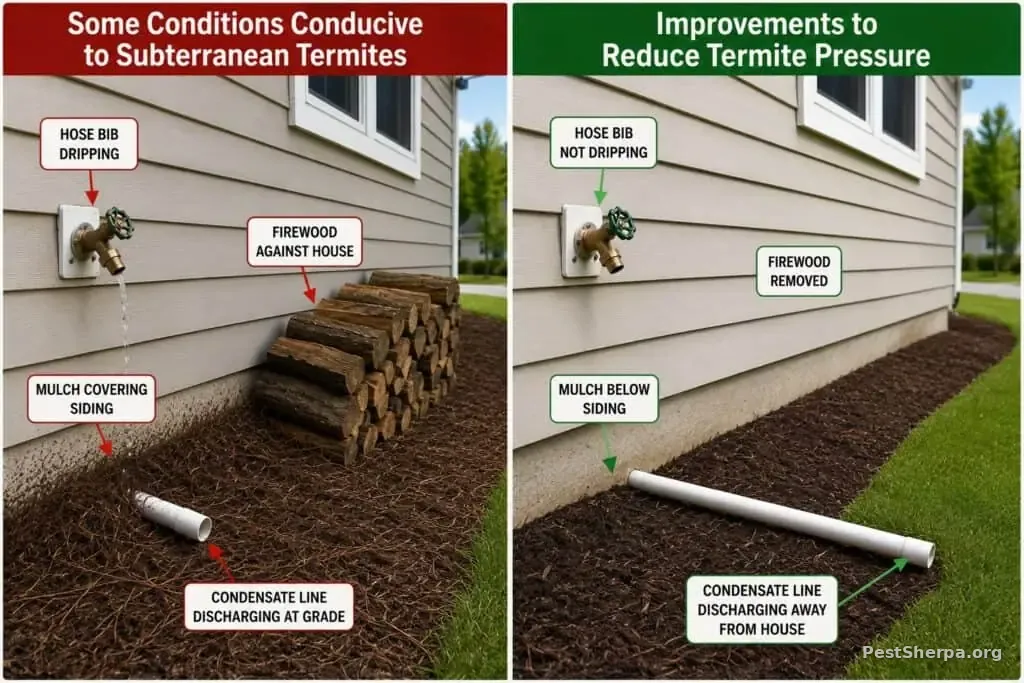
Treatment Options
Professional termite treatment methods vary depending on construction type, infestation severity, moisture conditions, and where termite activity is occurring.
Liquid Termite Treatments
Liquid termiticides create a treated zone in the soil around structures that affects termites as they travel between food sources and the colony.
Baiting Systems
Termite bait stations are installed in the soil around structures and allow foraging termites to transfer active ingredients throughout the colony over time.
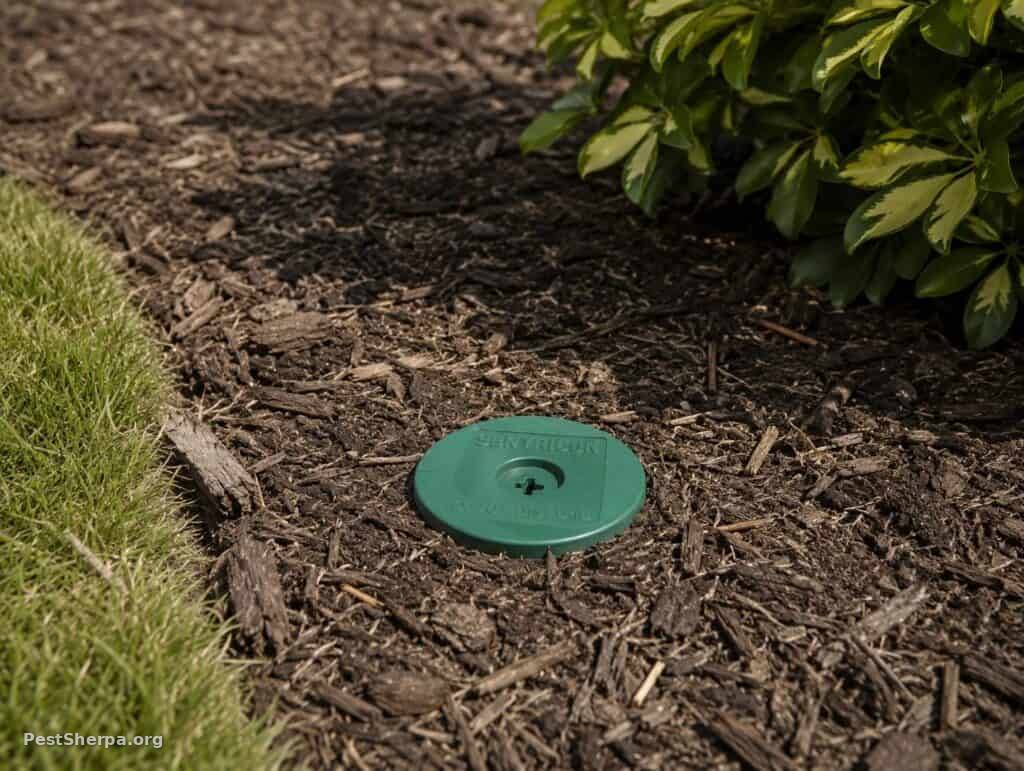
Subterranean termite bait station installed adjacent to a residential structure.
Wood Treatments
Localized wood treatments may supplement broader management programs when termite activity is directly identified.
When To Call a Professional
Professional evaluation is recommended if:
- You discover active mud tubes
- You find termite swarmers indoors
- You observe discarded wings inside the home
- You notice damaged structural wood
- You hear hollow-sounding wood
- The property has a history of termite activity
- You are buying or selling a home
Professional inspections can help determine whether activity is current, how termites are entering the structure, whether damage is structural, and which treatment strategy is appropriate.
Similar Pests and Misidentification Comparison
Dark Southeastern Subterranean Termites are commonly confused with other termites and flying ants. Proper identification helps ensure the right response.
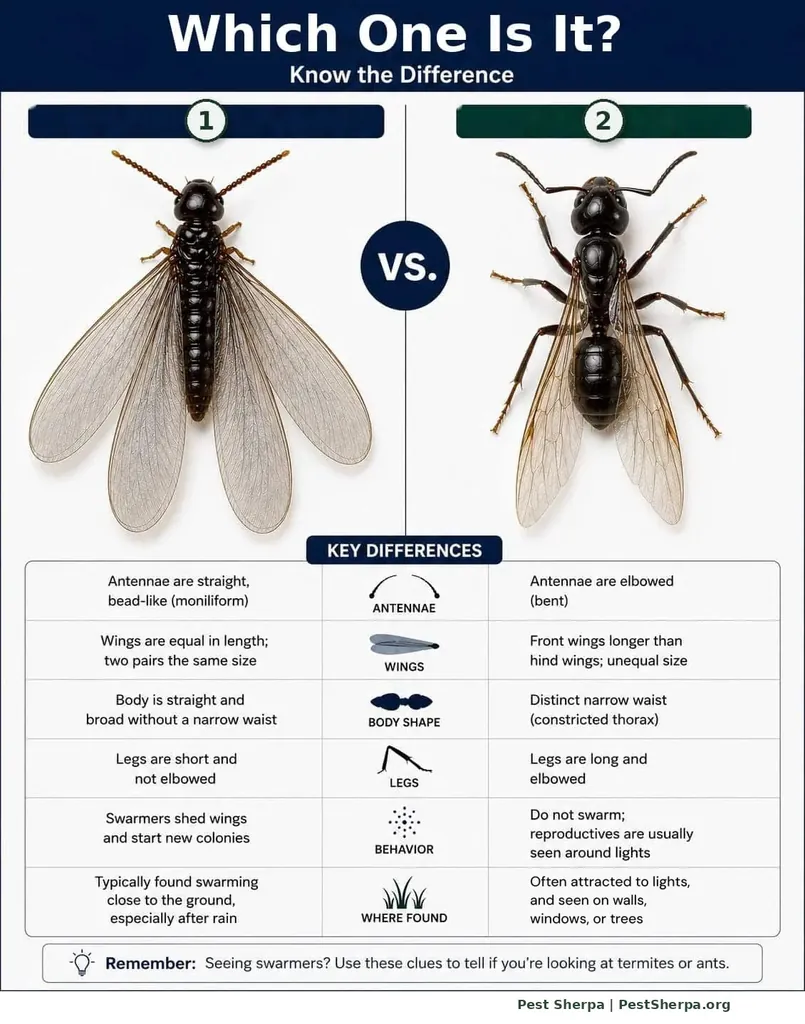
Which one did you find? Match the number:
- Subterranean termite swarmer: straight, beaded antennae, a thick body with no pinched waist, and four wings of equal length.
- Winged carpenter ant: bent (elbowed) antennae, a narrow pinched waist, and front wings longer than the hind wings.
Number 1 swarming inside the house is a reason to call a licensed termite pro for an inspection.
| Pest | Common Confusion | Key Difference |
|---|---|---|
| Eastern Subterranean Termite | Very similar appearance | Species-level identification often requires professional evaluation. |
| Formosan Termite | Both are structural pests | Formosan colonies are typically much larger and more aggressive. |
| Flying Ants | Winged swarmers | Flying ants have elbowed antennae, narrow waists, and unequal wing lengths. |
| Other Wood-Destroying Insects | Wood damage | Damage patterns and evidence differ substantially. |
Dark Southeastern vs Other Common Termites
| Feature | Dark Southeastern | Eastern Subterranean | Formosan |
|---|---|---|---|
| Native to the U.S. | Yes | Yes | No |
| Lives in Soil | Yes | Yes | Yes |
| Structural Pest | Yes | Yes | Yes |
| Colony Size | Large | Large | Very Large |
| Most Common Region | Southeast | Eastern U.S. | Gulf Coast / Southeast |
Bottom Line
The Dark Southeastern Subterranean Termite is a serious wood-destroying insect capable of causing extensive structural damage while remaining hidden underground or inside structural framing. Early detection, moisture management, and routine inspections remain the most effective ways to reduce risk and avoid costly repairs.
If you find mud tubes, discarded wings, indoor swarmers, or damaged wood, document what you see and arrange for a professional termite inspection. The sooner termite activity is identified, the easier and less costly it is typically to manage.
Common Questions
References
- University of Florida IFAS Extension: Native Subterranean Termites
- University of Georgia Extension: Biology of Subterranean Termites in the Eastern United States
- University of Kentucky Entomology: Termite Control: Answers for Homeowners
- U.S. Environmental Protection Agency: Termites: How to Identify and Control Them
- National Pest Management Association (NPMA): Termite Information
- USDA Forest Service: Forest Health Protection
This article was written by Greg Baumann, founder of Pest Sherpa, and reflects more than 40 years of professional pest management experience.
About the Author

Greg Baumann | Pest Control Expert
Greg Baumann is the founder of Pest Sherpa and a Pest Control Expert with more than 40 years of professional pest management experience. His articles combine decades of field experience, technical expertise, and science-based guidance to help homeowners identify pests correctly, understand real-world risks, and make informed pest management decisions.
Mission: Identify the pest. Understand the risk. Stop the problem. Prevent the comeback. Know when it’s time to call a professional.