
One roach = infestation?
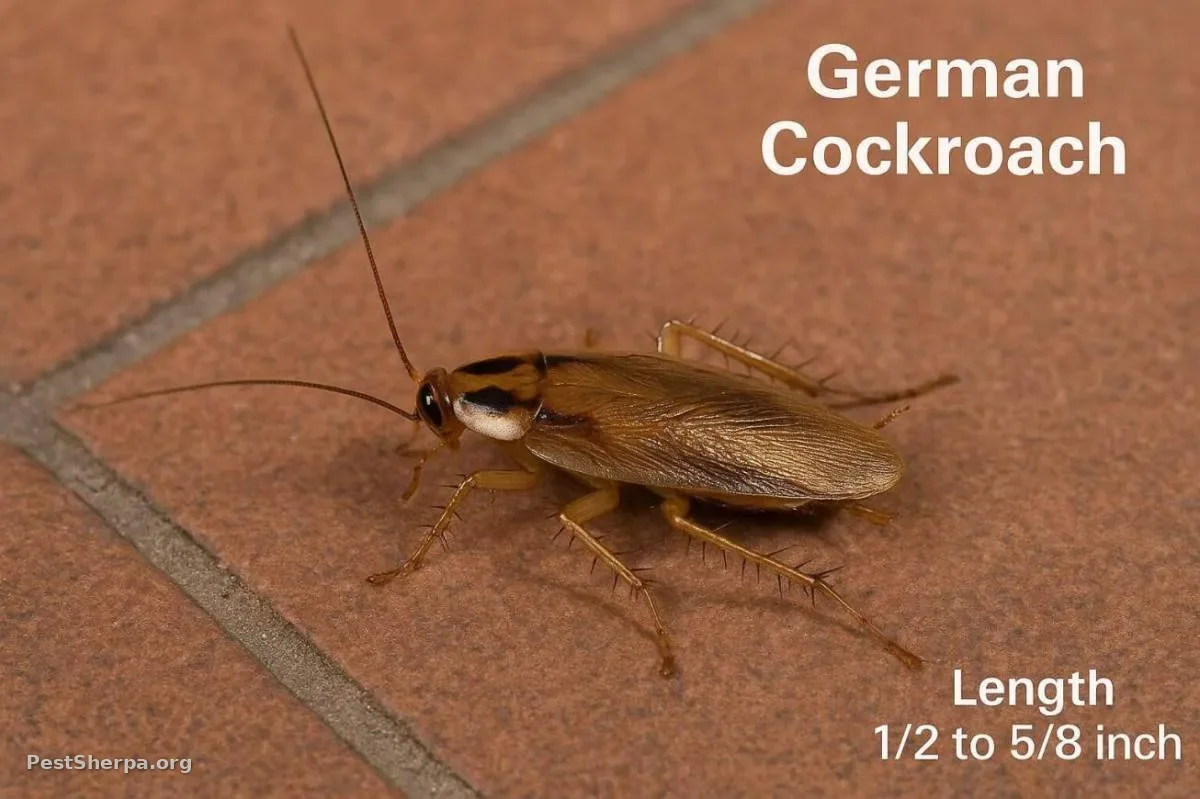
Short answer: It depends on the species. One American cockroach can be a wanderer from a sewer or crawlspace. One German cockroach inside living areas is a stronger warning that more may already be nearby. Identify first, then choose a plan, not panic.
Why species matters
University of Kentucky entomology notes that German cockroaches are often brought indoors in bags, cartons, or furniture and thrive inside heated kitchens, while American and some other species more often enter through gaps and utility openings. UC IPM’s cockroach guidance likewise treats identification and sanitation as the start of control, not random fogging.
German cockroaches reproduce quickly in cracks near food and warmth. Seeing one in a kitchen cabinet during the day can mean a larger night-active population. Large “palmetto bug” Americans may simply stroll in toward moisture, especially after rain: still worth sealing and inspecting, but not the same emergency profile as Germans.
What to do tonight
- Capture or photograph the insect for ID (size, markings, wings).
- Clean grease and crumbs; store food in sealed containers; empty pet bowls overnight.
- Reduce water: fix leaks, dry sinks, take out garbage.
- Avoid blasting voids with over-the-counter foggers that scatter insects deeper.
- If you confirm Germans, or you keep seeing multiple Americans, use a targeted bait/IPM approach or call a professional.
If you only ever see large cockroaches near a basement drain, sump, or after heavy rain, focus on exclusion and moisture. If you see small cockroaches in upper kitchen cabinets, sticky traps overnight will quickly tell you whether activity is ongoing. Sticky monitors are simple diagnostic tools; they do not replace sanitation, but they stop the guessing.
Related guides
References
This article was written by Greg Baumann, founder of Pest Sherpa, and reflects more than 40 years of professional pest management experience.
About the Author

Greg Baumann | Pest Control Expert
Greg Baumann is the founder of Pest Sherpa and a Pest Control Expert with more than 40 years of professional pest management experience. His articles combine decades of field experience, technical expertise, and science-based guidance to help homeowners identify pests correctly, understand real-world risks, and make informed pest management decisions.
Mission: Identify the pest. Understand the risk. Stop the problem. Prevent the comeback. Know when it’s time to call a professional.