
How to Get Rid of Fleas in Your House: Pets, Home, and Yard
Getting rid of fleas requires attention to pets and the places where they rest, and sometimes the yard. Treating pets with an effective, veterinarian-recommended flea product is usually the most important step. The adult fleas you see on a pet are only a small part of the problem; the University of Kentucky notes that hundreds or thousands of eggs, larvae, and pupae may be developing elsewhere in the home or yard. Indoor insecticide treatment may be needed for established or severe infestations, but it is not always necessary. This guide explains how to eliminate fleas, why they may persist for several weeks, and when professional treatment makes sense. [University of Kentucky Entomology, ENTFACT-602]
Key Points
Treat all dogs and cats in the household with appropriate flea products recommended by your veterinarian. Select products specifically labeled for each animal’s species, age, weight, and health condition. Never use carpet or yard insecticides on pets. [University of Kentucky Entomology, ENTFACT-602] [National Pesticide Information Center]
Vacuum carpets, upholstered furniture, and pet resting areas thoroughly and frequently. Wash pet bedding and other washable fabrics in hot water when permitted by the care instructions. For established infestations, a labeled indoor flea treatment containing an insect growth regulator may be helpful, especially when combined with an adult-killing insecticide. However, effective pet treatment and thorough cleaning may eliminate some infestations without spraying the home. [UC Statewide IPM Program]
Expect newly emerging fleas for several weeks after treatment because developing fleas are protected within cocoons. Continue vacuuming and monitoring rather than repeatedly applying insecticides. Avoid total-release foggers or bug bombs, which seldom reach important flea development sites. Outdoor treatment is usually unnecessary unless flea activity is confirmed in shaded pet resting areas. [University of Kentucky Entomology, ENTFACT-602]
In This Guide
- Quick Answer
- Confirm It Is Fleas
- DIY Steps That Work
- What Fails
- What a Pro Visit Looks Like
- What It Costs
- Prevention
- Common Questions
- References
Quick answer
- Treat the pets. Consult your veterinarian and begin appropriate flea treatment for every dog and cat in the household. Coordinate treatment so untreated animals do not continue supporting the infestation. [University of Kentucky Entomology, ENTFACT-602] [National Pesticide Information Center (Oregon State University and U.S. EPA)]
- Wash pet bedding. Launder washable pet bedding, throw rugs, and blankets in hot water where fabric instructions permit, and dry thoroughly using the highest safe temperature. [National Pesticide Information Center (Oregon State University and U.S. EPA)] [University of Kentucky Entomology, ENTFACT-602]
- Vacuum thoroughly. Concentrate on carpets, upholstery, floor edges, under furniture, and areas where pets sleep. Dispose of vacuum contents promptly outside. [University of Kentucky Entomology, ENTFACT-602] [National Pesticide Information Center (Oregon State University and U.S. EPA)]
- Evaluate the need for indoor treatment. Effective pet medication and cleaning may be sufficient for lighter infestations. For extensive infestations, consider a labeled indoor insecticide containing an insect growth regulator, with an adulticide when appropriate. [University of Kentucky Entomology, ENTFACT-602]
- Keep vacuuming. Vacuum frequently during the following weeks to remove developing fleas and encourage adults to emerge from protected cocoons. [University of Kentucky Entomology, ENTFACT-602]
- Inspect outdoor resting areas. Treat only confirmed flea-infested locations when necessary, especially shaded areas where pets rest. [University of Kentucky Entomology, ENTFACT-602] [National Pesticide Information Center (Oregon State University and U.S. EPA)]
- Reassess after several weeks. Some newly emerging fleas are expected. If substantial activity continues after about four weeks, review pet treatment, possible reinfestation sources, and whether additional professional or premises treatment is needed. [University of Kentucky Entomology, ENTFACT-602]
Confirm it is fleas
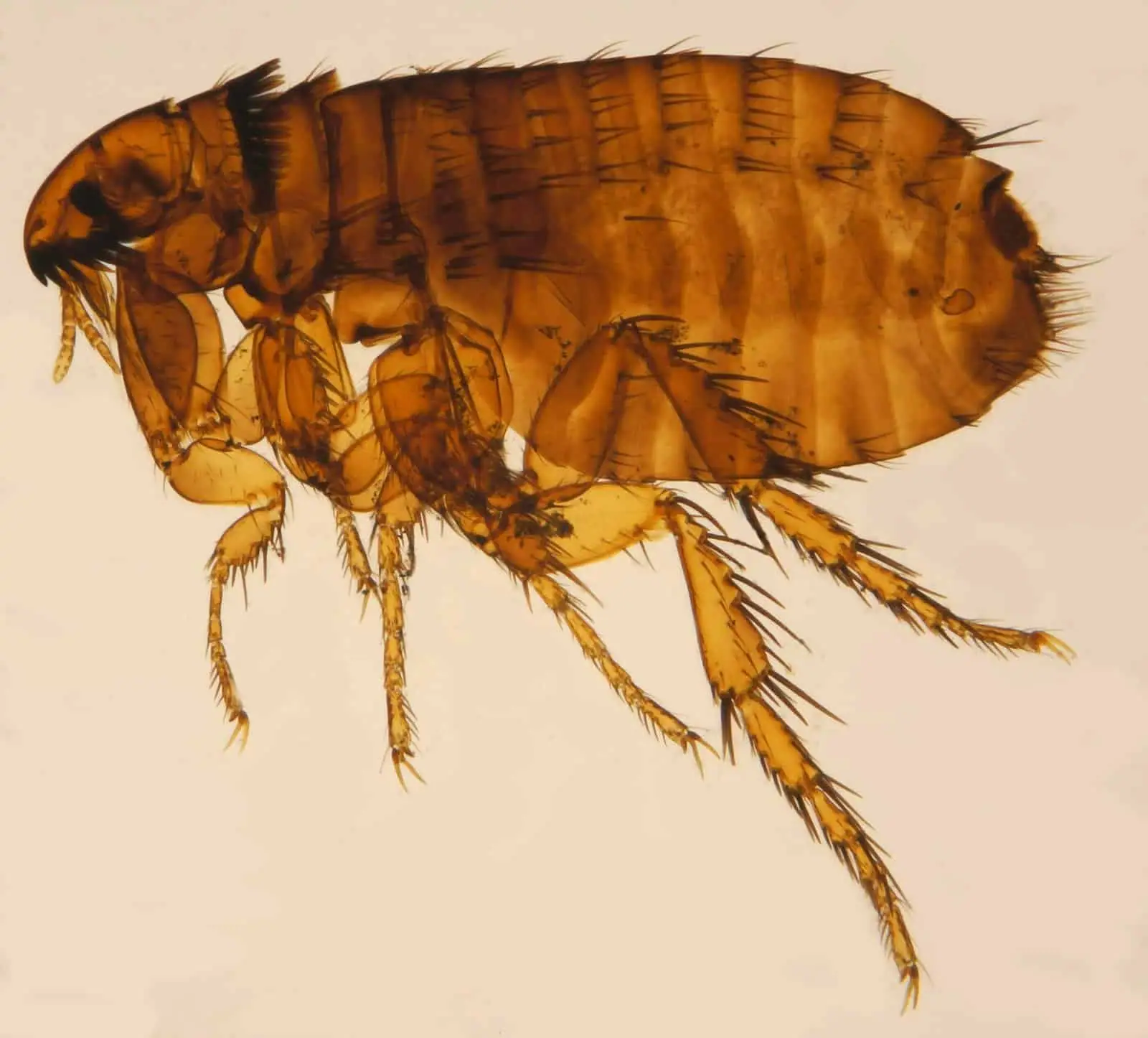
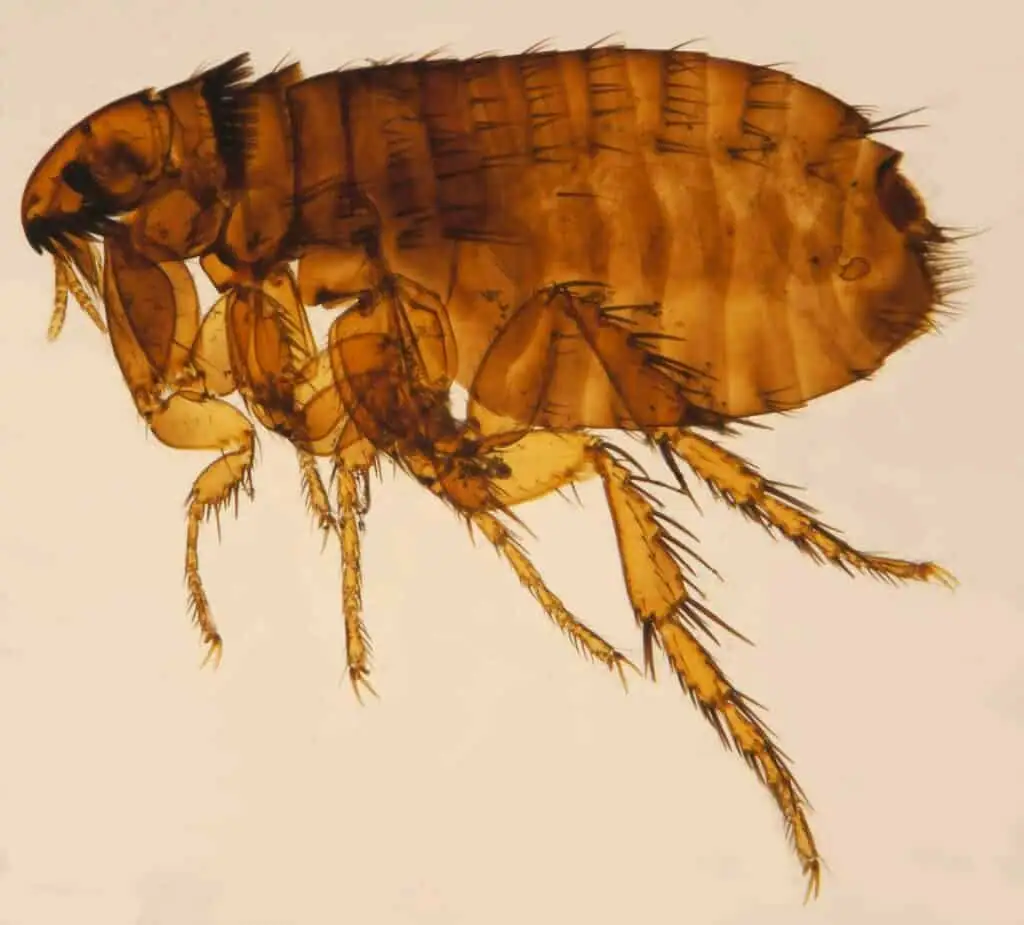
Fleas are small, dark brown, wingless insects with bodies flattened from side to side and strong hind legs adapted for jumping. The cat flea (Ctenocephalides felis) is the species most commonly found on both dogs and cats in North America.
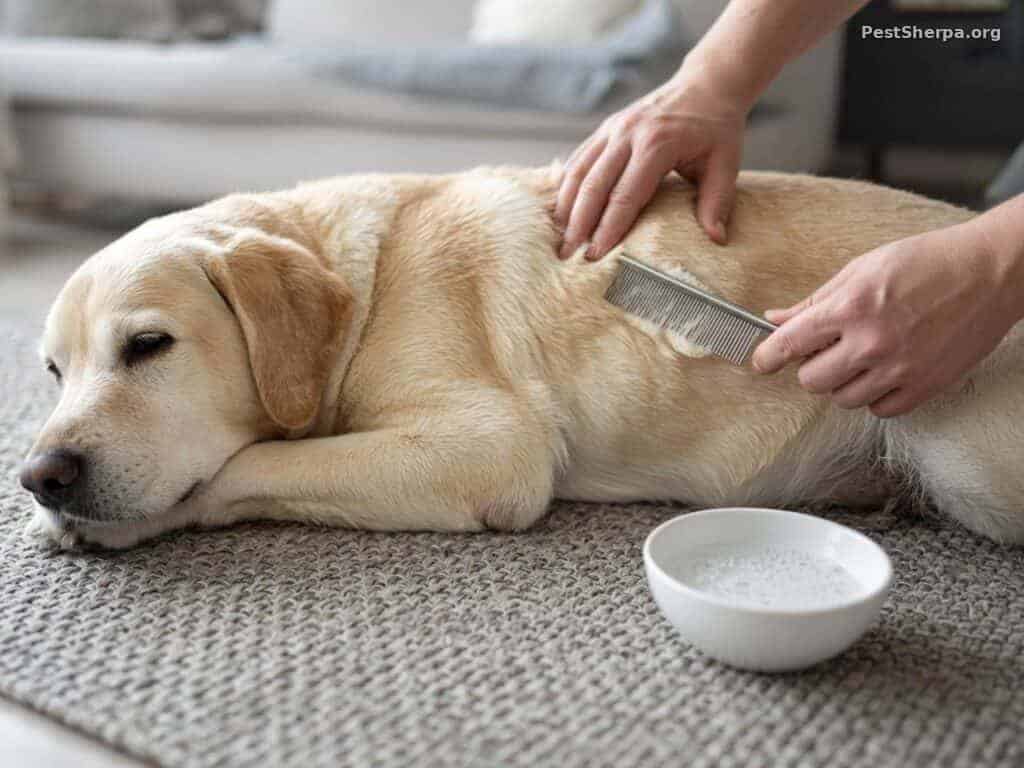
Check pets for moving fleas and dark, pepper-like specks called flea dirt, particularly around the lower back and base of the tail. Flea dirt consists largely of digested blood excreted by adult fleas. A fine-toothed flea comb can help detect both fleas and flea dirt. Placing suspected flea dirt on a damp white paper towel may reveal a reddish-brown stain.
Our cat flea and dog flea guides explain identification, while the flea guide covers biology, bites, and health concerns.
To check whether a room or part of the yard has fleas, the University of Kentucky suggests walking through the area wearing white athletic socks pulled high on the legs. Adult fleas jumping onto the socks are easier to see against the white background. [University of Kentucky Entomology, ENTFACT-602]
DIY steps that work
Treat the pets first
Pet flea products include oral medications, topical spot-on treatments, collars, sprays, and shampoos. Some provide extended protection, while others offer only short-term control.
The University of Kentucky recommends consulting a veterinarian to select an effective product suitable for the animal’s age, weight, health, and local flea conditions. All dogs and cats in the household should receive appropriate protection, even if only one pet appears infested.
Never use insecticides intended for carpets or yards directly on pets. Never apply a dog-only flea product to a cat. Some dog treatments contain permethrin, which can cause serious or fatal poisoning in cats. Follow label precautions concerning contact between treated pets, especially while topical products are drying. [University of Kentucky Entomology, ENTFACT-602] [EPA: Controlling Fleas and Ticks on Your Pet] [National Pesticide Information Center (Oregon State University and U.S. EPA)]
Clean where the larvae live
Adult fleas spend most of their time feeding on their animal hosts. Female fleas lay eggs on the animal, but the eggs readily fall into bedding, carpets, upholstered furniture, and other places where pets rest.
After hatching, flea larvae seek protected areas away from light. They feed on organic material, particularly the dried blood excreted by adult fleas. As a result, immature flea stages commonly accumulate where pets sleep or spend considerable time.
Wash pet bedding, washable rugs, and other fabrics regularly. Use hot water and high-temperature drying when allowed by fabric care instructions. Vacuum areas that cannot be laundered. [National Pesticide Information Center (Oregon State University and U.S. EPA)]
Vacuum, then vacuum again
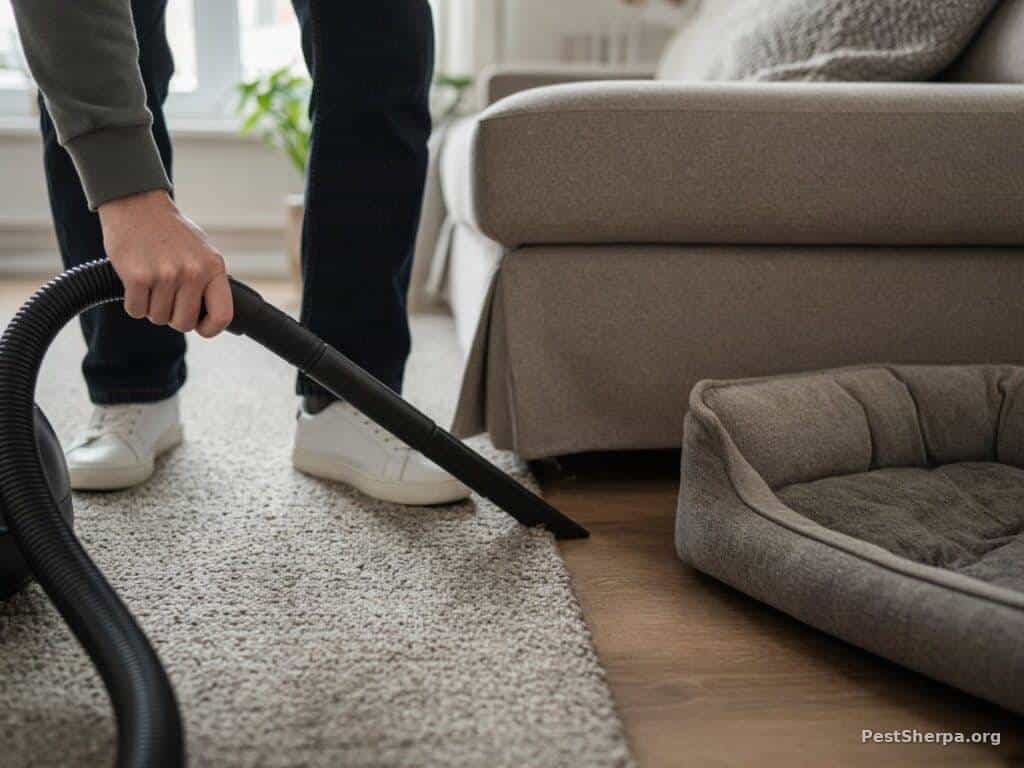
Vacuuming is one of the most useful nonchemical steps in flea management. It removes many eggs, larvae, adult fleas, and some pupae, along with the organic debris on which larvae feed.
Vacuuming also produces vibrations that can stimulate fully developed fleas to emerge from cocoons. This helps expose newly emerged adults to treated pets or residual insecticides, if those have been applied.
Pay particular attention to carpeting, room edges, underneath furniture, cushions, beds, throw rugs, and locations where pets rest. Vacuum frequently during an active infestation.
Seal disposable vacuum bags and place them in an outdoor trash container. Empty bagless vacuum canisters outdoors and dispose of the contents promptly. [University of Kentucky Entomology, ENTFACT-602]
Use a premises spray with an insect growth regulator
Effective modern flea medications used on pets may eliminate light infestations without insecticide applications inside the home. However, established or severe infestations may benefit from targeted indoor treatment to reduce flea numbers more quickly.
Many effective indoor flea products contain an adult-killing insecticide, such as permethrin, imidacloprid, or dinotefuran, combined with an insect growth regulator such as methoprene or pyriproxyfen.
The adulticide kills susceptible adult fleas, while the insect growth regulator interferes with the development of eggs and larvae. Neither reliably eliminates developing fleas protected inside cocoons.
Concentrate treatment on flea-infested carpets, rugs, and pet resting areas. Treat upholstered furniture or other surfaces only when specifically permitted by the product label. Hardwood, tile, and concrete generally require cleaning and vacuuming rather than insecticide treatment.
Follow all label instructions, including application rates, prohibited surfaces, ventilation requirements, and precautions for children and pets. Keep people and animals away from treated areas for the period specified on the label, including until treated surfaces are dry when directed. [University of Kentucky Entomology, ENTFACT-602] [UC Statewide IPM Program]
Be patient for four weeks
Flea development helps explain why infestations may persist after appropriate treatment.
Larvae develop into pupae inside protective cocoons. Under favorable conditions, adult fleas may emerge within several weeks, but emergence can be delayed substantially when conditions are unfavorable or hosts are absent. In vacant buildings, fully developed fleas may remain protected within cocoons for months.
Most insecticides do not penetrate these cocoons effectively. Newly emerging adults may therefore continue to appear after the original treatment.
Continue vacuuming and maintain effective flea protection on pets. Avoid automatically reapplying insecticides whenever a few fleas appear.
If adult flea activity persists beyond approximately four weeks, evaluate whether the pet treatment is effective, whether untreated animals or wildlife are introducing fleas, and whether additional treatment is warranted. Follow label restrictions on retreatment intervals. [University of Kentucky Entomology, ENTFACT-602]
Our article on why one flea spray rarely works explains the biology.
Treat the yard only where it matters
Most flea infestations can be controlled by treating pets and, when necessary, the interior of the home. Outdoor insecticide treatment should be reserved for locations where fleas are present and treatment is needed.
Flea larvae are sensitive to drying and sunlight. They are more likely to survive in shaded, humid areas containing organic debris, particularly where animals spend time resting.
Inspect shaded pet resting areas, doghouses, kennel areas, spaces under decks, and protected locations near foundations. Treat confirmed infestation sites only with products labeled for that outdoor use.
Broadcast treatment of open, sunny lawns is seldom necessary.
Wildlife and stray animals can introduce fleas into yards. Discourage raccoons, opossums, feral cats, and other animals from establishing resting or denning sites around the home. [University of Kentucky Entomology, ENTFACT-602] [National Pesticide Information Center]
What fails
- Flea bombs and foggers. Total-release foggers seldom provide effective flea control because insecticides often fail to reach protected locations where immature fleas develop. They can also create fire and exposure hazards.
- Treating only the house while leaving pets untreated. Adult fleas on untreated pets continue reproducing and depositing eggs into the environment.
- Treating only one pet in a multi-pet household. Untreated animals can maintain the infestation.
- Repeated spraying every few days. Newly emerging adult fleas are expected after treatment. Unnecessary retreatment increases pesticide exposure without eliminating protected pupae.
- Using yard or carpet products on pets. Products labeled for premises treatment are not substitutes for animal medications and may cause poisoning.
- Relying only on home remedies. Many commonly promoted home remedies have not demonstrated reliable flea control.
- Effective veterinarian-recommended pet treatment, cleaning, monitoring, and selective premises treatment are more dependable than repeated, indiscriminate spraying. [University of Kentucky Entomology, ENTFACT-602] [National Pesticide Information Center]
What a pro visit looks like
Professional flea management begins with identifying the source and extent of the infestation. A pest control company can inspect and treat the premises when needed, while a veterinarian recommends appropriate flea treatment for pets.
A company that does not ask whether household animals are receiving effective flea protection is overlooking a critical part of successful control.
The inspection
A technician should ask about household pets, their sleeping and resting locations, previous flea treatments, and recent wildlife activity.
The inspection may include carpeting, upholstered furniture, pet bedding areas, floor edges, crawl spaces, and shaded outdoor locations where animals spend time.
Where wildlife or stray animals are introducing fleas, correcting that source may be necessary to prevent reinfestation.
Your prep before the visit
- Arrange appropriate flea treatment for all household dogs and cats.
- Vacuum thoroughly, concentrating on pet resting areas and accessible carpet edges.
- Wash pet bedding and remove clothing, toys, and stored items from floors to provide access.
- Remove pet food and water dishes from areas scheduled for treatment.
- Follow the company’s instructions concerning aquariums, pets, and temporary absence from treated areas.
The treatment
Depending on inspection findings, the technician may recommend:
- Continued veterinarian-recommended pet treatment and intensive vacuuming without additional indoor pesticide applications.
- Targeted indoor treatment with a labeled adulticide and insect growth regulator for established infestations.
- Outdoor applications limited to confirmed flea-infested resting areas.
- Wildlife exclusion or other corrective measures where animals are introducing fleas.
Routine whole-yard spraying and treatment of rooms without evidence of flea activity are generally unnecessary.
Follow-up
Expect instructions for continued vacuuming and monitoring after treatment. A technician may recommend a follow-up inspection or additional application if flea activity remains significant.
Newly emerging fleas may appear for several weeks because cocoons protect developing adults from many treatments.
If fleas persist after approximately four weeks, a follow-up should determine whether the cause is delayed emergence, incomplete treatment, reinfestation, or another source before additional insecticides are applied.
Questions to ask before you agree to professional service
- How will you determine which rooms and outdoor areas require treatment?
- Which adulticide and insect growth regulator, if any, will you use?
- What pet treatment and cleaning should I complete before service?
- How long must people and pets remain away from treated areas?
- What should I expect during the next four weeks?
- Is a follow-up inspection or additional treatment included in the price?
- See how to hire a licensed pest control company for licensing and contract tips.
See how to hire a licensed pest control company for licensing and contract tips.
What it costs
Flea control is usually priced per visit and depends on your location, the size of the home, and how severe the infestation is. Treating your pets is a separate cost through your veterinarian. The figures below come from the sources listed; we did not survey anyone ourselves. They are not industry standard prices. The industry does not set standard prices, and the law does not allow it to.
Flea work is often bundled with a follow-up visit; see the cost of flea treatment in our national cost guide before you book.
Typical national ranges
Recent consumer pricing guides provide the following estimates:
- Professional flea treatment: Approximately $75 to $400 per visit, according to Angi’s September 2026 pricing guide.
- One-time flea inspection and treatment: Approximately $200 to $400, according to HomeGuide.
- Additional follow-up treatment: May cost extra depending on the company and service agreement.
- General annual pest control contracts: Vary widely and should not be treated as the expected cost of resolving a flea infestation.
- These are national consumer estimates, not verified local quotes. Request written estimates identifying the treatment areas, products, follow-up provisions, and total cost.
- [Angi: Flea Exterminator Cost] [HomeGuide: Flea Exterminator Cost]
These are national figures from consumer cost surveys, not quotes. Prices vary by region, home, and job, so treat them as a starting point for comparing written estimates.
What moves the price
- The home’s size and the number of infested rooms.
- The amount of carpeting and upholstered furniture requiring treatment.
- The severity and duration of the infestation.
- Whether confirmed outdoor infestation sites need treatment.
- The number of visits required and whether follow-up is included.
- Any separate wildlife exclusion or cleanup work.
One-time job or ongoing plan
Many flea infestations can be resolved through effective pet protection, cleaning, and a limited treatment program when necessary.
An ongoing pest control contract is not ordinarily required solely for flea management. Continued flea prevention on pets is often more important than recurring premises spraying.
Properties with persistent wildlife activity or frequent flea introduction may require additional monitoring and prevention.
Red flags in a quote
- No mention of treating your pets on a veterinarian’s advice.
- A fogger-only treatment.
- Routine indoor spraying without identifying the flea development sites.
- No mention of an insect growth regulator when a full treatment is recommended.
- Whole-yard broadcast spraying when there is no evidence of outdoor activity.
- No explanation of expected post-treatment flea emergence or follow-up procedures.
Pet treatment through your veterinarian is a separate cost and is essential to the result.
Prevention
- Keep pets on an effective veterinarian-recommended flea prevention program. Year-round protection may be appropriate depending on climate, animal exposure, and veterinary advice.
- Wash pet bedding and other washable resting materials regularly.
- Vacuum carpeting, upholstery, and pet resting locations frequently.
- Monitor pets with a flea comb, particularly after boarding, grooming, or possible exposure to infested environments.
- Discourage wildlife and stray animals from sheltering beneath decks, porches, and crawl spaces.
- Address flea activity early before large numbers of immature fleas accumulate indoors.
Return to our flea guide for identification and health risks.
Common questions about getting rid of fleas
How long does it take to get rid of fleas?
With pets treated and the home vacuumed and treated, expect to see some fleas for a few weeks. The University of Kentucky notes that pupae stay in their cocoons for one to four weeks, and that retreatment may be needed only if adult fleas are still seen beyond four weeks.
Why am I still seeing fleas after treatment?
Pupae inside cocoons resist insecticides. New adults keep emerging and then die after contacting the treatment or a treated pet. Keep vacuuming, which stimulates them to emerge sooner, instead of retreating immediately.
Do flea bombs work?
No. The University of Kentucky does not recommend total-release foggers for fleas. They seldom work and can be flammable near an open flame.
Do I need to treat my yard for fleas?
Usually not. Most flea problems can be solved by treating the pets and the inside of the home. If pets spend a lot of time outdoors, treat only shaded resting areas, not open sunny lawn.
Can I use a carpet flea spray on my dog or cat?
No. Never use premise or yard products on pets. Ask your veterinarian for a pet product, and use only products labeled for that species; some dog products are dangerous to cats.
Can fleas live in a house without pets?
Adult fleas need a blood meal, so they cannot sustain a population long without hosts. Fleas left by a previous owner’s pets or by wildlife under the house can still bite people until they are dealt with.
When should I call a pest control company for fleas?
Call when fleas persist after four weeks of pet treatment and vacuuming, when the source is wildlife under the house, or when you cannot treat a large or cluttered home thoroughly yourself.
References
- University of Kentucky Entomology, ENTFACT-602: Flea Control and Prevention
- National Pesticide Information Center (Oregon State University and U.S. EPA): Fleas
- Angi, How Much Does Pest Control Cost? [2026 Data], updated October 9, 2026
- HomeGuide, How Much Does an Exterminator Cost?, January 9, 2026
This article was written by Greg Baumann, founder of Pest Sherpa, and reflects more than 40 years of professional pest management experience.
About the Author

Greg Baumann | Pest Control Expert
Greg Baumann is the founder of Pest Sherpa and a Pest Control Expert with more than 40 years of professional pest management experience. His articles combine decades of field experience, technical expertise, and science-based guidance to help homeowners identify pests correctly, understand real-world risks, and make informed pest management decisions.
Mission: Identify the pest. Understand the risk. Stop the problem. Prevent the comeback. Know when it’s time to call a professional.