

What should I do before the first hard freeze to keep pests out?
Short answer: Take ten minutes to walk around the house and look for openings. Check the seal on the bottom of the garage door, repair or replace door sweeps, caulk gaps around windows, and fill larger holes with copper mesh. Store dry pet food, grass seed, and bird food in lidded containers. These easy fixes keep out mice and many other pests, and you will have fewer drafts.
Take a ten-minute walk around the house
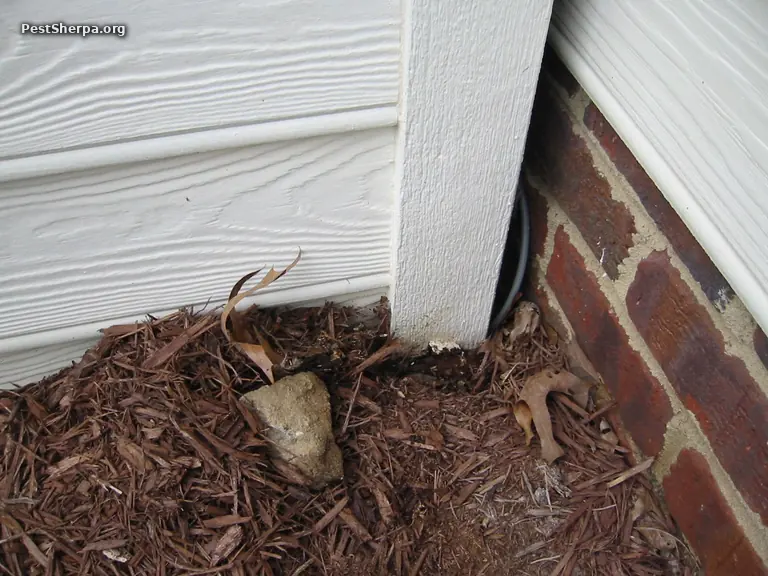
Before the first hard freeze, mice and insects are looking for a warm place to spend the winter. Take ten minutes and walk around the outside of the house looking for openings that will allow pests to enter. Look around doors and windows, where pipes, wires, and cables enter, along the foundation, and at crawlspace and attic vents. Mice can fit through a hole the width of a pencil, about 1/4 inch.

Check the garage door seal
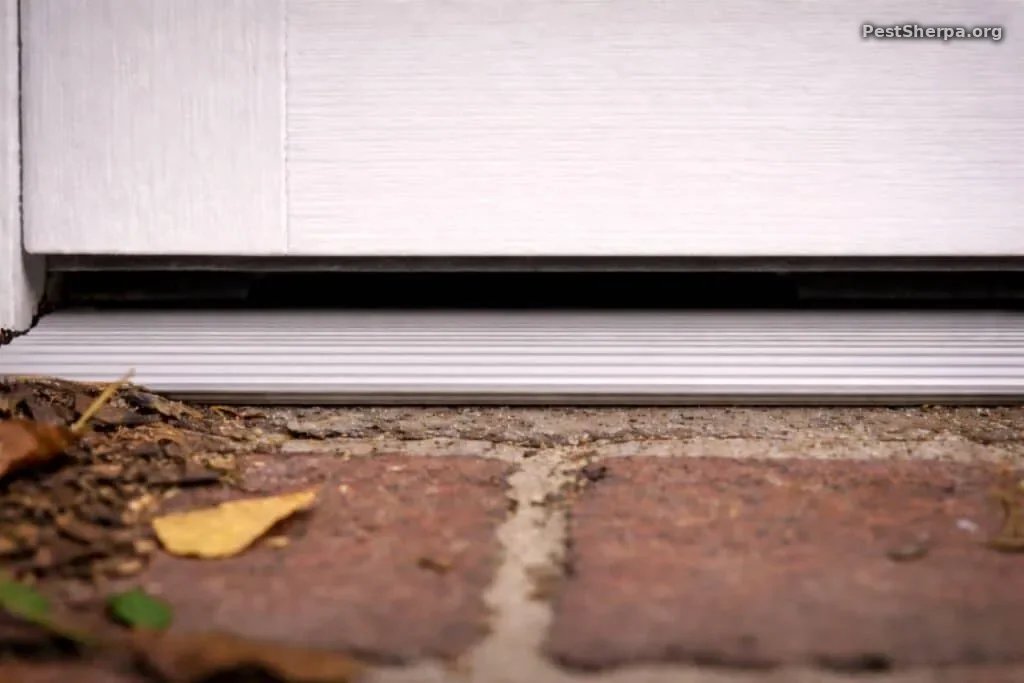
Check the rubber seal on the bottom of the garage door. If it is torn, flattened, or you can see light under it, replace it. Keep the garage door closed when you are not using it, because a door left open for hours is an easy path in.
Repair or replace door sweeps
The best thing you can do to keep pests out is to repair or replace the door sweeps under exterior doors and the garage door. A gap under a door is one of the most common ways mice, insects, and even young rats get in.
Caulk gaps around windows
If there are gaps around window frames, caulk them. Caulk is inexpensive, and it closes the cracks that overwintering insects such as lady beetles and boxelder bugs look for in the fall.
Fill larger holes with copper mesh
Fill any larger holes with copper mesh. Steel wool works for a time, but it does rust out. Copper mesh does not rust, so it has a longer life. In either case, caulk over the mesh so rodents cannot push it aside.
Put pet food and seed in lidded containers
Make sure all dry pet food stored in the garage or basement is in a container with a lid, such as a plastic trash can. Do the same for grass seed, a favorite food of mice, and for bird food. Mice will easily find those foods in an open bag.
Know where mice settle once it gets cold
Basements and crawlspaces can provide a warm and safe haven for mice. Pantries are another favorite: they hold food, people do not go in them often, and a mouse can slip out at night through the gap under the pantry door to drink from a pet’s water dish. For that room, see how to keep mice out of the pantry.
The bonus: a warmer house
Door sweeps, caulk, and sealed holes not only keep pests out, they also make the house cozier with fewer drafts.
Summary checklist
- Walk around the house for ten minutes looking for openings.
- Replace a worn garage door bottom seal and keep the garage door closed.
- Repair or replace door sweeps on exterior doors.
- Caulk gaps around windows.
- Fill larger holes with copper mesh and caulk over it.
- Store dry pet food, grass seed, and bird food in lidded containers.
- Check the basement, crawlspace, and pantry for signs of mice.
For identification, habits, and a full control plan for the pest most likely to move in this time of year, see my house mouse guide.
Related guides
- Rodent Guide
- Overwintering Invaders Guide
- What are the first signs of mice, and how do I keep them out?
- Are Asian lady beetles and boxelder bugs dangerous, and how do I keep them out?
- Now that the weather is warmer, will mice leave my basement?
- More Ask the Sherpa Q&A
References
- CDC: How to Seal Up to Prevent Rodents
- National Park Service: Rodent Exclusion Manual (2019)
- UC IPM Pest Notes: House Mouse
This article was written by Greg Baumann, founder of Pest Sherpa, and reflects more than 40 years of professional pest management experience.
About the Author

Greg Baumann | Pest Control Expert
Greg Baumann is the founder of Pest Sherpa and a Pest Control Expert with more than 40 years of professional pest management experience. His articles combine decades of field experience, technical expertise, and science-based guidance to help homeowners identify pests correctly, understand real-world risks, and make informed pest management decisions.
Mission: Identify the pest. Understand the risk. Stop the problem. Prevent the comeback. Know when it’s time to call a professional.