
Termite Inspection: What It Includes, Reports, and What It Is Not
A termite inspection is neither a cure nor a treatment. It is a structured examination of the parts of a building that an inspector can reach, intended to find wood-destroying insects, evidence of their activity, and the moisture and construction conditions that favor them. Done well, it protects buyers from surprises and gives homeowners a baseline. Done poorly, or misunderstood, it creates false confidence. This guide explains what a proper inspection includes, how a real estate WDI report differs from a routine service visit, what belongs in a report as opposed to a sales presentation, and where a homeowner’s own checks stop being sufficient.
Key Points
A termite inspection is a structured examination of the readily accessible parts of a building for termites and other wood-destroying insects, evidence of their activity, and conducive conditions such as moisture and contact between wood and soil. The information it provides is dated to that visit and only reports what is observed on that day. It is not a treatment, not a structural engineering opinion, and not a guarantee that nothing is hidden behind finished walls or that the structure will not be infested in the future.
Real estate inspections are often documented on an NPMA-33 or an equivalent state wood-destroying insect (WDI) or wood-destroying organism (WDO) report depending on state requirements for lending and closing. Routine service inspections associated with bait stations, liquid barriers, or annual renewals look for activity and evaluate how well the treatment is performing. The two are related tasks with different reporting and different expectations.
Read the limitations stated on the report. Correct moisture problems and wood-to-soil contact even when the report shows no evidence of infestation. Hire licensed termite professionals when evidence appears, and do not mistake a general home inspection for a dedicated WDI inspection. In fact, some states specifically prohibit inspections by any inspector not licensed to provide pest control inspections and/or services.
In This Guide
- Two Inspections People Mix Up
- What a Real Inspection Includes
- Reading the Report
- DIY Checks and Limits
- After Evidence Is Found
- Hiring the Right Inspector
- Frequently Asked Questions
- References
Two inspections people mix up
Real estate (WDI or WDO) inspection. This inspection is ordered for a sale or refinance. In many states the inspector completes an NPMA-33 Wood Destroying Insect Inspection Report, or a state-mandated form that serves the same purpose. NPMA’s own guidelines emphasize accessible areas, visible evidence, and clear statements of limitations. The report is a snapshot, not a promise that the house will remain free of termites. [NPMA] [HUD / NPMA-33] [NC Department of Agriculture]
Routine termite inspection. This inspection is performed under a preventive liquid, bait, wood, or monitoring agreement, or as a standalone annual check. It focuses on current activity, hits in bait stations, breakthroughs, and whether conducive conditions have returned. Mississippi State Extension and other university sources treat regular inspection as a normal part of living in termite country. [Mississippi State University Extension]
What a real inspection includes
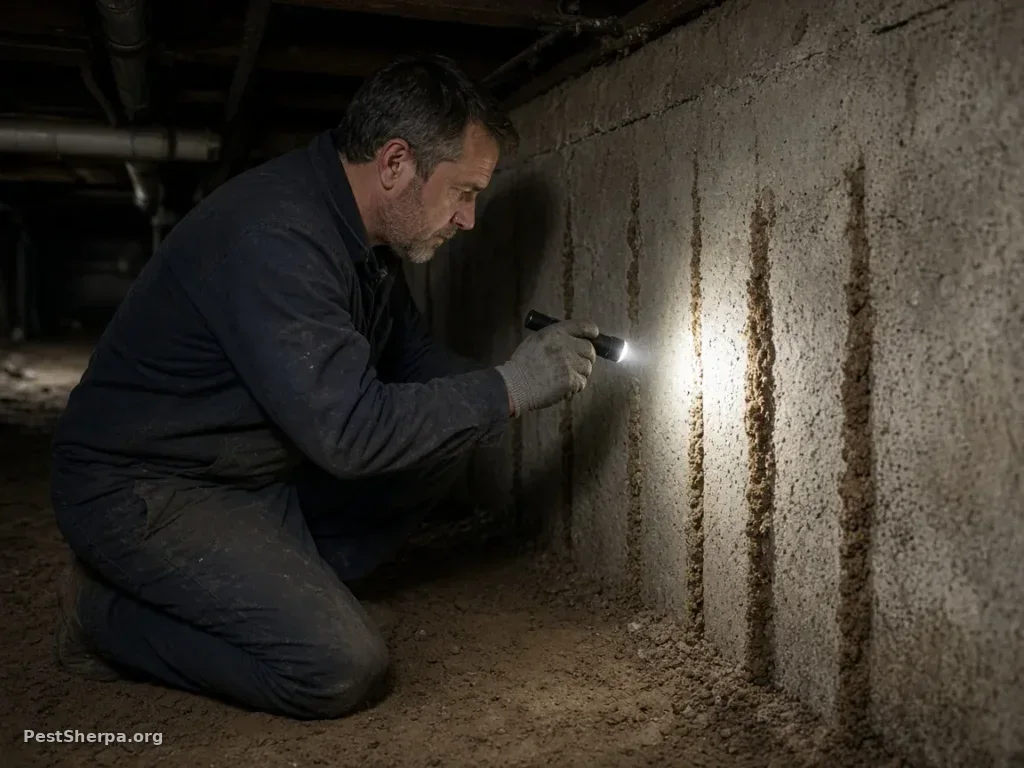
Expect a systematic examination of the accessible areas:
- Exterior: the foundation perimeter, gaps between siding and soil, attached slabs, porches, garage slabs, points where fences or wooden structures make contact, and window and door frames at grade.
- Interior: baseboards and sill plates where visible, plumbing penetrations, signs of swarmers or shed wings, and hollow-sounding wood that the inspector can reach. Furniture, carpets, personal items, appliances and wall coverings are not removed for inspection and these inaccessible areas should be listed on the report.
- Crawlspace or basement: piers, joists, moisture, cellulose debris, plumbing leaks, and inadequate clearance. Access is not always obvious; I once inspected a farmhouse about a century old whose crawlspace was entered through a hatch in the floor of a bedroom closet.
- Attic, when accessible and safe: particularly relevant in regions with drywood termites and for evidence of moisture. Keep in mind that subterranean termites and other wood-destroying insects besides drywood termites can often be found in attics under the right conditions.
- Outbuildings, which are sometimes included if the agreement says so; do not assume they are. The report should be clear as to what buildings were inspected. “All” is not specific enough to inform the owner.
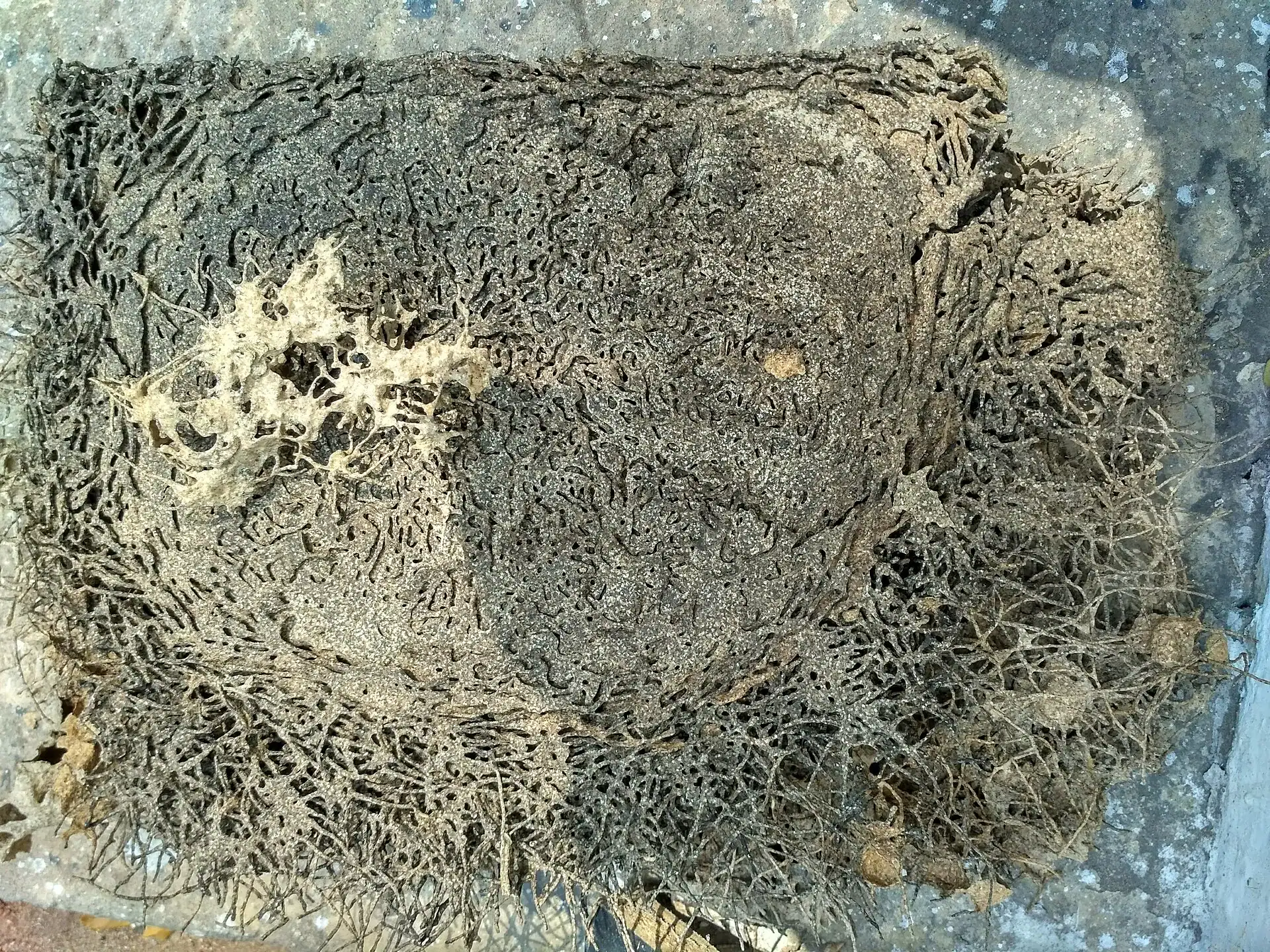
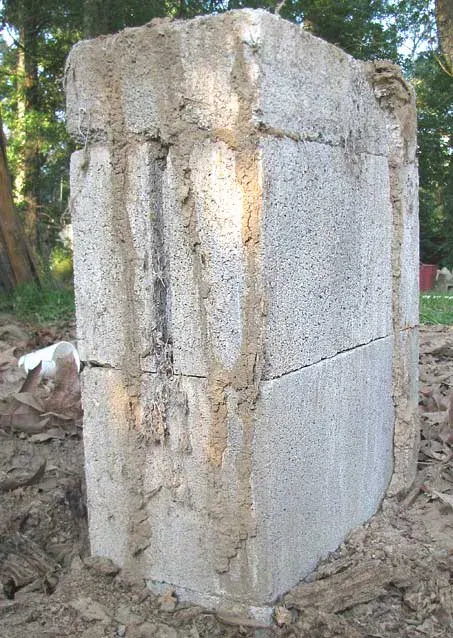
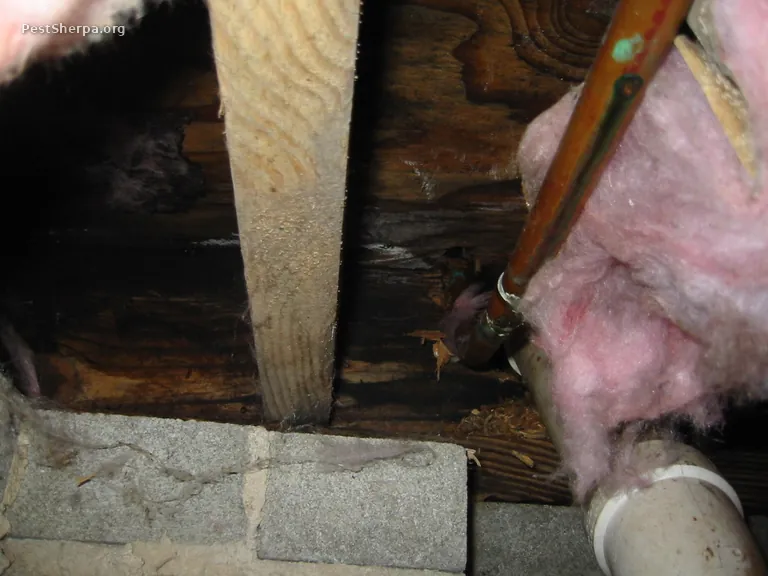
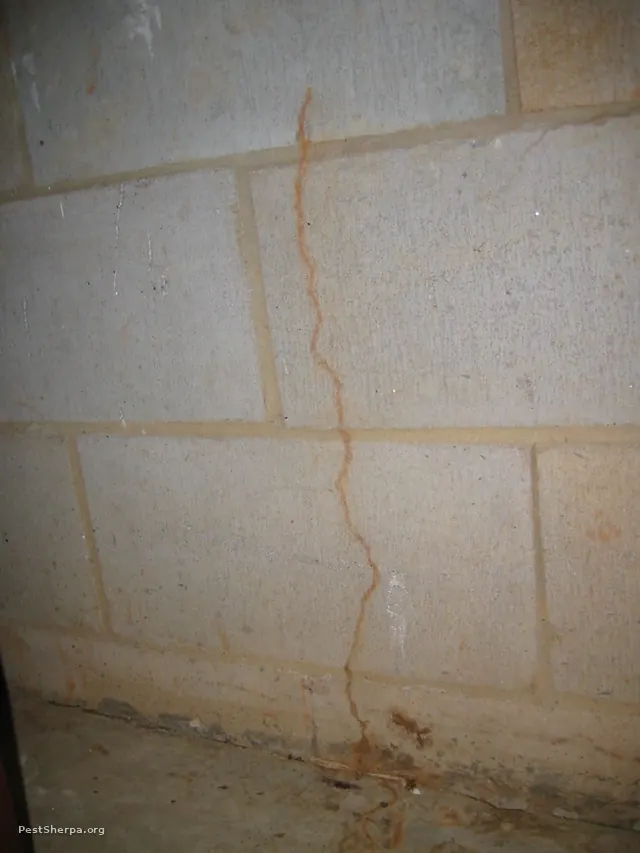
Inspectors look for live insects, discarded swarmer wings, mud tubes, frass in the case of drywood termites, stained or hollow wood, and shelter tubes running over foundations, and evidence of other wood-destroying insects. They also record conducive conditions depending on state requirements: wood in contact with soil, leaking downspouts, dense mulch against siding, poor ventilation in the crawlspace, foam board below grade, and cardboard or firewood stored against the house. [UC IPM] [NPMA]
| Finding | What it may mean | Next read |
|---|---|---|
| Mud tubes on foundation | Subterranean termite activity highway | Signs of termites |
| Wings on windowsills | Possible recent swarm indoors or at lights | Eastern subterranean / local species pages |
| Pellets (frass) from holes | Often drywood termites in the right region | Drywood termites |
| Heavy moisture / wood-soil contact | Conducive conditions even without live bugs | Fix the condition; re-inspect |
| Formosan clues in range | Higher urgency colonies | Formosan subterranean termites |
Greg’s tip: Ask the inspector to show you the findings on site rather than simply emailing a form afterward. Standing beside the mud tube teaches more than any checkbox. If you prefer not to go to the crawlspace, for example, ask for images to discuss while the inspector is onsite.
Reading the report, and understanding what it is not
On a form in the style of the NPMA-33, separate boxes distinguish visible evidence of active infestation, evidence of previous infestation, and conducive conditions. Read the comments and the page of limitations. North Carolina’s guide for homeowners is candid: these reports have limits, some areas are inaccessible, and a report is not a certificate of structural integrity. [NC Department of Agriculture] [HUD / NPMA-33 form]
- No visible evidence means that none was seen in readily accessible areas on that day, not that the house is free of termites permanently.
- Visible evidence should prompt questions: Is the activity current or old? Which insect is responsible? Is the treatment proposal a separate contract?
- Treatment recommendations may appear as a separate quote, and you can obtain a second or even third opinion. An inspection provides information; a treatment is a different purchase that should be carefully weighed. It is best to carefully weigh options and select the company and treatment you are most comfortable with.
- Obstructions such as stored items, finished walls, locked rooms, or standing water in a crawlspace reduce what could be inspected, and the report should note them.
Not a treatment, and not a warranty covering hidden areas
- Inspections in the style of the NPMA-33 are visual examinations of readily accessible areas.
- Inspectors are not expected to remove moldings, flooring, siding, insulation, or personal property.
- A crawlspace may be designated inaccessible when there is less than about 24 inches of clearance beneath the joists or when the openings are too small.
- A clean report at closing is not the same as a preventive termite plan or a structural engineering opinion.
Read the second page and the stated conditions of the report before you either relax or become alarmed.
A WDI report showing no evidence of WDI/WDO at closing is not the same as a preventive termite plan, and after reading the limitations, many buyers in areas of high termite pressure still choose bait or liquid protection. For context on costs and repairs once evidence appears, see termite damage costs and repairing termite damage.
DIY checks and their limits
Homeowners should learn the basic signs of termites: mud tubes, wings, frass, and soft wood. Walk the foundation after rain, and look under porches and at the sill plates in the crawlspace where you can do so safely. That awareness catches problems early.
A homeowner’s own checks still cannot satisfy most lenders, cannot see inside finished walls, and cannot replace a licensed inspector where state law specifies who may issue WDI/WDO reports.
What not to do
- Do not open finished walls on a suspicion before you understand the report.
- Do not apply store-bought baits at random and then request a “clean” WDI report without disclosing that history.
- Do not assume that a quick glance in a crawlspace is equivalent to an NPMA-33 inspection.
- Do not ignore moisture simply because no tubes were visible on the day of inspection.
- Do not treat a general home inspection as a dedicated wood-destroying insect inspection. It is not.
After evidence is found
Separate three decisions: identifying the insect, eliminating the colony through treatment, and repairing the damage. Costs and methods differ for subterranean and drywood problems, and an inspection report by itself treats nothing.
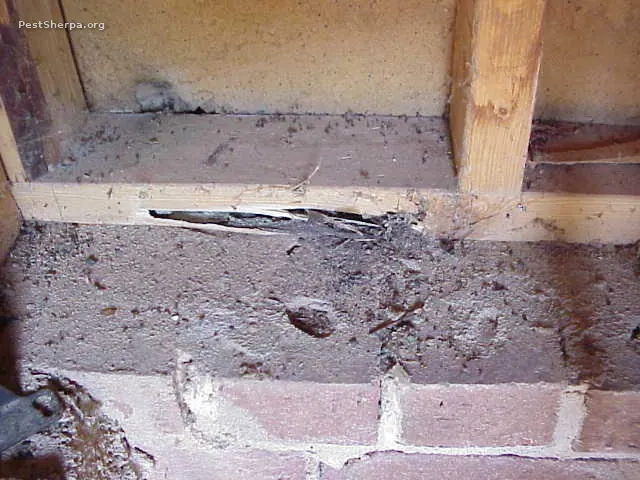
- Confirm the pest. Evidence of subterranean termites, such as tubes and damaged sill plates, and evidence of drywood termites, such as frass and kick-out holes, call for different tools. Begin with the termites hub, signs of termites, and the species pages for eastern subterranean, Formosan, and drywood termites. For other insects, use our search to read about those pests.
- Obtain a written treatment proposal from a licensed termite company, and compare the scope, the active ingredients or bait systems, the warranties, and the terms for retreatment. See how to hire a licensed termite company.
- Plan repairs separately. Pest control does not automatically include carpentry. Budget with the guides on damage costs and repair guidance. Fumigation for drywood termites involves its own logistics, described on the structural fumigation page.
Correct conducive conditions even while you compare treatments: wood in contact with soil, grading that directs water toward the house, clogged gutters discharging next to siding, and mulch piled against sheathing. UC IPM’s notes on subterranean termites are practical reading alongside any report, clean or not. [UC IPM: Subterranean and Other Termites]
Hiring the right inspector
- Confirm that the inspector holds a state license for wood-destroying organism work where one is required.
- Ask whether the visit will produce a WDI form, a company graph, or both.
- Ask which areas will be inaccessible and how that will be documented.
- Prefer inspectors who explain conducive conditions without resorting to pressure tactics.
- Use how to hire a licensed termite company and the broader checklist for hiring a licensed pest control company.
- For general context on termite control, see termite control.
If you have questions about the wording of a report, send the relevant, non-private sections and your region to Ask the Sherpa.
Real estate timing tips
Order the WDI inspection early enough to act on the findings before closing deadlines. If the report shows evidence, buyers commonly renegotiate for treatment, repair, or both. Sellers who correct conducive conditions before listing, by pulling soil and mulch away from siding, repairing gutters, and clearing debris from the crawlspace, reduce unpleasant surprises without concealing history. Never conceal records of prior treatment, since lenders and honest inspectors expect disclosure. [NC Department of Agriculture]
After closing, keep the graph or report, because future inspectors and treatment companies rely on that history. Combine it with the habit of seasonal checks for signs of termites so that small tubes are not left undiscovered for years.
Accessible versus concealed: why reports sound careful
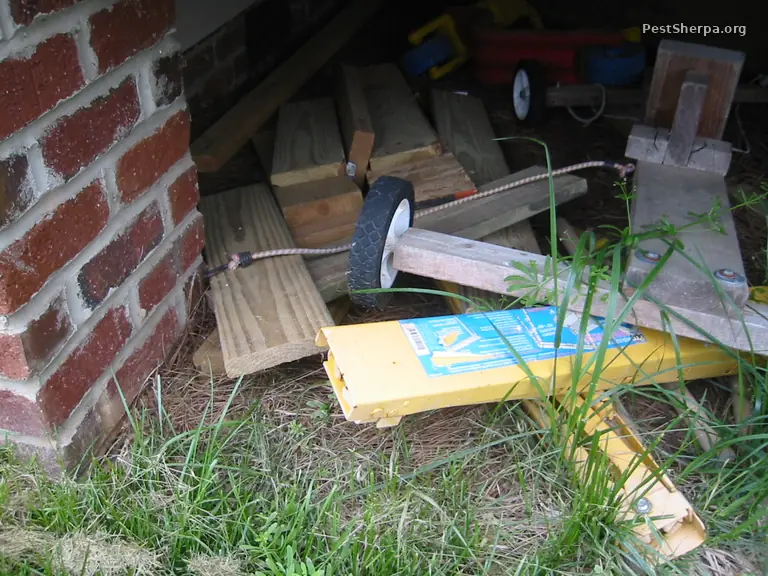
Inspectors repeat the word accessible because finished walls, locked rooms, blankets of insulation, stored boxes, and flooded crawlspaces conceal evidence. NPMA guidance and state consumer information sheets build these limits into the form so that no one mistakes a checkbox for an X-ray. If a seller fills the crawlspace with storage totes, the report should say so. [NPMA] [NC Department of Agriculture]
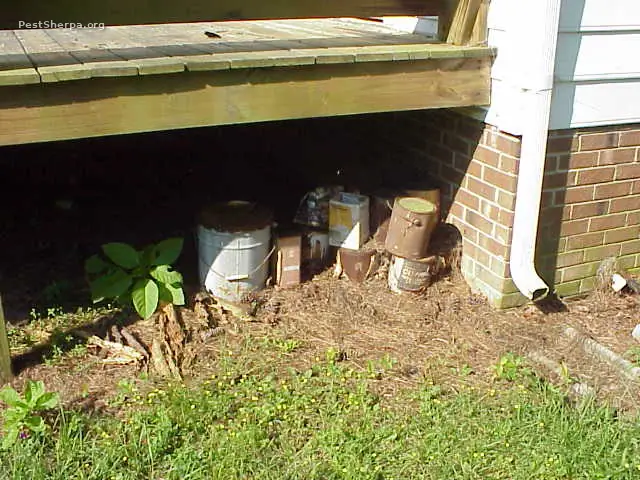
Additional tools, such as moisture meters, borescopes, and occasionally detection dogs or infrared imaging as supplements, can add information, but they cannot see through solid construction. Ask which tools are included and what still cannot be seen.
Conducive conditions worth fixing even on a clean report
A clean finding for insects combined with poor conducive conditions is a caution, not a clean bill of health. Pull soil and mulch below the siding line, correct gutter discharges that soak the same corner all winter, and remove wooden grade stakes left against slabs. Give crawlspaces vapor barriers and ventilation, or encapsulation completed to a professional standard. UC IPM’s termite pages connect moisture management to long-term termite pressure. [UC IPM]
For the costs of waiting too long, see termite damage costs and repairing termite damage. An inspection is inexpensive compared with replacing joists.
Subterranean versus drywood inspection emphasis
In areas with subterranean termites, expect careful examination of the foundation and crawlspace, a search for tubes, and notes on soil contact. In areas with drywood termites, pellets in the attic, kick-out holes, and trails of frass matter more, and treatment discussions may turn to spot treatments or fumigation. Begin with the appropriate species pages, eastern subterranean, Formosan, and drywood, and then consult structural fumigation if a proposal for tenting appears.
Keep the termites hub at hand when comparing bids, so that sales language is tested against the biology.
Questions to ask before you pay
- Is this a WDI report in the style of the NPMA-33, a company graph, or both?
- Which areas will you not open or enter, and will that be documented in writing?
- If you find evidence, is the treatment bid separate from the inspection fee?
- Do you both treat and inspect, or inspect only? Either arrangement can be appropriate, provided it is disclosed.
- How will you document the conducive conditions that I can correct myself? If a state doesn’t require reporting conditions conducive, ask about what the inspector observed.
- Are you licensed for wood-destroying organism work in this state? (See also hiring a termite company.)
Bring any records of prior treatment you have, since inspectors work better with history. Then continue learning the biology on the termites hub, so that sales charts cannot get ahead of the insects. Remember, some companies use inspections as a sales opportunity. There is nothing wrong with that, but make sure that the inspection is to your satisfaction. The inspector is getting paid, so make sure that you are comfortable with the inspection quality.
Mississippi State Extension’s reminder still holds: in termite country, inspection is ongoing maintenance, not a one-time ritual at closing. [Mississippi State University Extension]
Common questions about termite inspections
What is a termite inspection?
A trained inspector visually examines the accessible areas of a structure for wood-destroying insects, evidence of their activity, and conditions that favor them. The result may be a real estate Wood Destroying Insect (WDI) report or a routine inspection under a termite service agreement.
Is a home inspection the same as a termite inspection?
No. A general home inspector may note obvious problems, but in many states a WDI or termite inspection is a separate, credentialed service with its own report form and limitations.
What is NPMA-33?
The NPMA-33 is the Wood Destroying Insect Inspection Report form widely used for real estate transactions in many U.S. markets. It documents visible evidence in accessible areas and is not a warranty that the property is free of insects.
Does an inspection include treatment?
Not automatically. An inspection identifies and reports, while a treatment proposal is a separate recommendation and contract. Do not mistake a clean report for a preventive treatment you may still want.
Can I inspect for termites myself?
You can learn the signs and make a careful walk around the house, but your own checks will miss concealed areas and lack the reporting standards that lenders require. Use that knowledge to decide when to call a professional.
How often should I get a termite inspection?
In termite country, an annual professional inspection is sensible, particularly if you are not enrolled in a monitoring or bait program. After any moisture event or any remodeling that opens walls, ask for another inspection.
What are conducive conditions?
Moisture problems, contact between wood and soil, dense foliage against siding, leaking gutters, poor ventilation, and cellulose stored in crawlspaces. These conditions do not prove that termites are present, but they invite them.
If the report says no evidence, am I safe forever?
No. It means there was no visible evidence in accessible areas on that date. Termites may still be present behind finishes, or they may arrive later.
References
- NPMA: Suggested Guidelines for Completing the Wood Destroying Insect Inspection Report (NPMA-33)
- HUD / NPMA-33: Wood Destroying Insect Inspection Report form
- NC Department of Agriculture: Homeowners Guide to Wood Destroying Insect Report
- Mississippi State University Extension: Common Questions about Termites and Termite Control
- UC IPM: Subterranean and Other Termites
This article was written by Greg Baumann, founder of Pest Sherpa, and reflects more than 40 years of professional pest management experience.
About the Author

Greg Baumann | Pest Control Expert
Greg Baumann is the founder of Pest Sherpa and a Pest Control Expert with more than 40 years of professional pest management experience. His articles combine decades of field experience, technical expertise, and science-based guidance to help homeowners identify pests correctly, understand real-world risks, and make informed pest management decisions.
Mission: Identify the pest. Understand the risk. Stop the problem. Prevent the comeback. Know when it’s time to call a professional.