
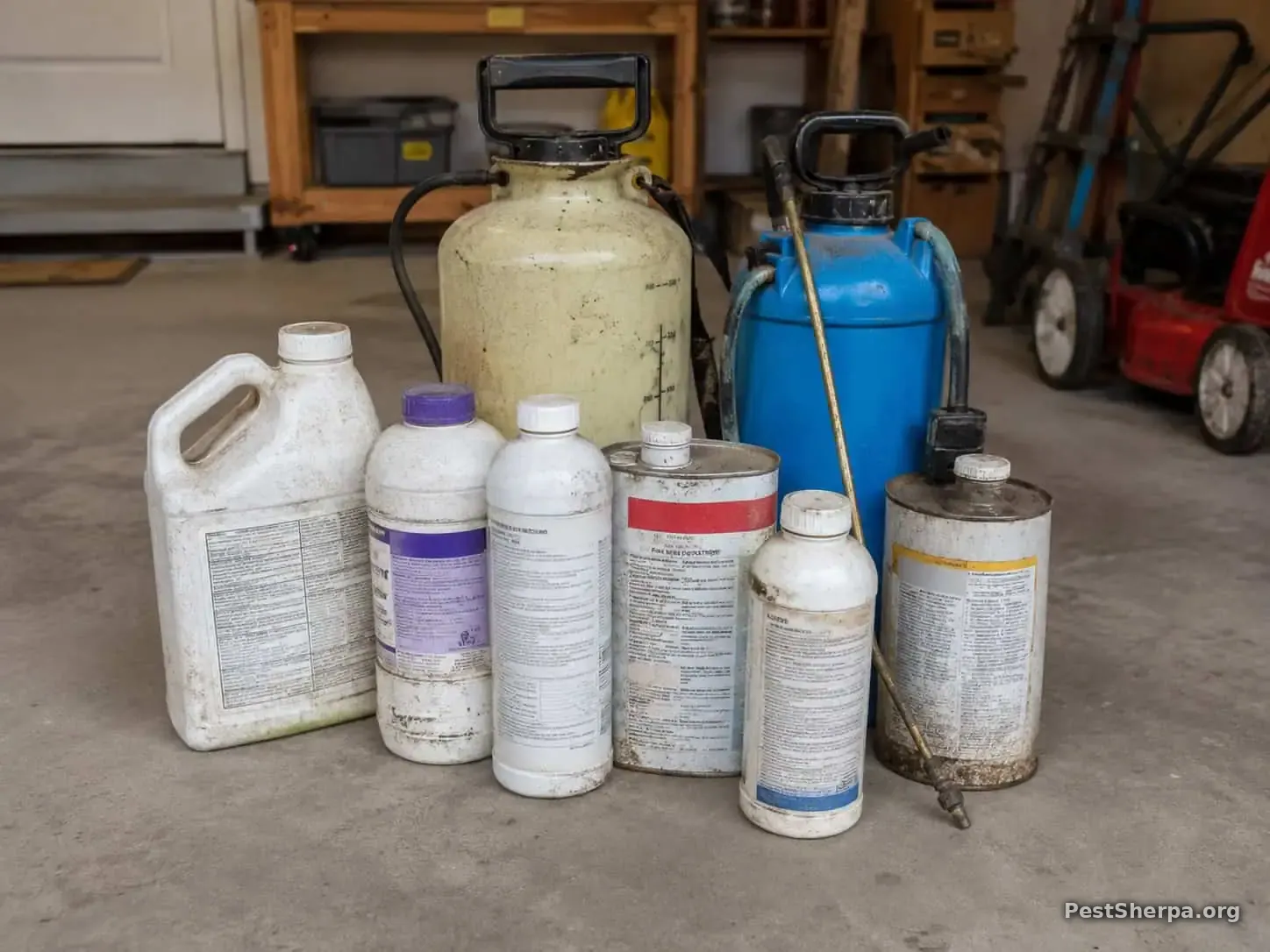
I am very confused about pesticides. The labels are confusing and I don’t understand which chemical to use. Can you help?
Short answer: Start with the pest name, then read the entire pesticide label before you buy or mix anything. The label is the law. If the pest or site is not listed, do not use that product. When the label feels like another language, slow down and use NPIC or extension resources, or hire a licensed applicator for the job.
How I teach homeowners to read a label
Labels look crowded because they carry legally required directions: target pests, use sites (indoors, lawn, crack-and-crevice), rates, personal protective equipment, bee and water protections, and first aid. Marketing on the front of the bottle is not a substitute for the Directions for Use section.
- Identify the pest as well as you can (photo to extension or a guide) before shopping.
- Confirm the product lists that pest and your site (kitchen baseboard is not the same as ornamental shrubs).
- Note signal words (Caution, Warning, Danger) and required gear.
- Check re-entry or drying times before kids and pets return.
- Mix only as directed. More product is not better and can be illegal and hazardous.
- Store in original containers, locked away from children.
Common mix-ups I see
People grab a yard concentrate for indoor roaches, or a fogger for German cockroaches hiding in appliance voids. Foggers often fail against hidden pests and can push insects deeper. Ant baits and contact sprays are different tools. Termiticide soil products are not general household sprays. When unsure, stop. NPIC and university extension fact sheets exist for this exact confusion.
When to hand the job to a licensed pro
Structural termites, bed bugs, wildlife in walls, and heavy German cockroach infestations usually need training, specialty products, and follow-up. Hiring is about matching license and scope to the pest, not buying the strongest-looking jug. Our Labels and Law desk and hiring guides explain the framework without a sales pitch.
Keep the label with the bottle
People pour concentrates into unmarked spray bottles and lose the directions. That is how over-application and wrong-site use happen. If the label is destroyed, stop using the product and dispose of it through local hazardous-waste guidance. NPIC can help decode a product name if you still have the EPA registration number.
Related guides
References
- EPA: Pesticide Labels
- NPIC: How to Read a Pesticide Label
- National Pesticide Information Center
- EPA: Safe Pest Control
This article was written by Greg Baumann, founder of Pest Sherpa, and reflects more than 40 years of professional pest management experience.
About the Author

Greg Baumann | Pest Control Expert
Greg Baumann is the founder of Pest Sherpa and a Pest Control Expert with more than 40 years of professional pest management experience. His articles combine decades of field experience, technical expertise, and science-based guidance to help homeowners identify pests correctly, understand real-world risks, and make informed pest management decisions.
Mission: Identify the pest. Understand the risk. Stop the problem. Prevent the comeback. Know when it’s time to call a professional.