
Ant Guide: Identification, Risk, and What to Do
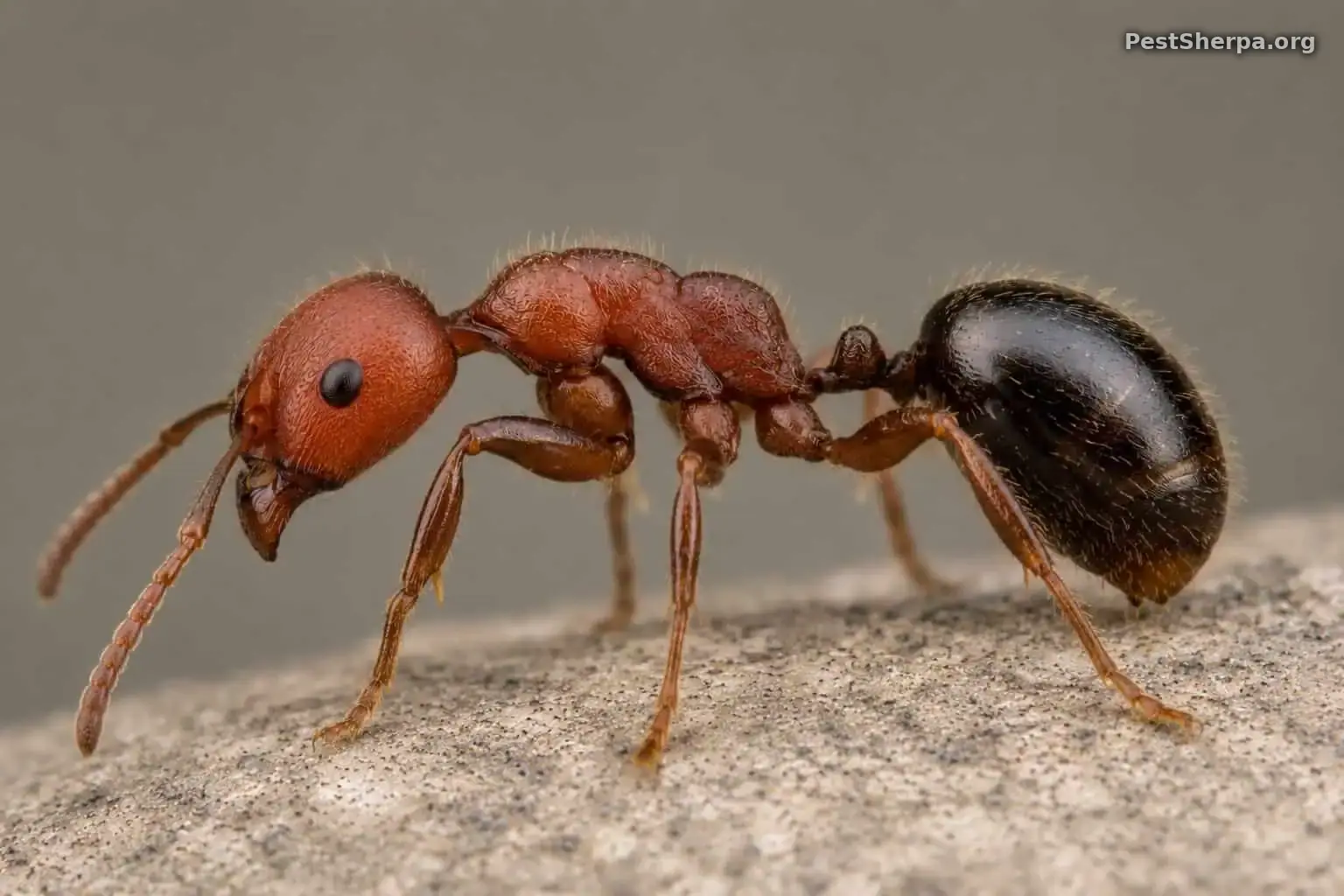
TL;DR: ID first, then bait type, then stop spray-and-pray
- ID first: Smell, size, nest site, and trail behavior beat color alone. Wrong ID wastes bait choice. Morphological characteristics such as nodes, antennae, and shape help confirm type of ant.
- Bait type next: Many kitchen trail ants take sugar baits; some foragers prefer protein or grease. Carpenter, fire, and pharaoh ants need different paths than a countertop trail.
- When sprays fail: Contact sprays often kill only the foragers you see. The colony keeps sending more. Follow trails, use the right bait, and seal entry points. [UC IPM]
Types of Ants in Your House: ID Pictures
Match what you are seeing to a photo, then tap the card for the full guide. Size, color, and smell beat guesswork.
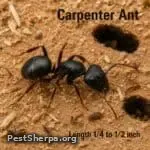
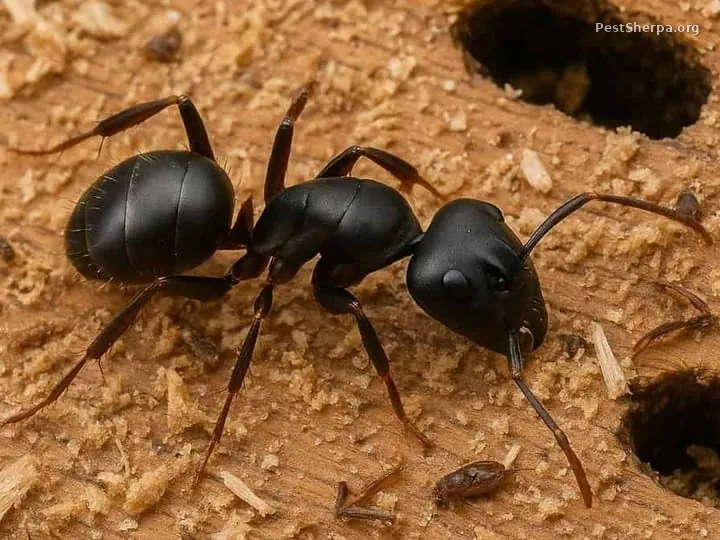 Carpenter antBig (1/4 to 1/2 inch), black or red and black, smooth rounded back. Sawdust-like frass near damp wood.
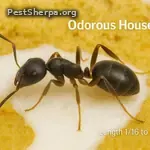
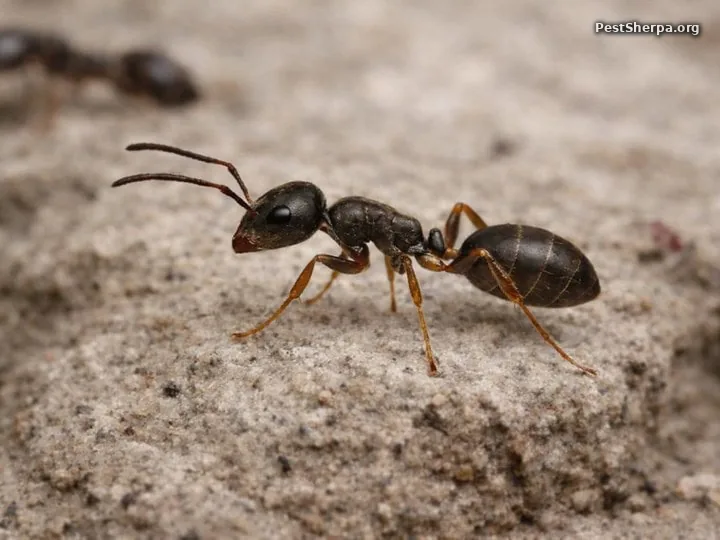 Odorous house antTiny (1/16 to 1/8 inch), dark brown. Crush one: it smells like rotten coconut or blue cheese.
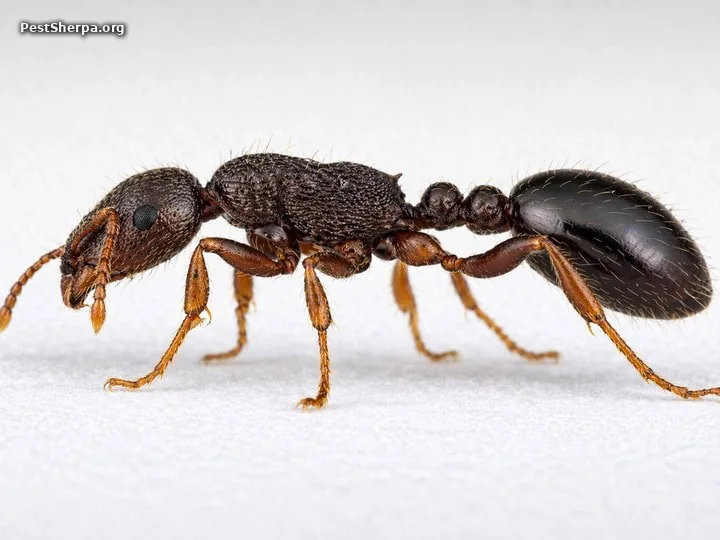 Pavement antAbout 1/8 inch, dark brown, fine grooves on head and back. Sand piles at slab and sidewalk cracks.
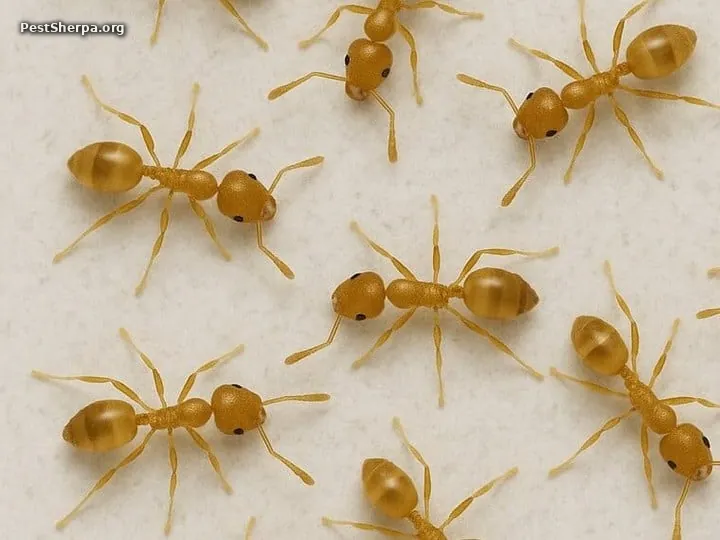 Pharaoh antVery tiny (1/16 inch), pale yellow. Trails near warm spots and outlets. Do not spray them.
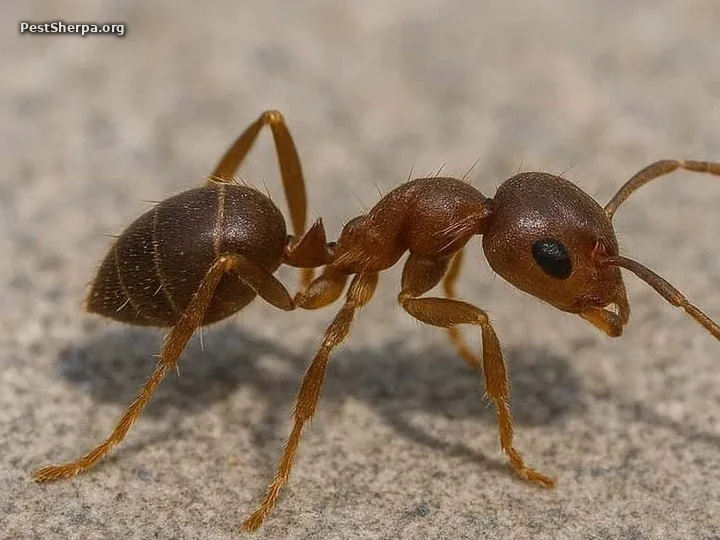 Argentine antAbout 1/8 inch, plain light to dark brown, no strong smell. Thick trails by the thousands.
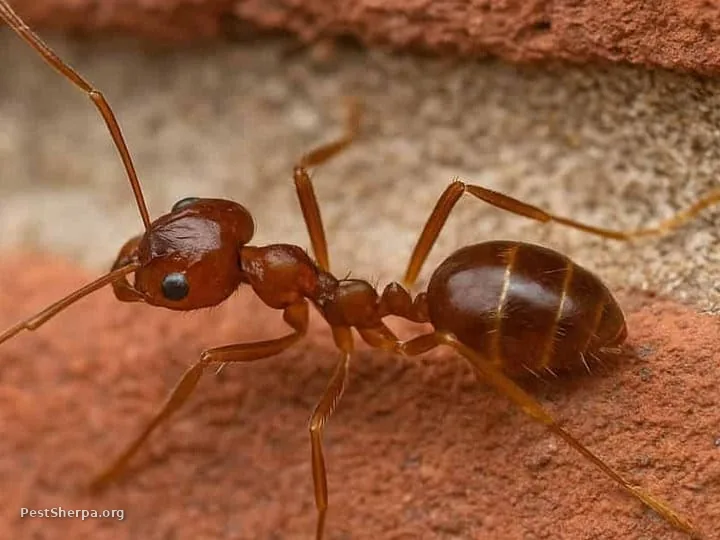 Tawny crazy antAbout 1/8 inch, reddish brown and hairy. Runs fast and erratic, shows up in huge numbers.
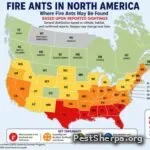
Yard mounds or stings instead? See fire ants and red imported fire ants.
By what you are seeing
Jump to the nested guide that matches the symptom. Then come back for bait and prevention on this hub.
- Kitchen trails: odorous house, pavement, pharaoh, Argentine
- Wood frass / moist wood: carpenter, acrobat, velvety tree
- Yard mounds: fire ants, red imported fire, Allegheny mound, harvester
- Sting / aggressive: fire, red imported fire, Asian needle, harvester
- Chaotic invasive trails: tawny / raspberry crazy, Argentine
Getting rid of them: the short version
Identify the ant first, because the wrong bait is wasted money.
- Kitchen trails: bait, do not spray. Sprays kill the foragers you see while the colony keeps producing more. Follow trails to the entry point and seal it. [UC IPM]
- Carpenter ants: the real job is finding the nest and the moisture problem feeding it. Frass and damp wood point the way. Most homes are better served by a pro. Carpenter ant guide
- Yard mounds and stinging ants: Identify the species before treatment. Individual mound treatments may be appropriate for isolated colonies, while broadcast bait applications can help manage widespread imported fire ant infestations. Avoid disturbing active mounds because workers may respond aggressively and sting. Fire ants | harvester ants
- Pharaoh ants: avoid repellent sprays, which can contribute to colony budding and spread the infestation. A coordinated baiting program is generally the preferred treatment. Crazy ants: control depends on the species and the extent of the infestation. Large infestations, particularly those involving tawny crazy ants, may require professional treatment using species-appropriate methods. Pharaoh ants | tawny crazy ants
Odorous house vs pavement (lookalike check): Both show up as small dark indoor ants. Odorous house ants give that coconut/blue-cheese crush odor and trail to sweets indoors. Pavement ants more often nest under sidewalks, driveways, and foundation cracks; close-up, the head and thorax show fine parallel grooves. Wrong ID wastes bait choice. Read both guides before you treat. [UW odorous] [UW pavement]
When to Call a Professional
- Ants keep returning after treatment
- You cannot locate the nest
- Structural damage is suspected
- Aggressive or stinging ants are present
- Large outdoor infestations
High-priority cases:
- Carpenter ants
- Crazy ants
- Harvester ants near living areas
What a pro visit looks like
Ant control depends on the species, so a good visit starts with identification then develop a plan according to the biology of the ant, and ends with a thorough control measure that can include liquid, bait, sealing, or any combination.
The inspection
Expect the technician to identify the ant, follow trails back to entry points and nests, and check moisture problems, landscaping that touches the house, and, for carpenter ants, damp or damaged wood.
Your prep before the visit
- Do not spray trails before the visit; the technician needs to follow them.
- Note where and when you see ants, and save a few in a sealed bag.
- Clean up food and sugary spills, but leave the trails intact.
- Clear access to crawl spaces, attics, and exterior foundation areas.
The treatment
- Baits matched to the species’ food preference, placed along trails.
- Non-repellent exterior treatments where appropriate.
- Direct nest treatment, especially for carpenter ants.
- Sealing and moisture recommendations.
Follow-up
Baits take days to weeks to work through a colony, so expect a check-in or follow-up. Ask what the company will do if ants return.
Questions to ask before you book
- Which ant is this, and how does that change the treatment?
- Will you use baits, sprays, or both, and where?
- Is a follow-up included?
- What should I avoid doing while bait works?
What it costs
Ant control is usually one of the less expensive pest jobs. Angi’s October 2026 data puts ant extermination at $100 to $500, and says it typically costs $500 or less.[8] HomeGuide’s January 2026 price list puts a one-time ant treatment at $200 to $300 on average, with severe infestations reaching $1,200.[9]
Typical national ranges
- Ant extermination: $100 to $500 (Angi, 2026)[8]
- One-time ant treatment, average: $200 to $300 (HomeGuide, 2026)[9]
- Severe infestation: up to $1,200 (HomeGuide, 2026)[9]
- Quarterly general pest plan, per visit: $100 to $300 (HomeGuide, 2026)[9]
These are national figures from consumer cost surveys, not quotes. Prices vary by region, home, and job, so treat them as a starting point for comparing written estimates.
What moves the price
- Ant species: carpenter ants and some invasive ants cost more.
- Number and location of nests.
- Home size and how many entry points.
- One-time treatment versus a recurring plan.
One-time job or ongoing plan
A one-time treatment may be sufficient for an isolated infestation when the colony can be eliminated and contributing conditions corrected. Recurring monitoring or treatment may be appropriate where seasonal reinfestations, persistent outdoor populations, or complex nesting behaviors create continuing problems.
Red flags in a quote
- Spraying without identifying the ant.
- No bait in the plan for sweet- or grease-feeding ants.
- Long contracts for a one-colony problem.
Our checklist for hiring a licensed pest control company applies.
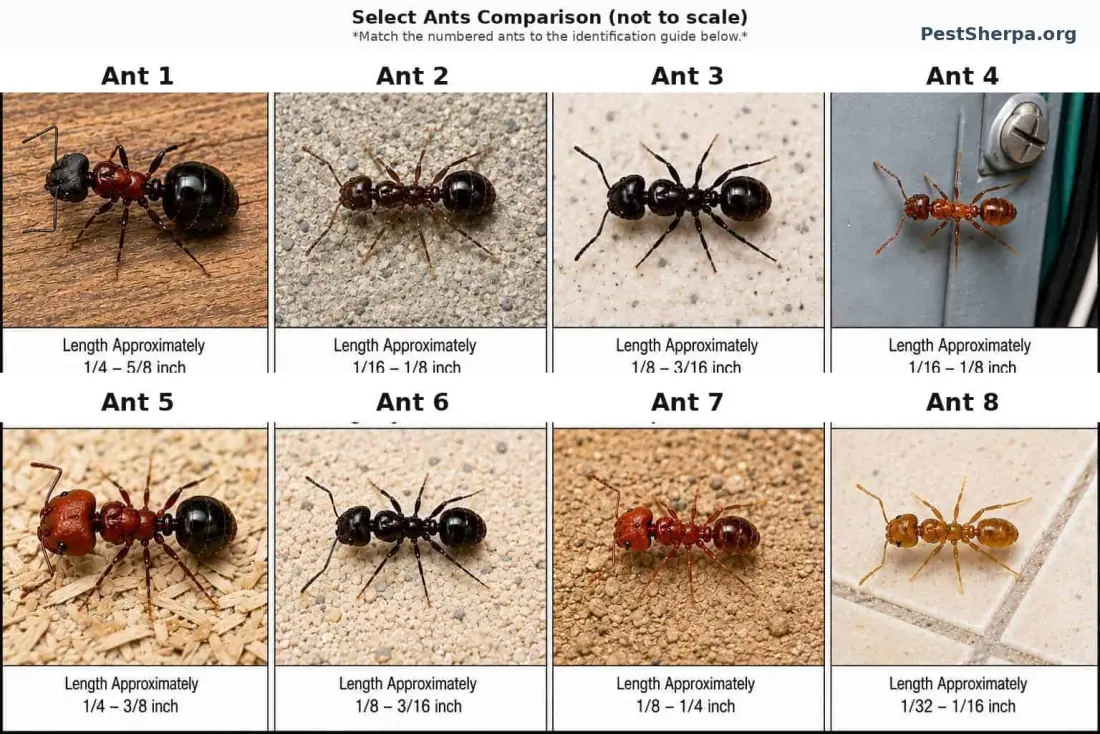
Compare Common Ant Species Before You Act
Match the numbered ants on the chart to the guides below. Size notes on the chart are approximate and not to scale.
- Ant 1: Carpenter ant
- Ant 2: Pavement ant
- Ant 3: Odorous house ant
- Ant 4: Crazy ant (tawny / raspberry crazy)
- Ant 5: Harvester ant
- Ant 6: Allegheny mound ant
- Ant 7: Red imported fire ant
- Ant 8: Pharaoh ant
Use a hand lens when you can: ants are small. Match cues below, then open the nested guide. Professional pest control companies will identify ants if you are unsure.
Odorous House Ant vs Pavement Ant vs Carpenter Ant
Three looks that get confused in kitchens and along foundations. Smell and nest site usually beat color alone.
| Cue | Odorous house | Pavement | Carpenter |
|---|---|---|---|
| Look / size | Small, dark brown to black (~1/8 in) | Small, light to dark brown; fine parallel grooves on head/thorax | Large (often much bigger than kitchen ants); commonly black |
| Crush-test smell | Rotten coconut or blue cheese | No coconut/blue-cheese cue | Not the kitchen crush-test ant |
| Where you find them | Kitchen trails to sweets; indoor foraging | Sidewalks, driveways, foundation cracks; may enter from outdoors | Moist/damaged wood; frass; structural moisture clues |
| First move | Sugar-based baits; don’t spray over bait trails | Find nest site; bait/treatment matched to species | Find nest + fix moisture; not a sugar-bait kitchen job |
Carpenter Ants
Large, black, wood-associated ants that may indicate structural moisture issues.
Odorous House Ants
Small dark kitchen ants that smell like rotten coconut or blue cheese when crushed. Trail to sweets; sugar baits beat casual sprays. Full guide: odorous house ants. [UW-Madison Extension]
Pavement Ants
Common ants that nest under sidewalks, driveways, and foundation cracks. Close-up, look for fine parallel grooves on the head and thorax, a useful split from odorous house ants when the crush-test smell is missing. [UW-Madison Extension]
Quick lookalike rule: coconut/blue-cheese crush odor → start with odorous house. Sidewalk/foundation nest + grooved thorax → start with pavement. Still unsure? Hand lens + the species guides beat guessing bait.
Crazy Ants
Fast-moving invasive ants known for chaotic movement and difficult control.
Allegheny Mound Ants
Outdoor mound-building ants that can disrupt lawns and landscaped areas.
Harvester Ants
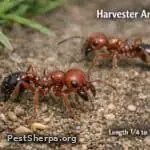
Outdoor ants capable of delivering painful stings near nests and activity zones.
Red Imported Fire Ants
Aggressive ants with painful stings that may require medical attention in sensitive individuals.
Pharaoh Ants
Small indoor ants that spread rapidly by budding into multiple colonies.
Fire Ants
Aggressive mound-nesting ants with painful stings: start here for the group overview, then see red imported fire ant when that species is confirmed.
Acrobat Ants
Heart-shaped abdomen ants that often nest in moist or damaged wood and raise the abdomen when disturbed.
Argentine Ants
Highly invasive trail ants that form large multi-queen networks and can push out other species.
Velvety Tree Ants
Tree- and wood-associated ants that may bite and nest in branches, cavities, or structural wood near vegetation.
Ant Species Guides
Browse every nested ant guide on this hub. ID first: bait and treatment choices change by species.
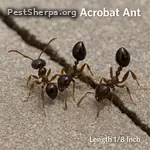
Acrobat Ants: Identification, Nesting, Damage, and Control
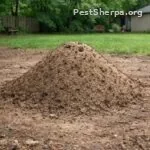
Allegheny Mound Ants (Formica exsectoides): ID and Control
Ant Myths That Make Infestations Worse
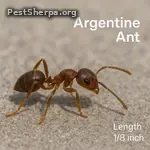
Argentine Ants: Identification, Why They Invade, and Control

Asian Needle Ants
Carpenter Ants: Identification, Biology, and Control
Fire Ants: Identification, Species, Range, and Control
Harvester Ants: Identification, Sting Risk, and Control
Odorous House Ants: ID, Smell, and How to Get Rid of Them
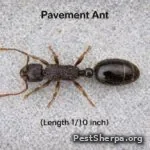
Pavement Ants: Identification, Concern Level, and Control
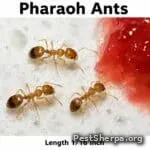
Pharaoh Ants: Identification, Biology, Habits, and Control
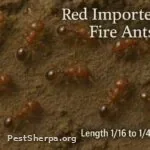
Red Imported Fire Ant (Solenopsis invicta): ID and Control
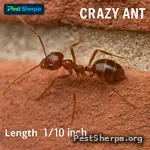
Tawny Crazy Ants: Identification, Risks, and When to Call a Pro
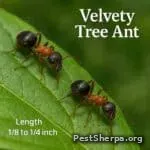
Velvety Tree Ants: Identification, Nesting, Bites, and Control
Also linked from this hub:
- Odorous House Ants
- Pavement Ants
- Carpenter Ants
- Fire Ants
- Red Imported Fire Ants
- Pharaoh Ants
- Acrobat Ants
- Argentine Ants
- Tawny Crazy Ants
- Harvester Ants
- Allegheny Mound Ants
- Velvety Tree Ants
- Asian Needle Ants
Prevention Strategy
Long-term ant control depends on making the structure and surrounding environment less attractive to invading colonies. Recurring infestations frequently happen because food, moisture, and hidden entry points remain available even after treatment.
Exclusion
Prevent ants from entering the structure by reducing access points around the exterior.
- Seal cracks, gaps, and utility penetrations around the foundation
- Repair damaged weather stripping and door sweeps
- Trim vegetation and tree limbs away from the structure
- Maintain exterior barriers around windows, doors, and siding transitions
- Inspect for hidden entry points near plumbing and HVAC lines
Sanitation
Ant colonies follow reliable food and water sources. Reducing attractants lowers invasion pressure dramatically.
- Clean spills and crumbs quickly, especially sugary foods
- Store pantry items in sealed containers
- Empty trash regularly and keep bins clean
- Avoid leaving pet food out overnight
- Reduce grease buildup in kitchens and food preparation areas
Habitat Control
Outdoor environmental conditions often determine whether ants establish colonies near structures.
- Reduce excess moisture around foundations and crawlspaces
- Correct leaking faucets, irrigation lines, and drainage problems
- Remove yard debris, stacked lumber, and decaying wood
- Limit mulch depth directly against the structure
- Monitor outdoor ant mounds before populations expand
Effective prevention combines sanitation, exclusion, and habitat modification together. Treating ants without correcting underlying conditions often results in recurring infestations.
Common Questions
Why do ants come back after spraying?
Sprays usually kill only the foragers on the trail. The nest keeps producing workers, so a quiet countertop can fill again in a day or two. Use bait the colony will carry home, follow trails to entry points, and seal gaps. Longer Q&A: Why do ants come back? [UC IPM]
Coconut or blue-cheese smell: what species?
A crushed worker that smells like rotten coconut or pungent blue cheese usually points to odorous house ants, a common kitchen trail ant that responds better to sugar baits than to spray-and-pray. Pavement ants are a lookalike without that crush odor. [UW-Madison Extension]
Sugar bait vs protein bait?
Match bait to what the foragers are taking. Many kitchen trail ants (including odorous house) prefer sweets, so sugar-based baits fit. When workers ignore sweets and work protein or grease, switch bait type. Wrong bait sits untouched while the trail continues. Do not spray over active bait placements.
Carpenter ants vs termites (frass and galleries)?
Carpenter ants excavate moist or damaged wood and push out frass (sawdust-like debris). They do not eat wood the way termites do. Look for frass piles, moisture-damaged wood, and large workers rather than a sugar-bait kitchen job. Fix the moisture source along with the nest.
Fire ant vs red imported fire ant: does it matter?
Yes for treatment geography and species detail. Start with the fire ants overview for mound-nesting aggressive ants, then use the red imported fire ant guide when you need Solenopsis invicta-specific ID, sting risk, and control. Mound treatment differs from kitchen trail baiting.
When should I call a professional?
Call when ants keep returning after treatment, you cannot find the nest, structural damage is suspected, aggressive or stinging ants are present, or outdoor colonies are large. High-priority cases include carpenter ants, crazy ants, and harvester ants near living areas. See When to Call a Professional on this page.
More detail (photo ID help): Ants in my kitchen are too small to match to pictures online
References
- University of California IPM: Ant Management in Gardens and Landscapes
- Penn State Extension: Got Ants? Eliminate Them with IPM
- eXtension Foundation: How to Get Rid of Pest Ants
- Texas A&M AgriLife Extension: Ants 101
- U.S. EPA: Ants and Schools (Integrated Pest Management)
- UW-Madison Extension: Odorous House Ants
- UW-Madison Extension: Pavement Ants
- Angi, How Much Does Pest Control Cost? [2026 Data], updated October 9, 2026
- HomeGuide, How Much Does an Exterminator Cost?, January 9, 2026
This article was written by Greg Baumann, founder of Pest Sherpa, and reflects more than 40 years of professional pest management experience.
About the Author

Greg Baumann | Pest Control Expert
Greg Baumann is the founder of Pest Sherpa and a Pest Control Expert with more than 40 years of professional pest management experience. His articles combine decades of field experience, technical expertise, and science-based guidance to help homeowners identify pests correctly, understand real-world risks, and make informed pest management decisions.
Mission: Identify the pest. Understand the risk. Stop the problem. Prevent the comeback. Know when it’s time to call a professional.