
Structural Fumigation (Tenting) for Drywood Termites: What Homeowners Should Know
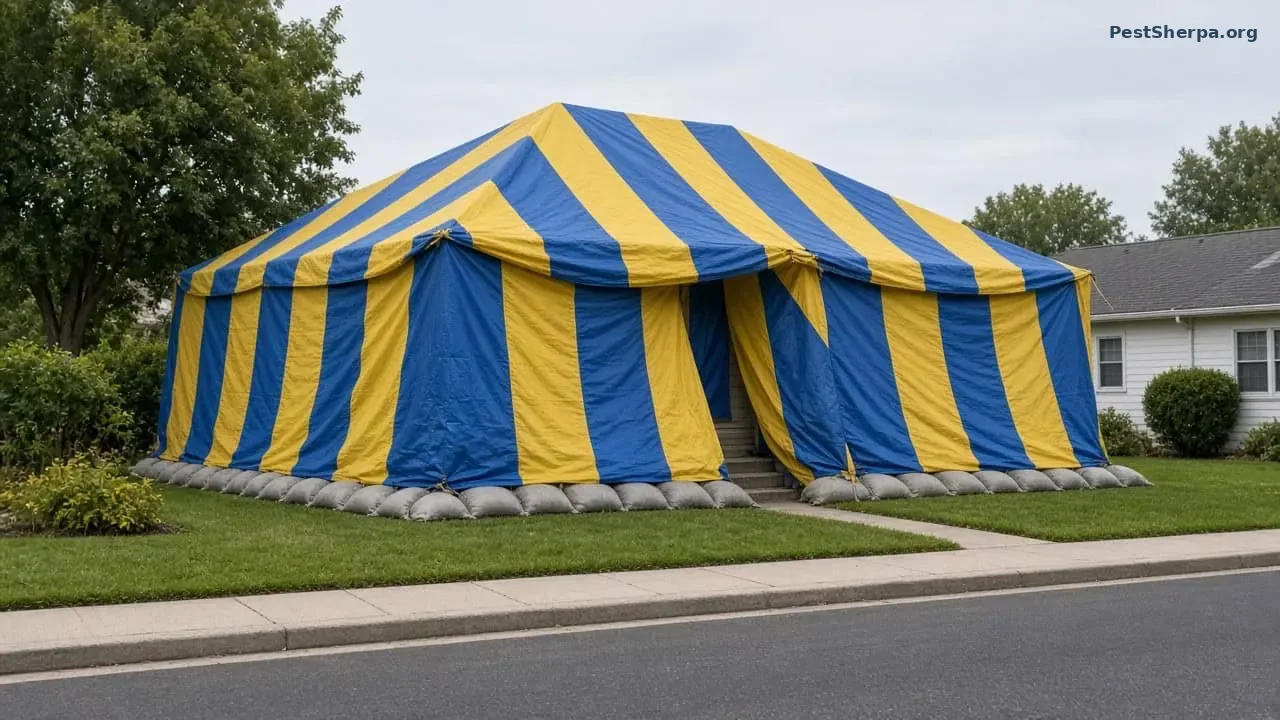
When people say a house is being “tented,” they usually mean structural fumigation: the building is sealed under tarps, a fumigant gas is introduced by a licensed pest control crew, the gas is held long enough to kill the target pests inside the wood and voids, then the structure is aired out and cleared my measuring the air quality before anyone moves back in. In the industry, “fumigation” is a term reserved for the use of gas or tablets which make a gas in the case of fumigating grains. While some people might associate “fumigation” with any pest control work, technically it is the introduction of a gas. Some people might say that their kitchen was fumigated for roaches, but unless there is a gas introduced, it is not fumigation.
This page is a homeowner explainer. It is not a how-to for applying fumigant. Sulfuryl fluoride, the active ingredient used in modern residential structural fumigations (products such as Vikane are examples of that class), is a restricted-use pesticide. Only a certified applicator, or someone under that applicator’s direct supervision, may use it (EPA). Training, compliance with state and federal regulations, adhering to the strict label and labeling language, and safety measures are all mandatory.
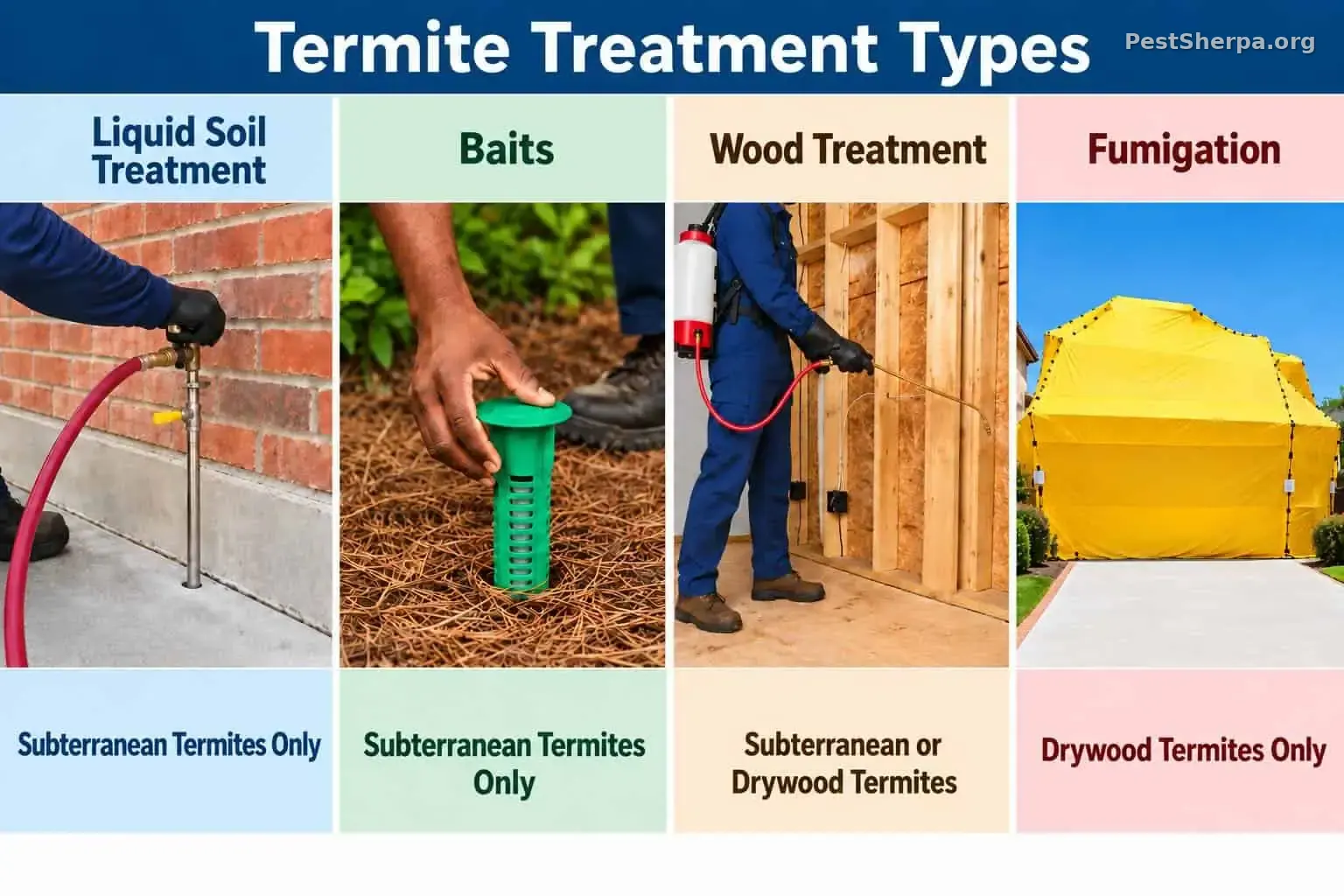
If you are still identifying the pest, start with the drywood termite guide and the termite hub. Type of termite matters before anyone talks about tents. Around Knoxville, subterranean termites are the everyday pest; whole-house tenting is mainly a drywood (or other drywood-range) conversation; however, drywood termites can be transported into homes anywhere.
Quick answer: structural fumigation (tenting)
- What it is: licensed crews tent the building, introduce sulfuryl fluoride, aerate, then clear rooms to 1 ppm or less before re-entry.
- Best fit: widespread or hard-to-map drywood infestations. Not a soil treatment for subterranean colonies.
- RUP: sulfuryl fluoride is restricted-use. No DIY tenting, cylinders, or dosage math.
- Re-entry: “it smells fine” is not clearance. Measured 1 ppm or less in breathing zones, then the licensee says you can go back.
- Limits: no lasting residue; drywoods can return later without prevention and inspections.
Bottom line: confirm the pest first, then ask why whole-structure gas beats localized treatment or heat. See when tenting is used.
Based on EPA, UC IPM, UF/IFAS, and Vikane label themes cited in the References. CA SPCB FAQ used only as a California example.
What structural fumigation (tenting) is
EPA describes the residential process in plain language: the structure is covered with a tent to contain the gas, filled with sulfuryl fluoride to kill pests, then aired out. Indoor air is tested with a clearance device so levels are at or below EPA’s clearance level before re-entry (EPA next steps release).
Sulfuryl fluoride is a colorless, odorless gas used as a structural and commodity fumigant. It replaced older methyl bromide uses for this kind of work and is the structural fumigant with residential uses (EPA sulfuryl fluoride page). Because the gas has no odor of its own, residential structural fumigations require chloropicrin as a warning agent. Chloropicrin is released into the space before sulfuryl fluoride; it has a pungent odor and causes eye smarting and tearing so people know to leave.
For inaccessible or widespread drywood infestations, University of Florida / IFAS describes the same sequence: tenting with gas-tight tarpaulins, releasing sulfuryl fluoride, then aerating until levels are 1 ppm or less (UF/IFAS IN236).
UC IPM ranks monitored fumigation (gas monitoring lines inside the structure) as the highest-success approach among fumigation jobs. Jobs can fail if concentration never reaches what the infestation needs so special care and monitoring are necessary. Owners also have responsibilities in that they, pets, plants, and sensitive items must stay clear of the property for several days while the building is fumigated and aerated. Tarps dragged across a roof can also damage roofing, so that risk should be discussed during the bid conversation (UC IPM Drywood Termites).
When tenting is used (and when it is the wrong tool)
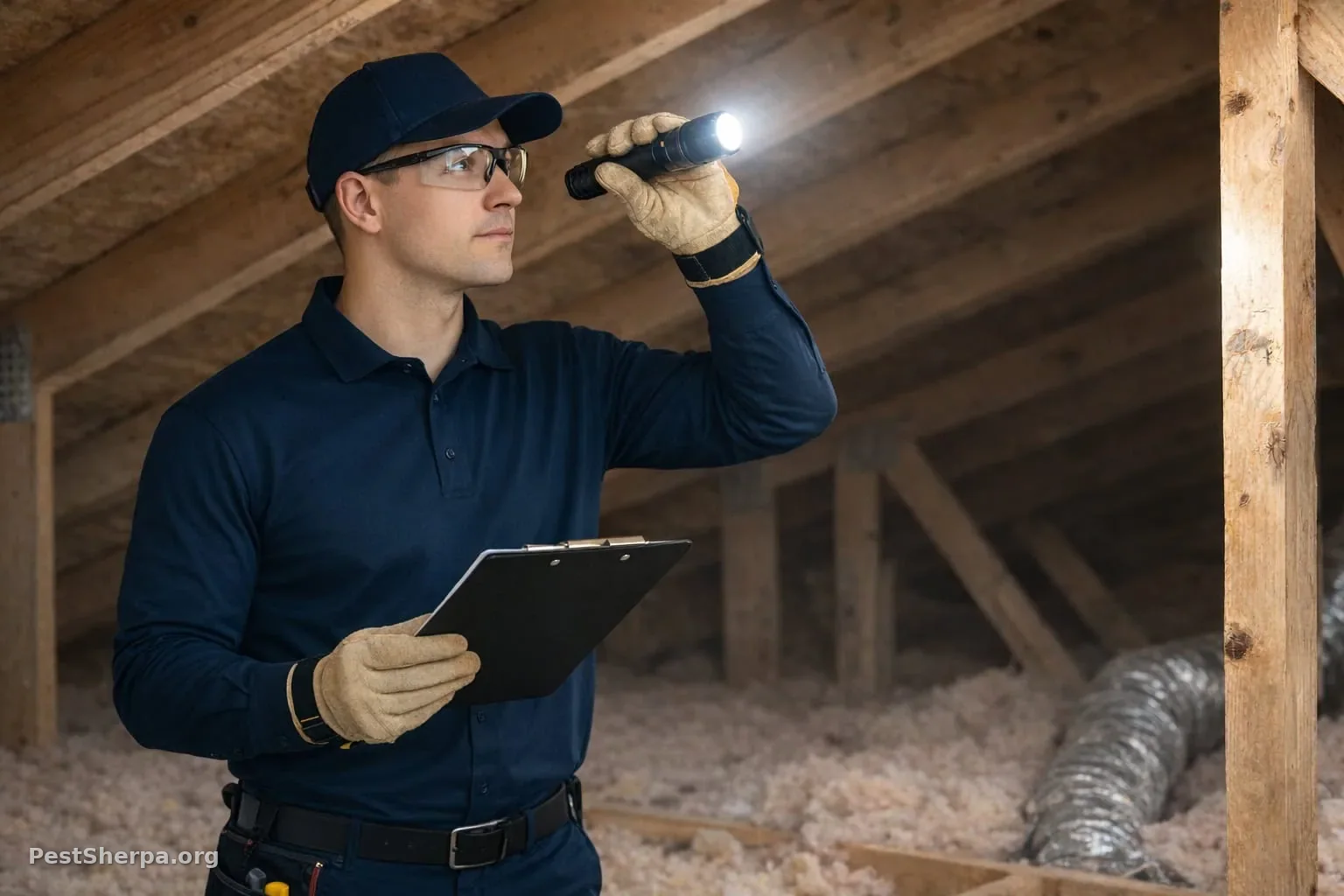
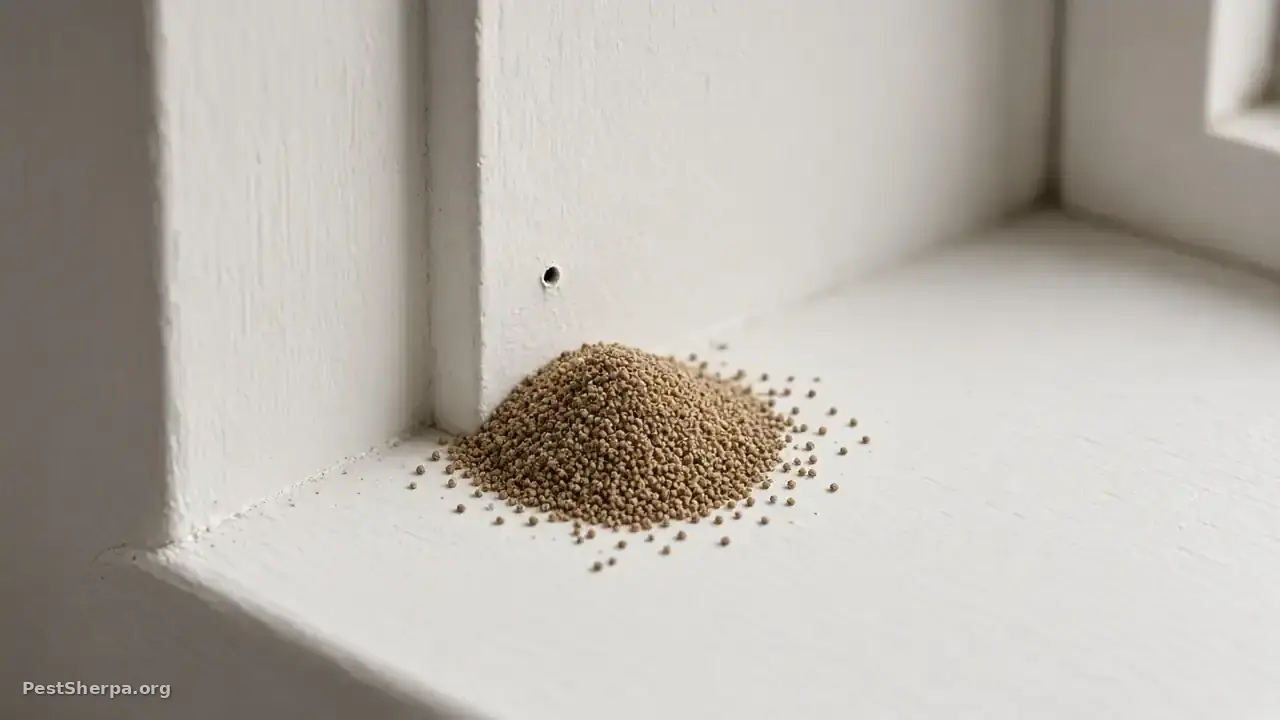
Typical good fit: widespread or hard-to-map drywood termite infestations, where whole-structure treatment is the honest way to reach hidden galleries at once. UC IPM notes whole-structure sulfuryl fluoride may be necessary when drywood infestation and damage are widespread. Localized (spot) treatments can make sense for small, well-located infestations, but they will not clean up colonies you never found. Gas is a good choice if used properly because it penetrates all areas that air can get to including spaces not easily accessible to people.
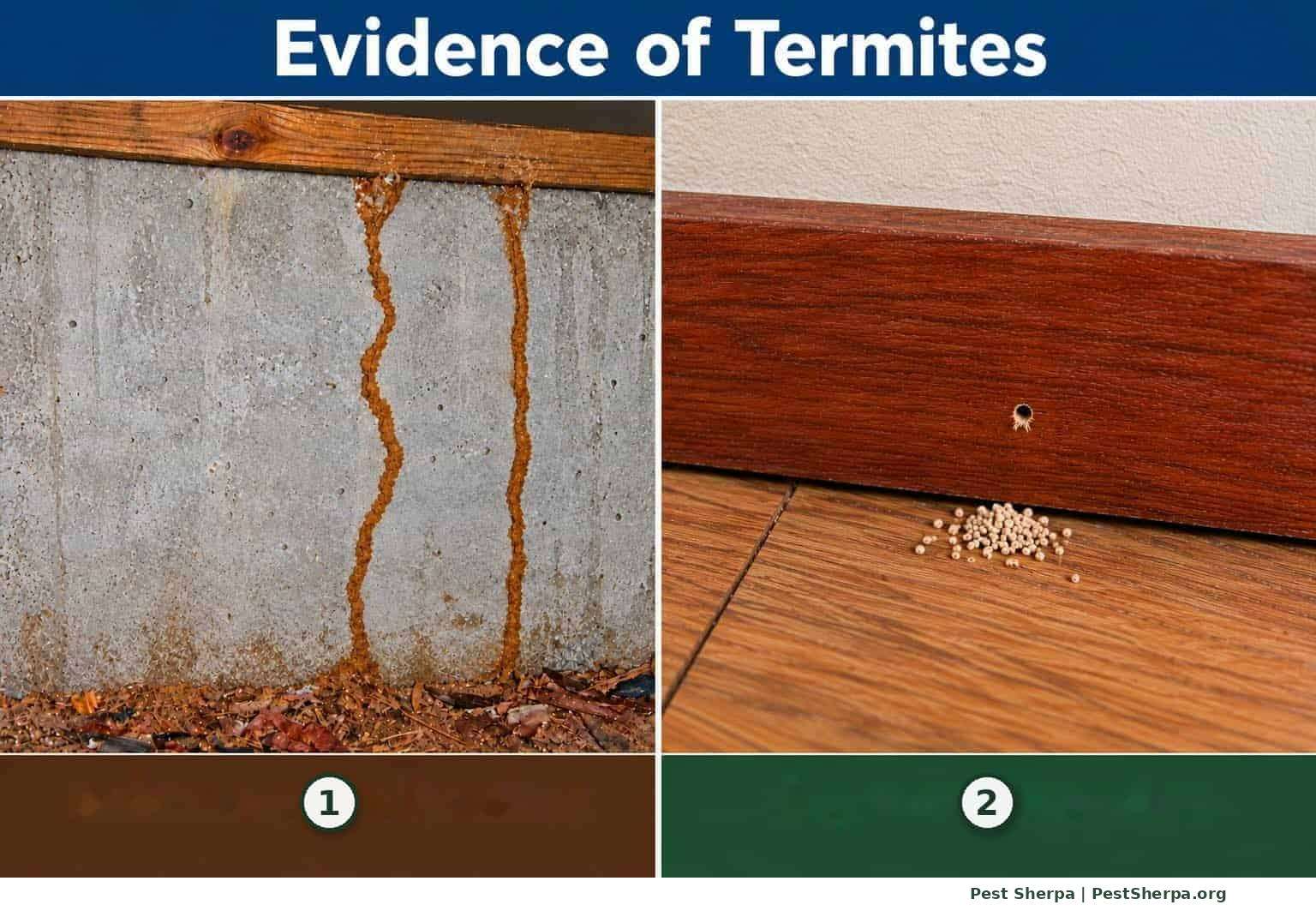
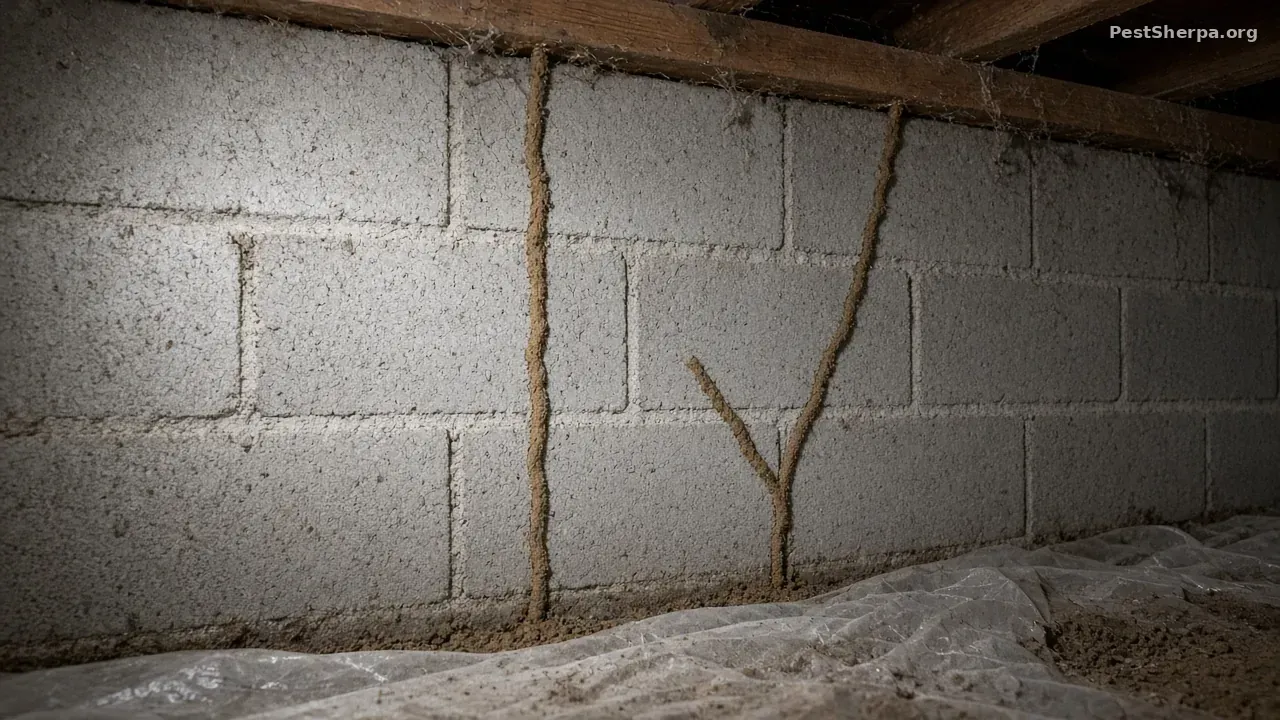
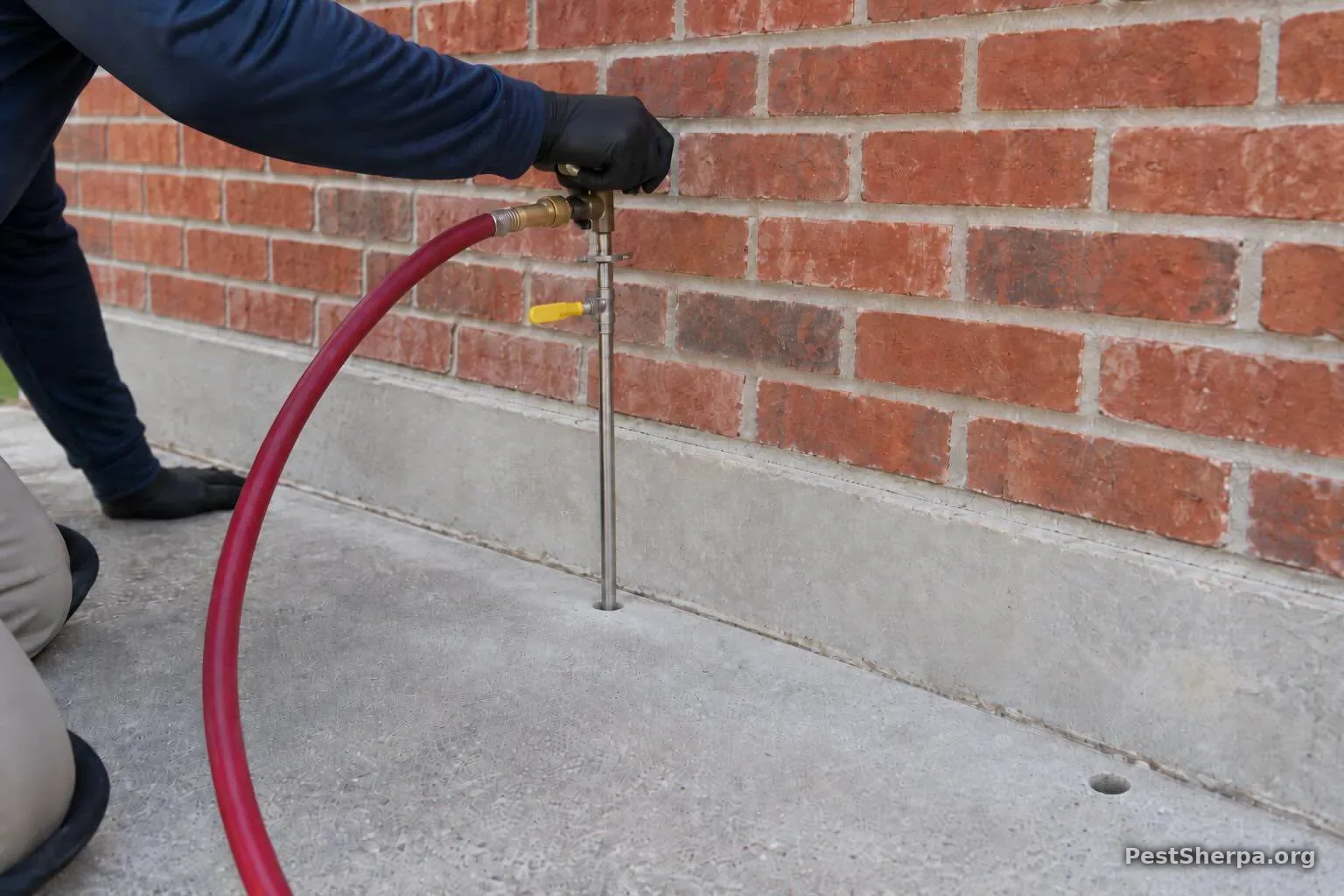
Wrong primary tool for typical subterranean jobs. Subterranean termites nesting in or below the soil cannot be controlled with drywood techniques such as fumigation, heat, freezing, or electrocution, because the reproductives and most of the colony are near or below ground, out of reach of fumigant (UC IPM Subterranean and Other Termites). California’s Structural Pest Control Board FAQ makes the same consumer point: subterranean termites need separate treatments that create a treated area between the structure and their ground population; fumigation is not that treatment choice (CA SPCB fumigation FAQ). Treat that FAQ as a California example of typical themes, not as all states’ law.
EPA’s label pest list for residential sulfuryl fluoride is broader than termites alone (powderpost beetles, old house borers, bed bugs, and others appear in agency materials). That does not make tenting first-line for every household pest. Ask what pest was identified and why whole-structure gas is the chosen tool. Do your research on this site and university pest sites.
Sulfuryl fluoride is a restricted-use pesticide
Three homeowner facts matter more than brand names:
- RUP status. Only certified applicators (or people under their direct supervision) may use sulfuryl fluoride (EPA).
- Example brand, not a shopping pitch. Vikane is one sulfuryl fluoride product used for structural fumigation. Its specimen label (EPA PPLS, approved July 11, 2024) is marked Restricted Use Pesticide and requires that a Fact Sheet for Vikane be provided to an adult occupant after a fumigation contract is signed (Vikane label PDF). Read the fact sheet your company gives you.
- No DIY path. There is no safe homeowner version of “tent it yourself.” Do not handle cylinders, calculate dosages, or improvise seals. Never try to invent your own fumigant by mixing chemicals; it can be fatal.
Prep and re-entry (conceptual, not a DIY checklist)
Follow the licensed fumigator’s written prep sheet and the current product label or occupant fact sheet. Details vary by product, structure, and state. What follows are themes, not a complete checklist, and not steps for applying fumigant.
People, pets, and plants leave. UC IPM: occupants, pets, and plants must vacate for several days during fumigation and aeration (timing depends on structure volume and gas amount). California’s consumer FAQ adds fish, and seeds or bulbs intended for planting, to the “remove” list as an example of how thorough prep can be (CA SPCB FAQ).
Food, feed, and medicines. Labels and state consumer materials describe removing or protecting food, feed, and medicines that are not already in qualifying sealed containers (metal, glass, or other highly resistant packaging themes appear in label and FAQ language). Follow instructions without exception. Use the prep sheet and fact sheet your applicator provides (Vikane label themes; CA SPCB FAQ as a California example).
Warning signs, logs, and stewardship. EPA’s 2023-2024 residential mitigations include clearly posted no-entry signs on tents, site-specific fumigation logs, registrant stewardship training, clearance devices that meet EPA’s effectiveness criteria, and longer active and passive aeration on revised labels (EPA next steps).
Clearance before re-entry. Because sulfuryl fluoride is odorless and colorless, “it smells fine” is not a clearance method. No credible pest control fumigator would ever even consider such a shoddy and dangerous approach. EPA’s clearance-devices page states the structure is considered cleared when the certified operator (or someone under their supervision) verifies 1 ppm or less in the breathing zones of each room with a portable clearance device, then posts clearance notices and notifies the resident (EPA clearance devices). The Vikane label likewise directs confirmation at 1 ppm or less and points users to EPA’s list of effective clearance devices. Current labels lengthened aeration; stipulate measured at or below 1 ppm after the required aeration.
Do not re-enter until the licensee in charge says the building is clear. California’s FAQ describes secondary locks and a posted re-entry notice with date, time, company, license, and phone as consumer protections in that state. Ask your local company what lockout and notice steps they use where you live. Never return to the site because you forgot something you need without going directly through the company.
What fumigation does not do
- No lasting residue / no ongoing protection. Like heat treatments, fumigants have no residual effect. Drywoods (or other pests) can reinfest later unless you add prevention and keep up inspections (UC IPM Drywood; CA SPCB FAQ).
- Not a subterranean soil treatment. Ground-based colonies need soil barriers, baits, or other subterranean programs (UC IPM Subterranean). See also termite control for liquid and bait framing.
- Not automatic perfection. Improperly supervised jobs can under-dose which is why the industry takes monitoring so seriously. Some household pests may survive a fumigation. Hidden damage still needs a separate repair plan after treatment. See repairing termite damage.
- Not always required for every drywood find. Localized treatments may be enough for small, accessible infestations; they will not eradicate hidden infestations elsewhere (CA SPCB FAQ).
Alternatives at a high level
UC IPM groups drywood options as whole-structure versus localized.
Whole-structure alternatives. Whole-house heat aims to bring wood to a minimum of 120°F where the insects are found and hold that temperature for at least 33 minutes. It is difficult to ensure that the required temperature is achieved in all areas. Vacancy is often measured in hours rather than days, and portions of large buildings can sometimes be treated separately. Drawbacks include heating large beams, heat sinks (wood on concrete or tile), and heat-sensitive belongings. Heat also leaves no residual (UC IPM Drywood). California’s FAQ likewise treats fumigation and whole-house heat as the whole-house eradication methods for drywood in that document.
Localized / spot options. Chemical liquids, dusts, and foams; electrocution devices; microwaves; freezing; and wood replacement. Success depends on finding the colony accurately. DIY home-use products not labeled for termites are not effective for drywood control. University tests have questioned some botanical spot products (for example d-limonene). Electrogun, microwave, and liquid-nitrogen freezing are spot tools, not whole-house substitutes for fumigation in the California FAQ framing.
Wood replacement. Valid when the infestation is limited and accessible. Load-bearing members may need an engineer or general contractor and permits. Replacement without finding other colonies is a common reason spot jobs bounce back.
For more on drywood biology and signs, see Drywood termites. For hiring help, see How to Hire a Pro: Termites and how to hire a licensed termite company.
How to talk with a licensed fumigator
Ask, calmly:
- What pest was identified, and why is whole-structure fumigation recommended instead of localized treatment or heat?
- How will the fumigation be monitored?
- What does the written prep sheet require for removing food, medicines, plants, pets, and other materials?
- Where will I get the occupant fact sheet, and who explains re-entry and clearance?
- What is the plan if clearance testing is not at or below 1 ppm on the first try?
- What prevention or inspection follow-up do you recommend after a treatment with no residual?
Get multiple bids when you can, and verify licensing with your state structural pest or pesticide regulator. Fumigation is difficult and dangerous and rarely does someone get into this business unless they have been properly credentialed. If they do not have proper credentials, report them to the state regulatory agency. This is seriously business.
Common questions about structural fumigation
Is tent fumigation the right treatment for subterranean termites?
No as a primary tool. UC IPM states subterranean colonies nesting in or below the soil cannot be controlled with fumigation, heat, freezing, or electrocution. Soil barriers, baits, or other subterranean programs are the right family. Mud tubes on the foundation are a subterranean clue, not a drywood tent clue.
Can a homeowner buy sulfuryl fluoride and tent their own house?
No. Sulfuryl fluoride is a restricted-use pesticide. Only certified applicators (or people under their direct supervision) may use it (EPA). There is no safe DIY path for cylinders, dosages, or seals. Never try to obtain a gas and try this yourself. You won’t be able buy sulfuryl fluoride so don’t try home brews.
When can I go back inside after tenting?
After the licensed applicator aerates the building and verifies 1 ppm or less in the breathing zones of each room with an approved clearance device, then posts clearance and notifies you (EPA clearance devices; Vikane label themes). “It smells fine” is not clearance. Follow your company’s re-entry notice. If you suspect any issues, contact the company immediately.
Does fumigation protect the house afterward?
No lasting residue. UC IPM and the CA SPCB FAQ (California example) both note fumigants leave no ongoing protection; drywoods can reinfest later without prevention and inspections.
What are the main alternatives to tenting for drywood?
Whole-house heat (UC IPM: wood to at least 120°F for at least 33 minutes) is the other whole-structure option. Most frequently localized liquids, dusts, and foams are alternatives and less commonly electrocution, microwave, freezing, and wood replacement can fit small, well-mapped infestations. DIY spot products are not effective for drywood control (UC IPM).
Will tenting fix the damaged wood?
No. Fumigation addresses live pests in the structure. Soft sills, hollow joists, and finish damage still need a separate salvage-or-replace plan. See repairing termite damage.
Keep learning
- Drywood termites
- Termite guide hub
- Signs of termites
- Repairing termite damage
- Termite damage costs
- Termite Control (treatment systems and warranties)
- Hiring a termite pro
- Drywood range map
- Ask the Sherpa (send inspection notes or a fumigation bid you want a second look at)
This page is educational. It is not a product label, a state license manual, or permission to handle fumigant.
References
- US EPA, Sulfuryl Fluoride (ingredient)
- US EPA, Next Steps for Residential Sulfuryl Fluoride (July 30, 2024)
- US EPA, Sulfuryl Fluoride Clearance Devices
- US EPA PPLS, VIKANE label (07/11/2024)
- UC IPM, Drywood Termites
- UC IPM Pest Notes pn7440 (same family)
- UC IPM, Subterranean and Other Termites
- UF/IFAS IN236, West Indian Drywood Termite
- California SPCB, Fumigation FAQ (Rev. 03/2019) (CA-specific example)
This article was written by Greg Baumann, founder of Pest Sherpa, and reflects more than 40 years of professional pest management experience.
About the Author

Greg Baumann | Pest Control Expert
Greg Baumann is the founder of Pest Sherpa and a Pest Control Expert with more than 40 years of professional pest management experience. His articles combine decades of field experience, technical expertise, and science-based guidance to help homeowners identify pests correctly, understand real-world risks, and make informed pest management decisions.
Mission: Identify the pest. Understand the risk. Stop the problem. Prevent the comeback. Know when it’s time to call a professional.