
Bats in the Attic: Signs, Risks, and How to Get Rid of Them Legally
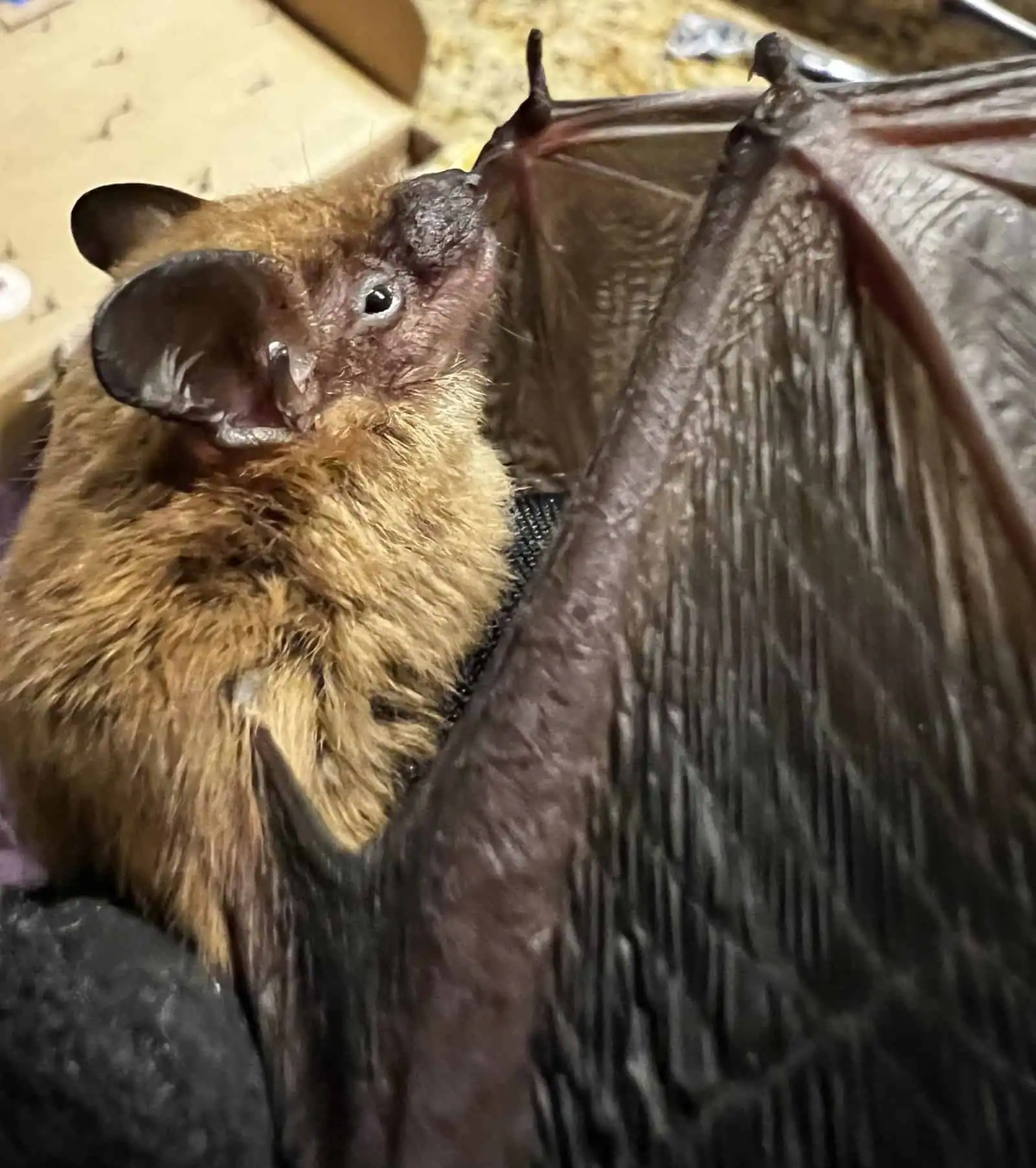
Bats in the attic sound like a horror movie problem, but most of the time they are a colony of insect-eating mammals that found a gap in the soffit or siding and a warm, quiet place to raise young. They are also one of the few wildlife problems where the law, the calendar, and public health all shape what you can do. Handled correctly, bat removal is permanent, humane, and environmentally responsible. Handled carelessly, it can kill a protected colony, trap pups (young bats) inside your walls, or expose your family to rabies and histoplasmosis.
Key Points
The bats that roost in North American homes are mostly big brown bats and little brown bats, along with Mexican free-tailed bats and several other species in the South and West. Depending on the species and opening shape, they can enter through gaps about 1/4 inch wide, leave dark, crumbly droppings full of insect fragments, and form maternity colonies in attics during late spring and summer.
The most dependable long-term fix is exclusion: find every entry point, let the bats fly out through one-way netting or tubes, and then seal the building. Timing is critical. Exclude bats only when no flightless pups are present, which often means avoiding spring and summer maternity periods, and check your state’s rules, because some bat species are federally protected and states may impose additional restrictions.
Never handle a bat barehanded. Bats are the animals most frequently reported with rabies in the United States and the leading cause of human rabies deaths here. If anyone may have had contact with a bat, including possible unnoticed contact involving a sleeping person, child, or person unable to report a bite, contact your health department promptly before releasing it.
In This Guide
- Signs of Bats in the Attic
- Which Bats Use Homes
- Health Risks: Rabies, Histoplasmosis, and Bat Bugs
- Bats and the Law
- Timing Around Pups
- How to Get Bats Out of the Attic
- What Does Not Work
- Cleaning Up Guano
- When to Call Licensed Wildlife Control
- What a Pro Visit Looks Like
- What It Costs
- Common Questions
- References
Signs of bats in the attic
- Bats leaving at dusk. Stand outside at sunset and watch the roofline, gable vents, soffits, chimney, and fascia boards. Bats drop from the opening and fly off one after another.
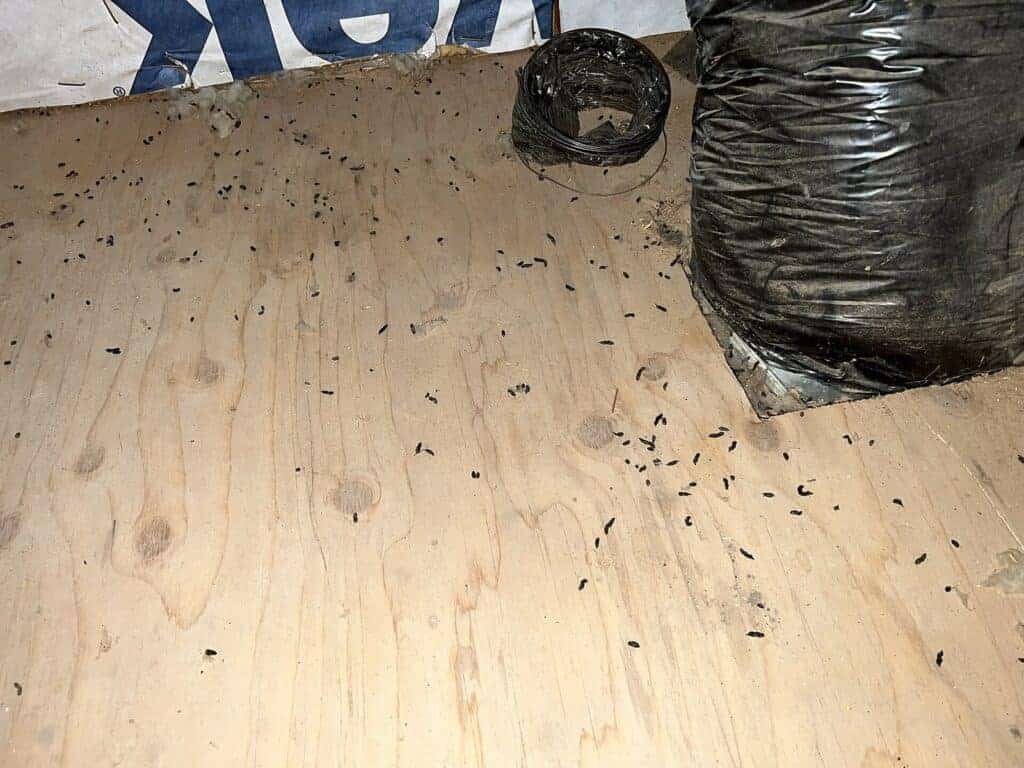
- Droppings (guano). Small, dark pellets, often roughly rice-grain-sized, may accumulate below roosts and entry points. They crush easily into shiny insect fragments. Mouse droppings do not have the shiny bits, and bat droppings are never white and chalky like bird droppings.
- Staining. Body oils and urine leave a brown discoloration around long-used openings.
- Odor. A musty, ammonia smell builds up with a large colony.
- Sounds. Squeaking and rustling at dusk and dawn, often in the eaves or walls.
- A bat in the living space. Bats may enter rooms through openings from attics or outdoors; this is not limited to young bats or summer.
Bats do not chew holes or gnaw wiring. They use gaps that already exist: loose flashing, gaps under fascia, unscreened vents, and spaces around chimneys and pipes. Openings as small as 1/4 by 1-1/2 inches can admit a bat.
Which bats use homes
In most of the eastern and central United States, the big brown bat and the little brown bat are the species that form colonies in attics, walls, and barns. In California and the Southwest, pallid bats, Yuma myotis, and Mexican free-tailed bats commonly use buildings. Females gather in maternity colonies in late spring, give birth to one or two pups in late May and June, and the pups fly by about mid-July in Pennsylvania. Seasonal movements differ by species and region. Some colonies leave buildings to migrate or hibernate elsewhere, while big brown bats may overwinter in buildings, including unheated spaces.
Bats reproduce slowly for their size. The little brown bat can live for three decades, and females usually raise one pup a year, which is why killing a colony has lasting effects on local populations.
Health risks: rabies, histoplasmosis, and bat bugs
Rabies. Most bats are not rabid, but CDC identifies bats as the most commonly reported rabid animals in the United States, and contact with infected bats is the leading cause of human rabies deaths in the country. Bat bites can be tiny, and a person may not know they were bitten. Unusual behavior, such as being unable to fly or being unusually approachable, warrants caution, but behavior alone cannot diagnose rabies. A bat inside a home is not necessarily rabid.
If someone may have had contact with a bat
- If exposure may have occurred, do not release the bat before speaking with the health department. Officials can determine whether capture and testing are appropriate.
- Wash any bite or scratch with soap and water and seek medical care right away.
- If a bat was found with a sleeping person, an unattended young child, or someone unable to reliably report contact, promptly consult public health officials for an exposure assessment.
- Keep people and pets away. If safe, close interior doors to confine the bat in one room and ask animal control or the health department about capture. Do not attempt capture if it would risk contact; trained personnel are preferable.
Summarized from CDC: Preventing Rabies from Bats.
Histoplasmosis. Histoplasma fungi occur in environmental material, particularly soil enriched by bird or bat droppings. Inhaling airborne fungal particles can cause histoplasmosis. The presence of guano does not prove the fungus is present, and risk depends on the site and whether contaminated material is disturbed. CDC/NIOSH recommends dust-control measures and risk-appropriate respiratory protection; disturbing large accumulations is a high-risk task best left to qualified cleanup professionals.
Bat bugs. Bat bugs look almost identical to bed bugs and need a hand lens or microscope to tell apart. They can bite people after a colony is excluded, but they cannot reproduce without bats. If bugs show up in bedrooms near an attic colony, have them identified before treating for bed bugs. See our bed bug guide for comparison.
Bats and the law
Bat laws are stricter than those for most nuisance wildlife. The U.S. Fish and Wildlife Service lists the northern long-eared bat and the Indiana bat as endangered. The northern long-eared bat was reclassified from threatened to endangered in a final rule published November 30, 2022 (effective January 30, 2023); it occurs in 37 states, and white-nose syndrome has driven declines of 97 to 100 percent in winter colony counts across its range. The Service is also reviewing the status of the little brown bat, a species that frequently uses buildings; review does not itself mean it is federally listed as endangered.
States add their own rules. Pennsylvania and other states have their own rules on bat handling and exclusion. Do not assume that permission to exclude nuisance bats also permits killing, disturbing protected species, or excluding during restricted periods. Wildlife-management guidance recommends contacting your state wildlife agency and learning the federal and state laws before taking any action. You can find yours through the directory of state fish and wildlife agencies.
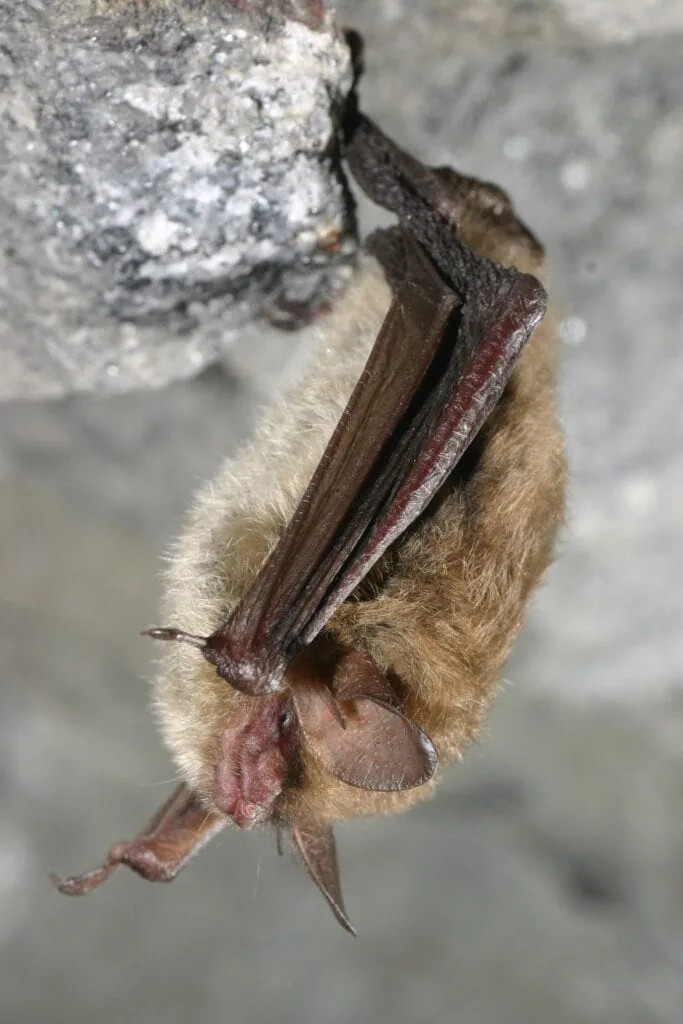
White-nose syndrome, caused by the fungus Pseudogymnoascus destructans, has killed hibernating bats across North America since it was first documented in New York in 2006. That is a big reason exclusion timing and humane methods matter so much. [National Park Service] [U.S. Fish and Wildlife Service]
Timing around pups
Excluding adults while pups are still flightless starves the young, creates odor and fly problems, and can drive pups into your living space as they search for a way out. University Extension and wildlife-management publications describe regional seasonal exclusion windows. The calendar below is a general example, not a nationwide rule.
| Months | What the bats are doing | What to do |
|---|---|---|
| January to April | Some seasonal colonies are absent, but other bats may still be inside | Seal only after confirming the structure is unoccupied |
| May to August | Maternity season; pups born late May and June, flying by about mid-July | Watch at dusk to find entry points; do not exclude or seal |
| Late August to October | Pups are flying | Install one-way doors or netting; confirm all bats are out |
| November to December | Many seasonal colonies have left, but some bats may overwinter inside | Seal only when all bats are confirmed absent |
Dates vary by region and species. UC IPM advises avoiding exclusion from May through September in California, ICWDM recommends avoiding roughly May 15 through August 15, and some states set their own blackout dates. Fall or winter may be suitable for sealing where bats have left, but never seal an occupied roost. If bats are hibernating inside the building, do not seal them in or force them into freezing conditions. Consult a qualified wildlife professional about the appropriate season and method.
How to get bats out of the attic
- Find every entry point. Watch the house at dusk from two or more sides, ideally with a helper, and count bats as they exit. Look for staining and droppings below gaps. Check gable vents, soffit returns, ridge vents, chimney flashing, and gaps around pipes and wiring.
- Seal the secondary gaps first. Once you have confirmed that no flightless young or hibernating bats will be trapped, close unused openings with durable materials, while keeping every active exit available for a one-way device.
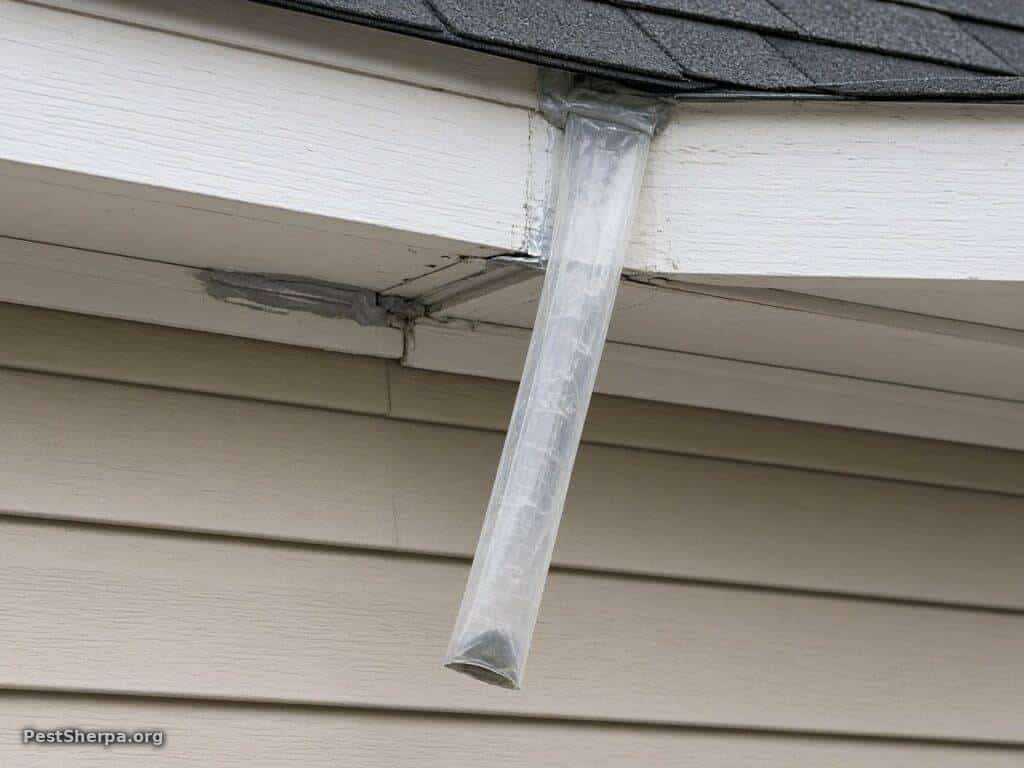
- Install one-way exits. Fit a properly designed device at each active exit. Hang lightweight netting or plastic sheeting over suitable openings, attached at the top and sides and hanging loose below the opening, so bats can drop out but cannot find their way back in. Exclusion tubes or cones work on some openings. Use netting with mesh small enough to prevent bats from passing through, installed so they can exit from the loose bottom edge.
- Wait and watch. Keep devices in place for several suitable nights, often about a week, following local guidance and allowing for poor weather. Observe activity and verify that all bats have left before removing the devices.
- Seal permanently. Close the exits with durable materials. Seal all bat-accessible gaps, including narrow cracks that a dime-size rule would miss. Use appropriate screening, flashing, chimney protection, and other durable repairs without blocking required ventilation or appliance exhaust.
- Clean up safely. Remove guano with proper respiratory protection, or hire a company that does attic remediation.
From Real Field Experience
Some homeowners put up a bat house nearby before excluding a colony. Bat houses may provide an alternative roost if installed well before exclusion, but placement, design, and local conditions affect whether bats use them. A bat house is a courtesy option for a beneficial animal, not a guarantee the colony will use it. A memorable bat job when I was owner of a pest control business was installing a bat house on a tall post in a wooded area next to a large home. We held the proper licenses. A bat house is not a bird house; there are special design criteria to consider. In early fall, after the pups could fly, we installed a one-way exit, and at dusk one evening we counted 33 bats emerging. The next morning the bats circled the house trying to get back in, without success. Within two days they had set up in the bat house so the homeowner could enjoy the insect control the bats provide without worrying about them in the house. Weeks later, we removed the one-way exit, cleaned up the guano following CDC/NIOSH precautions, and sealed the opening permanently. Success!
What does not work
- Ultrasonic devices, lights, and radios: ultrasonic devices and noise do not reliably eliminate roosts; lighting may disturb bats in some settings but is not a substitute for permanent exclusion. See our article on whether ultrasonic repellents work.
- Poisons and tracking powders: do not use pesticides to kill or repel bats unless a product is expressly registered and labeled for that use. Common pesticide products and tracking powders are not lawful substitutes for exclusion and can create additional hazards.
- Mothballs: using naphthalene outside its label directions is illegal, and the vapor is a health concern inside a home.
- Sealing during maternity season: traps pups, creates odor and insect problems, and can push bats into your living space.
- Catching bats by hand: risks a bite and a rabies exposure.
- Swatting with a tennis racket: the stories are true, but you can rarely get that close to a flying bat, and panicked homeowners have done far more damage to lamps, pictures, and artwork than the bat ever did. Don’t try this.
Cleaning up guano
After exclusion, assess whether droppings or contaminated insulation actually need removal. Small, accessible accumulations may be handled with careful dust suppression, gloves, and respiratory protection appropriate to the assessed risk; avoid creating airborne dust. CDC/NIOSH recommends qualified professional remediation for large accumulations, which can require higher-level respiratory protection than a basic N95. Do not dry-sweep or use an ordinary household vacuum. Trained crews may use appropriately filtered industrial equipment. Keep others away from the work area.
When to call licensed wildlife control
- The colony is large, or entry points are high on the roof or behind siding.
- You cannot identify all of the openings at dusk.
- It is maternity season and bats are already in the living space.
- Someone may have had contact with a bat. Call the health department first.
- Guano has built up enough to require insulation removal.
What a pro visit looks like
Bat work is exclusion work, and a good company treats it as a building job as much as a wildlife job.
The inspection
The technician inspects the full exterior, usually from ladders or a lift, looking for staining, droppings, and gaps along the roofline, vents, chimney, and siding. Many will also do or ask for a dusk exit count. Inside the attic, the tech looks at where the colony roosts and how much guano and insulation damage there is. A careful tech will ask about any bat in the living space and point you to the health department if contact is possible.
Your prep before the visit
- Note any dates when bats came into the living space, and whether anyone may have had contact.
- Do not seal holes or install netting yourself before the inspection; the tech needs to see active exits.
- Clear access to the attic hatch and the exterior walls.
- Ask your state wildlife agency, or have the company confirm, the exclusion dates that apply where you live.
The treatment
- Sealing of all secondary gaps along the roofline, vents, and chimney.
- One-way doors, netting, or tubes on active exits, left in place for several days to a week.
- Final sealing once a dusk check confirms the colony is out.
- Guano and contaminated insulation removal, appropriate cleanup, and replacement insulation as separate line items if needed; routine spraying of disinfectant is not a substitute for safe removal.
Follow-up
Expect at least two visits for a colony: one to seal secondary gaps and install one-way devices, and a second to remove the devices and seal the main exits. If the work begins near the end of maternity season, the schedule may stretch to wait for pups to fly. Ask how long the exclusion warranty lasts.
Questions to ask before you book
- How do you confirm no pups are in the roost before excluding?
- Which exclusion dates do you follow in this state?
- Will you seal the whole building or only the visible openings?
- Is guano cleanup included, and what protection do your workers use?
- What does the warranty cover if bats find another way in?
Our guide to hiring a wildlife professional covers licensing and contracts.
What it costs
Bat removal is priced mostly by colony size and how much sealing the building needs. Typical prices start at about $1,600. Removing an established colony costs more, and a colony of 50 to 200 bats can run as high as $2,000 to $8,000.
Our cost guide also shows what bat removal costs next to other wildlife jobs, so you can judge whether an exclusion quote is in line.
Typical national ranges
- Bat removal: most paid $232 to $754; national average $490 (Angi, 2026)
- Colony exclusion, 2 to 50 bats with multiple entry points sealed: $400 to $1,500 (Angi, 2026)
- Colony exclusion, 50 to 200 bats: $2,000 to $8,000 (Angi, 2026)
- Guano removal: $500 to $8,000; attic damage repair and restoration: $2,500 to $5,000 (Angi, 2026)
- Bat removal: $250 to $600 on average (HomeGuide, 2025)
These are national figures from consumer cost surveys, not quotes. Prices vary by region, home, and job, so treat them as a starting point for comparing written estimates.
What moves the price
- The size of the colony and how many entry points must be sealed.
- Roof height and pitch, and whether a lift is needed.
- Guano volume and whether insulation must be removed and replaced.
- Inspection fees; Angi notes inspections can cost up to $300, often rolled into the job.
- Warranty length on the exclusion.
One-time job or ongoing plan
Bat exclusion is generally intended as a one-time structural correction when it is done thoroughly, although buildings can develop new gaps over time. The ongoing cost to watch for is repeated callbacks because only some openings were sealed. Paying more for a whole-building seal with a multi-year warranty is often cheaper over time.
Red flags in a quote
- Any mention of killing bats, poisons, or tracking powder.
- An offer to exclude during maternity season without checking for pups.
- Only one opening sealed when the dusk watch showed several.
- Ultrasonic devices sold as the solution.
- No warranty on exclusion work.
Get guano cleanup and exclusion priced as separate lines, so you can compare like for like.
Common questions about bats in the attic
How do I know if I have bats in my attic?
Watch the roofline at dusk for bats dropping out of a gap and flying off. Inside, look for piles of dark droppings about the size of a rice grain that crumble into shiny insect fragments, brown stains around a crack or vent, and a musty ammonia odor. Squeaking or scratching at dusk and dawn is another clue.
Is it illegal to kill bats?
It depends on the species, location, and circumstances. Several bat species are federally endangered, including the northern long-eared bat and the Indiana bat, and many states protect bats under their own wildlife laws. No poisons are registered for bat control, and killing bats scatters sick and dying animals around the property. Properly timed exclusion is the preferred nonlethal method, subject to applicable wildlife rules.
When can I get bats out of my attic?
Exclude bats only when no flightless pups are in the roost. In much of the country that means avoiding roughly May through August, but the sensitive period varies by region: UC IPM advises May through September in California. Late summer after pups fly, or fall once bats leave, is the usual window. Check your state’s dates.
Can bat droppings make you sick?
Yes. Accumulations of bat or bird droppings may be associated with Histoplasma, the fungus that causes histoplasmosis. Avoid stirring up dust. Large accumulations should be assessed and removed by qualified professionals using CDC/NIOSH precautions.
What should I do if I find a bat in my bedroom?
Avoid contact and keep the bat contained in the room if possible. If someone was asleep or contact cannot be ruled out, call your health department promptly before releasing it. Officials can assess whether rabies testing or medical evaluation is needed. Do not try to catch a bat if doing so risks a bite.
Do ultrasonic devices or mothballs drive bats out?
Ultrasonic devices and radios are not reliable long-term solutions; lighting may disturb bats but does not replace exclusion, and only proper exclusion provides a durable solution. Chemical repellents are not a substitute for structural exclusion. Mothballs used outside their label directions are illegal and add a vapor hazard to the home.
How much does bat removal cost?
Typical prices start at about $1,600, and removing a single stray bat can cost less. Colony removal costs more, and a colony of 50 to 200 bats can run as high as $2,000 to $8,000. Guano cleanup and attic restoration are priced separately.
This guide is part of our Nuisance Wildlife guide. If you hear scratching in the attic during the day rather than at dusk, compare our squirrels in the attic guide, and if birds are nesting in a vent, see pest birds. Questions about your own situation? Send photos to Ask the Sherpa.
References
- CDC: Preventing Rabies from Bats
- CDC: About Rabies
- UC IPM Pest Notes: Bats
- Penn State Extension: Bats
- Internet Center for Wildlife Damage Management: Bats
- U.S. Fish and Wildlife Service: Northern Long-eared Bat
- U.S. Fish and Wildlife Service: Little Brown Bat
- National Park Service: White-nose Syndrome
- Association of Fish and Wildlife Agencies: U.S. State and Territorial Fish and Wildlife Agencies (member list)
- Angi, How Much Does Bat Removal Cost? [2026 Data], updated September 7, 2026
- HomeGuide, How Much Does Bat Removal Cost?, September 2, 2025
Top photo: Lillie, CC BY 4.0, via Wikimedia Commons.
This article was written by Greg Baumann, founder of Pest Sherpa, and reflects more than 40 years of professional pest management experience.
About the Author

Greg Baumann | Pest Control Expert
Greg Baumann is the founder of Pest Sherpa and a Pest Control Expert with more than 40 years of professional pest management experience. His articles combine decades of field experience, technical expertise, and science-based guidance to help homeowners identify pests correctly, understand real-world risks, and make informed pest management decisions.
Mission: Identify the pest. Understand the risk. Stop the problem. Prevent the comeback. Know when it’s time to call a professional.