
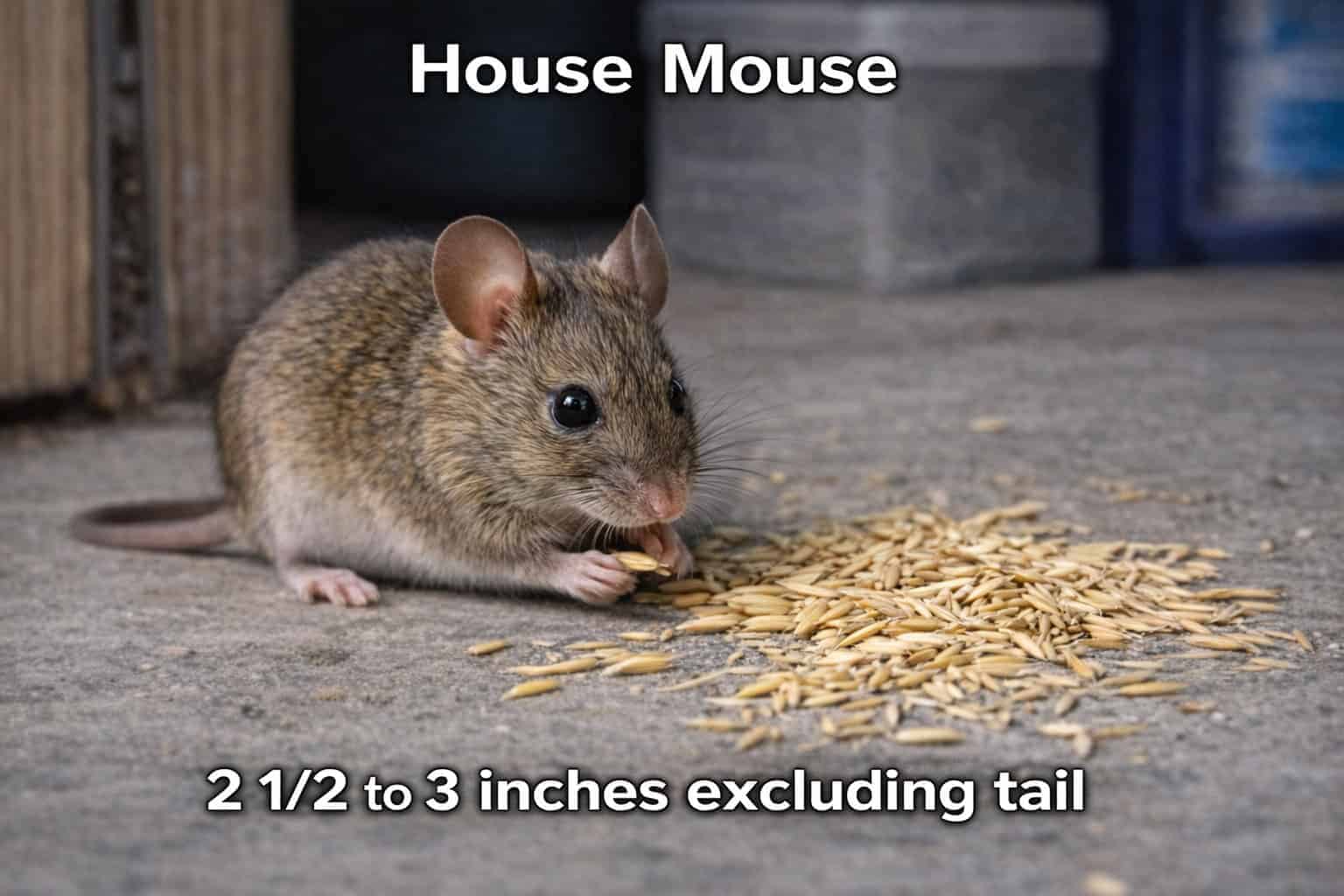
How do I keep mice out of my car?
Short answer: Treat a parked car like any other hiding spot. Mice move in when a car sits still long enough to feel safe, so check under the hood and inside the cabin often if it is not driven daily, keep food and wrappers out of it, and clean up the garage around it. Pet food, grass seed, and birdseed in the garage belong in sealed plastic or metal containers.

Why mice get into cars
A mouse has no idea what a car is for. To a mouse it is just one more sheltered space with lots of small voids to nest in. If a car stays in one place long enough that the mouse decides it is a permanent part of the landscape and not a threat, it becomes a candidate for a nest.
How long is long enough? I have seen mice move into a car that sat for about a week, but in most cases it takes longer than that. A car that is driven every day is a much less comfortable home, because it keeps moving and mice keep getting disturbed.
What mice can do to a car
- Chew upholstery, carpet, and plastic trim inside the cabin.
- Chew wiring once they get into the mechanical areas under the hood, which can be an expensive repair.
- Contaminate the air system. Nesting and droppings in the ventilation can leave people breathing in particles from mouse droppings and urine.
What draws them in
Food is the big one. Spilled snacks, crumbs from the kids in the back seat, and wrappers all give off odors, and an open window makes it easy to follow them in. Mice are good climbers and very resourceful, so assume they can reach any opening you leave.
The garage matters too. Fall is a good time to clear out clutter, old yard waste that never got thrown away, and anything else mice can eat or hide in. Pet food, grass seed, and birdseed should go into plastic or metal containers with tight-fitting lids. See the first signs of mice and how to keep them out for the house side of the same problem.
How to check a car that sits
- Pay attention to odd smells or scratching noises when you get in.
- If the car is not moved daily, open the hood about once a week and look for nesting material such as grass, straw, shredded insulation, or paper.
- Look for droppings on the garage floor, in the cabin, and in the trunk.
- A car parked outside is more exposed than one in a garage, so check it the same way but more often.
If you find a nest
Remove the nesting material and give the whole car a thorough inspection. A nest in a car parked in a garage also tells you mice are active in the area, so look at the garage and the house next. Clean up droppings and nesting material the safe way, following CDC: Cleaning up after rodents.
Wild mice are public health pests and can carry disease, so take them seriously and act at the first sign. If they keep coming back, a professional trained in rodent control can find where they are getting in. My house mouse guide and signs of mice pages cover what to look for.
Related guides
- House mouse guide
- Signs of mice
- What are the first signs of mice and how do I keep them out?
- What smells attract mice into a house?
References
This article was written by Greg Baumann, founder of Pest Sherpa, and reflects more than 40 years of professional pest management experience.
About the Author

Greg Baumann | Pest Control Expert
Greg Baumann is the founder of Pest Sherpa and a Pest Control Expert with more than 40 years of professional pest management experience. His articles combine decades of field experience, technical expertise, and science-based guidance to help homeowners identify pests correctly, understand real-world risks, and make informed pest management decisions.
Mission: Identify the pest. Understand the risk. Stop the problem. Prevent the comeback. Know when it’s time to call a professional.