
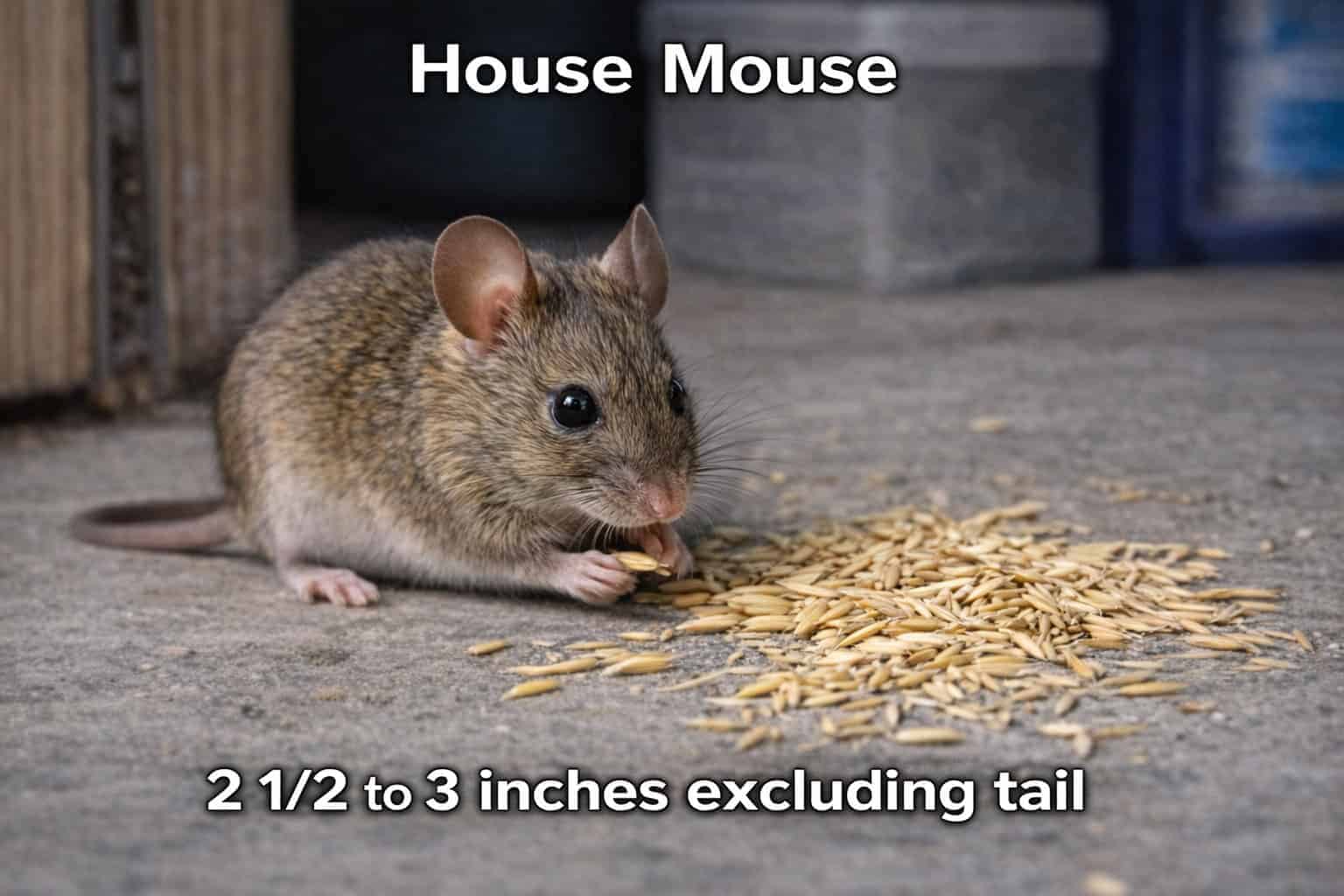
What smells attract mice into a house?
Short answer: Food odors and the scent of other mice. In a peer-reviewed study of wild house mice, the stimuli they visited most were cheese, bacon grease, almond extract, and peanut butter. Other research shows mice prefer the odors of their own species, and a protein in male mouse urine called darcin draws females. Keep food sealed, clean up grease and crumbs, and clean mouse droppings and urine properly. That does not contradict my advice that cheese is a poor trap bait. Cheese dries out quickly, and once it does, the odors that draw mice are gone. The smell attracts mice, but only briefly, so other baits work better in traps.
What the research found
A peer-reviewed study by Witmer and colleagues at the USDA National Wildlife Research Center, published in 2014, placed wild-caught house mice in an unfamiliar test arena and measured how often they visited a range of food odors and other stimuli. The highest numbers of visits went to cheese, bacon grease, almond extract, and peanut butter. Those are ordinary kitchen smells, which is why a kitchen with grease on the stovetop or crumbs under the toaster is so attractive.
One more result from that study matters to homeowners. A simple shelter box drew more entries than any odor did. Mice are looking for a safe, protected place as much as they are looking for food, and in the fall that search brings them toward our houses.

The smell of other mice
Mice also follow the scent of other mice. In a 1992 study of house mice living in outdoor enclosures, Drickamer and colleagues baited traps with different odors and found that mice preferred the odor of their own species, while they avoided traps scented with human, cat, and shrew odors.
A 2010 study by Roberts and colleagues identified darcin, a protein in male mouse urine that attracts females and helps them remember where an individual male’s scent was found. The Witmer study also found that female mice visited male urine and feces odors more often than males did.
The practical lesson is that the droppings and urine left behind by mice are a signal to the next mouse. Clean them up the right way: wear gloves, spray the area with disinfectant or a bleach solution, let it soak, and wipe it up with paper towels rather than sweeping or vacuuming. For help telling what you have, see how to identify mouse droppings.
What your house smells like to a mouse in the fall
Mice will easily find accessible dry pet food, bird food, and plant seeds, including grass seed, a favorite food of mice. Those are often stored in a garage or basement in the original paper bag. Move them into a container with a tight lid, such as a lidded plastic trash can, and do the same for anything else that smells like food. That is also why mice end up in parked cars: see how to keep mice out of your car.
- Store dry pet food, birdseed, and grass seed in lidded containers.
- Wipe up grease and food spills, especially around the stove and toaster.
- Keep pantry foods in sealed containers once the package is opened.
- Do not leave pet food bowls out overnight.
- Keep indoor and outdoor trash in cans with tight lids.
Can a smell keep mice away?
I would not count on it. The research above is about what draws mice in, and the most reliable way to stop them is to remove those attractions and close the openings they use. The same goes for gadgets; see whether ultrasonic repellents work.
Summary checklist
- Seal food and seed so the odor does not lead mice to it.
- Clean up grease, crumbs, and spills.
- Clean droppings and urine with disinfectant, not a broom or vacuum.
- Seal openings larger than 1/4 inch, the width of a pencil.
- Watch for the first signs of mice in the fall and act early.
For identification, habits, and a full control plan, see my house mouse guide. To spot an early problem, read the first signs of mice and how to keep them out.
Related guides
- Rodent Guide
- Signs of Mice
- How do I keep mice out of the pantry?
- How do I identify mouse droppings?
- More Ask the Sherpa Q&A
References
- Witmer, Snow and Moulton (2014). Responses by wild house mice (Mus musculus) to various stimuli in a novel environment. Applied Animal Behaviour Science 159:99-106
- Drickamer, Mikesic and Shaffer (1992). Use of odor baits in traps to test reactions to intra- and interspecific chemical cues in house mice living in outdoor enclosures. Journal of Chemical Ecology 18:2223-2250
- Roberts et al. (2010). Darcin: a male pheromone that stimulates female memory and sexual attraction to an individual male’s odour. BMC Biology 8:75
- CDC: Cleaning Up After Rodents
- CDC: How to Seal Up to Prevent Rodents
This article was written by Greg Baumann, founder of Pest Sherpa, and reflects more than 40 years of professional pest management experience.
About the Author

Greg Baumann | Pest Control Expert
Greg Baumann is the founder of Pest Sherpa and a Pest Control Expert with more than 40 years of professional pest management experience. His articles combine decades of field experience, technical expertise, and science-based guidance to help homeowners identify pests correctly, understand real-world risks, and make informed pest management decisions.
Mission: Identify the pest. Understand the risk. Stop the problem. Prevent the comeback. Know when it’s time to call a professional.