
Cockroach Myths That Waste Your Time (And the Facts That Actually Matter)
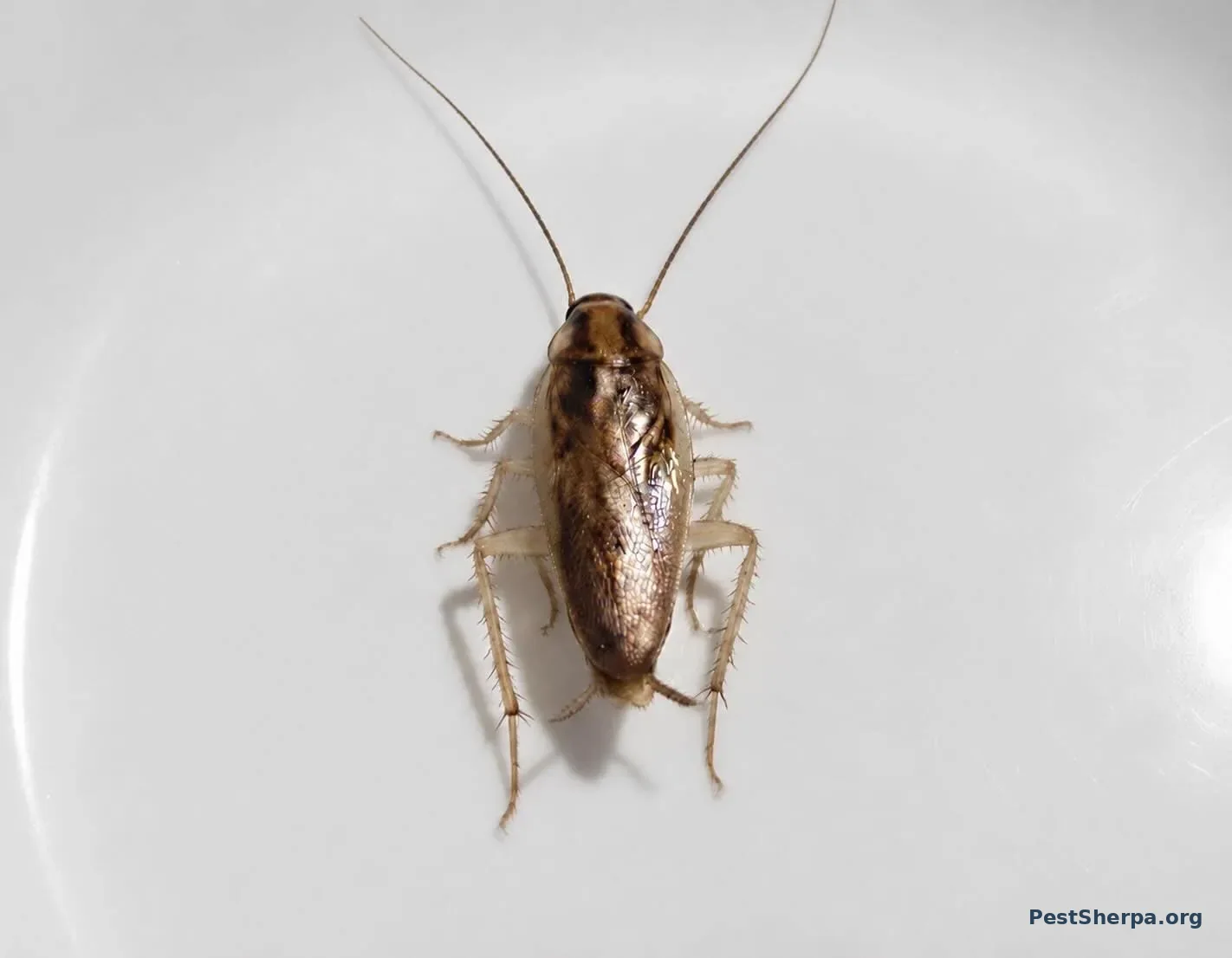
Key Points
- Misconception busted: a spotless kitchen does not rule out German cockroaches. They arrive as hitchhikers and breed in cracks and voids that routine cleaning never reaches.
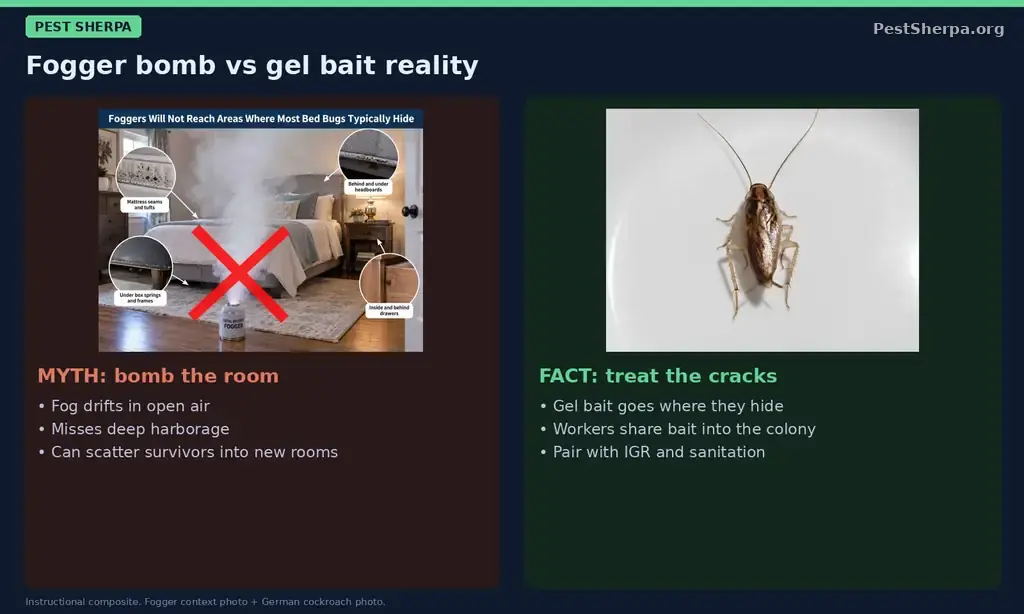
- Misconception busted: total-release foggers are not a shortcut. In practice they tend to scatter cockroaches and miss the harborages that sustain the population.
- What matters: correct species identification and the water source carry far more weight than trivia about headless survival.
- Recommended approach: identify the species, repair leaks, place bait correctly, and use the linkable facts below if you are citing this page.
In This Guide
- Why these myths cost money
- Myth: dirty house
- Fact: species decides the plan
- Myth: bombs wipe them out
- Fact: baits and IGRs
- Myth: they only need food
- Fact: allergens and asthma
- Myth: palmetto bugs are different
- Fact: nymphs mean breeding
- What to do this weekend
- When to call a pro
- Linkable facts
- FAQ
- References
Most cockroach “facts” circulating online are trivia that sound dramatic and change nothing about what happens in your kitchen on a Tuesday night. Headless survival, attraction to beer, and prehistoric timelines make for good clickbait, but they do not tell you whether the insect by the refrigerator is a German cockroach breeding in the cabinet toe-kick or an American cockroach that walked up from a sewer cleanout. After four decades in pest control, I can tell you that distinction drives nearly every decision that follows. This page is written for homeowners: the myths that waste money, the facts that change the job, and a linkable facts box you can deep-link.
Why cockroach myths cost homeowners money
The wrong mental model leads directly to the wrong products. People bleach every surface, skip bait stations, set off a fogger, and then wonder why nymphs still scatter when the lights come on. University and public health guidance consistently points to sanitation combined with targeted baits, not panic cleaning on its own. [CDC] [UC IPM] [Purdue Extension]
MISCONCEPTION
“Only dirty homes get cockroaches”
The evidence: German cockroaches are indoor breeders that arrive in grocery bags, delivery boxes, used appliances, and shared plumbing. Clean homes get them. Poor sanitation does not bring them in; it simply allows an established population to grow faster.
It is a misconception that cockroaches are a verdict on your housekeeping. The real culprits are the hitchhike and the harborage. Once that is understood, clean with purpose: crumbs, grease films, pet food, and stacks of cardboard near heat sources are what sustain them.
For species-level detail, see the German cockroach guide and the cockroach hub.
WHAT THE EVIDENCE SHOWS
Species ID decides whether you have an indoor colony or outdoor wanderers
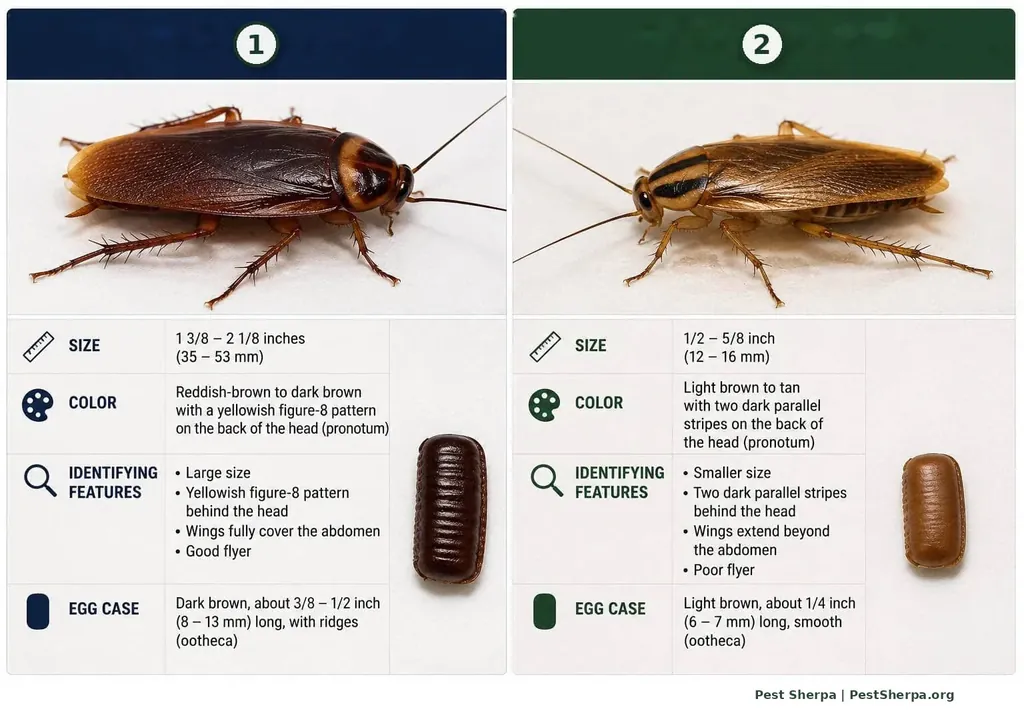
A half-inch, tan cockroach with two dark stripes behind the head is usually a German cockroach. A large, reddish-brown cockroach near a basement drain is more often an American or smokybrown species. Dark, greasy-looking cockroaches found outdoors are typically oriental.
German cockroaches indicate indoor breeding and call for a baiting program. The large outdoor species call for exclusion, moisture control, and perimeter work. Treating every “roach” the same way is how homeowners lose a month to the wrong approach.
MISCONCEPTION
“A fogger bomb will wipe them out”
The evidence: total-release aerosols do not deliver a lethal dose into the cracks, wall voids, and appliance motors where cockroaches rest. What they often do is scatter survivors into new rooms or into neighboring apartments.
When both the product label and a professional advise against a fogger for cockroaches, take that advice. A fogger also creates a false sense of having done something significant while the colony regroups out of reach. Foggers can also be dangerous, especially if a gas stove nearby has a pilot light, which can lead to an explosion.
UC IPM and other extension guides favor baits over foggers for cockroach control.
WHAT THE EVIDENCE SHOWS
Gel baits, insect growth regulators, and patience outperform heavy spraying
A modern cockroach program relies on gel bait placed in thin lines or small dots along the edges where cockroaches travel, together with insect growth regulators (IGRs), which disrupt the development of immature stages. Competing food has to be removed so that the bait becomes the most attractive meal available.
Spraying every baseboard with whatever aerosol is under the sink can repel cockroaches away from the bait you just placed. Read the label, and match the product to cockroaches rather than to “flying insects.” [UC IPM] [Purdue Extension]
MISCONCEPTION
“If I hide all the food, they will leave in a week”
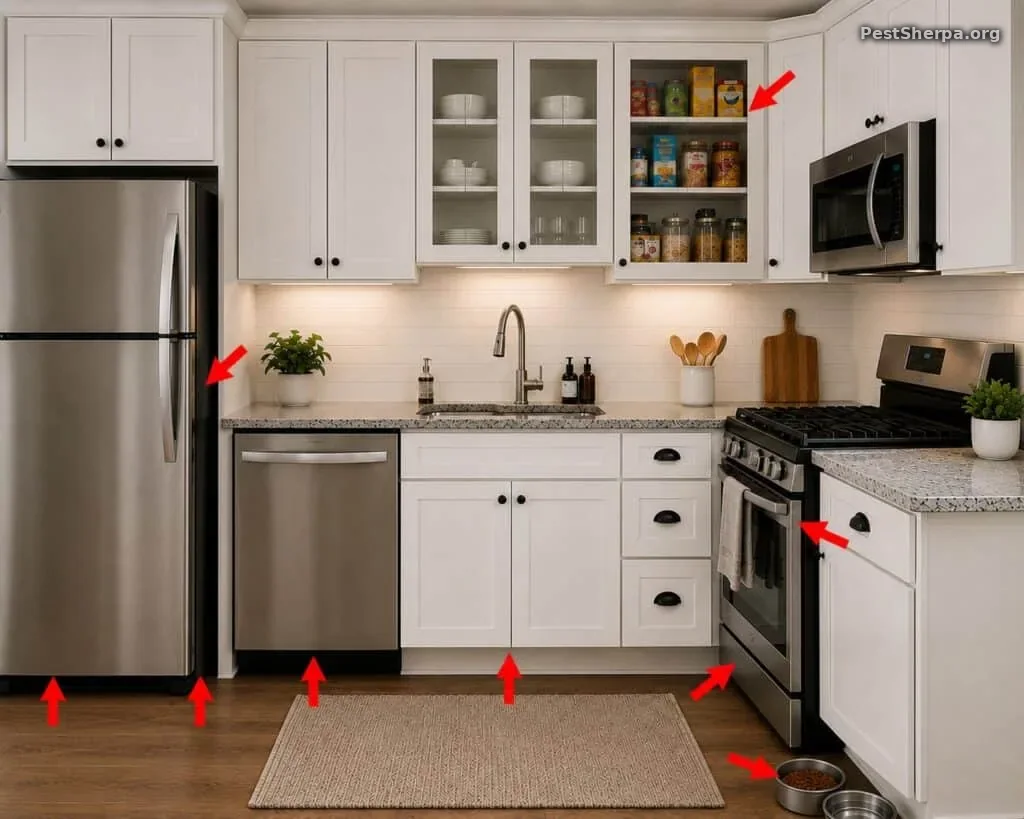
The evidence: cockroaches can endure long stretches with very little food. Water and humid harborage are what keep them going, so a dripping trap under the sink or a refrigerator drip pan matters far more than one forgotten cracker.
Continue to store food in sealed containers, but do not stop at the pantry. Repair leaks, ventilate crawlspaces, and keep bathrooms dry. Knowing that a cockroach can survive a month without food is of no use if the area behind the dishwasher kickplate stays wet.
WHAT THE EVIDENCE SHOWS
Allergens are the quiet medical reason to take roaches seriously
Cockroach droppings, shed skins, and body fragments are significant indoor triggers for asthma and allergies, and children in infested housing carry a disproportionate share of that burden. This is not alarmism; it is the public health consensus based on facts. [CDC] [EPA]
Over time, allergen levels come down through vacuuming with a HEPA-capable machine, washing surfaces, and, most importantly, reducing the population. Heavy bleaching without population control accomplishes very little.
MISCONCEPTION
“Palmetto bugs are a different, worse species”
The evidence: in Florida and much of the Southeast, “palmetto bug” is a regional nickname, usually applied to the large cockroaches that breed outdoors. It is not a separate scientific category, and it does not require a special product.
Read our page on palmetto bugs for an explanation of the regional naming, then identify the actual insect. Large outdoor cockroaches respond to exclusion and moisture work, while German cockroaches still require indoor baiting.
WHAT THE EVIDENCE SHOWS
Nymphs with adults mean the colony is producing, not just visiting
A single adult near a garage door may simply be a wanderer. Several small, wingless nymphs under the sink indicate breeding nearby. Egg cases (oothecae) glued into hidden spots are another reliable sign of an established population.
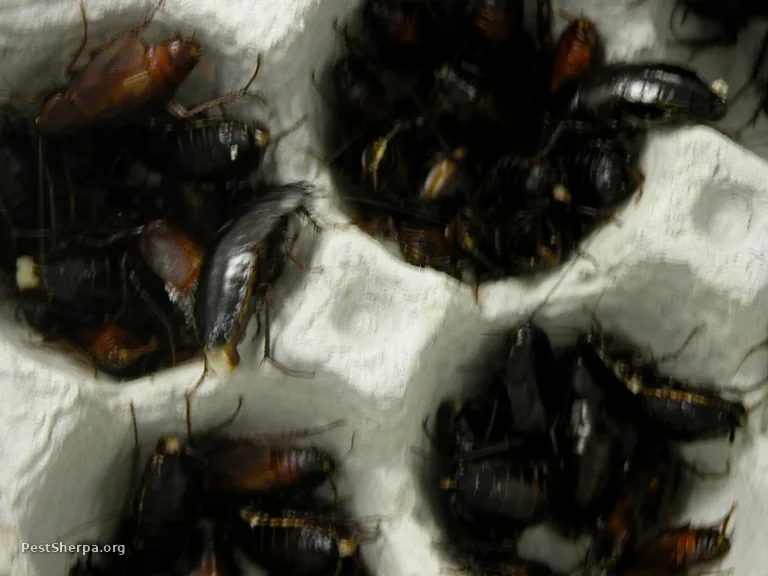
Photograph what you find before you clean it up. The species and life stage you document will shape the control plan far more than any viral “fascinating fact.”
MISCONCEPTION
“Seeing one in daytime means the house is hopeless”
The evidence: daytime sightings often indicate crowding or disturbance in the harborage. That is a serious signal, but it is a reason to escalate the plan, not a sign that the house is beyond help.
Begin a disciplined week of baiting and sanitation, inspect the appliances, and call for professional help if counts remain high. A cockroach problem can feel hopeless, but it is ultimately a numbers problem, and numbers respond to a sound program.
WHAT THE EVIDENCE SHOWS
In apartments, a neighboring unit can keep resupplying yours
Shared walls, plumbing chases, and laundry rooms allow German cockroaches to move between units. Treating one kitchen while the unit above remains untreated keeps you on a treadmill.
Document activity, notify management in writing, and request building-wide service. Your own efforts still help inside your unit, but exclusion and coordinated baiting matter more in multi-family housing.
German vs outdoor cockroaches: different jobs in the same house
Homeowners often treat every cockroach as proof that the kitchen failed a cleanliness test, and that framing overlooks the biology. German cockroaches live alongside people, favoring warm appliances, cabinet voids, and the shared plumbing of apartment buildings. The large American, smokybrown, and oriental cockroaches often breed outdoors or in sewers and wander indoors when weather, rain, or lighting draws them toward doorways.
That distinction changes both product choice and expectations. Indoor baiting programs target German cockroach harborage. Outdoor wanderers call for door sweeps, reduced exterior lighting at entries, vegetation trimmed back from the foundation, and moisture repairs at cleanouts. Spraying the middle of the kitchen floor addresses neither situation.
What “fascinating facts” get wrong for consumers
Headless survival, prehistoric timelines, and attraction to beer are loosely true trivia that do not change the decisions you make in your own kitchen. They also crowd out the points worth citing: allergen load, the ways foggers fail, and species identification. Pest Sherpa pages are written for that second category. If a fact cannot change an action, it belongs in a sidebar rather than in your control plan.
When you need a species-level discussion beyond this guide, go to the cockroach hub and the matching species page. Bring photographs of both nymphs and adults; a specimen photographed next to a coin is worth more than any verbal description.
Apartment and shared-wall tactics that actually move numbers
In multi-unit housing, your apartment can become a rest stop along a building-wide highway. Record dates and take photographs, and request coordinated service in writing. Where practical, seal the gaps around plumbing under sinks. Keep gel bait in place even when a neighbor’s unit is untreated, but understand that the risk of rebound stays high until the building’s plan improves.
Sticky monitors placed behind the stove and refrigerator give you a count you can show to management, and documented counts carry more weight than impressions. If anyone in the home has asthma, say so, because allergen reduction is part of why a prompt response matters. Hiring a licensed company still applies inside your own unit when your own efforts stall.
What to do this weekend
- Photograph every cockroach or shed skin you find, and note the room, the time, and whether it was a nymph or an adult.
- Identify the species using the cockroach hub and the individual species pages before you buy any product.
- Repair obvious leaks, empty refrigerator drip pans, and stop leaving pet food out overnight.
- Clear toe-kicks and the sides of the stove, then place cockroach gel bait according to the label along edges rather than in open areas of the floor.
- Skip the fogger and bag up cardboard clutter. Recheck activity after seven days using sticky monitors placed behind appliances.
When to call a professional (and when your own efforts are enough)
A homeowner can manage light German cockroach activity with correct baiting and removal of competing food. Call a licensed professional when nymphs continue to appear after two careful weeks, when you live in multi-unit housing, when a commercial kitchen is involved, or when asthma in the home makes speed important. Professionals are trained in methods that most homeowners do not have access to, and our guide on How to hire a licensed pest control company covers the questions worth asking before you sign anything.
Related Pest Sherpa guides: German, American, oriental, palmetto bugs, brownbanded, and smokybrown.
Linkable facts
Concise, cite-ready statements. Deep-link this box with #linkable-facts or link a single line with #lf-1 through #lf-6.
- LF1. German cockroaches breed indoors year-round, and a clean kitchen alone will not eliminate an established population.
- LF2. Cockroach allergens in droppings, shed skins, and body fragments can aggravate asthma, particularly in children.
- LF3. Gel baits combined with sanitation outperform total-release foggers, which can scatter cockroaches into new harborage.
- LF4. For short-term survival, water and humidity matter more than food, so repairing leaks reduces pressure quickly.
- LF5. American, oriental, and smokybrown cockroaches often originate outdoors and wander inside, whereas German cockroaches usually indicate indoor breeding.
- LF6. Nymphs (smaller and wingless) found alongside adults are a stronger indication of infestation than a single adult near a drain.
Suggested citation: Greg Baumann, Pest Control Expert, Pest Sherpa. “Cockroach Myths That Waste Your Time (And the Facts That Actually Matter).” https://pestsherpa.org/pest-guide/cockroaches/cockroach-myths-that-waste-your-time/ (deep-link https://pestsherpa.org/pest-guide/cockroaches/cockroach-myths-that-waste-your-time/#linkable-facts).
Frequently asked questions
Does a dirty house cause cockroaches?
Poor sanitation helps a population grow, but German cockroaches are hitchhikers. They arrive in bags, used appliances, and the shared plumbing of multi-unit buildings, so a tidy home can still get them. Sanitation matters for control, not for assigning blame.
Do cockroach bombs work?
Total-release foggers usually fail against cockroaches sheltering in cracks, and they can drive them deeper into voids or into neighboring units. Gel baits, insect growth regulators, and sealing harborage are the proven approach.
Can cockroaches survive nuclear war / without a head?
Cockroaches are resilient, not indestructible. Trivia about headless survival does not change what you should do in your kitchen. Concentrate on species identification, water sources, and correct bait placement.
Are palmetto bugs different from cockroaches?
In much of the Southeast, “palmetto bug” is a regional nickname for large cockroaches that breed outdoors, such as the American or smokybrown cockroach. It is not a separate pest.
When should I call a pro for cockroaches?
Call a professional when you see nymphs together with adults in kitchens or bathrooms, when you share walls with neighboring units, or when baits have not worked after two weeks of correct use.
Do cockroaches spread disease in homes?
They can carry pathogens on their bodies and in their droppings, and their allergens are a well-documented asthma risk. They can spread foodborne pathogens leading to foodborne illness. Treat them as a public health pest, not merely an unpleasant nuisance.
Have a question I did not cover? Send it to Ask the Sherpa.
References
- CDC: Controlling Asthma (Cockroaches and Other Pests)
- EPA: Cockroaches and Schools (allergens)
- UC IPM: Cockroaches Pest Notes
- Purdue Extension: Cockroaches
This article was written by Greg Baumann, founder of Pest Sherpa, and reflects more than 40 years of professional pest management experience.
About the Author

Greg Baumann | Pest Control Expert
Greg Baumann is the founder of Pest Sherpa and a Pest Control Expert with more than 40 years of professional pest management experience. His articles combine decades of field experience, technical expertise, and science-based guidance to help homeowners identify pests correctly, understand real-world risks, and make informed pest management decisions.
Mission: Identify the pest. Understand the risk. Stop the problem. Prevent the comeback. Know when it’s time to call a professional.