
Firebrats: Identification, Damage, Heat Sources, and What To Do
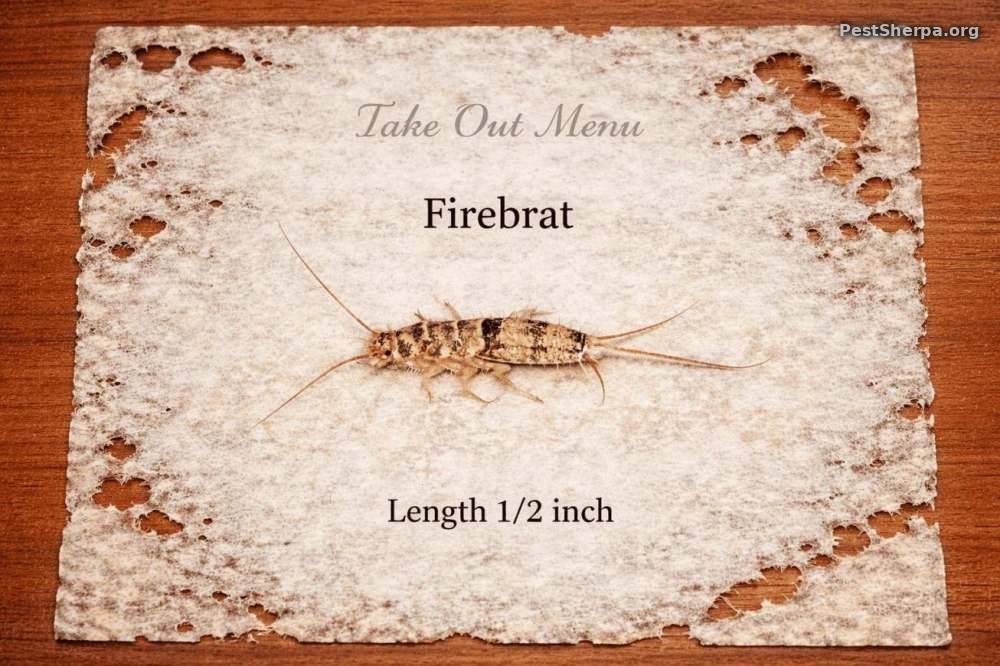
Firebrats are small, fast-moving insects that look a lot like silverfish but usually point to a different problem: heat. They are primitive, wingless insects in the order Zygentoma, family Lepismatidae, and the species most often associated with buildings is Thermobia domestica.
Firebrats do not bite, sting, or spread disease to people. They are nuisance pests because they feed on starchy and protein-containing materials such as paper, book bindings, wallpaper paste, cardboard, fabrics, stored foods, pet food, and dead insects.
The key to understanding firebrats is their habitat. While silverfish usually suggest moisture, firebrats are most often found in warm, dark, protected areas near furnaces, boilers, fireplaces, hot water pipes, ovens, water heaters, attics, or heated wall voids.
This guide explains how to identify firebrats, where they hide, what damage they can cause, how to inspect for them, what helps reduce activity, and when a more detailed inspection may be worth considering.
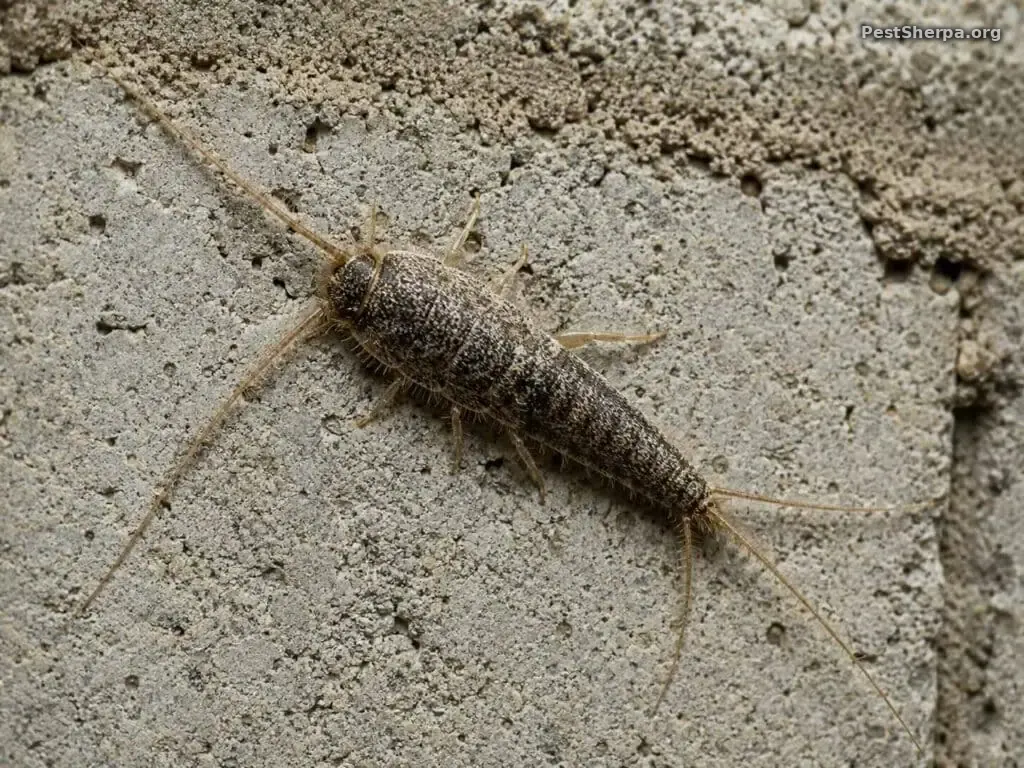
Adult firebrat with mottled gray-brown body, long antennae, and three tail filaments.
TL;DR
Firebrats are silverfish-like insects that prefer very warm, hidden areas. Seeing one firebrat does not automatically mean a major infestation, but repeated sightings near furnace rooms, hot water pipes, attics, fireplaces, or warm wall voids suggest that conditions nearby may be supporting them. Some publications list preferred temperature as about 100 degrees F. and high humidity.
The most useful next steps are to confirm the insect, inspect warm hidden areas, reduce clutter and starchy food sources, improve ventilation where possible, seal cracks and utility gaps, and use traps or monitoring to find activity zones. Pesticides are not always necessary and work best only after the source areas are identified.
Quick Navigation
- What Firebrats Mean in Your Home
- Firebrat Identification
- Firebrats vs. Silverfish
- Where Firebrats Hide
- Life Cycle and Seasonal Activity
- Feeding Habits and Damage
- Firebrat Source Investigation Checklist
- What To Do
- What Does Not Work Well
- How Long Firebrats Last
- When Professional Help May Be Needed
- Lookalikes and Common Misidentifications
- Frequently Asked Questions
- References
What Firebrats Mean in Your Home
Firebrats are often a clue that a warm, protected area of the building is providing the right conditions for them to survive. They are especially associated with heat sources and dark spaces that are rarely disturbed.
| What You See | What It Usually Means |
|---|---|
| One firebrat | May be an isolated indoor wanderer or a sign of a nearby warm hiding place |
| Repeated sightings near heat sources | Likely activity zone nearby |
| Firebrats in a furnace room, attic, or utility area | Warm concealed habitat may be supporting them |
| Damage to paper, cardboard, or starched fabrics | Possible feeding activity from firebrats, silverfish, or other material pests |
| Firebrats in stored foods | Inspect packaging, shelves, pet food, and nearby cracks for food debris and activity |
Expert Insight: Firebrats are not usually a health emergency. The bigger issue is finding the warm, hidden location where they are living and removing the food, shelter, heat, or access that is supporting them.
Firebrat Identification: What Firebrats Look Like
Firebrats have a flattened, tapered, “fish-like” body shape. Adults are usually about 1/2 inch long, though size can vary. Their bodies are covered with scales and are typically mottled gray, brown, or tan rather than shiny silver.
- Long, flattened, wingless body
- Mottled gray-brown or tan coloration
- Two long threadlike antennae at the front
- Three long bristle-like filaments at the rear
- Fast, darting movement when disturbed
- Usually found in dark, warm, protected areas
Firebrats are nocturnal, so people often notice them when a light is turned on in a warm room and the insect quickly runs into a crack, gap, baseboard edge, or utility opening.
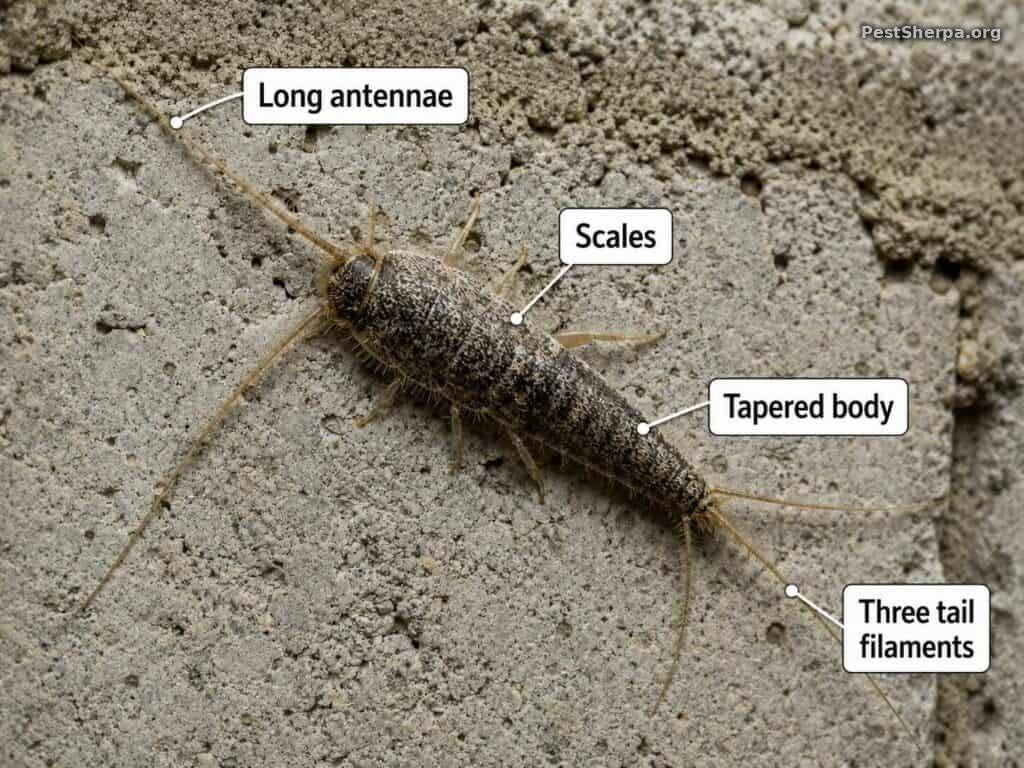
Firebrat identification diagram showing antennae, scales, flattened body, and three tail filaments.
Firebrats vs. Silverfish
Firebrats and silverfish are closely related and can be easy to confuse. The fastest practical clue is location: firebrats prefer hotter places, while silverfish are more strongly associated with moisture and cooler humid areas.
| Feature | Firebrat | Silverfish |
|---|---|---|
| Color | Mottled gray-brown with dark patches | Silvery, gray, or pearl-gray |
| Body | Flattened, tapered, scaly | Flattened, tapered, scaly |
| Tail filaments | Three long bristles | Three long bristles |
| Typical indoor clues | Furnaces, boilers, fireplaces, ovens, hot pipes, warm attics | Bathrooms, basements, laundry rooms, closets, damp storage areas |
| Main condition to investigate | Heat plus hiding places | Moisture plus hiding places |
If the insect is shiny silver and appears mostly in damp locations, compare it with the silverfish guide. If it is mottled and repeatedly appears near heating equipment, firebrats are more likely. While silverfish prefer warm and humid areas, firebrats prefer hot areas with humidity.
Where Firebrats Hide
Firebrats thrive in warm, protected places. Indoors, they are most often found near heat-producing equipment or in voids that stay warm for long periods.
- Furnace rooms
- Boiler rooms
- Water heater closets
- Areas around hot water pipes
- Fireplaces and hearth areas
- Ovens, commercial kitchens, and bakery areas
- Warm attics during hot weather
- Insulated wall voids and utility chases
- Storage areas with cardboard, paper, or food debris near heat
Because many of these areas are hidden, firebrat activity can persist before anyone notices. Repeated sightings in the same room often mean the insect is emerging from a nearby crack, baseboard gap, wall void, cabinet void, or utility penetration.
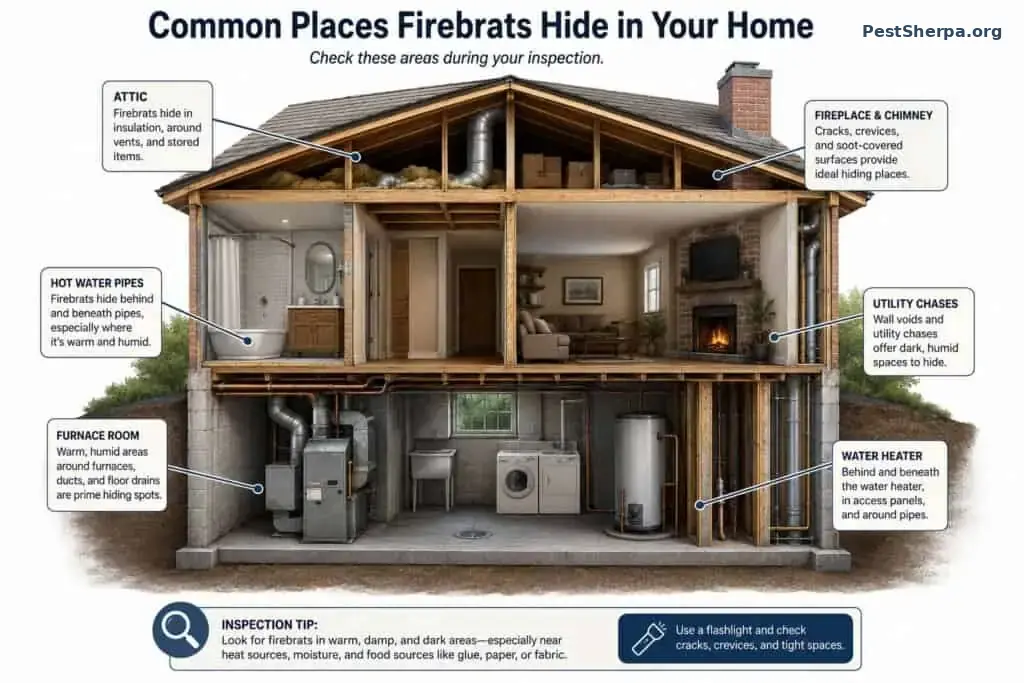
House diagram showing common firebrat hiding places near heat sources.
Life Cycle and Seasonal Activity
Firebrats develop through incomplete metamorphosis. Young firebrats resemble smaller versions of adults rather than passing through a caterpillar-like or pupal stage.
Egg → Nymph → Adult
Eggs
Females place eggs in protected cracks, crevices, gaps, or other hidden areas near food and shelter. In warm conditions, eggs can hatch within a few weeks, but development varies with temperature, humidity, and food availability.
Nymphs
Newly hatched nymphs look like pale, smaller adults. As they grow, they molt repeatedly and gradually develop darker coloration and body scales.
Adults
Firebrats are relatively long-lived compared with many household pests. They can continue molting after reaching adulthood, which is unusual for insects and helps explain why shed skins may be found where they are active.
Indoor activity can occur year-round when warm areas remain available. In homes, sightings may increase when heating systems are running or when attics and utility spaces become hot enough to support activity.
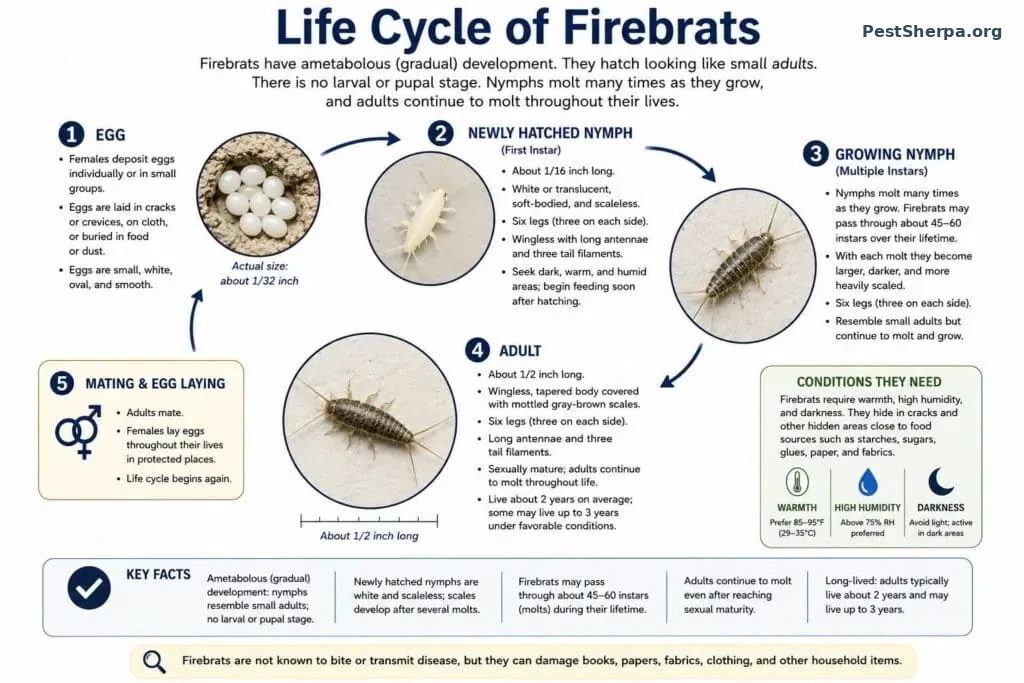
IFirebrat life cycle showing egg, nymph, and adult stages.
Feeding Habits and Damage
Firebrats feed on a wide range of materials, especially those containing starches, carbohydrates, or proteins. Their feeding damage is usually cosmetic or material-related rather than structural. In general, firebrats do not prefer woolens.
- Paper, cardboard, and book bindings
- Wallpaper paste and adhesives
- Starched fabrics, linens, and some clothing
- Stored foods such as flour, cereals, and grains
- Pet food and dried food residue
- Dead insects and organic debris
Damage may appear as irregular scraping, small holes, notched edges, surface etching, or yellowish staining on paper and fabrics. In stored-food areas, firebrats can be part of a broader pantry-pest problem, so it may also be useful to compare signs with pests such as merchant grain beetles, red flour beetles, or Indianmeal moths.
Firebrats do not eat wood framing and are not considered structural pests. However, they can damage books, archives, paper collections, textiles, packaging, and stored foods if conditions support a persistent population.
Firebrat Source Investigation Checklist
Because firebrats hide during the day, the best inspection starts with where they are seen and then works outward toward heat, food, and shelter.
Step 1: Confirm the Room and Pattern
Write down where sightings occur. Repeated sightings in the same room are more useful than one random sighting because they may point to a nearby hiding place.
Step 2: Check Heat Sources
Inspect around furnaces, boilers, water heaters, fireplaces, ovens, hot water pipes, mechanical rooms, and warm attic spaces. Look along baseboards, pipe penetrations, access panels, insulation edges, and gaps behind stored items.
Step 3: Check Food and Clutter Sources
Look for cardboard, old paper, book stacks, food debris, spilled pet food, cereal dust, flour residue, dead insects, and rarely disturbed storage boxes near warm areas.
Step 4: Look for Evidence
- Fast-moving insects at night
- Shed skins or scales
- Small irregular holes in paper or fabrics
- Scraping marks on paper, cardboard, or packaging
- Activity near hot pipes, furnace rooms, or wall voids
Step 5: Use Monitoring
Sticky traps placed along walls, behind appliances, near utility penetrations, and around warm storage areas can help identify the most active zones. Monitoring is especially useful when insects are seen only occasionally.
What To Do About Firebrats
1. Confirm the Identification
Check for the flattened, tapered body, mottled gray-brown color, long antennae, and three tail filaments. If the insect is shiny silver and found in damp places, compare it with silverfish.
2. Find the Warm Activity Zone
Focus on heated rooms, pipe chases, furnace areas, fireplaces, boiler rooms, attics, and wall voids. The insects you see may be wandering away from the main hiding place.
3. Remove Food and Harborage
Reduce cardboard storage, old paper piles, food crumbs, spilled pet food, dead insects, and clutter around warm areas. Store dry foods and pet foods in tight containers.
4. Seal Cracks and Utility Gaps
Seal accessible cracks, baseboard gaps, pipe penetrations, and openings around utility lines where firebrats may hide or move between voids and living spaces.
5. Improve Ventilation Where Practical
Where it can be done safely, improving airflow and reducing excessive heat buildup in storage, mechanical, or attic spaces can make conditions less favorable.
6. Use Traps for Monitoring
Sticky traps will not usually solve a hidden infestation by themselves, but they can show where activity is strongest and whether changes are reducing the population.
7. Use Pesticides Carefully, If Needed
Pesticides are not always necessary for firebrats. If a product is used, it should be labeled for the pest and location, and the label directions should be read and followed exactly. Avoid applying products around food, dishes, children’s items, pet areas, air vents, or heat-producing equipment unless the product label specifically allows that use.
What Does Not Work Well
- Only killing the insects you see without finding the warm hiding area
- Using foggers or “bug bombs” for insects hiding deep in cracks and voids
- Spraying random baseboards without confirming activity zones
- Leaving cardboard, paper, food debris, or pet food near warm areas
- Assuming every silverfish-like insect is caused by moisture alone
Firebrat control works best when inspection, sanitation, exclusion, heat/moisture correction, and targeted monitoring are combined.
How Long Will Firebrats Last?
Firebrats can persist as long as a warm, protected habitat remains available. If the activity is coming from a small, accessible source area, sightings may decline after food, clutter, and hiding places are corrected. If they are established in wall voids, attic spaces, insulation, or mechanical areas, activity can continue for longer and may appear in waves.
| Situation | Expected Pattern |
|---|---|
| One isolated firebrat | May not lead to ongoing activity |
| Warm room with clutter and food debris | Activity may continue until conditions are corrected |
| Hidden void or attic population | Sightings may persist or appear in waves |
| Source areas found and corrected | Activity should gradually decline |
| Pesticides used without source correction | Temporary reduction is possible, but recurrence is more likely |
When Professional Help May Be Needed
Many small firebrat problems can be investigated with careful inspection, cleanup, monitoring, and sealing. A professional inspection may be worth considering when the source cannot be found or when activity suggests insects are living in hidden structural areas.
- Firebrats keep appearing after cleanup and sealing
- Activity is concentrated near wall voids, utility chases, or attic areas
- There is damage to valuable books, archives, stored goods, or textiles
- Firebrats are appearing in commercial kitchens, bakeries, storage rooms, or food-handling areas
- You are unsure whether the insect is a firebrat, silverfish, pantry pest, or fabric pest
A good inspection should identify where the insects are active, what conditions are supporting them, and what non-chemical corrections should come before any targeted treatment.
Lookalikes and Common Misidentifications
Firebrats are most often confused with silverfish, but their feeding damage may also be mistaken for pantry pests, carpet beetles, or other insects that damage stored products or household materials.
| Possible Lookalike or Related Pest | Key Difference |
|---|---|
| Silverfish | Usually shinier and more associated with damp, cooler humid areas |
| Booklice | Much smaller, soft-bodied, and usually associated with mold or damp materials |
| Varied Carpet Beetle | Beetle larvae can damage fabrics but do not have three long tail filaments like firebrats |
| Indianmeal Moth | Stored-food pest with larvae and webbing in pantry products, not a fast-running bristletail |
| Merchant Grain Beetle | Small beetle associated with stored foods; body shape is not tapered with three tail filaments |
Frequently Asked Questions
Do firebrats bite people?
No. Firebrats do not bite or sting people. They are nuisance pests because they can feed on paper, fabrics, stored foods, adhesives, and other household materials.
Do firebrats mean my house is dirty?
No. Firebrats mainly need warmth, hiding places, and food sources such as paper, cardboard, crumbs, adhesives, or organic debris. Clutter and food residue can make a problem worse, but their presence is not simply a cleanliness issue.
Why do I see firebrats near my furnace or water heater?
Firebrats prefer very warm, dark, protected areas. Furnace rooms, water heater closets, boiler rooms, and hot pipe chases can provide the heat and shelter they need.
Are firebrats the same as silverfish?
No. They are closely related and look similar, but firebrats are usually mottled gray-brown and prefer hotter areas. Silverfish are often shinier and more associated with damp areas.
Will firebrats go away on their own?
Sometimes isolated sightings stop on their own. Ongoing activity usually continues until the warm hiding area, food source, clutter, or access points are corrected.
Should I use a fogger for firebrats?
Foggers are usually a poor fit for firebrats because these insects hide in cracks, voids, and protected areas where fog may not reach well. Inspection, source correction, sealing, monitoring, and carefully targeted treatment are more useful.
References
- Clemson Cooperative Extension: Silverfish & Firebrats
- University of California Statewide IPM Program: Silverfish and Firebrats
- Penn State Extension: Bristletails: Silverfish and Firebrats
- University of Missouri Extension: Silverfish and Firebrats
- Virginia Cooperative Extension: Silverfish and Firebrats
This article was written by Greg Baumann, founder of Pest Sherpa, and reflects more than 40 years of professional pest management experience.
About the Author

Greg Baumann | Pest Control Expert
Greg Baumann is the founder of Pest Sherpa and a Pest Control Expert with more than 40 years of professional pest management experience. His articles combine decades of field experience, technical expertise, and science-based guidance to help homeowners identify pests correctly, understand real-world risks, and make informed pest management decisions.
Mission: Identify the pest. Understand the risk. Stop the problem. Prevent the comeback. Know when it’s time to call a professional.