
Moisture Pest Guide: Identification, Risk, and What to Do
Moisture pests are arthropods and mollusks people usually ignore outdoors but notice indoors: earwigs, silverfish and firebrats, centipedes and millipedes, pillbugs and sowbugs, springtails, snails and slugs, and the occasional ground beetle. Most are nuisance visitors or moisture indicators, not structural destroyers. Cornell IPM puts it plainly: the moisture is the problem, and the pests are often the symptom. Dry the space, reduce harborage, and seal entry first; spraying alone rarely lasts.
Damp kitchens can draw more than millipedes and sowbugs. Fast, flat insects at night around plumbing are often cockroaches.
TL;DR: Dry It Out, Then Exclude
- Moisture first. Keep indoor RH under 60%, ideally 30 to 50% (Cornell citing EPA). Dehumidify, fix leaks, improve drainage, and pull wet mulch off the foundation.
- Most groups are temporary indoors unless dampness continues: earwigs, millipedes, pillbugs, sowbugs, springtails, snails/slugs, and ground beetles usually wander in and fail in dry rooms.
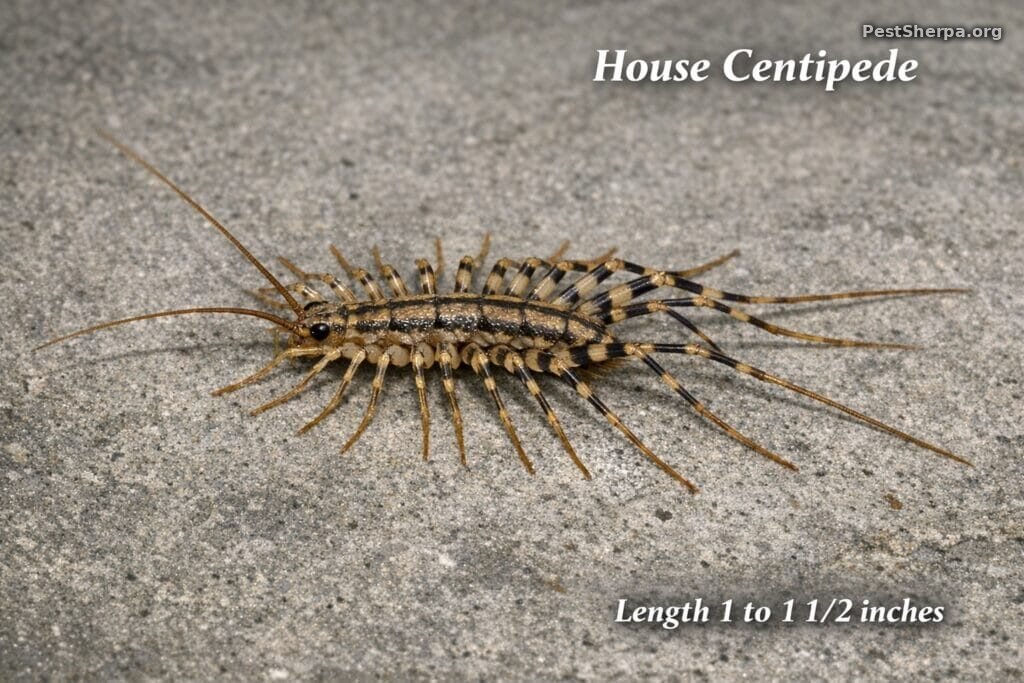
- Silverfish and firebrats can establish and breed indoors when humidity, harborage, and starch/paper food persist. House centipedes can also live and reproduce in moist basements with prey.
- Ground beetles are beneficial predators. Leave them alone or relocate outdoors; never kill-target them.
- IPM order: moisture → exclusion → sanitation → traps/removal → pesticides last, label only.
Start here based on what you’re seeing:
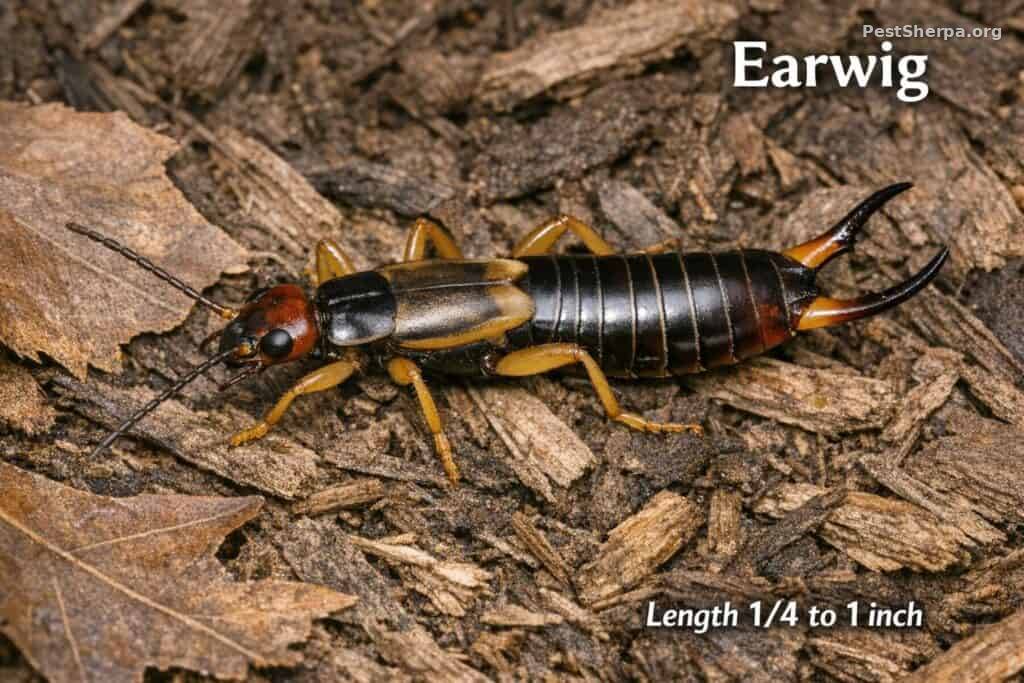
- Forceps-like pincers at the rear (earwig)
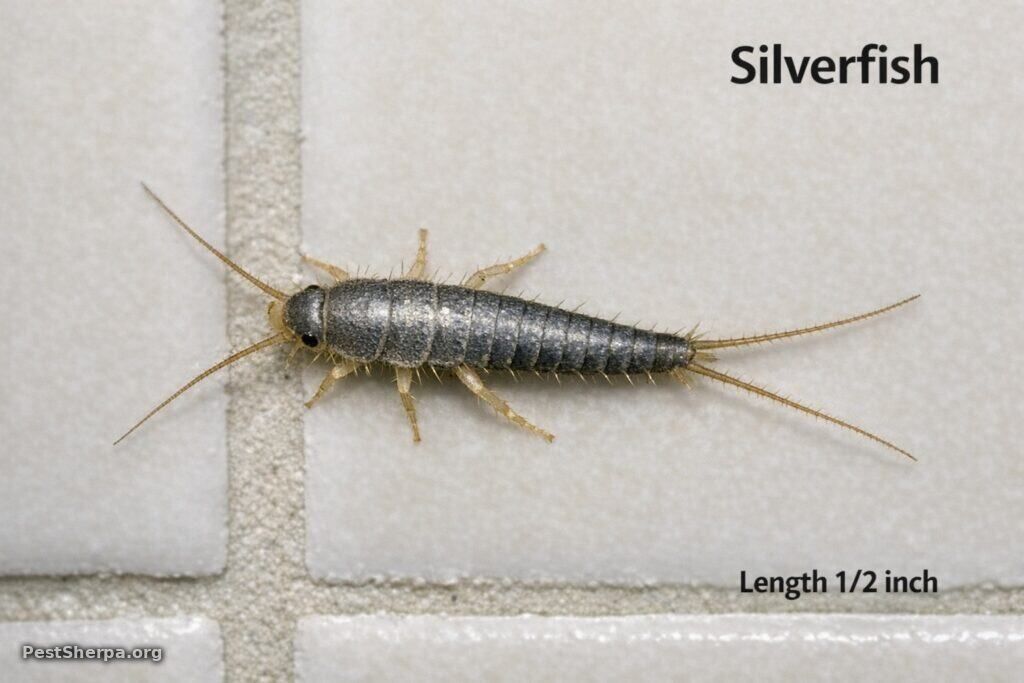
- Shiny silver, three tail filaments in cool damp rooms (silverfish)
- Mottled gray-brown near furnaces, ovens, or hot pipes (firebrat)
- Fast and flattened; one pair of legs per segment (centipede)
- Slow, cylindrical, often curls; two pairs of legs on most segments (millipede)
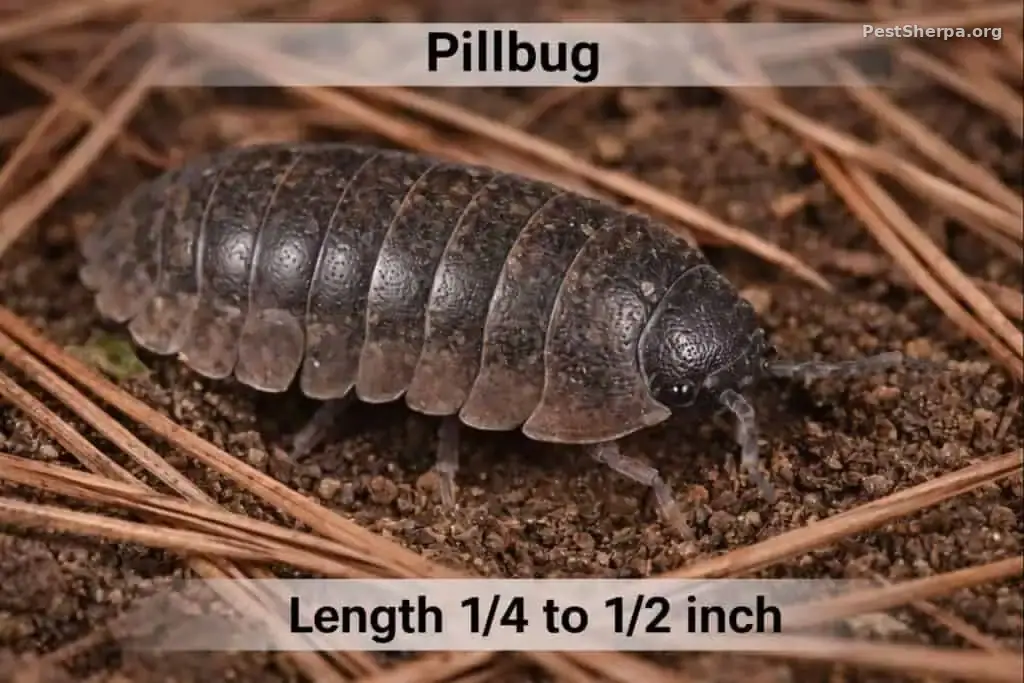
- Oval crustacean that rolls into a ball (pillbug)
- Like a pillbug but cannot roll; rear appendages visible (sowbug)
- Tiny jumping specs in sinks, tubs, or wet soil (springtails)
- Spiral shell and silvery slime trails (snails)
- Soft body, no external shell; slime trails (slugs)
- Shiny black beetle that wandered in (ground beetle: beneficial)
Moisture Pest Species Guides
- Earwigs
- Firebrats
- Silverfish
- Centipedes
- Millipedes
- Pillbugs (roly-polies)
- Sowbugs
- Springtails
- Snails
- Slugs
- Ground beetles (Carabidae)
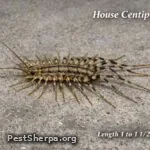
Centipedes in the House: Identification, Moisture, and What to Do
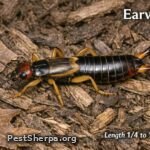
Earwigs: Identification, Causes, and What To Do
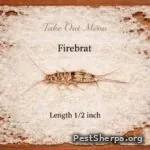
Firebrats: Identification, Damage, Heat Sources, and What To Do
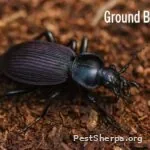
Ground Beetles: Identification, Benefits, and Indoor Prevention
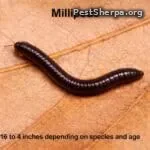
Millipedes in the House: Identification, Causes, and What to Do
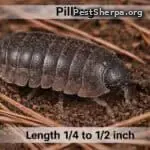
Pillbugs / Roly-Polies: Identification, Moisture, and What to Do
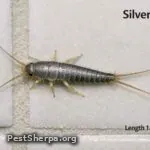
Silverfish: Identification, Signs, Moisture Sources, and What to Do
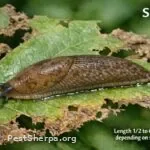
Slugs: Identification, Slime Trails, Plant Damage, and What To Do

Small Household Snails: Identification, Slime Trails, and What to Do
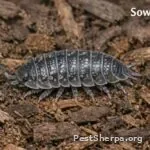
Sowbugs: Identification, Why They Show Up, and What Helps
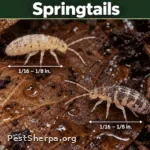
Springtails in the House: Identification, Moisture, and What to Do
How to Identify Moisture Pests
Match the broad group, then open the species page. Earwigs show forceps-like cerci at the rear. Silverfish are shiny silver-gray and carrot-shaped with three tail filaments; firebrats are mottled gray-brown with the same plan but favor very warm sites: furnaces, ovens, hot-water pipes, summer attics. Centipedes are flattened and fast (one pair of legs per segment); millipedes are cylindrical, slower, and often curl (two pairs on most segments). Pillbugs roll into a ball; sowbugs cannot and show rear appendages. Both are crustaceans with seven pairs of legs. Springtails are tiny (~1/16 in), jump with a furcula, and do not bite. Snails have an external spiral shell; slugs do not; both leave silvery slime trails. Ground beetles are typically shiny black outdoor predators that wander indoors by accident.
Why Moisture Matters
Here Risk means nuisance and a moisture signal far more often than structural loss. Cornell notes that for the most part moisture pests are a nuisance; Illinois DPH frames occasional invaders as mainly annoying. Outdoor plant feeding (earwigs on seedlings or soft fruit; snails and slugs on foliage; occasional isopod feeding where produce touches soil) stays secondary. This hub is not pantry IPM and not a fabric-pest hub, even though silverfish and firebrats may nibble starch, paper, glue, or dry foods when they live indoors.
Indoor establishment differs by group. Silverfish and firebrats can establish and breed indoors when humidity, harborage, and food persist. House centipedes can live and reproduce in moist basements and bathrooms where prey is plentiful; they are beneficial predators. Most other groups are temporary: earwigs do not practically establish indoors; millipedes, pillbugs, and sowbugs typically fail without continuous dampness; springtails usually die indoors unless they find moisture; snails and slugs are mainly outdoor garden mollusks; ground beetles do not reproduce indoors.
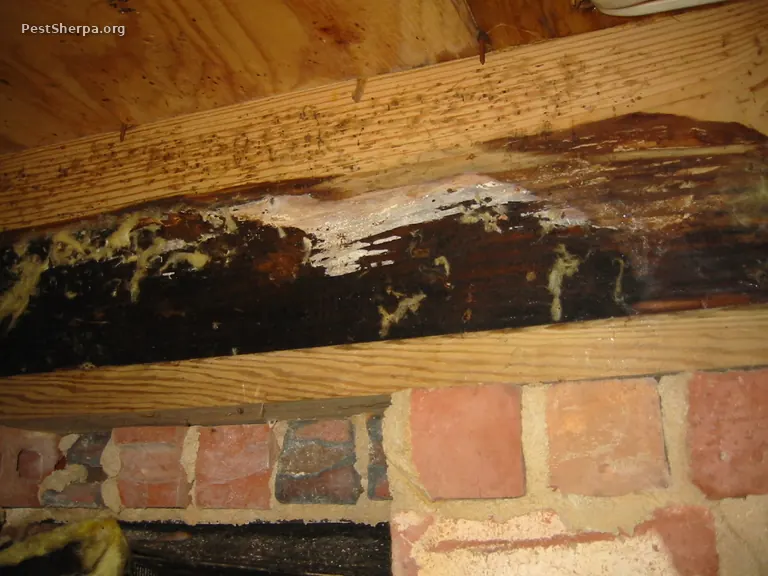
Firebrat humidity: attribute both. UC Pest Notes 7475 describes firebrats in very warm, dry places with RH as low as about 30% (optimum roughly 98 to 102°F). Maryland Extension and NPIC describe very warm, moist places. Shared practical cue: hot appliances, pipes, and attics. Do not force a single RH number.
Signs / Where to Look
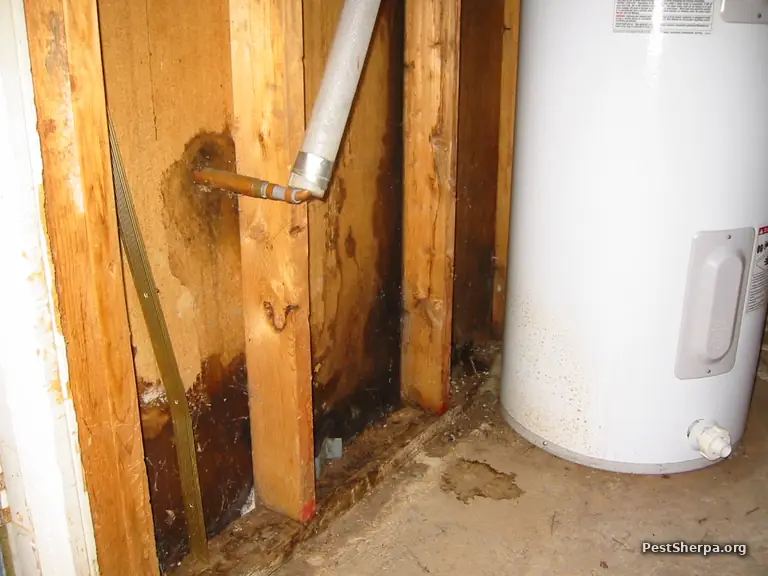
Check unfinished basements and dirt-floor crawl spaces; laundry rooms and under sinks; bathrooms; overwatered houseplants; mulch, boards, and pots against the foundation; clogged gutters and downspouts at the wall; wood piles beside siding. Common notices: invaders after rain or outdoor drought/heat; springtails in sinks; silverfish in bathrooms; millipedes or pillbugs dying on floors; slime trails; musty odor or condensation; the same organisms returning after individuals are killed: untreated moisture or entry remains.
What To Do
1. Moisture control first
- Dehumidify; target under 60% RH, ideally 30 to 50%.
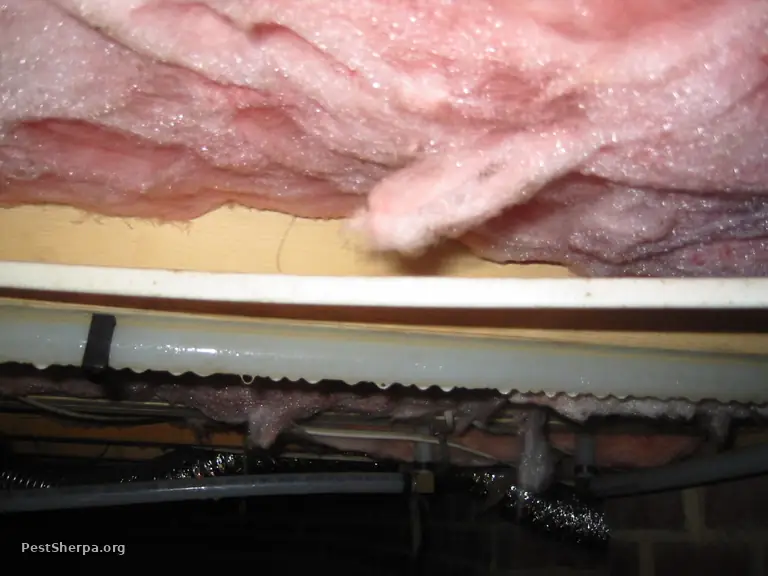
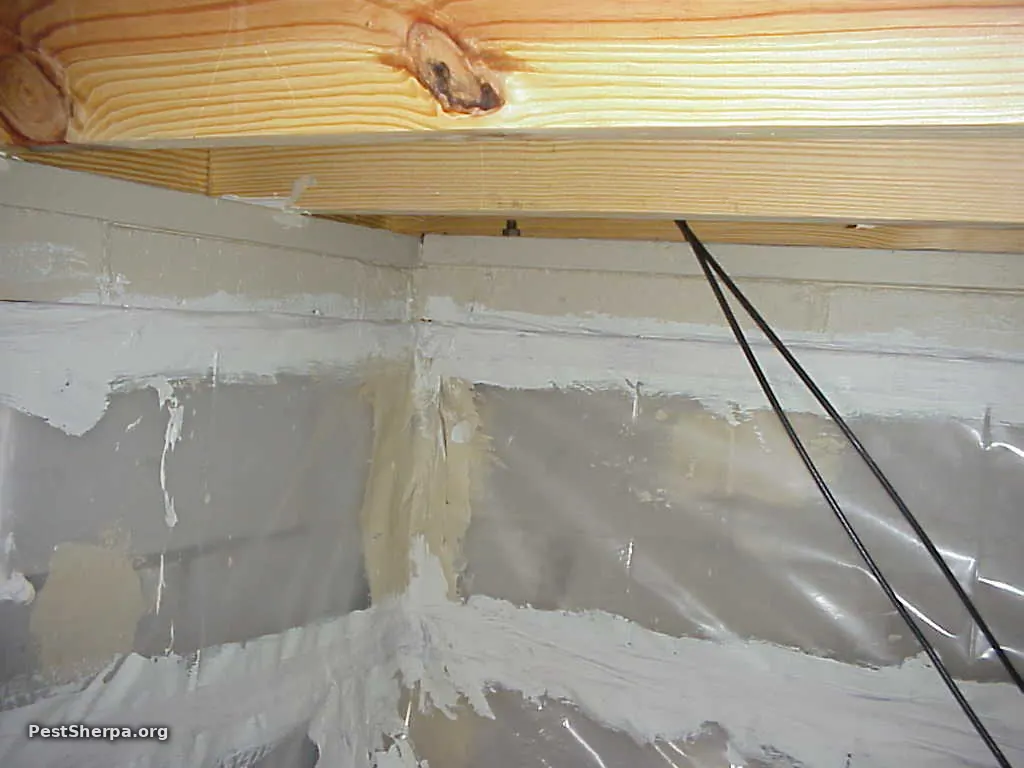
- Fix leaks and sweating pipes; ventilate crawl spaces/basements; vapor barriers on dirt floors where appropriate.
- Grade away from the foundation; clear gutters; extend downspouts.
- Morning irrigation; avoid constantly wet mulch and pots.
- Pull organic mulch off the foundation. Buffer width guidance varies: Cornell ~18 to 36 in crushed stone; Illinois 2 to 4 ft inorganic band; commonly about ~1.5 to 4 ft.
2. Exclusion
- Seal foundation cracks and gaps at pipes, windows, and vents.
- Door sweeps, weather stripping, repaired screens.
- Tone down bright exterior lights that attract night-active earwigs, ground beetles, and springtails.
3. Sanitation and harborage
- Move wood piles, boards, pots, and dense groundcover away from walls.
- Reduce cardboard and paper stacks that shelter silverfish (moisture/harborage framing, not pantry IPM).
- Vacuum indoor wanderers; empty the vacuum outdoors.
4. Traps and mechanical removal
- Earwigs: oil traps or rolled newspaper/cardboard; empty into soapy water (UC IPM).
- Silverfish/firebrats: sticky traps; tape-rimmed glass jars (UC; NPIC).
- Snails/slugs: handpick at night; board traps; yeast/beer pitfalls. Do not salt. Copper barriers (UC).
- Springtails: vacuum; wash drains, never pour insecticides down drains.
- Ground beetles: relocate outdoors. Do not kill-target.
5. Pesticides last
Chemicals fail long-term if moisture and harborage remain. Indoor sprays are generally not recommended for earwigs; springtails often need none. Perimeter treatments for mass migrations are sometimes discussed by Illinois DPH. Many homeowners leave chemicals to a licensed pro. Snail/slug baits appear in extension guidance with pet and child cautions; follow the label. Never aim insecticides at ground beetles.
What Fails
- Killing individuals while leaks, wet mulch, or high humidity remain.
- Spraying silverfish/firebrats without dehumidifying and removing moist harborage.
- Pouring insecticide down drains for springtails.
- Salting snails and slugs (soil salinity damage).
- Kill-targeting ground beetles or house centipedes.
- Mixing this cluster with overwintering invaders (boxelder bugs, stink bugs, Asian lady beetles, cluster flies).
When to Call a Professional
- Chronic or hidden moisture you cannot locate. Pests return until it is fixed.
- Widespread indoor silverfish or firebrat establishment after humidity and sanitation work.
- Persistent house centipedes tied to ongoing prey plus moisture.
- ID uncertainty among multi-legged arthropods.
- Mass migrations if exclusion is insufficient and pesticides are under consideration.
- Mold or structural moisture health concerns: may need moisture/building professionals beyond pest control.
Common MisIDs
- Centipede vs millipede: 1 vs 2+ leg pairs per segment; fast/flat vs slow/cylindrical; coil behavior. Full millipede ID with photos: Millipedes in the House.
- Pillbug vs sowbug: rolls vs cannot; smooth rear vs appendages.
- Silverfish vs firebrat: silver-gray cool/damp vs mottled hot sites.
- Springtails vs fleas: springtails do not bite; moisture is the clue.
- Snail/slug damage: silvery slime trails (vs caterpillar or earwig feeding).
References
- Cornell IPM: Moisture Pests
- Illinois Department of Public Health: Occasional Invaders
- UC IPM Pest Notes 7475: Silverfish and Firebrats (PDF)
- UC IPM: Centipedes and Millipedes
- UC IPM: Earwigs
- UC IPM: Springtails
This article was written by Greg Baumann, founder of Pest Sherpa, and reflects more than 40 years of professional pest management experience.
About the Author

Greg Baumann | Pest Control Expert
Greg Baumann is the founder of Pest Sherpa and a Pest Control Expert with more than 40 years of professional pest management experience. His articles combine decades of field experience, technical expertise, and science-based guidance to help homeowners identify pests correctly, understand real-world risks, and make informed pest management decisions.
Mission: Identify the pest. Understand the risk. Stop the problem. Prevent the comeback. Know when it’s time to call a professional.