
Bed Bug Guide: Identification, Prevention, and What to Do
Bed Bug Guide: Identification, Prevention, and What to Do (Including Hotel Inspection Tips)
Updated for accuracy and real-world use: This guide reflects current best practices for identifying, inspecting, and managing bed bugs. It focuses on what actually works in real infestations, how cases begin and spread, and how homeowners can avoid the most common and costly mistakes.
Bed bugs are one of the most misunderstood household pests. They are not caused by poor hygiene, and they are rarely discovered the way people expect. Most infestations begin quietly, often after travel or bringing items into the home, and are first detected by subtle evidence rather than visible insects. This guide is built to help you correctly identify bed bugs, understand where they hide and how they spread, and take the right next steps without making the problem harder to control.
What this means right now
As of November 5, 2026: Bed bugs are not a poverty problem. In a new study in Parasites and Vectors, Virginia Tech entomologist Warren Booth and Cari Lewis of Los Alamos National Laboratory mapped infestations against demographic data in metro areas of Illinois, Oklahoma, and Ohio (Virginia Tech News). They found reservoir populations, bed bugs that hang on over time and seed new infestations, across every income level. Those reservoirs are linked by how people and their belongings move around, much like disease spreads. That is why treating one apartment while the units next door go untreated keeps failing: the bugs travel through wall voids and come right back. Booth’s answer is a coordinated approach that inspects and treats connected units at the same time. If you share walls, tell your landlord early and push for neighboring units to be checked too. My apartments guide covers how.
TL;DR
Short answer: Bed bugs are small, flat, reddish-brown insects that hide near where people sleep and feed at night. They travel on luggage, used furniture, bedding, and clothing, not dirt. Confirm them by evidence such as dark fecal spots, shed skins, eggs, or live bugs in seams, not by bites alone. Then bag and heat-dry fabrics, encase the bed, skip the foggers, and bring in a licensed pro if signs show up in more than one room or keep coming back.
Quick Access:
Identification | Why It Matters | Signs | Lookalikes | Hiding Spots | Hotel Inspection | Prevention | What To Do | Treatment | When to Call a Pro | Pro Visit | Cost | References
Bed bugs hiding in mattress seam with black fecal spotting is real-world evidence users should look for instead of live bugs
One of the most important things to understand is that people rarely discover bed bugs by seeing them out in the open. In early infestations, the insects stay hidden during the day and only emerge briefly to feed. That means the first signs are almost always evidence, not the bugs themselves.
- Look for evidence, not just bugs: Focus on black fecal spotting, shed skins, and small clusters in seams and cracks. These are far more reliable than trying to spot a live insect.
- Check seams and headboards first: The highest-probability locations are mattress seams, tags, and especially headboards and bed frame joints. These areas are close to the host and provide tight hiding spaces.
- Act early: A small, localized infestation is significantly easier and less expensive to control. Waiting increases the likelihood that bed bugs spread into furniture, walls, and adjacent rooms.
- Inspect hotel rooms before settling in: Place luggage in the bathroom or on a hard surface, then quickly inspect mattress seams, corners, and the headboard. A check of about five minutes can prevent bringing bed bugs home.
Bottom line: Bed bugs are not a cleanliness issue. They are a travel and transfer issue. The people who avoid major infestations are the ones who recognize early signs and act immediately.
Ready to get rid of them? Laundering, encasements, interceptors, and what heat or chemical treatment really involves are all in my step-by-step plan: How to Get Rid of Bed Bugs
Bed Bug Travel Tips
Bed Bug Facts vs Fear: What Spreads Them, What Doesn’t, and What Bites Look Like

Bed Bugs in Apartments: Shared Walls, Response, and What to Do
Bed Bugs in Healthcare: Clinical Significance and Response

Bed Bugs in Hotels: 5-Minute Room Inspection Checklist
Free Traveler Bed Bug Pocket Checklist (Printable PDF)
How to Get Rid of Bed Bugs: A Realistic Plan for Your Home
Signs of Bed Bugs and How to Inspect a Bed
Also linked from this hub:
- Bed Bugs in Hotels: 5-Minute Room Inspection Checklist
- Free Traveler Bed Bug Pocket Checklist (Printable PDF)
- Bed Bugs in Healthcare: Clinical Significance and Response (professional / clinical context, not hotel travel intent)
Identification
Greg Baumann insight: Most homeowners don’t find bed bugs by seeing them in the open. What shows up first is almost always the evidence: spotting, skins, and patterns near sleeping areas. See our complete Bed Bug Pest Guide for more information.
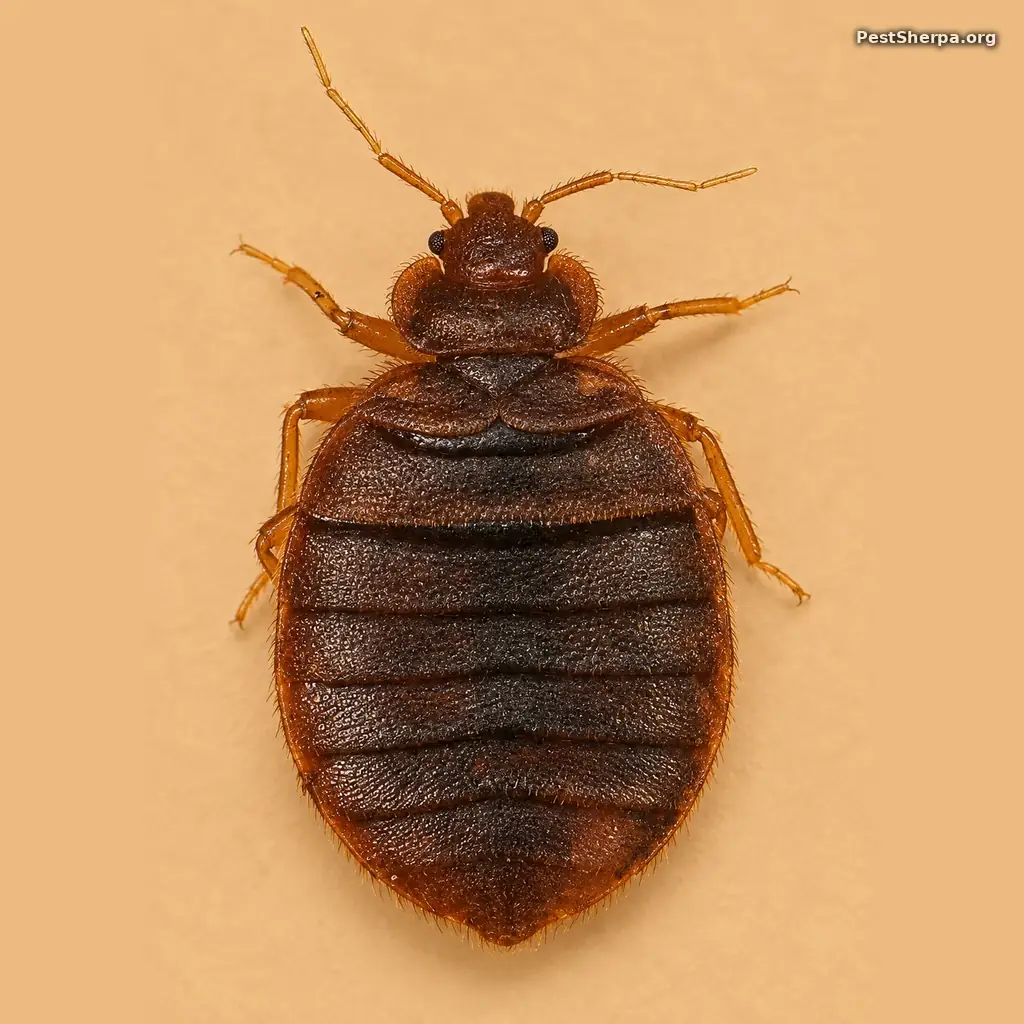
Bed bugs are flat, oval, reddish-brown insects about 4 to 7 mm long [CDC]. Their flattened bodies allow them to hide in tight seams and cracks, which is why infestations often go unnoticed early.
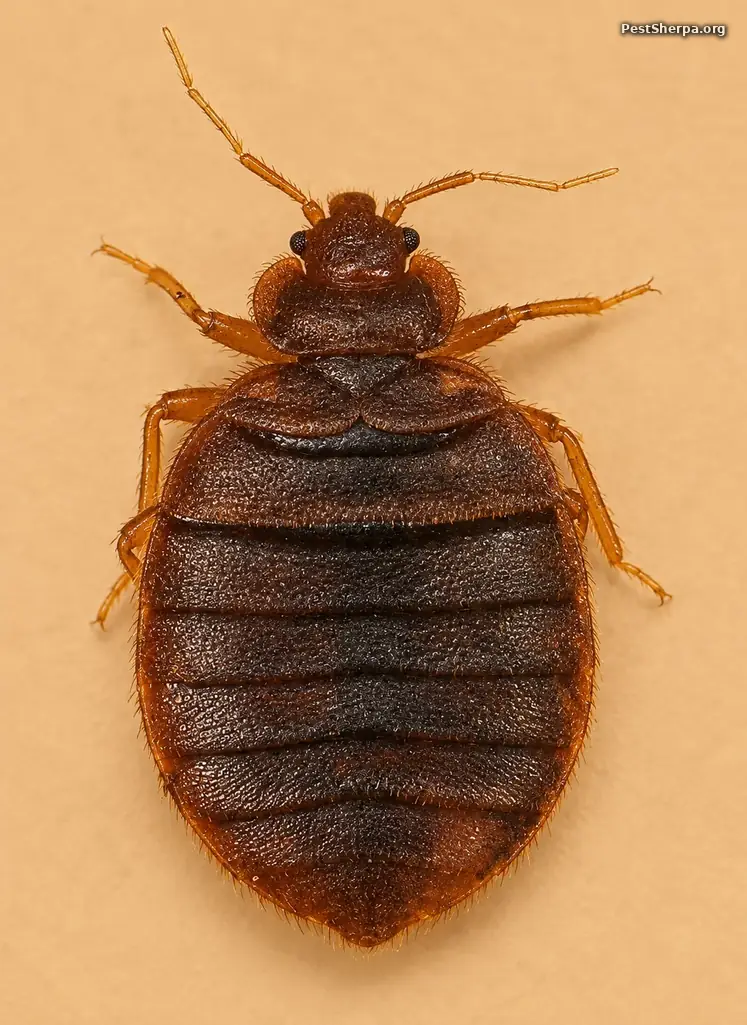
- Cluster near sleeping areas
- Leave black fecal spotting
- Shed skins and eggs in cracks
Why It Matters
Bed bugs are not known to transmit disease, but they are a serious nuisance pest. They can also be terrifying and can cause serious mental stress. Infestations can lead to sleep disruption, stress, repeated bites, and costly treatment if allowed to spread.
The real risk is not what they do in one night. It is how quickly a small introduction can become a widespread infestation.
Signs
Most infestations are identified by signs first and insects second. Waiting to see a live bug often means the problem is already established.
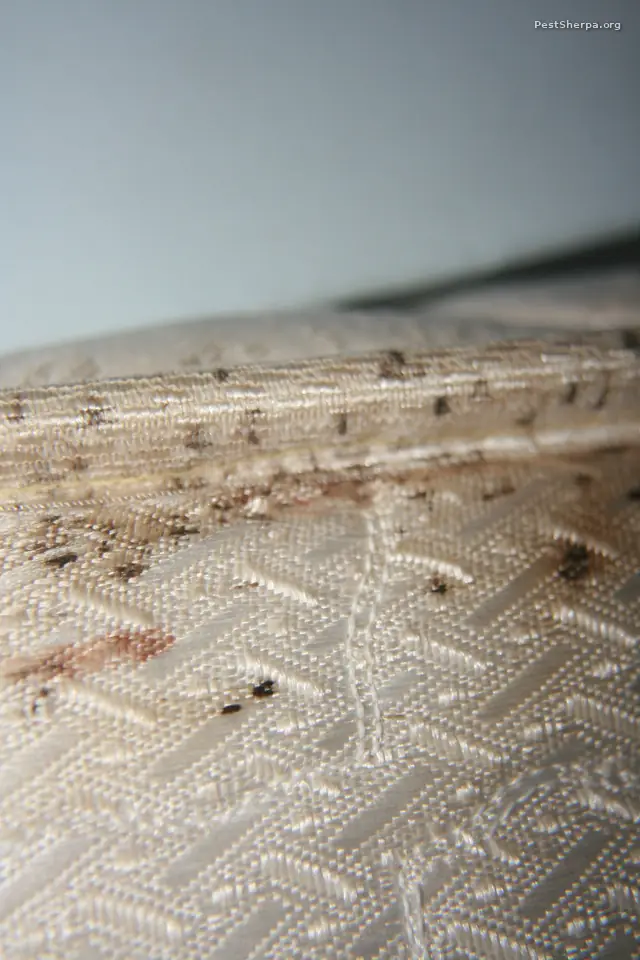
- Fecal spotting: tiny black dots along seams and cracks indicate a possible bed bug presence.
- Shed skins: pale cast skins where bugs are hiding. These can be difficult to see as they are small and frequently opaque.
- Blood stains: small rust-colored marks on bedding
- Eggs: small and often overlooked but highly important; however, be aware that eggs are difficult to see due to size and location. A hand lens or magnifying glass is usually needed
- Bites: however “bites” can come from many sources including insects and allergic reactions to detergents so a skin irritation is not a definite sign of bed bugs.
Bites alone do not confirm bed bugs [CDC].
Lookalikes
| Pest | Difference |
|---|---|
| Fleas | Jump and associated with pets: confirm before tearing a mattress apart |
| Carpet beetles | Do not bite like bed bugs |
| German Cockroach Nymphs (immature) | Look similar but run very fast and won’t generally be on beds |
Itchy welts alone do not prove bed bugs. If pets share the home, rule out fleas before you tear a mattress apart.
Fast rule: If it jumps, it is not a bed bug. Although bed bugs are most commonly found near sleeping or resting areas, they can also occur elsewhere. Identification should be based on the insect’s physical characteristics rather than its location alone.
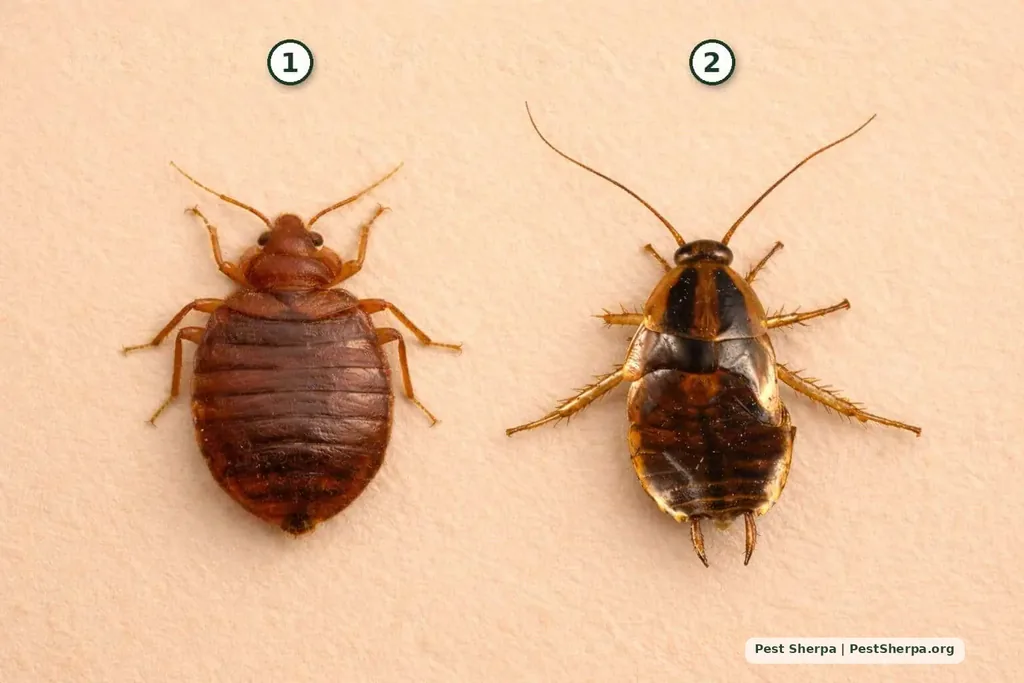
Which one did you find? Match the number:
- Bed bug: flat, oval and wingless with short antennae. Rusty brown and about the size of an apple seed.
- German cockroach nymph: long antennae, spiny legs, a pair of tail feelers (cerci) and dark bands with a pale stripe down the back.
Number 1 in a bed, mattress seam or headboard is a reason to call a licensed pro soon.
Hiding Spots
Start with areas closest to where people sleep. Early infestations are usually concentrated, not spread throughout the home.
- Mattress seams and tags
- Headboards (high priority)
- Bed frame joints
- Dust ruffle (the bed “skirt”)
- Furniture seams and cracks
Hotel Room Inspection Checklist
Greg Baumann insight: If you only check one place, check the headboard. That is where many inspections are won or lost. Do this before you unpack. Full walkthrough with photos: Bed Bugs in Hotels: 5-Minute Room Inspection Checklist.
EPA travel guidance starts with the basics: inspect the room (mattress and headboard), keep luggage off the bed, then unpack into the wash at home and heat-dry. A flashlight helps. Greg’s advice: Keep luggage off beds and floors. An inspected luggage rack can be used, but carefully examine its straps, joints, and tubing before placing luggage on it. Alternatively, use a clean, hard surface away from sleeping areas. [EPA: Tips for Travel] Greg shared more of his travel tips with Real Simple and Good Housekeeping UK.
| Step | Do this | Look for |
|---|---|---|
| 1. Luggage | Park bags in the bathroom / tub. Do not set luggage on the bed or carpet. | Keep bags off soft surfaces until the room clears. |
| 2. Mattress | Seams, piping, corners, labels, buttons, under the tag. | Dark fecal spots, rusty stains, shed skins, tiny pale eggs, live bugs. |
| 3. Headboard | Face, joints, and the gap behind / against the wall. | Clusters in cracks the width of a credit card. |
| 4. Frame & rack | Bed frame / platform. Luggage rack: skip it if you can. If you must use it, check straps, joints, screw heads, and underside first. | Same evidence in joints and folds. |
| 5. Nightstand & chairs | Drawer joints, upholstered seams, cushions. | Spotting in seams; do not put clothing into drawers yet. |
| If you find evidence | Stop unpacking. Document. Request another room that is not adjacent, directly above, or directly below. Do not treat the room yourself. Details: what to do if you find bed bugs. | |
Itchy welts alone do not prove a bad room. EPA notes bites are a poor indicator. Some people do not react, and other insects leave similar marks. Trust fecal spots, skins, eggs, and live bugs near sleep areas. [EPA: How to Find Bed Bugs]
Prevention
Bed bugs are hitchhikers. EPA notes they move into new homes on furniture, bedding, luggage, boxes, and clothing, and that they can survive several months to a year without feeding, so an item that looks clean can still carry them. Prevention is mostly about what you bring through the door. [EPA: Protecting Your Home]
At home
- Check secondhand furniture before it comes inside. Look over used beds, couches, and upholstered chairs in the seams, piping, joints, and under cushions for the evidence in Signs. Curbside mattresses and couches are a gamble; EPA asks people to slash and mark infested furniture before they throw it out, but not everyone does.
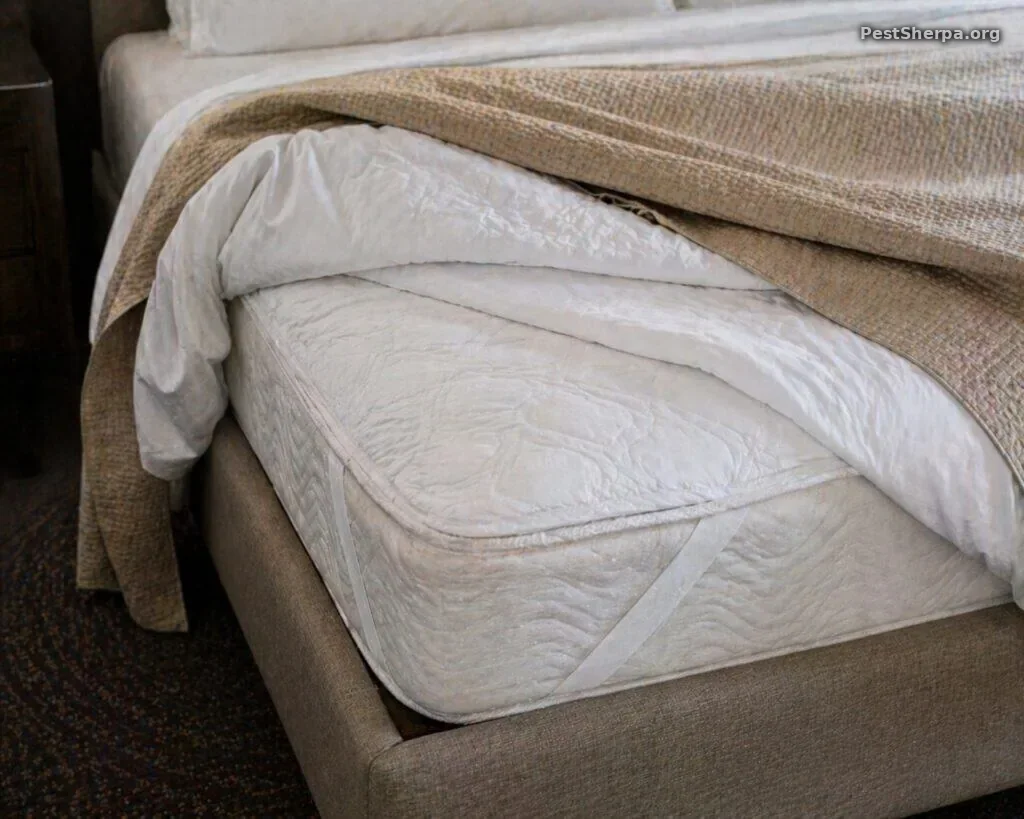
- Encase the mattress and box spring. A quality encasement removes many hiding spots, and the light color makes bugs easier to spot. Buy one tested for bed bugs and check it now and then for tears.
- Cut the clutter around beds. Less clutter means fewer hiding places and an easier inspection.
- Vacuum often, especially around beds and upholstered furniture, to pick up any hitchhikers early.
- Be careful in shared laundry rooms. Carry laundry in plastic bags, move it straight from the dryer into a bag, and fold it at home. A dryer on high heat can kill bed bugs.
- Unpack trips into the laundry. After travel, run clothes through the wash and a hot dryer before they go back in drawers, and inspect luggage before you store it.
[EPA] [EPA Top Ten]
Apartments, condos, and shared walls
If you share walls, EPA suggests isolating your unit: install door sweeps on the bottom of doors to discourage movement into hallways, and seal cracks and crevices around baseboards and light sockets to discourage movement through wall voids. If a neighbor has bed bugs, ask management about inspecting the units around it. More on shared housing in my apartments guide. [EPA]
When you travel
- Keep luggage off beds and floors, and inspect a luggage rack’s straps, joints, and hollow tubing before you use it
- Keep luggage off the bed and carpet, and keep clothing contained in the suitcase or sealed bags
- Do a quick inspection of the mattress seams and headboard before you unpack (see the hotel checklist above)
- Wash and heat-dry clothes when you get home, and inspect luggage before storing it
Full walkthrough: Bed Bugs in Hotels: 5-Minute Room Inspection Checklist, or print my Traveler Bed Bug Pocket Checklist. [EPA: Tips for Travel]
What To Do
Treat this as a process, not a weekend project. EPA says it can take weeks to months, and steps may need repeating to catch eggs as they hatch. [EPA: Do-it-yourself Bed Bug Control] The full plan is in How to Get Rid of Bed Bugs. The short version:
- Confirm it first. Fecal spots, shed skins, eggs, or live bugs, not bites alone. Check the lookalikes and my signs of bed bugs guide.
- Do not throw everything out. Bag and contain instead; most belongings can be saved.
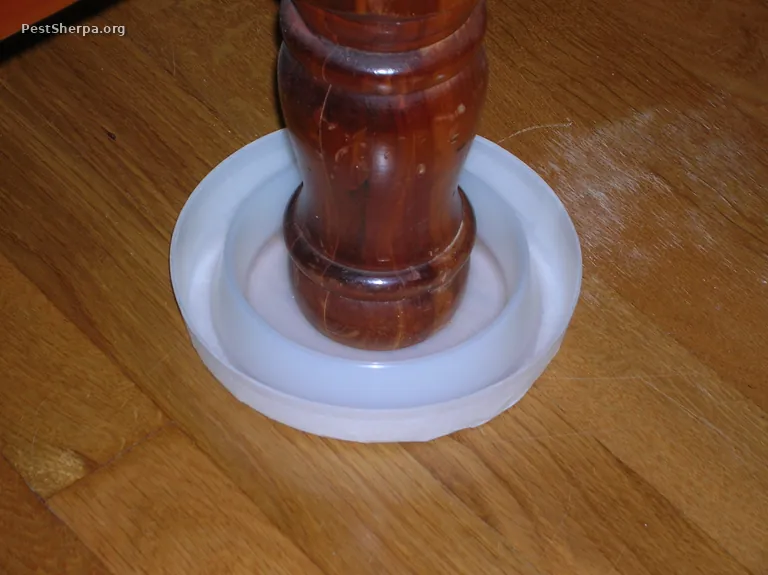
- Heat and encase. Heat-dry bedding using the highest temperature the fabric can safely tolerate. Install bed bug-rated encasements on the mattress and box spring and place interceptors beneath bed legs. Keep encasements in place for at least one year, or longer if the pest management professional recommends it. [UMN Extension] Bed bugs can live a long time without a blood meal.
- Skip foggers and hacks. Foggers miss the cracks, and alcohol, kerosene, or space heaters create fire risk. [EPA: Should I Use a Fogger?]
- More than one bed, or it keeps coming back: bring in a licensed pro (see When to Call a Professional). Renters should tell the landlord.
If you find bed bugs in a hotel room
- Confirm identification
- Contain items
- Avoid spreading the problem
- Document findings
- Calmly notify hotel management
Ask for a room that is not adjacent to, directly above, or directly below the one with evidence, and do not treat the room yourself. Step by step: what to do if you find bed bugs.
Treatment Expectations at Home
Expect more than one visit. Bed bug control often requires follow-up inspections and sometimes additional treatments. Some insecticides may not kill all eggs, and bed bugs in untreated or inaccessible hiding places may survive. Properly conducted heat treatments can kill all life stages, but thorough temperature monitoring is essential. An integrated pest management program combines appropriate treatment methods with inspection and continued monitoring. [Purdue Extension] [EPA: Bed Bug Myths] What each step looks like at home is laid out in How to Get Rid of Bed Bugs.
When to Call a Professional
EPA is clear that DIY bed bug work is complex and can take weeks to months. Success depends on how established the infestation is, how much clutter hides bugs, whether neighbors are involved, and whether everyone in the home cooperates. [EPA: Do-it-yourself Bed Bug Control] Educational thresholds for calling a qualified pest management professional:
- Consider contacting a qualified pest management professional as soon as bed bugs are confirmed, even if evidence is limited to one room. Professional assistance is especially important when infestation signs occur in multiple rooms, recur after attempted treatment, or involve apartments and other multi-unit buildings.
- Signs continue after honest DIY prep (laundry/heat-dry, declutter, encasements, vacuuming of seams/cracks): monitoring + labeled products need a program, not another fogger. [EPA myths]
- Apartment, condo, dorm, or shared housing: notify the landlord/manager; nearby units should be inspected so you are not treating an island. [EPA DIY]
- You cannot confirm the insect: carpet beetles and others get mistaken for bed bugs; wrong ID wastes weeks. Show a sample to extension or a pro. [EPA: How to Find] [EPA Top Ten]
- Healthcare / clinical settings: different protocols than a hotel room; see Bed Bugs in Healthcare.
What a pro visit looks like
Bed bug treatment is a project, not a single visit. A good company tells you exactly what it will do, what you must do, and how it will prove the bugs are gone.
The inspection
The inspection should confirm live bugs, eggs, cast skins, or fecal spots, not only bites. Expect the technician to check mattress seams, box springs, bed frames, headboards, nearby furniture, outlets, and baseboards, and to ask about adjoining rooms or units.
Your prep before the visit
- Follow the company’s prep sheet; it differs by method.
- Bag and launder bedding and clothes from affected rooms on high heat.
- Reduce clutter but do not move items to other rooms, which spreads bugs.
- Do not use foggers or store sprays before the visit.
The treatment (can vary; depend on the advice of the professional)
- Heat treatment of whole rooms or the whole home, often combined with residual products.
- Targeted insecticide applications to seams, cracks, and furniture. All labels and regulations must be followed.
- Mattress and box spring encasements and bed leg interceptors.
- Inspection of adjoining units in apartments where possible.
Follow-up
Expect at least one follow-up inspection, and often a second treatment with chemical programs. Ask how the company confirms the job is finished.
Questions to ask before you book
- Which method will you use, and why?
- What is included in the price, and how many follow-up visits?
- Is there a warranty, and what does it require of me?
- Will adjoining rooms or units be inspected?
What it costs
Bed bugs are among the costliest pests to treat. Angi’s October 2026 data puts services at $1,000 to $4,000, with high-end jobs reaching about $6,000.[11] Prices vary due to location and amount of work needed. This is not a price sheet but simply reporting published information. HomeGuide’s January 2026 price list puts treatment at $300 to $500 per room and $2,500 to $5,000 for a whole house.[12]
Typical national ranges
- Bed bug extermination: $1,000 to $4,000 (Angi, 2026)[11]
- One room: $300 to $500 (HomeGuide, 2026)[12]
- Whole house: $2,500 to $5,000 (HomeGuide, 2026)[12]
- Heat treatment: $1 to $3 per square foot (HomeGuide, 2026)[12]
- Chemical treatment: $2 to $5 per square foot (HomeGuide, 2026)[12]
- Fumigation: $4,000 to $16,000 (HomeGuide, 2026)[12]
These are national figures from consumer cost surveys, not quotes. Prices vary by region, home, and job, so treat them as a starting point for comparing written estimates.
What moves the price
- Number of rooms and how far bugs have spread.
- Method: heat, chemical, or fumigation.
- Clutter and prep work.
- Multi-unit buildings.
One-time job or ongoing plan
Bed bug work is a one-time project with follow-ups, not an ongoing plan. Annual protection plans exist, but they do not replace a complete initial treatment.
Red flags in a quote
- A quote by phone with no inspection unless you have provided extensive details over the phone.
- A single treatment with no follow-up and no initial inspection.
- Foggers as the main treatment.
- No written prep instructions.
See what to look for when hiring a pro for bed bugs before you sign.
Common Questions
How to Inspect Your Hotel Room for Bed Bugs?
Can I get rid of bed bugs myself? Sometimes, for a small problem caught early in one bed. EPA says success depends on how many bugs there are, how much clutter there is, whether neighbors have them, and whether everyone in the home helps. Evidence in more than one room, or signs that keep coming back, is the point to call a pro. [EPA] Many people also prefer to leave it to a professional even when only one bug was found.
Do insect foggers work? Not on their own. EPA says foggers should not be the only control because the spray has to contact the bugs and does not reach the cracks where they hide. [EPA]
How long can bed bugs live without feeding? EPA says several months to a year, which is why sealed bags and encasements stay in place for so long. [EPA]
Can you get bed bugs from trains?
How do I prevent bringing bed bugs home after travel?
References
- CDC: Bed Bugs
- EPA: Bed Bugs hub
- EPA: Tips for Travel
- EPA: How to Find Bed Bugs
- EPA: Bed Bug Myths
- EPA: Should I Use a Fogger?
- EPA: Do-it-yourself Bed Bug Control
- EPA: Top Ten Tips
- Purdue Extension: Sleep Tight, Don’t Let The Bedbugs Bite
- EPA: Protecting Your Home from Bed Bugs
- Angi, How Much Does Pest Control Cost? [2026 Data], updated October 9, 2026
- HomeGuide, How Much Does an Exterminator Cost?, January 9, 2026
This article was written by Greg Baumann, founder of Pest Sherpa, and reflects more than 40 years of professional pest management experience.
About the Author

Greg Baumann | Pest Control Expert
Greg Baumann is the founder of Pest Sherpa and a Pest Control Expert with more than 40 years of professional pest management experience. His articles combine decades of field experience, technical expertise, and science-based guidance to help homeowners identify pests correctly, understand real-world risks, and make informed pest management decisions.
Mission: Identify the pest. Understand the risk. Stop the problem. Prevent the comeback. Know when it’s time to call a professional.