
How do I keep pests out of trash cans?-G
Short answer: Tight lids, tied bags, and a clean dry can greatly reduces chances of not only insects such as flies but even rodents. Flies can lay eggs when a lid opens even briefly, and juice film breeds maggots. Wash and sanitize dirty cans, replace damaged lids, and double-bag leaky wet waste. Avoid insecticide sprays on dirty cans; a labeled fly strip on the inside lid is a last resort only if the label allows it.
Why trash cans pull flies, rodents, and wildlife
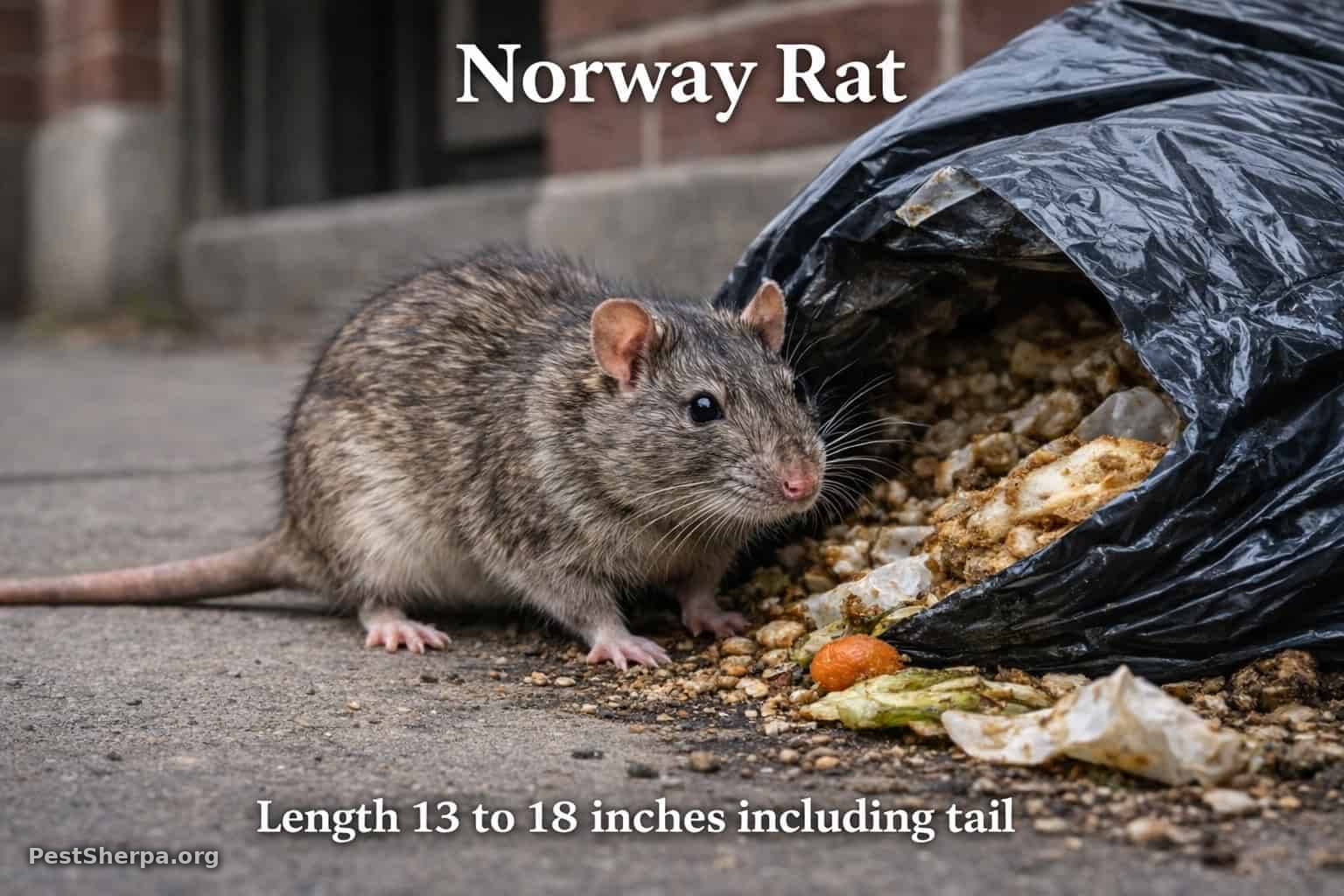
Flies can enter a closed trash can when the lid is opened, lay eggs, and leave when someone opens it again. That is why maggots show up even in cans that “stay closed.” Rats rarely nest in a well-managed can, but torn bags, open lids, and shared dumpsters invite scavenging. Birds will tear bags too. Indoors, crumbs and juice around a kitchen can pull flies and cockroaches.
Prevention checklist
- Bag wet waste. Keep trash in tied bags. Do not drop loose food into the can.
- Wash the can. If you see maggots or juice film, scrub with soap, rinse, sanitize per the product label, and let it dry.
- Replace damaged cans. If a city can will not close, call solid waste and ask for a sanitation replacement.
- Clean the pad. Pick up food waste on the ground near the cans. Neighboring open dumpsters can feed a fly problem.
- Empty on schedule. Have trash emptied each pickup day rather than waiting until the can is overflowing.
- Indoor discipline. Wipe spills inside cabinet cans, double-bag leaking bags (melon season is a classic), and keep counters clean.
What usually fails
Spraying insecticide into a dirty can rarely fixes the problem if the sanitation issue remains. Fogging, mothballs, or treating only the lid while juice sits in the bottom leaves the attractant in place. If you need a product for a stubborn outdoor can, a fly strip that contains a pesticide taped to the inside lid can help only when the label specifically allows that use. Follow the label exactly. Flies are a public health pest, so take the source seriously.
When to get help
If your can is clean and sealed and pests still rebound from a shared dumpster, carcass, or established rodents under the pad, use the hire guides to pick the right kind of licensed help. Insects and rats usually sit with pest-control credentials. Larger wildlife that defeats lids often needs a wildlife control operator with exclusion in writing.
Related guides
- Fly Guide
- Rodent Guide
- When to Hire a Pest Pro vs DIY
- Hiring a Pro for Wildlife
- More Ask the Sherpa Q&A
References
- Purdue Extension: Fly Control Around the Home
- UC IPM: Rats
- CDC: How to Clean Up After Rodents
- EPA: IPM Principles
This article was written by Greg Baumann, founder of Pest Sherpa, and reflects more than 40 years of professional pest management experience.
About the Author

Greg Baumann | Pest Control Expert
Greg Baumann is the founder of Pest Sherpa and a Pest Control Expert with more than 40 years of professional pest management experience. His articles combine decades of field experience, technical expertise, and science-based guidance to help homeowners identify pests correctly, understand real-world risks, and make informed pest management decisions.
Mission: Identify the pest. Understand the risk. Stop the problem. Prevent the comeback. Know when it’s time to call a professional.