
Executive Order 14433 Explained: What the Federal Mosquito and Tick Order Means for You
Signed September 29, 2026 | Published October 2, 2026 | Last updated October 19, 2026
Short answer: Executive Order 14433 tells federal agencies to cut invasive mosquitoes by 90% and ticks by 50% across Washington, D.C., by 2028, leaning on non-chemical controls and new technologies such as sterile insects. It does not ban pesticides, does not appropriate new money, and changes nothing in your yard today. Read the full text in the Federal Register or on the White House website.
President Trump signed Executive Order 14433 on September 29, 2026, directing federal agencies to reduce mosquito and tick populations using non-chemical control methods and new technologies. The order also calls for expanded research into the prevention, diagnosis, and treatment of diseases transmitted by these pests. The initial program will focus on Washington, D.C. Successful methods could eventually be used nationwide. [Order text, Sec. 1 to 2]
Executive Order 14433 deadlines at a glance
- Sept 29, 2026Order signedPresident signs Executive Order 14433.
- Oct 2, 2026PublishedPrinted in the Federal Register, 91 FR 63125.
- By Nov 28, 2026 (60 days)D.C. campaign and EPA frameworkInterior, Agriculture, EPA and GSA develop and implement the D.C. campaign. EPA submits a regulatory framework for new control technologies. USDA and HHS explore alpha-gal labeling options.
- By Dec 28, 2026 (90 days)Research programsHHS announces prize competitions or research programs for diagnostics, prevention and treatment, plus an alpha-gal immunotherapy research agenda. USDA does the same for non-chemical control methods.
- By 2028Population targetsGoal: 90% fewer invasive mosquitoes and 50% fewer ticks across D.C.
1. Mosquito and Tick Reduction Goals
The order requires federal agencies to develop and implement a mosquito and tick control campaign in Washington, D.C., within 60 days. The campaign covers lands under federal jurisdiction in the District and must include a plan, developed with the D.C. government as appropriate, for controls on lands across D.C. communities. By 2028, the program aims to achieve:
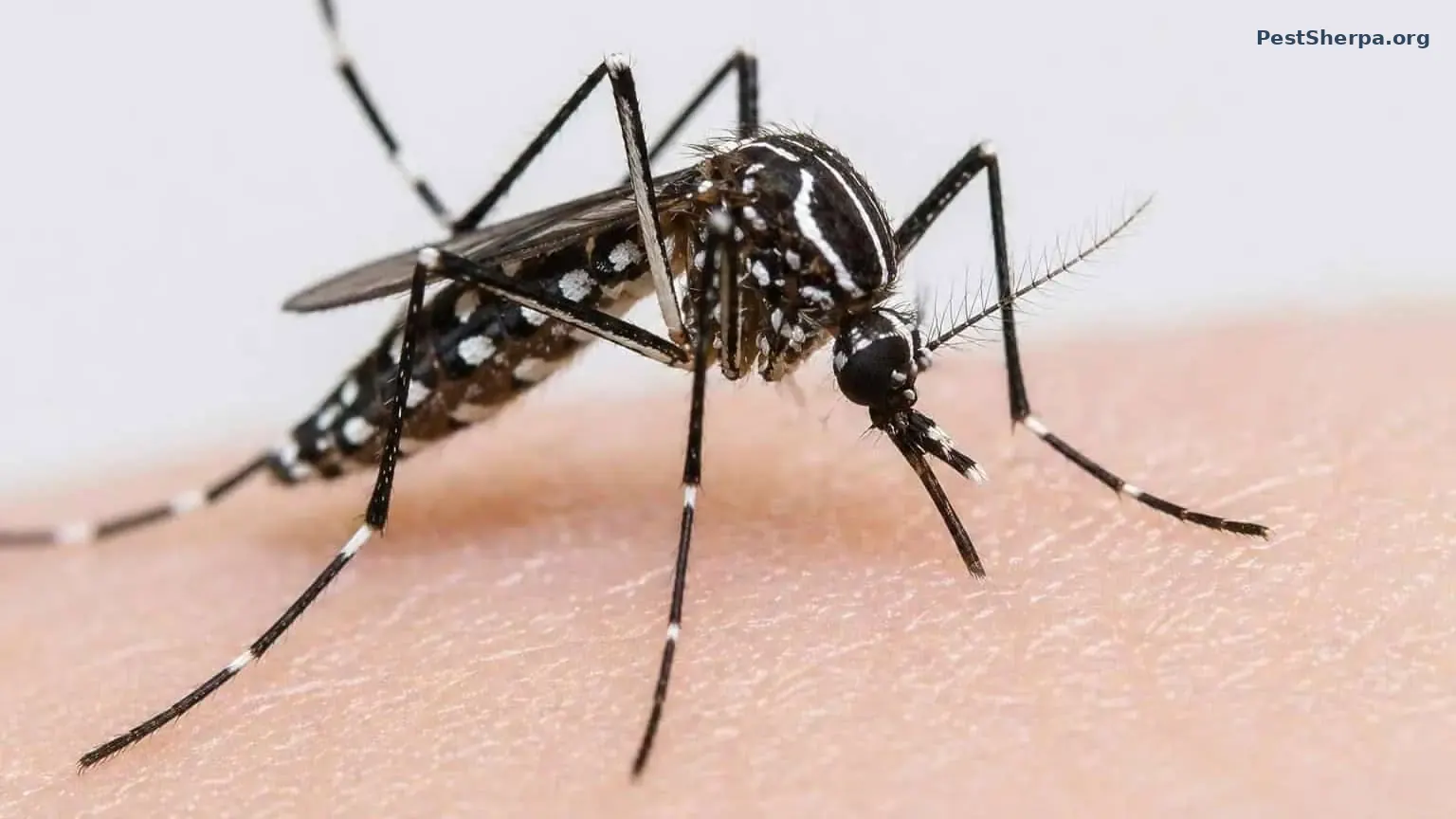
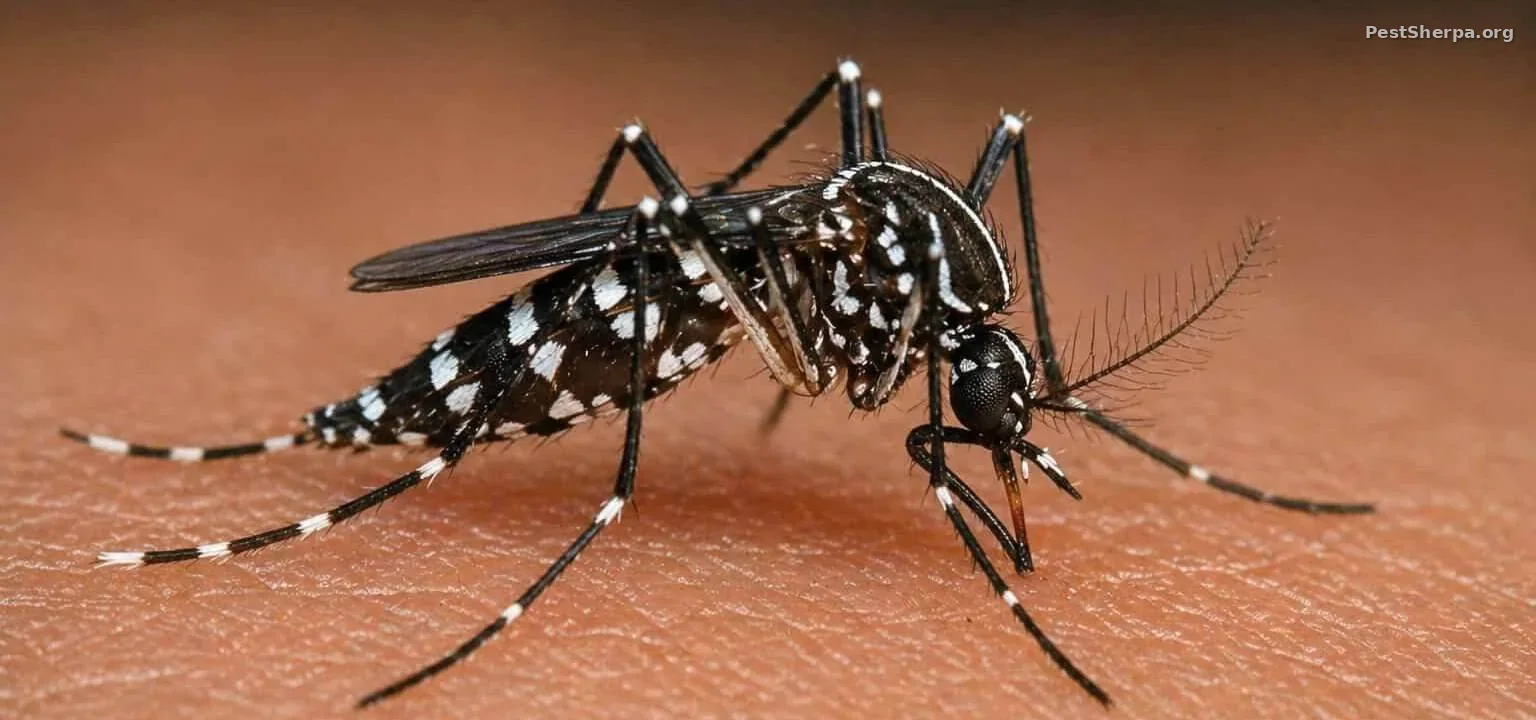
- A 90% reduction in Asian tiger mosquitoes (Aedes albopictus), Egyptian mosquitoes (Aedes aegypti), and other invasive mosquito populations, as appropriate.
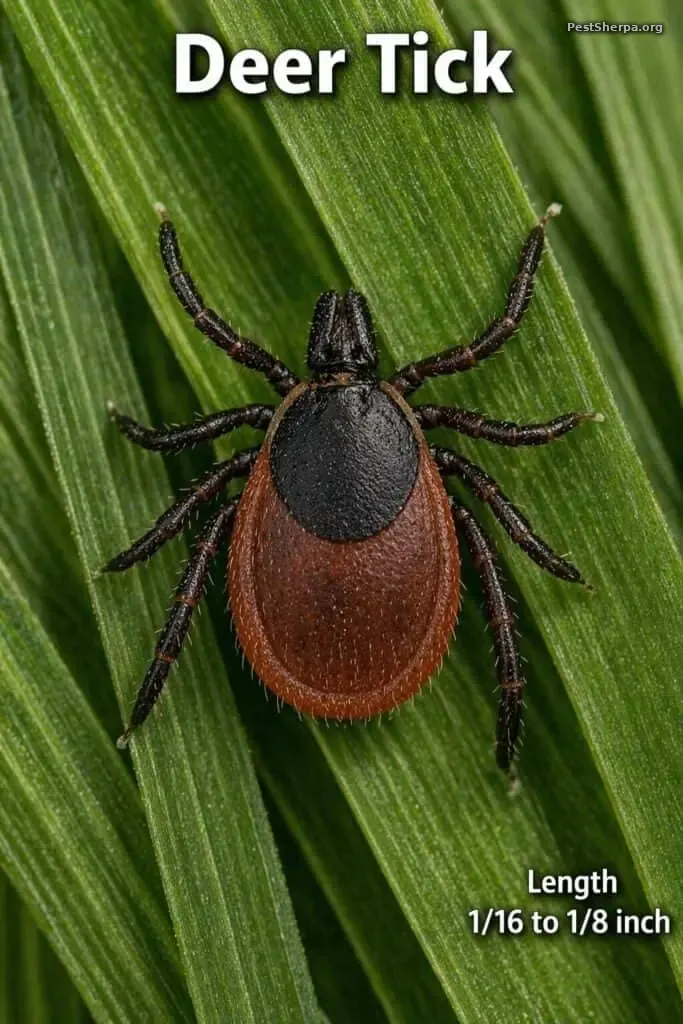
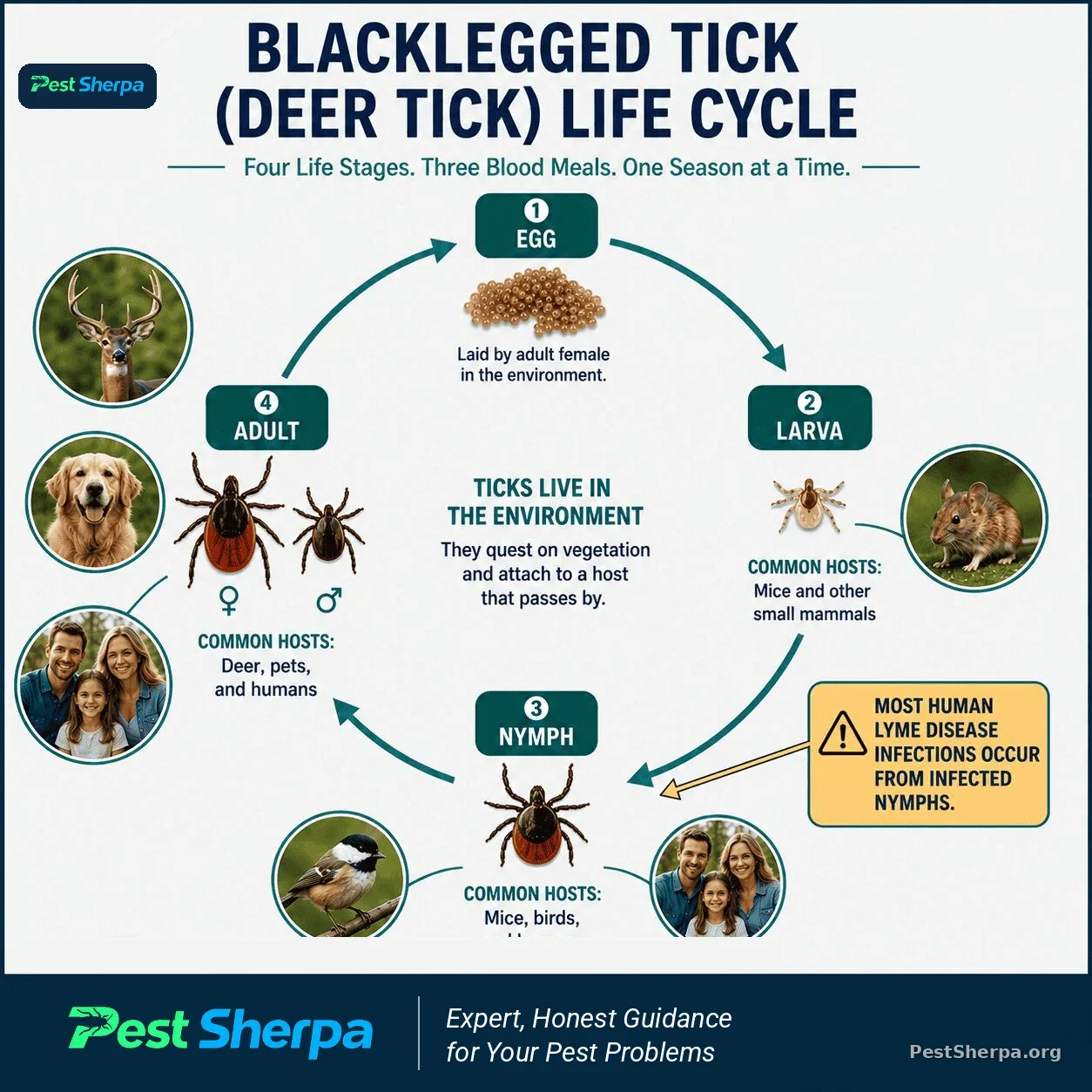
- A 50% reduction in tick populations, with further reductions where practical.
Author note: The correct common name of Aedes aegypti is the yellow fever mosquito. It is not generally referred to as the “Egyptian mosquito.”
The order identifies several diseases of concern. Spread by ticks: alpha-gal syndrome, Theileriosis, Rocky Mountain spotted fever, Lyme disease, and babesiosis. Spread by mosquitoes: West Nile virus, Zika, chikungunya, and dengue.
2. Greater Emphasis on Non-Chemical Pest Management
The order places particular emphasis on alternatives to conventional pesticides. These include habitat modification, improved drainage, vegetation management such as mowing, landscaping such as rain gardens, natural predators, and targeted biological controls. It also calls for managing rodents and deer that serve as hosts for ticks or contribute to the spread of tick-borne diseases.
Pest reduction efforts must avoid negative effects on beneficial insects, native plants, wildlife, and the natural beauty of parks, waterways, and recreational areas.
3. New Pest Control Technologies
The order encourages the development and use of new pest control technologies, including:
- Sterile insect techniques designed to reduce mosquito reproduction.
- Safe genetic modification methods.
- Beneficial bacteria and other biological technologies.
Within 60 days, the Environmental Protection Agency (EPA) must submit to the President a regulatory framework addressing the development and environmental release of these technologies. The EPA must also prioritize and expedite the review or registration of new mosquito and tick control methods or products that it determines are safe and effective.
4. Research and Medical Treatments
Within 90 days, the Department of Health and Human Services, building on its existing Lyme Disease Moonshot work, must announce prize competitions or direct research programs to improve the diagnosis, prevention, and treatment of mosquito- and tick-borne diseases.
The order specifically addresses alpha-gal syndrome, calling for a review of available and candidate immunotherapies and a research agenda to speed clinical review of promising treatments. Within the same 90 days, the Department of Agriculture must announce prize competitions or research programs for non-chemical ways to reduce mosquito and tick populations and associated diseases.
Within 60 days, the Departments of Agriculture and Health and Human Services must explore options for labeling foods and drugs that contain significant amounts of alpha-galactose, similar to other allergy warnings. The order asks agencies to explore labeling; it does not require labels yet.
5. Federal Coordination and Future Expansion
Several agencies will coordinate the program. The Departments of the Interior and Agriculture, the EPA, and the General Services Administration lead the D.C. campaign, in consultation with the Department of Health and Human Services.
The order encourages participation by commercial pest control providers, researchers, and biotechnology companies through commercial arrangements and cooperative agreements. Washington, D.C., will be the first location where these methods are put into practice, and the order names D.C. as a model for nationwide control.
What This Means for Homeowners
Nothing changes in your yard today. The order sets federal goals and deadlines; it does not change what you can buy, what a licensed company can apply, or how your local mosquito district operates. The good news is that the non-chemical tools the order favors are the same ones that already work at home:
- Dump standing water weekly. Both named mosquitoes breed in buckets, saucers, tarps and clogged gutters. Our mosquito guide walks through the yard check.
- Mow and trim the yard edge. Ticks wait in tall grass and leaf litter where lawn meets woods. See the tick guide for identification and habitat fixes.
- Know the Lyme picture. Fall is adult deer tick season. The Lyme disease page covers symptoms, treatment and the latest federal tick-control research.
- Watch for alpha-gal. Most U.S. alpha-gal cases are linked to lone star tick bites. Our lone star tick guide explains bites, alpha-gal syndrome and prevention.
- Hiring help? Ask for an integrated plan, not just a spray route. Our guide to hiring a pro for mosquitoes lists the questions to ask.
Separately from this order, HHS has already funded new tick-control research projects. We track that on the Lyme disease page rather than repeat it here.
What This Means for Pest Management
The order places greater federal emphasis on non-chemical controls, habitat management, and newer mosquito and tick control technologies. Pest management companies may see greater demand for services involving biological controls, surveillance, and mosquito and tick management.
Importantly, the order does not prohibit conventional pesticides or appropriate new funding. It must be implemented consistent with existing law and subject to available appropriations, and agencies are told to review the resources they already have. The population-reduction targets remain goals rather than demonstrated results.
A History Worth Knowing
This is not the first time Washington has fought mosquitoes. From malaria in the White House to the yellow fever discoveries of Walter Reed, read Mosquitoes in the Nation’s Capital: A History of Disease and Public Health.
Sources
- Federal Register: Executive Order 14433, Eliminating Disease-Carrying Pests and Restoring Enjoyment of the Great Outdoors, 91 FR 63125 (Oct. 2, 2026)
- The White House: Eliminating Disease-Carrying Pests and Restoring Enjoyment of the Great Outdoors (Sept. 29, 2026)
- GovInfo: Federal Register Vol. 91, No. 190, full text
- CDC: About Alpha-gal Syndrome
This article was written by Greg Baumann, founder of Pest Sherpa, and reflects more than 40 years of professional pest management experience.
About the Author

Greg Baumann | Pest Control Expert
Greg Baumann is the founder of Pest Sherpa and a Pest Control Expert with more than 40 years of professional pest management experience. His articles combine decades of field experience, technical expertise, and science-based guidance to help homeowners identify pests correctly, understand real-world risks, and make informed pest management decisions.
Mission: Identify the pest. Understand the risk. Stop the problem. Prevent the comeback. Know when it’s time to call a professional.