
Termite Guide: Identification, Damage Risk, and What to Do
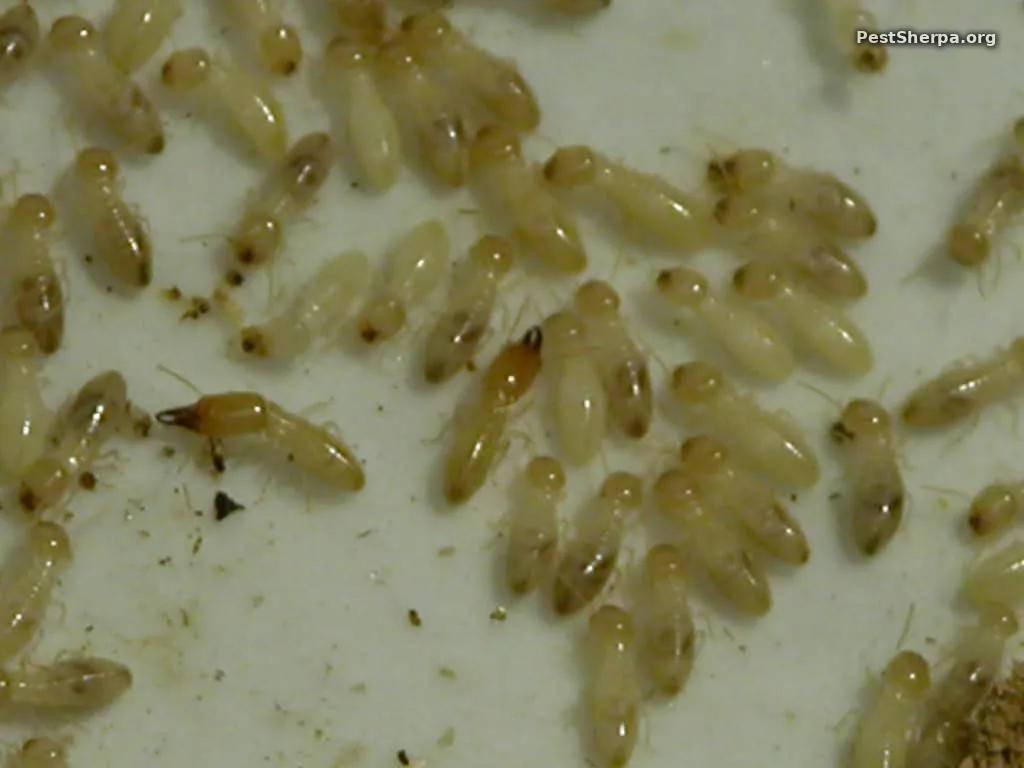
Start by confirming termites (not ants), then match the signs to subterranean, drywood, or dampwood risk and open the species guide that fits. Termites cause major structural damage in the U.S. and often stay hidden in walls, crawl spaces, and framing until repairs get expensive. This hub covers identification, damage risk, and the nested keepers for each major species.
Winged insects and damaged wood are not always termites. Round galleries packed with frass, rather than mud tubes, usually point to wood-boring beetles instead.
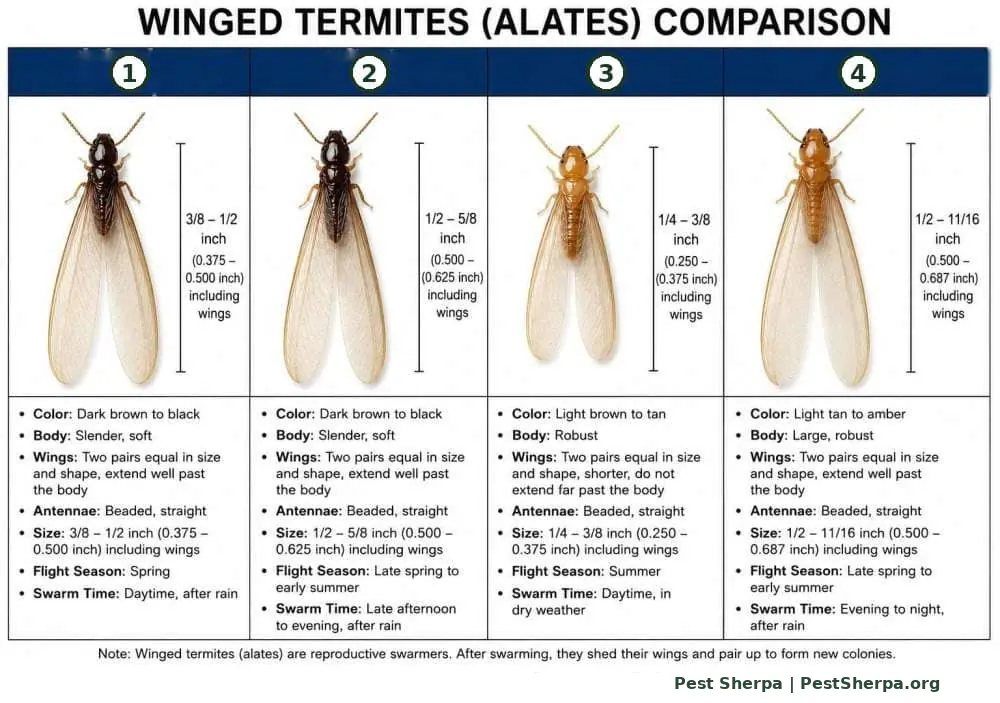
Quick take: Termites mean hidden structural damage
- Termites are wood-destroying insects that often go unnoticed until damage is advanced
- Subterranean termites, which nest in the soil and tunnel into wood, are the most destructive group in the U.S.
- Drywood termites live directly inside wood (no soil contact needed)
- Moisture is a major driver of termite risk
- Early identification = thousands saved in repairs
Start here based on what you are seeing
Match the clue to a nested guide first. Use the on-page sections below only if you still need ID detail or treatment context.
- Mud tubes / soil-linked damage (East)
- Mud tubes / soil-linked damage (West)
- Aggressive subterranean colonies (Formosan)
- Asian subterranean termites
- Native subterranean termites
- Dark southeastern subterranean
- Light southeastern subterranean
- Pellet frass in dry wood (no soil needed)
- Termites in wet or rotting wood
- Conehead termites (Florida)
On this page
- How to Identify Termites
- Termites vs Flying Ants
- Why it matters
- Treatment by Species Information
- What often fails (common mistakes)
- When to Call a Professional
- What a Pro Visit Looks Like
- What It Costs
- Termite Species Comparison Guides
- Prevention Strategy
- Common Questions
- References & Sources
How to Identify Termites
Most termite infestations are discovered too late because early signs are missed or confused with ants.
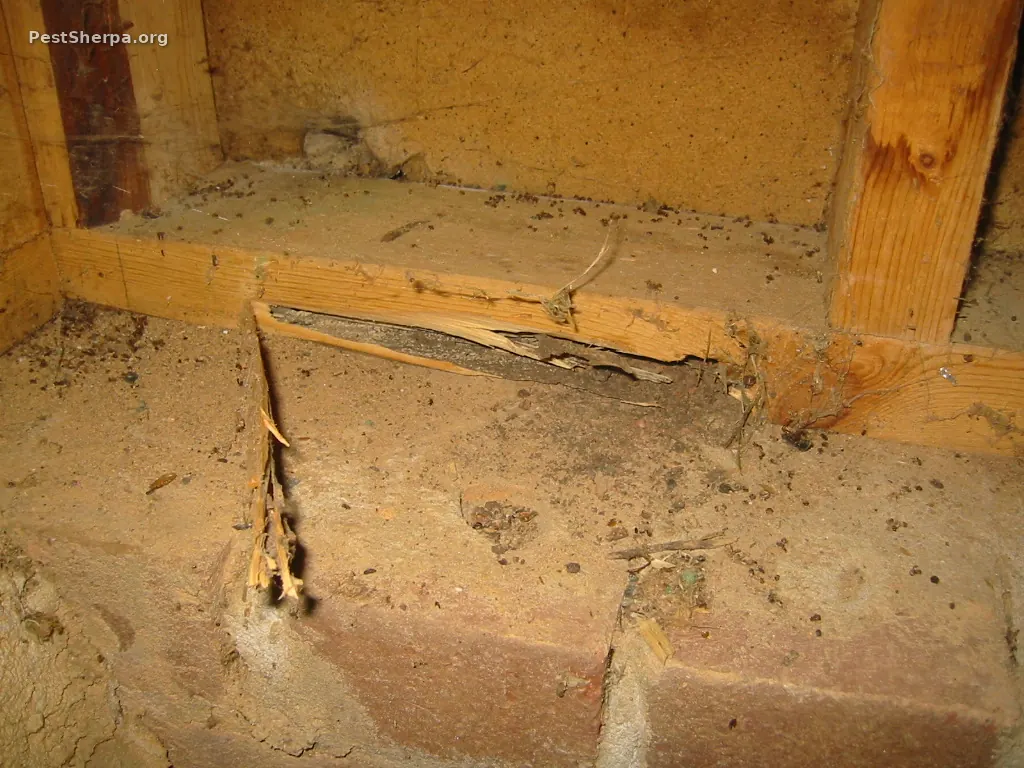
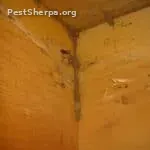
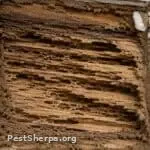
Typical Subterranean Termite Damage
Key Identification Signs
- Mud tubes along foundation or walls
- Hollow-sounding wood
- Discarded wings near windows or doors
- Frass (droppings) for drywood termites
Termites vs Ants (Most Important Distinction)
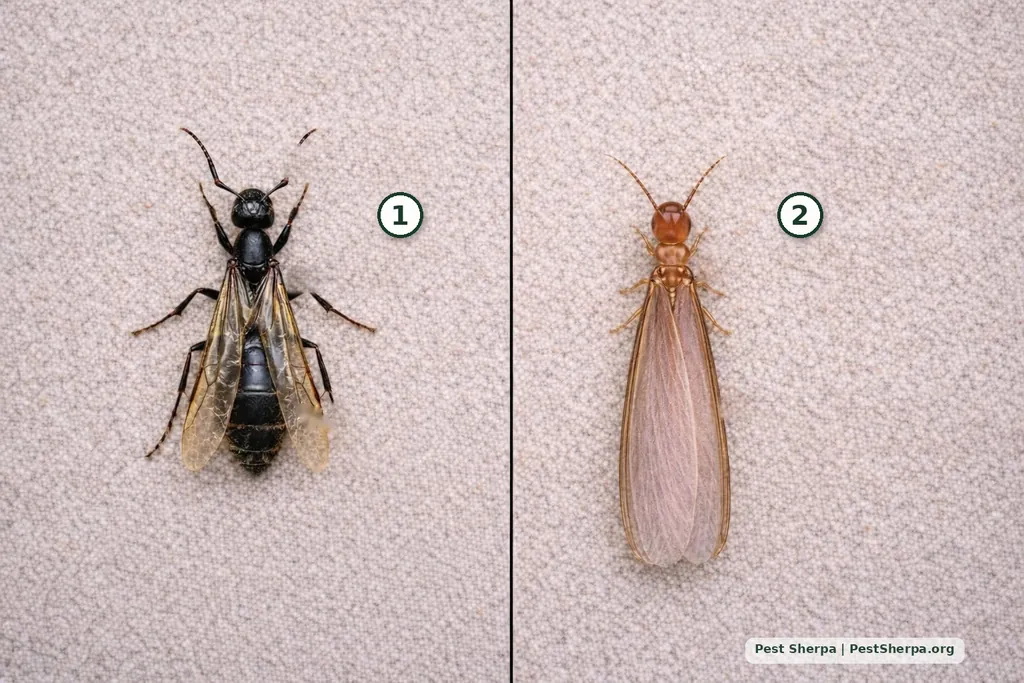
Which one did you find? Match the number:
- Winged ant: pinched, wasp-like waist and bent (elbowed) antennae. Front wings are longer than the back pair.
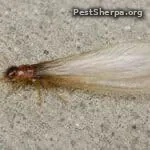
- Winged termite (swarmer): thick waist with no pinch, straight beaded antennae, and four wings of equal length that run well past the body.
Seeing number 2 indoors, especially near windows or piles of shed wings? Call a licensed termite pro for an inspection.
- Termites: straight antennae, equal-length wings, thick waist
- Ants: elbowed antennae, unequal wings, narrow waist
Common Misidentifications
- Flying ants mistaken for termite swarmers
- Water damage mistaken for termite activity
Termite Species Guides
Browse our expert guides to identify the termite you’re dealing with and learn the appropriate control strategy.
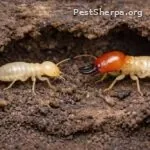
Asian Subterranean Termites: Identification, Damage, and Control
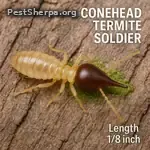
Conehead Termites (Florida): Identification, Damage, and Control
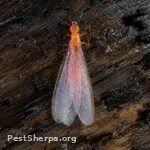
Dampwood Termites: Identification, Damage Signs, and Control
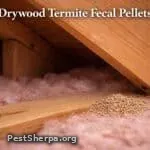
Drywood Termites: Identification, Frass, Damage, and Control
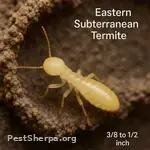
Eastern Subterranean Termites: Identification, Damage, and Control
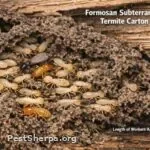
Formosan Subterranean Termites: Identification, Damage, and Control
Light Southeastern Subterranean Termite (R. hageni): ID and Control
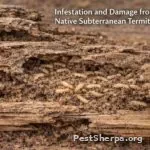
Native Subterranean Termites: Identification, Damage, and Control
Repairing Termite Damage: Salvage, Replace, and What Comes First
Reticulitermes virginicus (Dark Southeastern Subterranean Termite): ID and Control
Signs of Termites: Mud Tubes, Swarmers, Frass, and Damage
Structural Fumigation (Tenting) for Drywood Termites: What Homeowners Should Know
Termite Damage Costs and Statistics: Repairs, Treatment, and Insurance
Termite Facts That Change What You Look For (Plus the Flying-Ant Mix-Up)
Termite Inspection: What It Includes, Reports, and What It Is Not
Western Subterranean Termites: Identification, Damage, and Control
Also in this guide set:
Why It Matters
Structural Damage
- Termites consume wood and structural materials
- Damage is often hidden until severe
Financial Impact
- Repairs can cost thousands to tens of thousands (what termite repairs actually cost)
- Rarely covered by homeowners insurance
Spread Risk
- Colonies expand and can infest multiple areas of a structure
Key Insight: Termites are not a nuisance pest. They are a structural threat that requires decisive action.
Treatment by Species Information
Scenario 1: Subterranean Termites (Most Common)
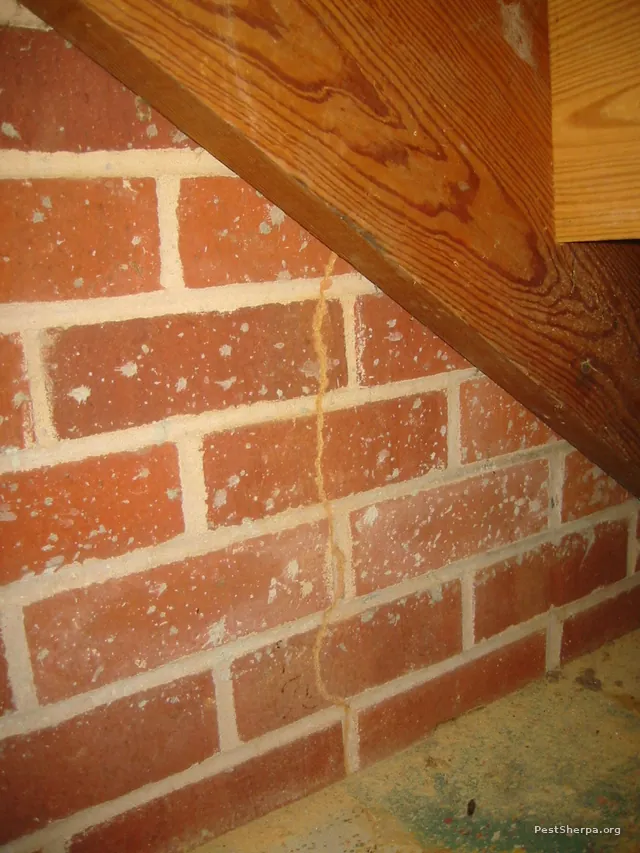
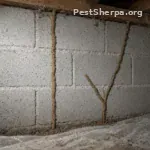
Subterranean termite mud tubes on concrete foundation
Goal: Eliminate colony at the source
- Do NOT break tubes without treatment plan
- Use bait systems or soil treatments
- Address moisture and wood-to-soil contact
Relevant guides:
Subterranean silent destroyers beneath your home: See Western, Formosan, Eastern, Asian, and Native Subterranean Guide
Scenario 2: Drywood Termites
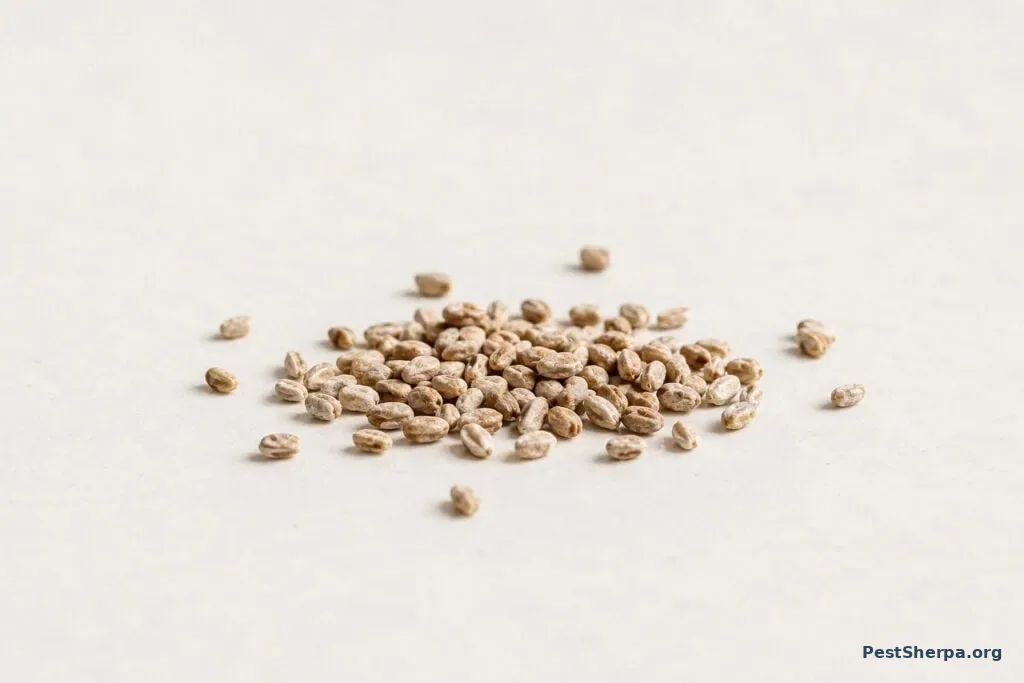
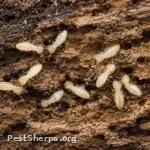
Close-up of drywood termite frass
Goal: Treat localized infestations inside wood
- Look for pellet-like droppings with ridges
- Spot-treat or consider fumigation depending on spread
Scenario 3: Moisture-Driven Termites (Dampwood)
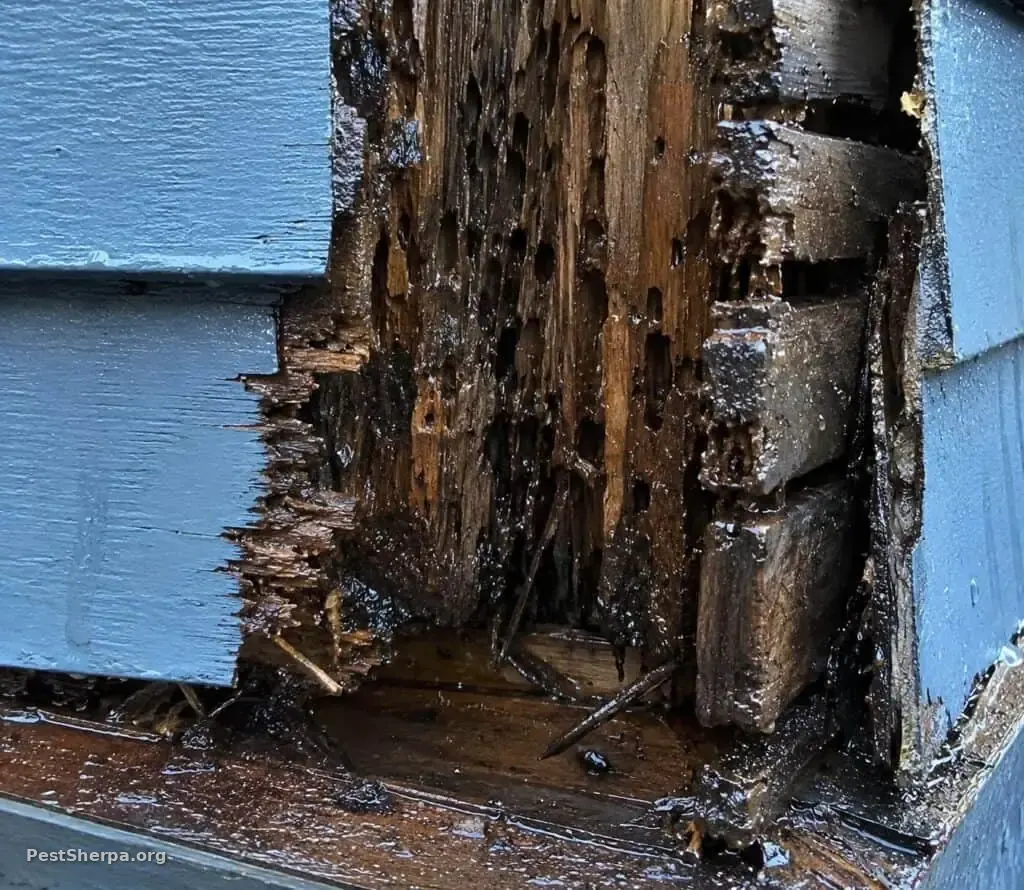
Damp wood termite habitat
Goal: Eliminate moisture source
- Fix leaks and drainage issues
- Remove damp or decaying wood
Relevant guide:
Dampwood Termites seek moisture. See the full dampwood termite guide.
Scenario 4: High-Risk / Aggressive Species
Goal: Rapid professional intervention
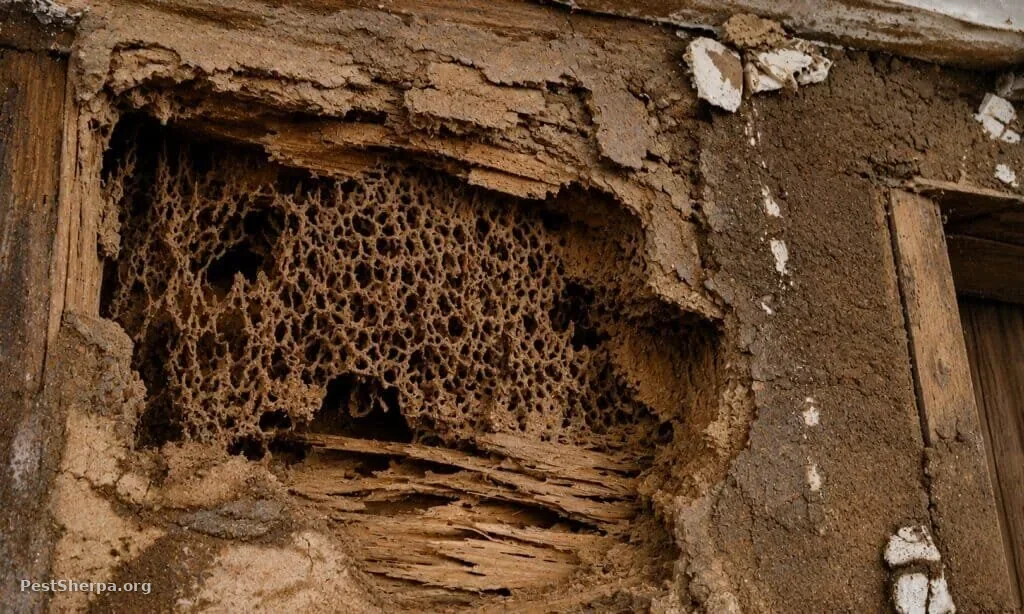
- Large colonies require aggressive treatment
- Often need integrated control strategies
Relevant guides:
Formosan Termites often require rapid professional pest management intervention. See full Formosan guide.
Conehead Termites present other challenges. See conehead termite guide for more information.
What Fails (Common Treatment Mistakes)
- Spraying visible termites only
- Ignoring underlying moisture issues
- Delaying inspection after swarmers appear
- DIY treatment of structural infestations
When to Call a Professional (Always High Priority)
Termites are a structural pest. Homeowner work that helps is conducive-condition cleanup (moisture, wood-to-soil contact, debris), not a substitute for identifying type and treating a colony. After any of the triggers below, schedule a licensed inspector; treatment method depends on termite type. For how bait systems, liquid treatments, inspections, and warranties typically fit together, see the Termite Control hub.
- Indoor alates / swarmers: Winged termites at windowsills, lights, or rooms are a high-priority cue that a structure (or nearby wood) may be producing swarmers. Confirm ants vs termites first, then get a professional structure inspection. Swarms outdoors in the yard don’t always mean your house is the source.
- Mud / shelter tubes: Pencil-like earthen tubes on foundations, walls, crawl spaces, or from soil to wood. UF: tubes are strong evidence; live termites confirm active infestation.
- Hollow or easily probed wood: Soft, blistered, or thin-surfaced trim and baseboards (EPA / UC). Stop aggressive DIY probing of load-bearing members; get a WDO / termite inspection.
- Drywood frass + kick-out holes: Sand-like six-sided pellets under tiny holes point to a drywood pathway (not a soil treatment). Cleaning pellets and watching for new ones can hint at activity; it does not map colony extent.
- Confirmed activity or recurring problems: Live workers/soldiers, repeat swarms, or damage that returns after a partial fix.
DIY chemicals are the wrong next step. UC: homeowner termite pesticides are generally not effective; many effective subterranean products are professional-use only (CA). EPA: in most cases, termiticide work is properly done by a trained, state-licensed pest management professional. UF: Formosan control needs pros; OTC products are unlikely to finish the job.
Inspection interval (attribute both): UC Quick Tips suggest regular inspections about every 3 to 5 years; NPMA PestWorld often recommends annual professional inspections. Pick a schedule with your local risk and inspector. Don’t follow one national rule.
When you are ready to hire, use the Pest Lab checklist on what to look for when hiring a pro for termites. It covers licenses, inspection scope, and the questions that separate a real termite job from a spray-and-pray quote.
Termite swarmers vs flying ants (quick cues)
Winged termites are easy to confuse with flying ants. Confirm with structure cues, not color alone (Formosan alates can be tan/amber; many native Reticulitermes alates are darker; ants vary too).
- Antennae: Termites, straight (may droop). Ants, elbowed (~90° bend).
- Waist: Termites, body broadly joined (no wasp waist). Ants, narrow / constricted waist.
- Wings: Termites, four wings equal size/shape, often pale with many veins. Ants, front wings longer than hind wings, fewer veins. Wings may already be shed.
- After wings drop: Termites leave wing scales/stubs on the thorax; ants chew wings off and leave no stub (TAMU). A pile of equal-looking wings on a sill is termite swarm aftermath until an inspector says otherwise.
Next step: Not sure which termite type matches what you are seeing? Ask the Sherpa for a second look at the clues, or read When to Hire a Pest Pro vs DIY before you book an inspection.
What a pro visit looks like
Termite work starts with a thorough inspection, and the treatment you need depends on the species and how the house is built.
The inspection
Expect the inspector to check the foundation, crawl space or basement, garage, porches, and any wood touching soil for mud tubes, damaged wood, swarmers, and moisture problems. For drywood termites, if these termites are common in your area, the inspector looks for pellets and kickout holes in attics, furniture, and trim.
Your prep before the visit
- Clear access to the crawl space, attic, garage walls, and plumbing access panels.
- Save any swarmers or wings you find and place in a sealed bag.
- Gather records of past treatments or termite bonds/warranties.
- Note any moisture problems, such as leaks or poor drainage.
The treatment
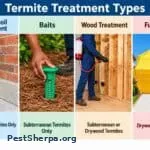
- Liquid soil termiticide applied to the soil around and under the foundation for subterranean termites.
- Bait stations installed around the house and monitored over time as alternative or in conjunction with liquid soil termiticide.
- Spot treatment for subterranean termite in existing construction using wood treatment, usually borates or pyrethroids.
- Spot treatments of wood or whole-structure fumigation or heat for drywood termites.
- Moisture and wood-to-soil corrections.
Follow-up
Expect a written report, a treatment diagram or detailed description of findings, and a warranty or bond with annual inspections. Ask whether the bond covers damage repair or retreatment only.
Questions to ask before you book
- Which termite species do I have?
- Which treatment, and why?
- What does the warranty or bond cover, and what does renewal cost?
- Will you give me a graph or diagram of what was treated?
What it costs
Angi’s September 2026 data puts the national average for termite treatment at $621, with most homeowners paying $263 to $1,033.[5] HomeGuide puts an exterior barrier treatment at $225 to $2,500 and whole-home tenting at $2,000 to $8,000.[6] For repair costs and damage statistics, see termite damage costs.
Typical national ranges
- Termite treatment, national average: $621; most pay $263 to $1,033 (Angi, 2026)[5]
- Chemical or bait treatment: $225 to $2,500 (HomeGuide, 2025)[6]
- Bait systems: $7 to $12 per linear foot, or $1,000 to $2,500 for a whole home (HomeGuide, 2025)[6]
- Whole-home tenting with fumigation: $2,000 to $8,000 (HomeGuide, 2025)[6]
- Termite inspection: $0 to $250 (HomeGuide, 2025)[6]
- Termite bond: $500 to $2,000 (HomeGuide, 2025)[6]
- Damage repairs: $250 to $6,000 (Angi, 2026)[5]
These are national figures from consumer cost surveys, not quotes. Prices vary by region, home, and job, so treat them as a starting point for comparing written estimates.
What moves the price
- Species: Formosan and drywood work usually costs more than subterranean.
- Construction type and challenges for treating.
- Linear feet of foundation and the construction type.
- Treatment method: liquid soil, bait, wood, or fumigation.
- Severity and whether damage repair is needed.
One-time job or ongoing plan
Most homes get one treatment followed by a monitoring plan or bond with annual inspections. Angi lists annual termite plans at $200 to $400.[5]
Red flags in a quote
- High-pressure sales or same-day discounts.
- No written inspection report or diagram.
- A bond that does not explain what it covers.
- If you sign a contract at your home or anywhere other than the company’s regular place of business, the FTC Cooling-Off Rule generally gives you until midnight of the third business day to cancel. [FTC Cooling-Off Rule, 16 CFR 429.1] Check your state’s rules too.
See what to look for when hiring a pro for termites and how to hire a licensed termite company.
Termite Types Compared: Subterranean, Formosan, Drywood, and Dampwood
Most U.S. home questions start with type, not species. Use this chart to match nest clues and damage, then open the matching guide. Formosan termites are an invasive subterranean type, aggressive where established, not a separate “non-soil” pest.
| Cue | Native subterranean | Formosan (invasive subterranean) | Drywood | Dampwood |
|---|---|---|---|---|
| Where they nest | In or near soil; need moisture; reach wood through earthen mud / shelter tubes. | Still soil-connected subterranean; may build carton nests; also forage into trees. | Inside dry wood above ground: no soil contact; moisture from the wood. | Very moist / decayed wood (often soil-contact moisture); humid coasts and forests. |
| Homeowner ID clues | Mud tubes on foundation or walls; blistered or hollow wood; swarmers after rain (season varies). | Same mud-tube / with-grain pattern; alates often at dusk near lights; soldiers with teardrop head + defensive secretion (UF). | Six-sided fecal pellets (frass) under tiny kick-out holes; shed wings; cryptic in wood. | Moisture/decay problem first; pellets more rounded/elongated without drywood’s clear ridges (UC); galleries in wet wood. |
| Damage pattern | Feed with the grain (softer springwood); thin surface veneer common. | Same with-grain feeding; soil/carton in galleries; large colonies → rapid structural + tree risk where established. | Chambers that can cut across grain; paper-thin outer shell; frass piles. | Points to moisture/decay; generally less of a structural “surprise” focus than drywood or subterranean (UC). |
| Where in the U.S. (hub-level) | Common nationally; PestWorld: every state except Alaska. | SE continental U.S. + Hawaii; also limited SoCal; spreading (UF). UC notes a small CA footprint near San Diego: attribute geography to the source you quote. | Coastal SC→TX belt + CA coast; also FL + HI (PestWorld); western drywood native CA/AZ/PNW coast (UF). | Regional: Pacific dampwoods on cool humid coasts/mountains; FL Neotermes coastal/SW (UF). |
Also see regional subterranean guides: eastern, western, Asian, and the southeastern pair on the species grid. Colony-size language differs by source (UF Formosan “millions possible”; PestWorld native subterranean mature colonies often cited as tens of thousands to about 2 million). Don’t merge into one number.
Termite Species Comparison Hub (Workers, Soldier, Winged)
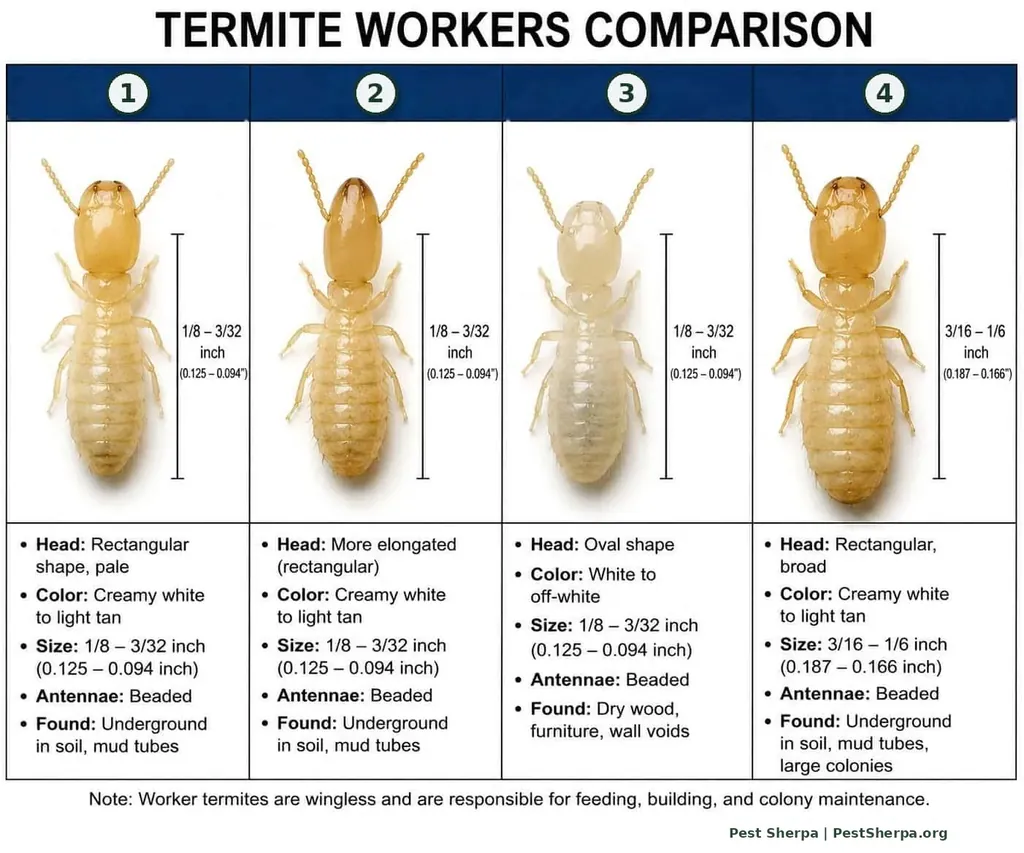
Which one did you find? Match the number:
- Eastern subterranean termite worker: pale rectangular head, creamy white to light tan body.
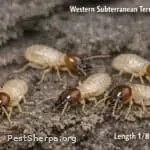
- Western subterranean termite worker: more elongated, darker tan head.
- Drywood termite worker: white to off-white with an oval head. Found in dry wood and furniture.
- Formosan termite worker: the largest, with a broad rectangular head. Large colonies in soil and mud tubes.
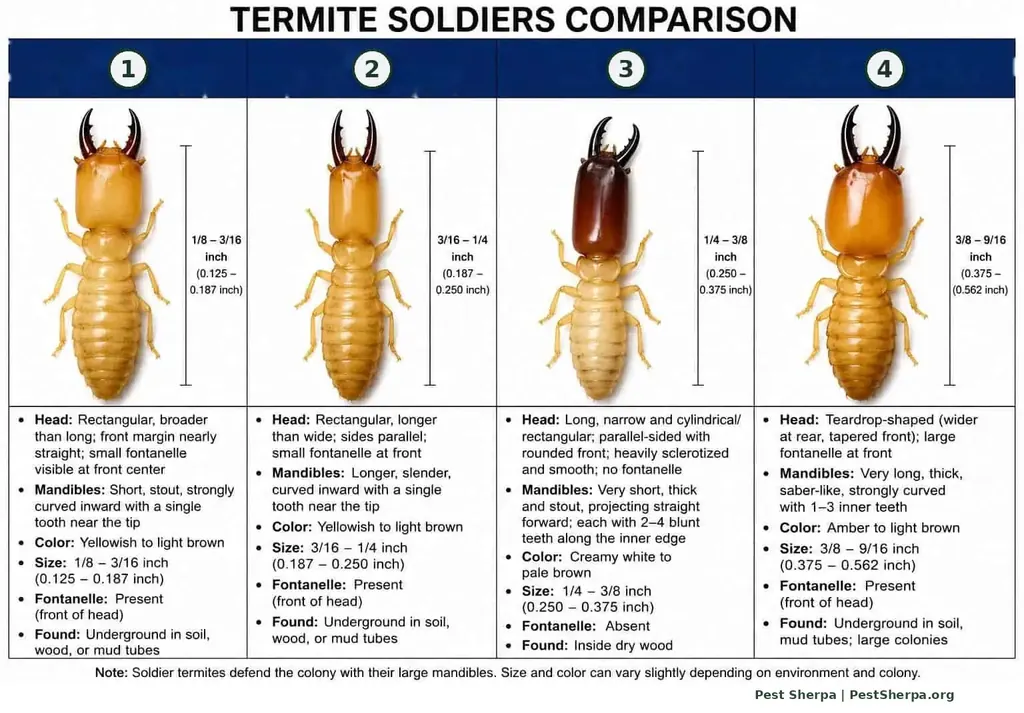
Which one did you find? Match the number:
- Eastern subterranean termite soldier: rectangular yellowish head and short, stout mandibles. 1/8 to 3/16 inch.
- Western subterranean termite soldier: longer, parallel-sided head and longer, slender mandibles. 3/16 to 1/4 inch.
- Drywood termite soldier: dark reddish-brown head with short, thick toothed mandibles. Lives inside dry wood.
- Formosan termite soldier: teardrop-shaped amber head and long, saber-like mandibles. The largest, 3/8 to 9/16 inch.
Eastern Subterranean Termites
The most common termite species in the United States and one of the most destructive. These termites build underground colonies and use mud tubes to reach and damage structural wood.
Read the Eastern Subterranean Termite Guide →
Western Subterranean Termites
A major structural pest throughout western regions of the U.S. Western subterranean termites commonly invade homes through foundation cracks, crawl spaces, and wood-to-soil contact.
Read the Western Subterranean Termite Guide →
Formosan Termites
One of the most aggressive and destructive invasive termite species in the world. Formosan termites form massive colonies capable of causing severe structural damage in a relatively short time.
Read the Formosan Termite Guide →
Drywood Termites
Drywood termites live entirely inside wood and do not require contact with soil. Infestations are often discovered from discarded wings or tiny pellet-like droppings called frass.
Read the Drywood Termite Guide →
Dampwood Termites
Dampwood termites are strongly associated with excess moisture, wood rot, leaks, and decaying wood. Their presence often points to underlying moisture problems that need correction.
Read the Dampwood Termite Guide →
Conehead Termites
Conehead termites are fast-spreading invasive termites known for aggressive colony expansion and above-ground foraging behavior. They are considered a serious emerging structural pest in affected southern regions.
Read the Conehead Termite Guide →
Where Drywood Termites Matter in the U.S.
Drywood termites live in the wood itself. No mud tubes from soil. Pressure is strongest in warm coastal and southern belts, not a 50-state soil-tube story.
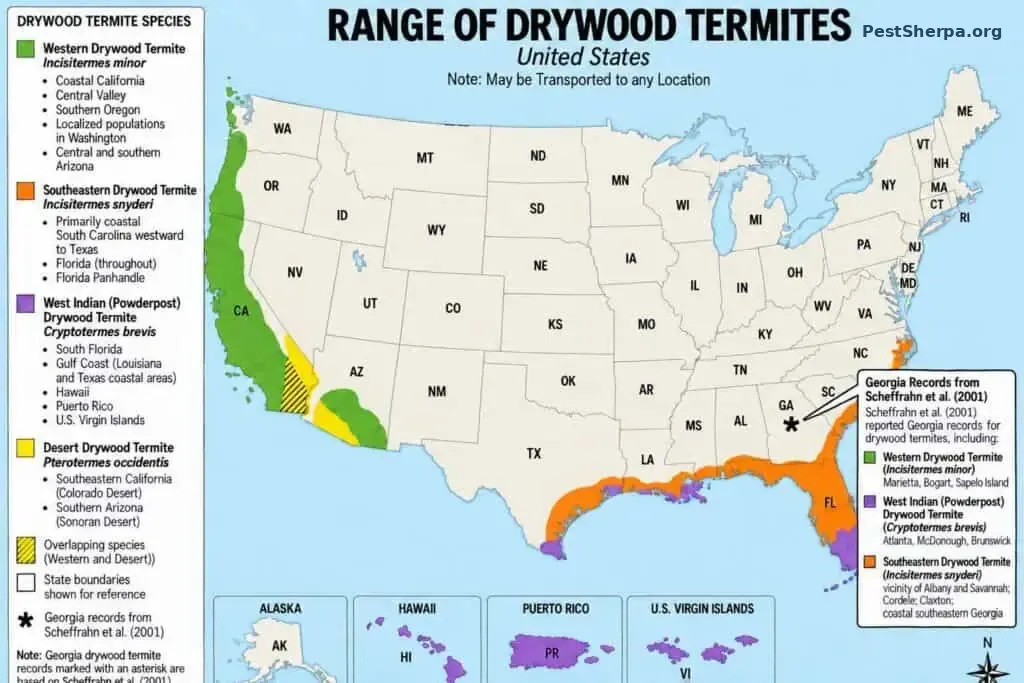
- NPMA PestWorld (consumer summary): primarily coastal from South Carolina westward to Texas and up the California coast; also commonly noted on the West Coast, Florida, and Hawaii.
- California / West (UC IPM): most prevalent in southern California (including deserts), most coastal regions, and the Central Valley. CA homes can face both drywood and subterranean pressure.
- Western drywood hitchhikers (UF): native range centers on coastal/southern CA into parts of AZ and the PNW coast; isolated structural introductions elsewhere via furniture or boats still happen: inspection beats “we’re too far north.”
- Frass reminder: drywood pellets are typically six-sided with ridges; dampwood pellets are more elongated without those ridges (UC).
Full drywood ID and treatment paths: Drywood Termites guide. For Florida species distribution tools, use UF’s Termite Distribution resources.
Prevention Strategy (Critical for Long-Term Protection)
Moisture Control
- Fix leaks
- Improve drainage
Structural Protection
- Avoid wood-to-soil contact
- Use treated wood where possible
Monitoring
- Annual inspections
- Watch for early signs (wings, tubes, damage)
Common Questions
What does drywood termite frass look like?
Drywood frass is usually a pile of hard, sand-like pellets with six sides and ridges, often under tiny kick-out holes in dry wood. That clue points to a drywood pathway, not a soil-tube problem. Open the drywood termites guide for ID photos and treatment paths.
What do mud tubes on a foundation mean?
Pencil-like earthen tubes on foundations, walls, or crawl spaces are classic subterranean evidence. Photo them and leave them for a licensed inspector rather than scraping first. Remember, tubes do not necessarily mean that your house is damaged. Start with the regional subterranean termites: eastern or western.
How serious are Formosan termites?
Formosan termites are an invasive subterranean type with large colonies and fast structural risk where they are established (mainly the Southeast, Hawaii, and limited Southern California). Treat them as high priority. Use the Formosan termites guide for range, ID, and why OTC sprays usually fail.
When should I call a termite professional?
Call after indoor swarmers, mud tubes, hollow or easily probed wood, drywood frass with kick-out holes, or confirmed recurring activity. DIY conducive-condition cleanup helps, but colony treatment usually needs a licensed inspector. See When to Call a Professional above, or Ask the Sherpa if you want a second look at photos or a report.
Can a homeowner perform termite control?
Homeowners can reduce conducive conditions (moisture, wood-to-soil contact, debris), but most effective subterranean products are professional-use only. University and EPA guidance point structural infestations to trained, state-licensed pros. Full answer: Can a Homeowner Perform Termite Control?
References
- Purdue University Extension Entomology: Termite Control
- University of Kentucky Entomology: Termite Control: Answers for Homeowners
- Mississippi State University Extension: Methods of Termite Control
- EPA: Termites: How to Identify and Control Them
- Angi, Termite Treatment Cost: A Comprehensive Breakdown [2026 Data], updated September 25, 2026
- HomeGuide, How Much Does Termite Treatment Cost?, November 21, 2025
This article was written by Greg Baumann, founder of Pest Sherpa, and reflects more than 40 years of professional pest management experience.
About the Author

Greg Baumann | Pest Control Expert
Greg Baumann is the founder of Pest Sherpa and a Pest Control Expert with more than 40 years of professional pest management experience. His articles combine decades of field experience, technical expertise, and science-based guidance to help homeowners identify pests correctly, understand real-world risks, and make informed pest management decisions.
Mission: Identify the pest. Understand the risk. Stop the problem. Prevent the comeback. Know when it’s time to call a professional.