
Found a bug and not sure what it is? Start here. Answer up to three quick questions: where you found it, what it looks like, and how big it is. The list below narrows to the pests that fit, most common first, and every card links to my full guide for that pest.
I am Greg Baumann, and I have spent more than 40 years in pest control. Most of the calls I have taken over the years started the same way: “I found this bug, what is it?” Getting the name right comes first, because the right fix for carpenter ants is very different from the right fix for termites, and a harmless ground beetle needs no treatment at all.
Find Your Bug in 3 Quick Questions
Where did you find it? (optional)
What does it look like? (optional)
How big is it? (optional)
-
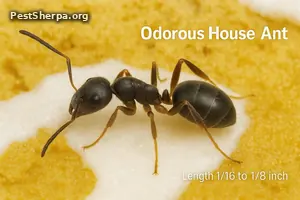
Odorous House Ant
How to tell: Small dark brown to black ant, about 1/16 to 1/8 inch, that smells like rotten coconut when you crush it.
-
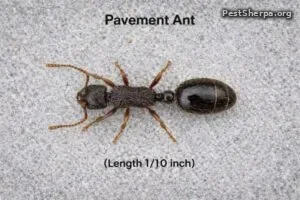
Pavement Ant
How to tell: Dark brown ant about 1/8 inch with fine grooves on the head and back; leaves little dirt piles along slab and sidewalk cracks.
-
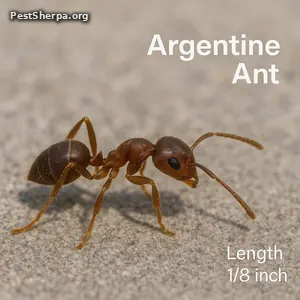
Argentine Ant
How to tell: Light to dark brown ants about 1/8 inch that run in dense, steady trails of thousands from the yard into kitchens.
-
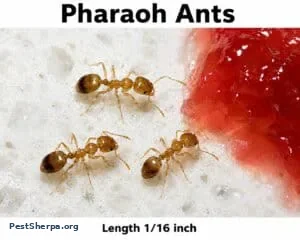
Pharaoh Ant
How to tell: Very tiny, about 1/16 inch, yellow to light brown; trails in warm spots near sinks and outlets. Sprays can make colonies split.
-
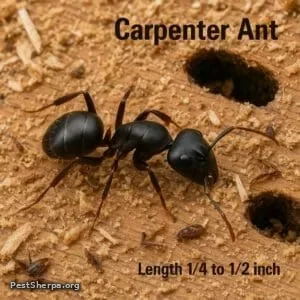
Carpenter Ant
How to tell: Big black or red and black ant, 1/4 to 1/2 inch, with an evenly rounded back; look for piles of sawdust-like shavings.
-
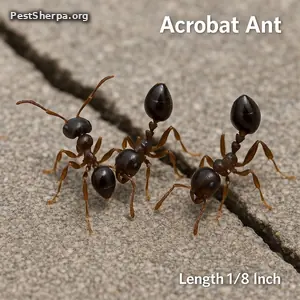
Acrobat Ant
How to tell: Heart-shaped abdomen that it raises over its body when disturbed; often nests in damp or damaged wood.
-
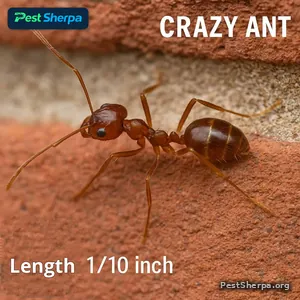
Tawny Crazy Ant
How to tell: Reddish brown ant about 1/8 inch that runs in fast, erratic zigzags in huge numbers; mostly Gulf Coast states.
-
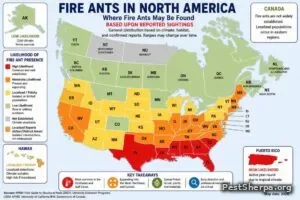
Fire Ants
How to tell: Reddish brown workers of mixed sizes in one mound; painful stings that often turn into white pustules.
-
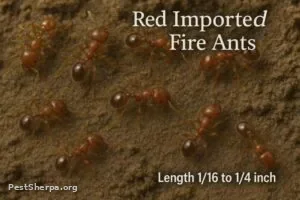
Red Imported Fire Ant
How to tell: Invasive fire ant of the South; fluffy dirt mounds with no center hole that pop up after rain, and they swarm fast when disturbed.
-
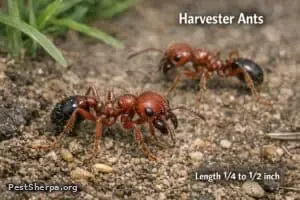
Harvester Ant
How to tell: Red to dark brown ant, 1/4 to 1/2 inch, nesting in a bare cleared circle of ground; mostly the West and Southwest; strong sting.
-
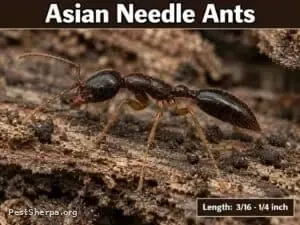
Asian Needle Ant
How to tell: Slender, shiny dark brown to black ant about 1/5 inch with orange-tipped legs; nests in mulch and leaf litter and can sting.
-
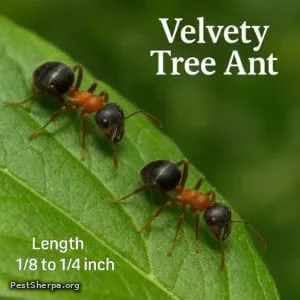
Velvety Tree Ant
How to tell: Black head, reddish back, and a velvety dark abdomen; nests in trees and smells unpleasant when crushed.
-

Allegheny Mound Ant
How to tell: Red head and middle with a dark abdomen; builds large dirt mounds in the yard and kills the plants around them.
-
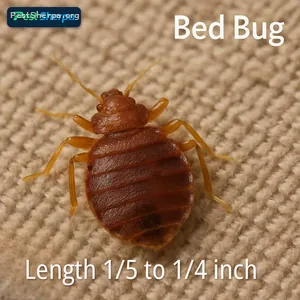
Bed Bug
How to tell: Flat, oval, reddish brown bug about the size of an apple seed; look for tiny dark spots along mattress seams.
-
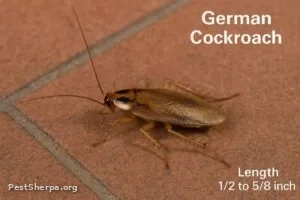
German Cockroach
How to tell: Tan roach about 1/2 inch with two dark stripes behind the head; lives in kitchens and bathrooms, rarely outdoors.
-
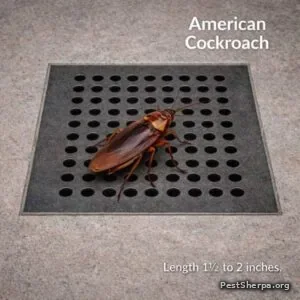
American Cockroach
How to tell: Big reddish brown roach, about 1 1/2 inches, with a pale yellowish band behind the head; comes up from drains and basements.
-

Oriental Cockroach
How to tell: Shiny dark brown to black roach about 1 inch with short wings; slow moving and found in damp basements and drains.
-
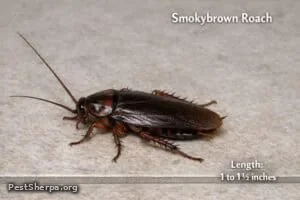
Smokybrown Cockroach
How to tell: Uniform shiny dark mahogany roach about 1 1/4 inches; strong flier drawn to lights; lives in gutters, mulch, and attics.
-
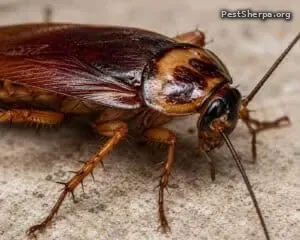
Palmetto Bug
How to tell: A Southern nickname, not one species: usually a large American, smokybrown, or Florida woods cockroach wandering in from outside.
-
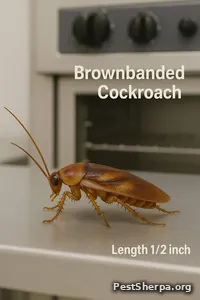
Brownbanded Cockroach
How to tell: About 1/2 inch with two light bands across the body; prefers warm, dry, high spots like behind pictures and in electronics.
-
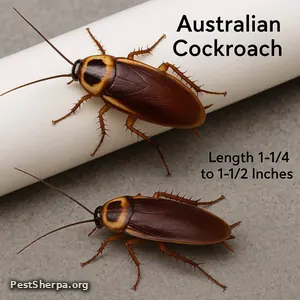
Australian Cockroach
How to tell: Looks like an American roach but a bit smaller, with bright yellow edges on the shield behind the head and yellow wing streaks.
-
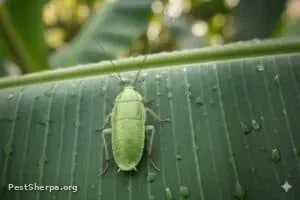
Cuban Cockroach
How to tell: Bright green roach, sometimes called the green banana roach; lives outdoors in Florida and flies to porch lights.
-
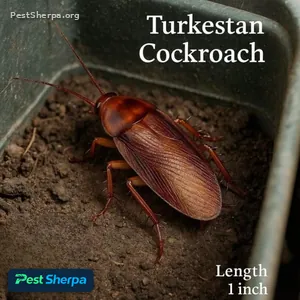
Turkestan Cockroach
How to tell: Southwest roach; males are tan with cream wing stripes, females are dark with short wings; found in water meter boxes.
-
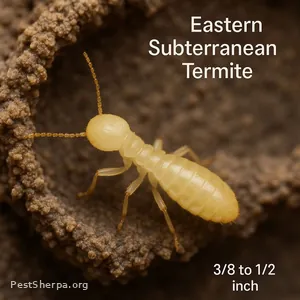
Eastern Subterranean Termite
How to tell: Most common termite in the East; look for mud tubes on foundations and dark spring swarmers with wings much longer than the body.
-

Drywood Termite
How to tell: No mud tubes; lives inside dry wood and pushes out piles of tiny, hard, six-sided pellets that look like sand or ground pepper.
-
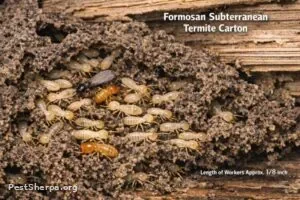
Formosan Subterranean Termite
How to tell: Invasive termite of the Gulf states, Florida, and Hawaii; huge yellowish brown swarms around lights on spring evenings.
-
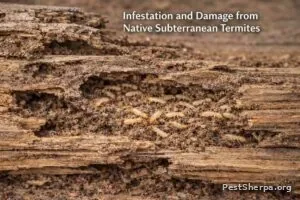
Native Subterranean Termite
How to tell: Our native soil termites: mud tubes, hollow-sounding wood, and discarded wings of equal length near windows and doors.
-
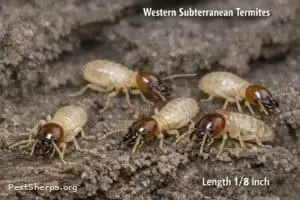
Western Subterranean Termite
How to tell: Most common termite on the West Coast; builds mud tubes from soil to wood and swarms after fall or spring rains.
-
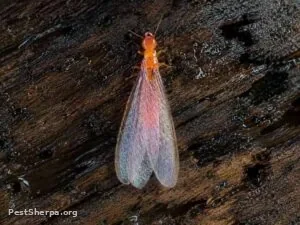
Dampwood Termite
How to tell: Larger termite that lives in very wet or rotting wood with no soil contact; a sign of a leak or moisture problem.
-
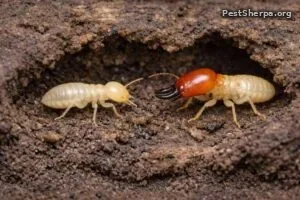
Asian Subterranean Termite
How to tell: Invasive termite found mainly in South Florida; mud tubes, swarms around lights, and damage to trees and buildings.
-
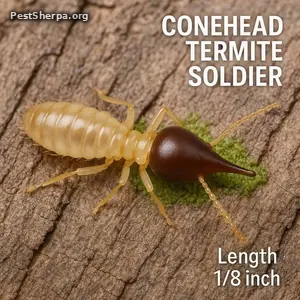
Conehead Termite
How to tell: Invasive in South Florida; soldiers have cone-shaped heads, and workers build brown tunnels over surfaces above ground.
-
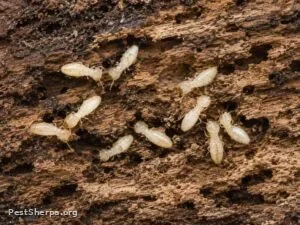
Dark Southeastern Subterranean Termite
How to tell: Native Southeast termite; signs are mud tubes, swarmers, and discarded wings. Telling it from its cousins takes an expert.
-
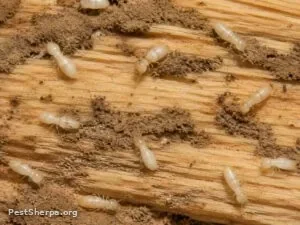
Light Southeastern Subterranean Termite
How to tell: Native Southeast termite; swarmers have dark heads, pale yellow-brown bodies, and smoky gray wings. Mud tubes are the usual clue.
-
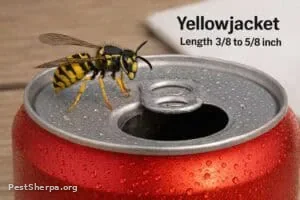
Yellowjacket
How to tell: Smooth, shiny yellow and black wasp about 1/2 inch; nests in the ground or wall voids and gets aggressive near the nest.
-
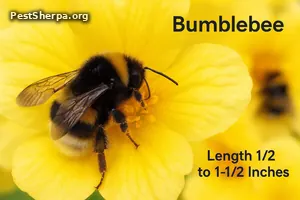
Bumblebee
How to tell: Large, fuzzy black and yellow bee; nests in the ground or old insulation and is usually gentle unless the nest is disturbed.
-
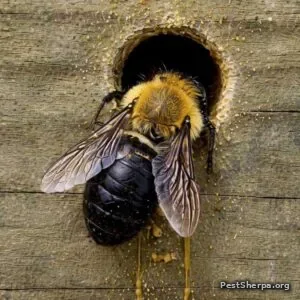
Carpenter Bee
How to tell: Looks like a bumblebee but has a shiny, bare black abdomen; drills perfectly round 1/2 inch holes in decks and eaves.
-

Honey Bee
How to tell: Golden brown, fuzzy bee about 1/2 inch; a swarm hanging in a cluster is usually just resting. Call a beekeeper first.
-
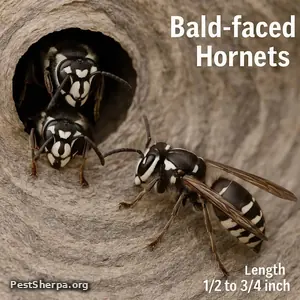
Bald-faced Hornet
How to tell: Black and white wasp about 3/4 inch that builds a gray, football-shaped paper nest in trees, shrubs, or eaves.
-
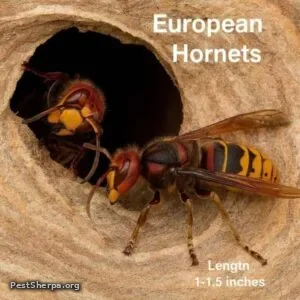
European Hornet
How to tell: Large brown and yellow wasp about 1 inch that flies at night toward lights and nests in hollow trees or walls.
-
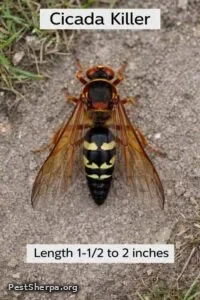
Cicada Killer Wasp
How to tell: Very large black and yellow wasp, up to 1 1/2 inches, digging burrows in lawns in midsummer; rarely stings people.
-
Spiders (start here)
How to tell: Not sure which spider? Our Spider Guide covers the common mix-ups, like wolf and cellar spiders, and when to worry.
-
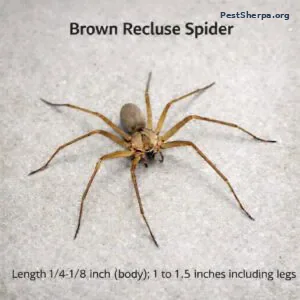
Brown Recluse Spider
How to tell: Uniform tan to brown with a violin shape behind the eyes, six eyes in pairs, and plain legs with no bands or spines.
-
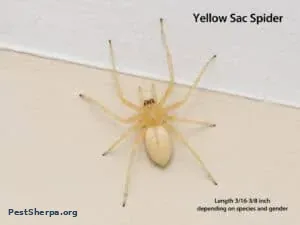
Yellow Sac Spider
How to tell: Pale yellow to beige with dark-tipped jaws and feet and no violin mark; hunts at night on walls and ceilings.
-
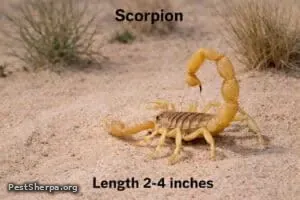
Scorpion
How to tell: Eight legs, a pair of pincers, and a curled tail with a stinger; hides in shoes, bedding, and clutter at night.
-
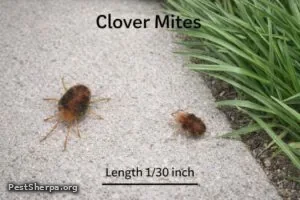
Clover Mite
How to tell: Tiny red specks crawling on sunny windowsills and siding in spring and fall; leave a red smear when crushed.
-
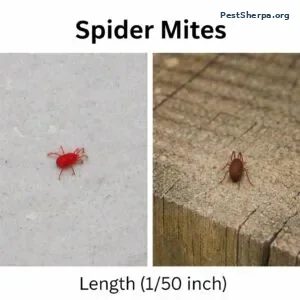
Spider Mite
How to tell: Barely visible specks on the undersides of plant leaves, with fine webbing and speckled, yellowing leaves.
-
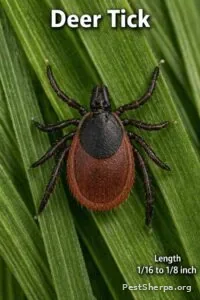
Blacklegged (Deer) Tick
How to tell: Adult female has a reddish orange body with a black shield and black legs; nymphs are the size of a poppy seed. Lyme carrier.
-
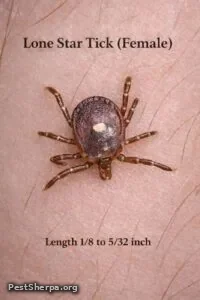
Lone Star Tick
How to tell: Adult female has one bright white dot on her back; bites aggressively and is linked to alpha-gal syndrome.
-
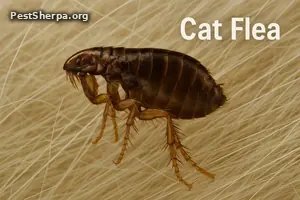
Cat Flea
How to tell: Tiny dark reddish brown jumper; most fleas on both cats and dogs are cat fleas. Flea dirt turns red on a wet paper towel.
-
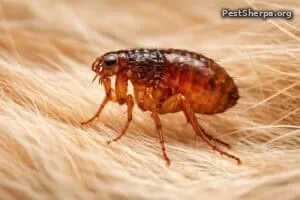
Dog Flea
How to tell: Looks almost exactly like a cat flea and is much less common in U.S. homes; a magnifier or lab is needed to tell them apart.
-
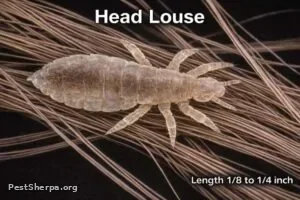
Head Louse
How to tell: Tiny grayish tan insect on the scalp, with eggs (nits) glued to hair shafts close to the scalp, often behind the ears.
-
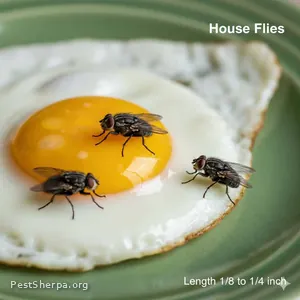
House Fly
How to tell: Gray fly about 1/4 inch with four dark stripes on its back; breeds in garbage, manure, and pet waste.
-
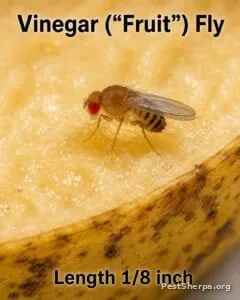
Fruit Fly (Vinegar Fly)
How to tell: Tan fly about 1/8 inch with red eyes, hovering over ripe fruit, recycling bins, and drains.
-
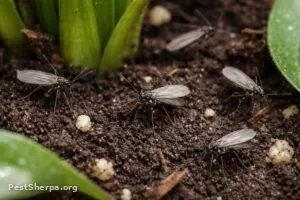
Fungus Gnat
How to tell: Delicate black gnat with long legs that flits around houseplants and windows; breeds in wet potting soil.
-
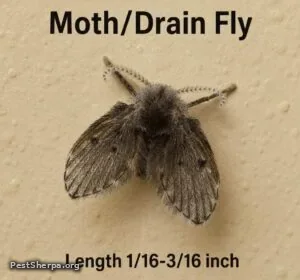
Drain Fly (Moth Fly)
How to tell: Fuzzy little fly with moth-like wings held roof-like over its back; rests on bathroom walls near drains.
-
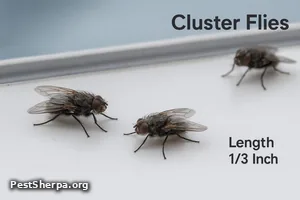
Cluster Fly
How to tell: A bit larger than a house fly, sluggish, with golden hairs on its back; gathers on sunny windows in fall and late winter.
-
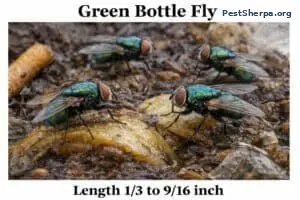
Green Bottle Fly
How to tell: Shiny metallic green fly larger than a house fly; a sudden swarm indoors often means a dead animal nearby. It does not bite.
-
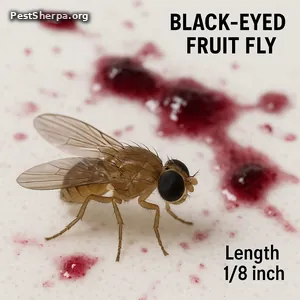
Dark-eyed Fruit Fly
How to tell: Larger than the common fruit fly with dark red eyes; breeds in drains, garbage, and rotting, fermenting material.
-
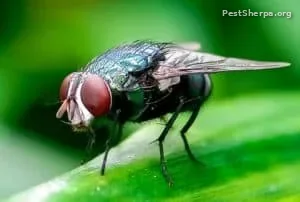
New World Screwworm
How to tell: Metallic blue-green fly with orange eyes; its larvae infest open wounds on animals and, rarely, people. Report suspected cases.
-
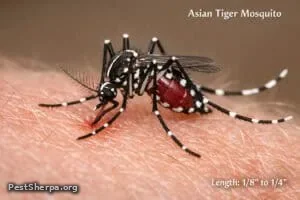
Asian Tiger Mosquito
How to tell: Black with bright white leg bands and one white stripe down its back; bites in the daytime and breeds in small containers.
-
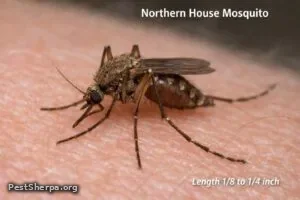
Northern House Mosquito
How to tell: Plain brown mosquito that bites at dusk and night and comes indoors; a main West Nile virus carrier in the North.
-
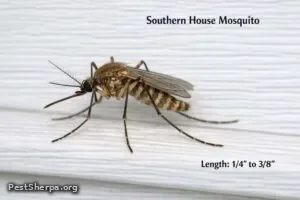
Southern House Mosquito
How to tell: Plain brown night biter of the South that breeds in polluted water and storm drains; carries West Nile virus.
-
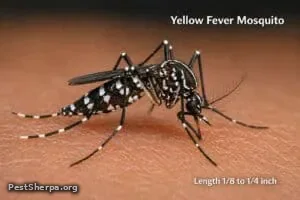
Yellow Fever Mosquito
How to tell: Dark with a white lyre-shaped pattern on its back and white leg bands; daytime biter that carries dengue and Zika.
-
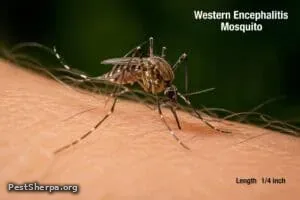
Western Encephalitis Mosquito
How to tell: Western mosquito with a white band around the middle of its beak and banded legs; a key West Nile virus carrier.
-
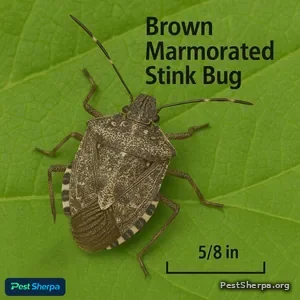
Brown Marmorated Stink Bug
How to tell: Shield-shaped, mottled brown bug about 5/8 inch with light bands on its antennae; smells when disturbed.
-
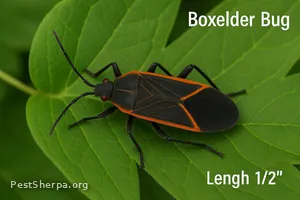
Boxelder Bug
How to tell: Black bug about 1/2 inch with red or orange lines on its back; clusters on sunny siding in fall.
-
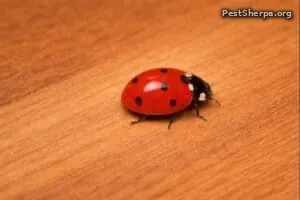
Lady Beetle (Asian Lady Beetle)
How to tell: Orange to red domed beetle with varying spots and often an M-shaped mark behind the head; can pinch and stain.
-
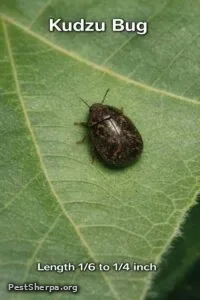
Kudzu Bug
How to tell: Squarish, olive green to brown speckled bug about 1/4 inch that swarms light-colored walls; can stain skin and fabric.
-
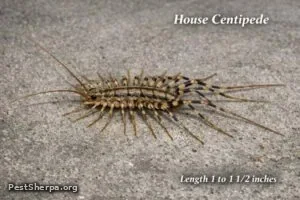
House Centipede
How to tell: Fast, with 15 pairs of very long legs and a body about 1 to 1 1/2 inches; one pair of legs per body segment.
-
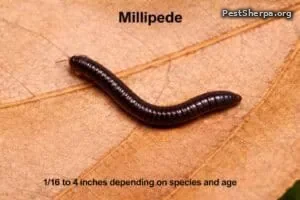
Millipede
How to tell: Slow, round-bodied, brown to black, with two pairs of short legs per segment; curls into a coil when touched.
-
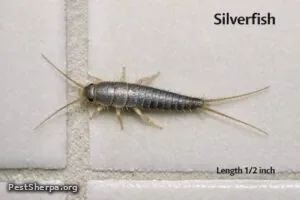
Silverfish
How to tell: Silvery, wingless, carrot-shaped insect with three tail bristles; wiggles like a fish and chews paper and starch.
-
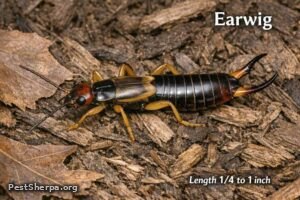
Earwig
How to tell: Slender reddish brown insect with pincers on the rear end; harmless to people and shows up near damp spots.
-
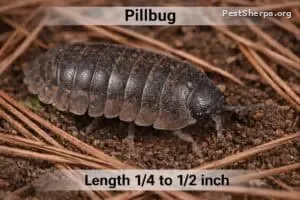
Pillbug (Roly-poly)
How to tell: Gray, armored crustacean that rolls into a tight ball when touched; lives in damp mulch and wanders in.
-
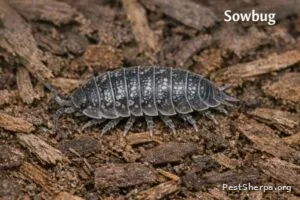
Sowbug
How to tell: Looks like a pillbug but cannot roll into a ball and has two small tail points; a sign of moisture near the foundation.
-
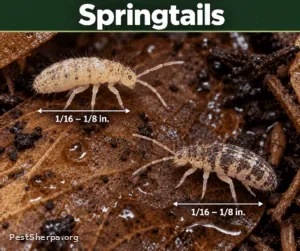
Springtail
How to tell: Tiny gray or white specks that jump when disturbed; found in tubs, sinks, potting soil, and other damp spots.
-
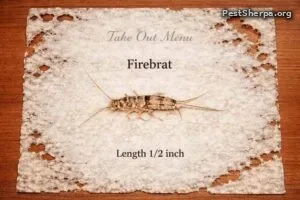
Firebrat
How to tell: Silverfish look-alike with mottled gray brown markings; prefers hot spots near furnaces, water heaters, and ovens.
-
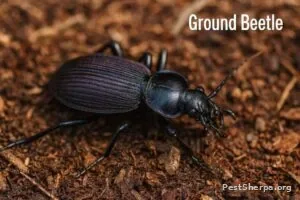
Ground Beetle
How to tell: Shiny black or dark beetle that runs fast across floors; a helpful outdoor predator that wanders in by mistake.
-
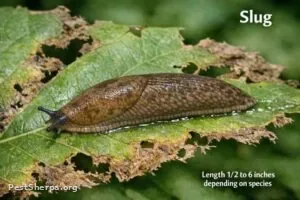
Slug
How to tell: Soft, slimy, shell-less mollusk that leaves shiny slime trails on patios, steps, and garden plants.
-

Small Household Snail
How to tell: Small snail with a coiled shell that shows up in damp basements, bathrooms, and patios, leaving slime trails.
-
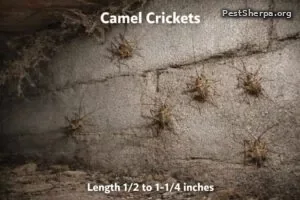
Camel Cricket
How to tell: Humpbacked, wingless, and spider-like, with very long legs and antennae; jumps toward you in basements and garages. No chirp.
-
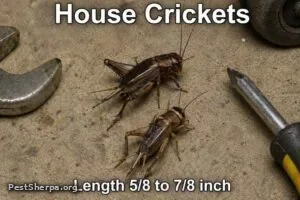
House Cricket
How to tell: Light yellowish brown cricket about 3/4 inch with three dark bands across the head; chirps at night.
-
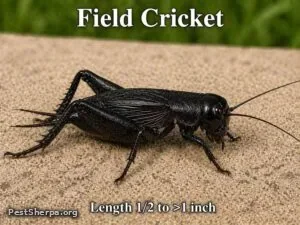
Field Cricket
How to tell: Black to dark brown cricket about 1 inch; moves indoors in late summer and fall and chirps loudly.
-
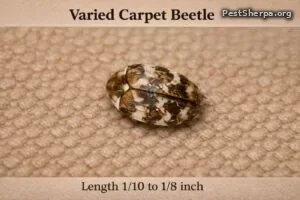
Varied Carpet Beetle
How to tell: Tiny round beetle with a mottled white, brown, and yellow pattern, often on windowsills; fuzzy larvae chew wool and fur.
-
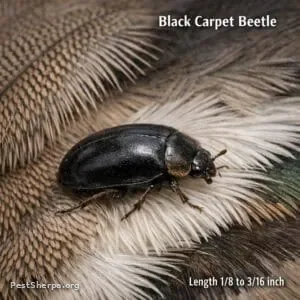
Black Carpet Beetle
How to tell: Shiny black oval beetle; its golden brown, carrot-shaped larvae with a hairy tail damage wool, fur, and stored grains.
-
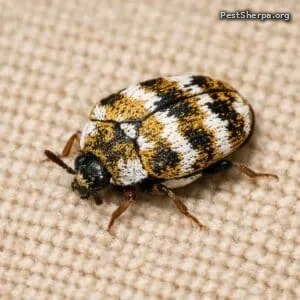
Furniture Carpet Beetle
How to tell: Small round beetle mottled with white, black, and orange-yellow scales; larvae feed on upholstery and wool.
-
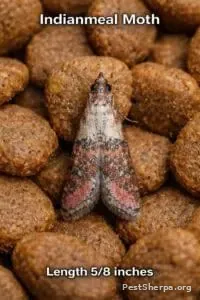
Indianmeal Moth
How to tell: Small moth whose wings are coppery on the outer half and pale gray near the body; look for webbing in dry foods.
-
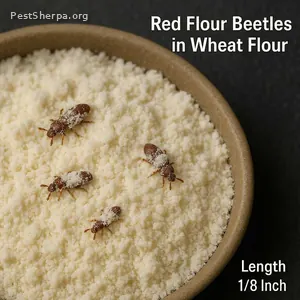
Red Flour Beetle
How to tell: Reddish brown beetle about 1/8 inch in flour, cereal, and mixes; the antenna tips end in a small three-part club.
-
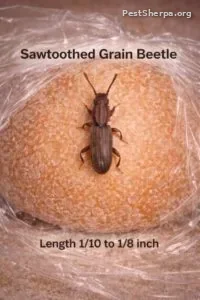
Sawtoothed Grain Beetle
How to tell: Slender, flat brown beetle about 1/10 inch with six saw-like teeth on each side of the area behind the head.
-
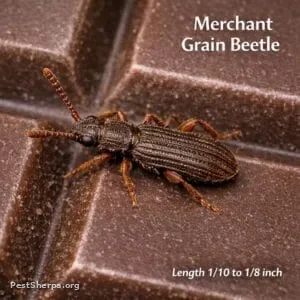
Merchant Grain Beetle
How to tell: Nearly identical to the sawtoothed grain beetle but with larger eyes; prefers nuts, cereals, and oily foods.
-
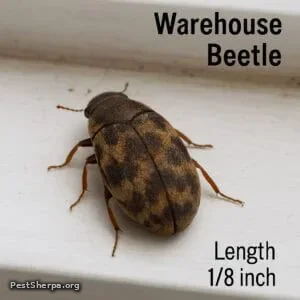
Warehouse Beetle
How to tell: Small oval beetle with mottled brown bands; its hairy larvae get into pet food, grains, and dried goods.
-
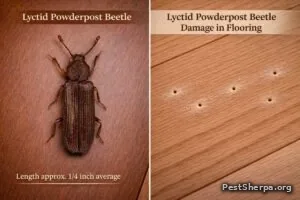
Lyctid Powderpost Beetle
How to tell: Look for tiny pinholes in hardwood floors, furniture, or trim with fine, flour-like powder sifting out.
-
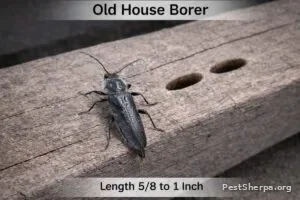
Old House Borer
How to tell: Oval exit holes about 1/4 to 3/8 inch in pine or other softwood, and sometimes a ticking sound inside the wood.
-
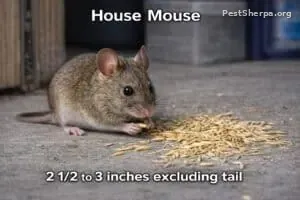
House Mouse
How to tell: Small slender mouse with big ears; droppings are 1/8 to 1/4 inch and pointed at the ends, often along walls and in drawers.
-

Norway Rat
How to tell: Heavy brown rat with a blunt nose, small ears, and a tail shorter than its body; burrows under slabs and sheds.
-

Roof Rat
How to tell: Sleek dark rat with large ears and a tail longer than its body; climbs well and nests in attics and trees.
-
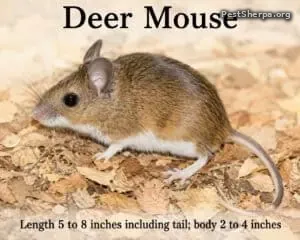
Deer Mouse
How to tell: Mouse with a white belly and feet and a two-toned tail; common in cabins and sheds and linked to hantavirus.
-
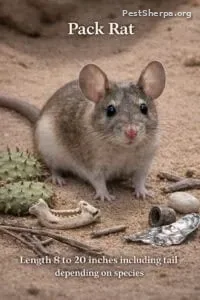
Pack Rat (Woodrat)
How to tell: Rat with a furry tail and large ears that builds big stick nests and collects shiny objects; mostly in the West.
Still not sure? Some bugs only an expert can call. Tell me where you found it, what it looks like, how big it is, and the time of year, and I will help you figure it out. Photos and location details help.
Tips for a Better Bug ID
- Catch one if it is safe. Trap it under a clear glass or on clear tape, or drop it in a jar with rubbing alcohol. Do not handle spiders, scorpions, stinging insects, or rodents with bare hands.
- Take a sharp photo with something for scale, like a coin or a ruler. Tiny ants and beetles are much easier to name up close. Here is my cheap trick for getting a clear look at tiny ants.
- Note where, when, and how many. One beetle on a windowsill in October is a different story than dozens in the pantry. Droppings, shed skins, wings, sawdust, and mud tubes are clues too.
- Get a free second opinion. Your local Cooperative Extension office can often identify a specimen for free or a small fee. Find your state’s Extension office. The UC IPM home and landscape pest library is another solid, science-based reference.
When to call for help: signs of termites, bed bugs, or mice and rats inside, a stinging insect nest near a door or play area, or a bug you keep seeing after you have cleaned up and sealed gaps. My pest control guide explains what a good treatment plan looks like, and my hiring guides walk you through choosing a licensed company. If you are still stuck, ask me.
Education only. This finder is a quick starting point, not a lab identification. Many pests have look-alikes, so check the full guide before you treat. If someone has a severe reaction to a bite or sting, trouble breathing, or a spreading rash or fever after a tick bite, call a doctor or 911. When using any pesticide, follow the label; EPA safe pest control tips explain why the label is the law.
This article was written by Greg Baumann, founder of Pest Sherpa, and reflects more than 40 years of professional pest management experience.
About the Author

Greg Baumann | Pest Control Expert
Greg Baumann is the founder of Pest Sherpa and a Pest Control Expert with more than 40 years of professional pest management experience. His articles combine decades of field experience, technical expertise, and science-based guidance to help homeowners identify pests correctly, understand real-world risks, and make informed pest management decisions.
Mission: Identify the pest. Understand the risk. Stop the problem. Prevent the comeback. Know when it’s time to call a professional.